

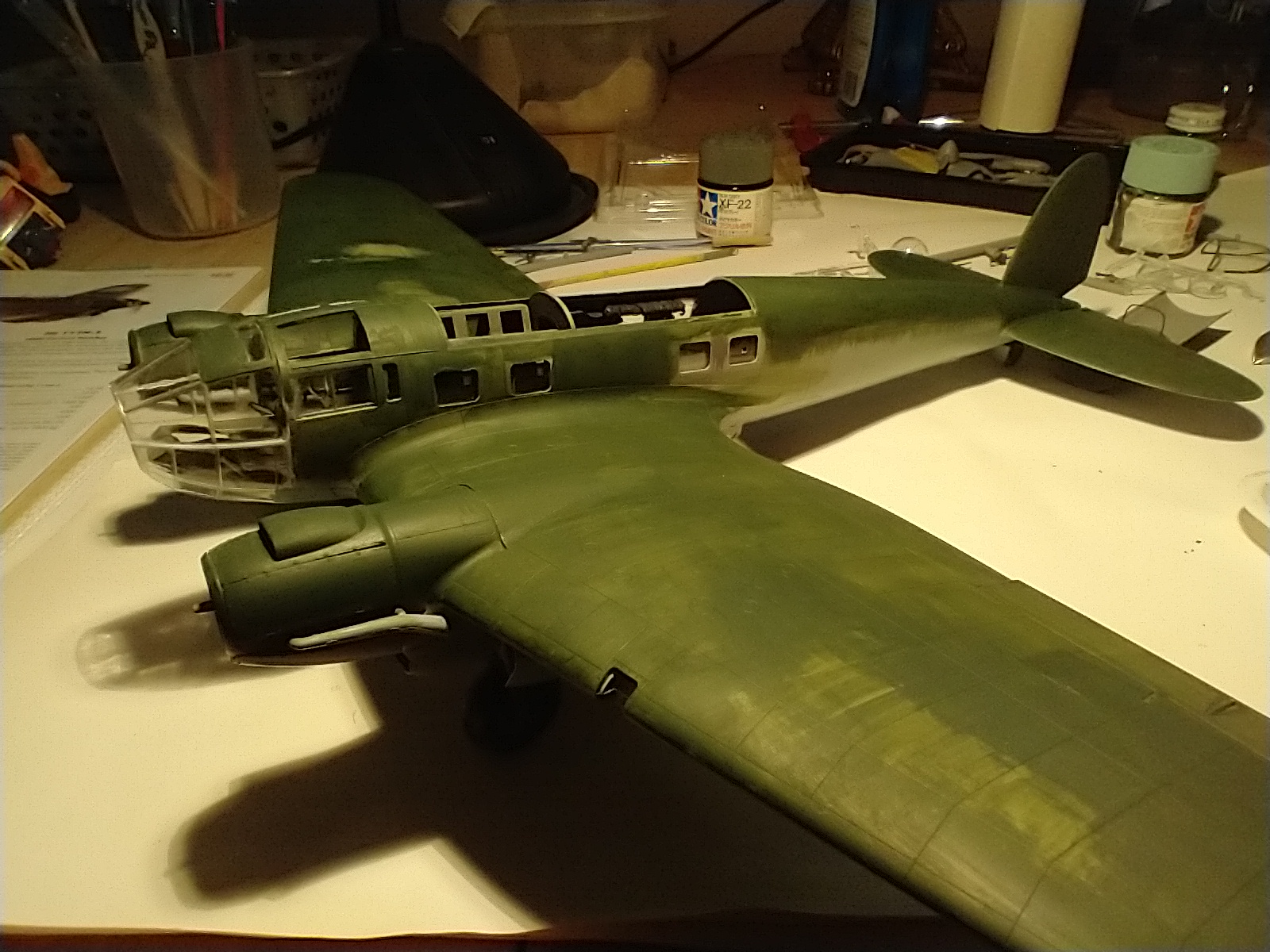
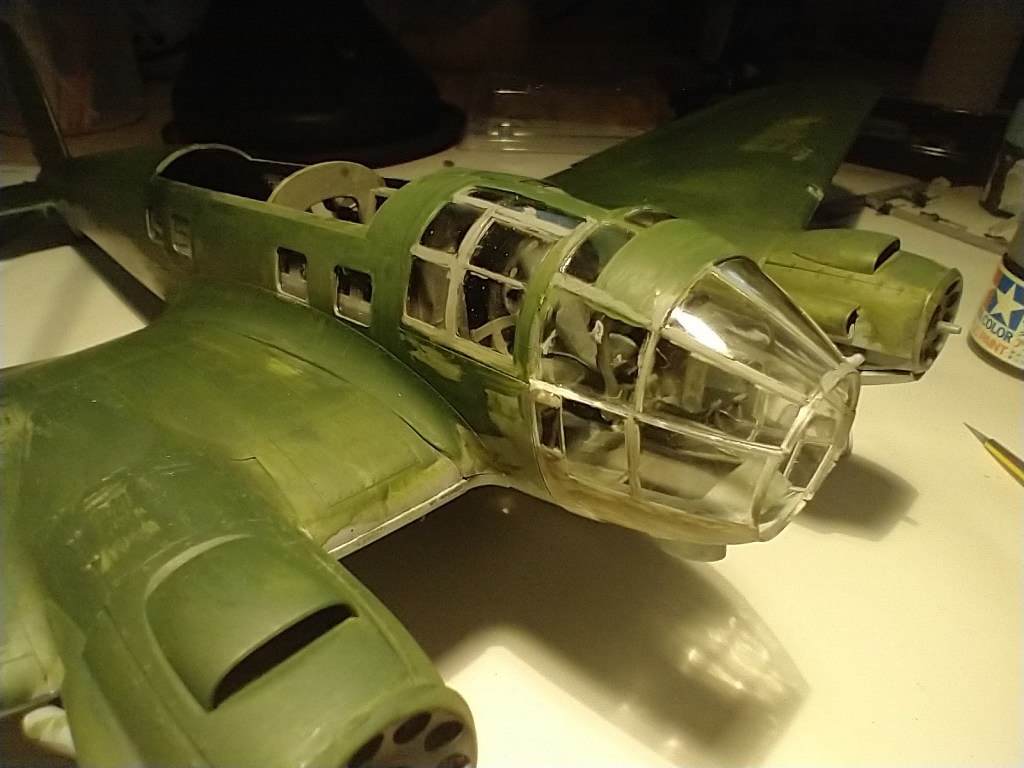
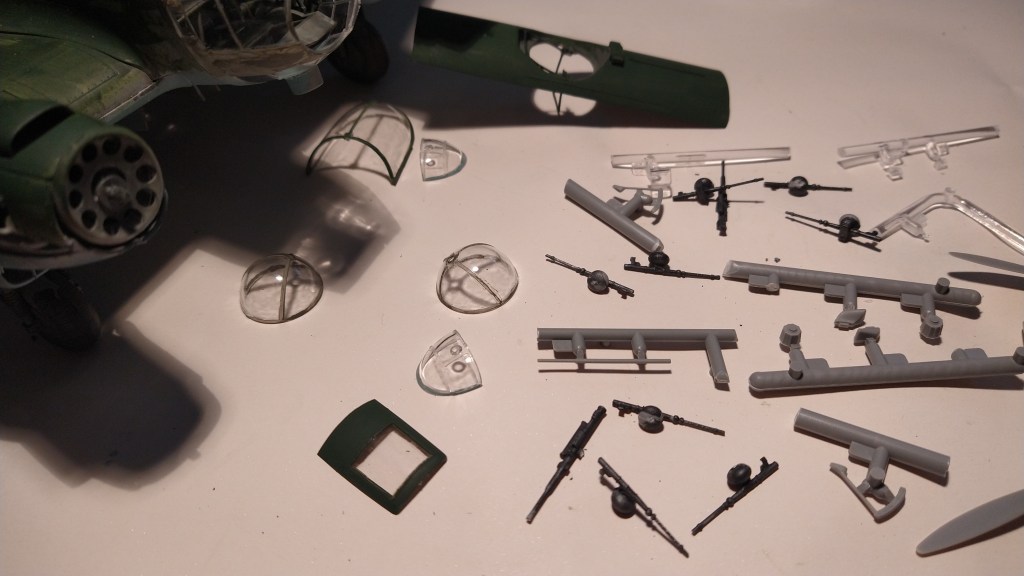
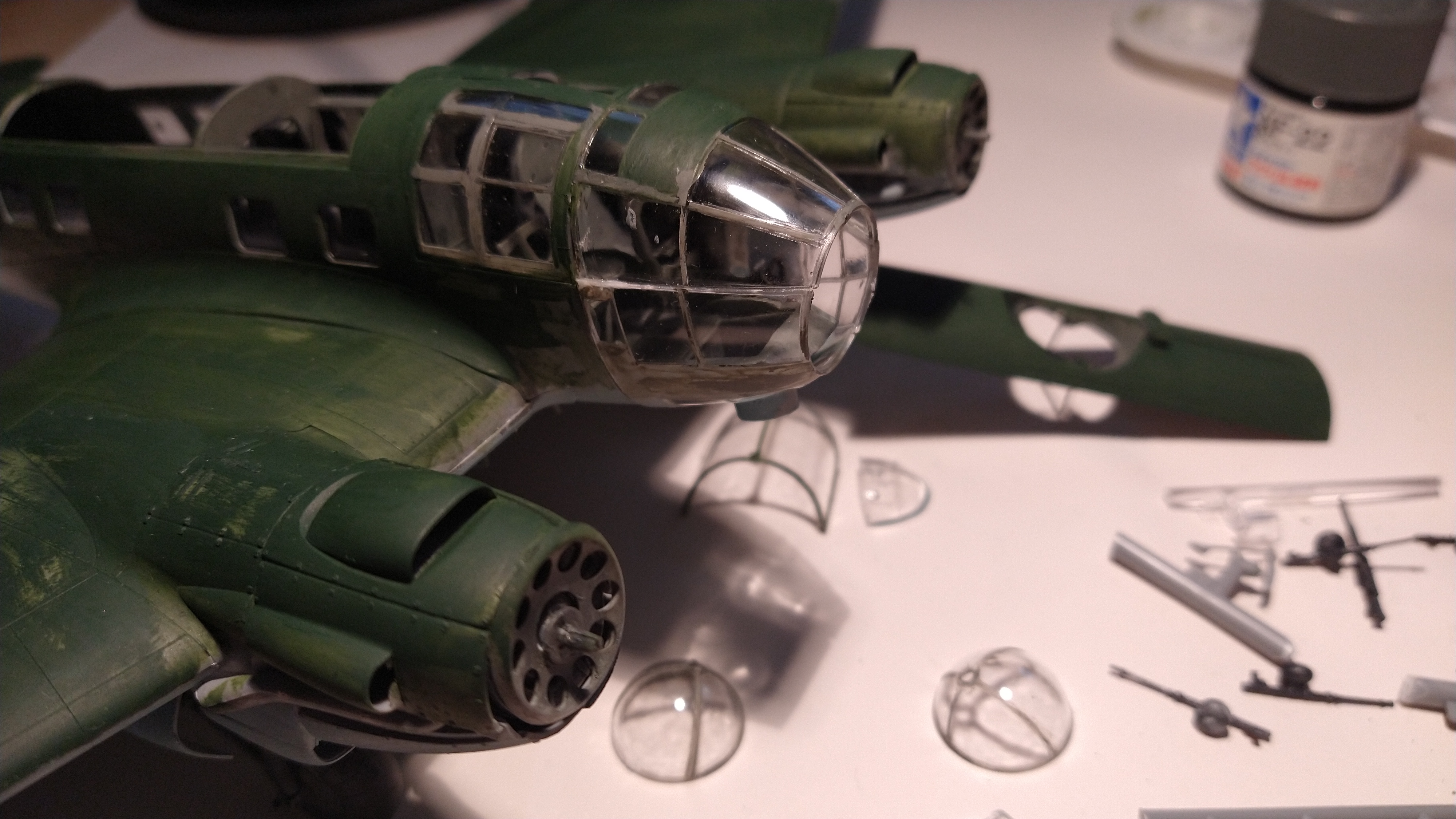
I still need a few touch-ups before mating the fuselage halves. That won’t happen soon having the grandchildren around the house for two days.
I still need a few touch-ups before mating the fuselage halves. That won’t happen soon having the grandchildren around the house for two days.
Documenting my progress on WordPress is the only way I found to keep going.
Modelers can be somewhat obsessed with details when preserving the past either in 1/72 or 1/48 scale.
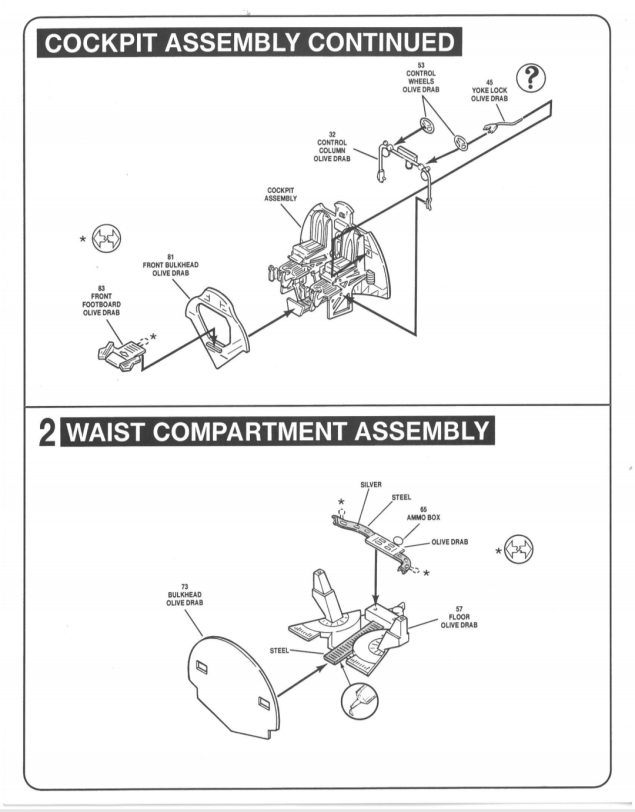
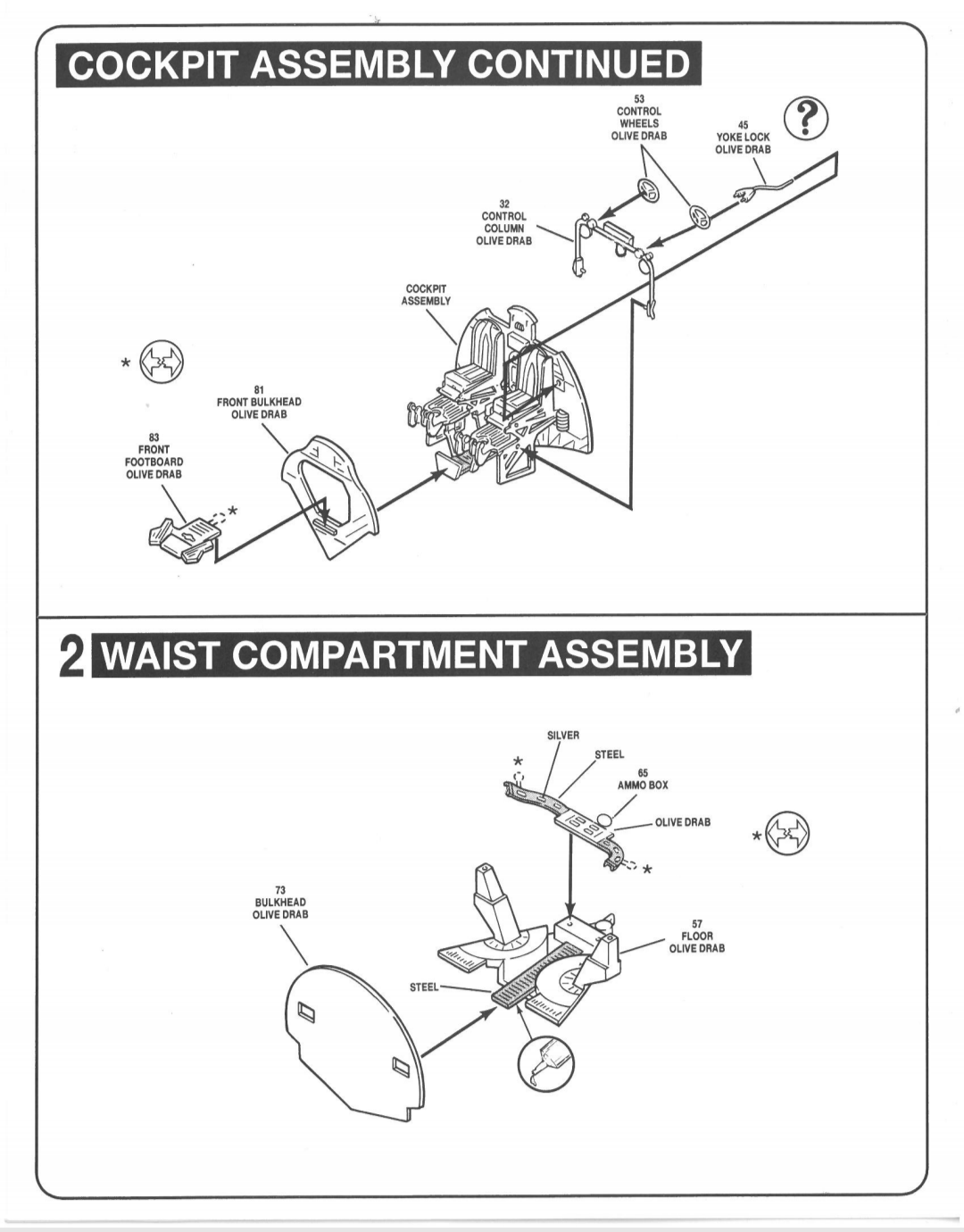
The instructions say olive drab for the control wheels.
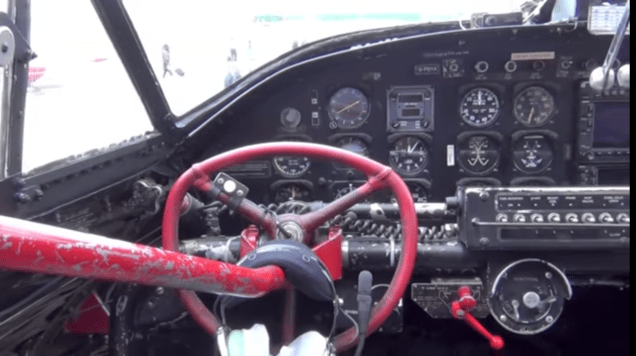
But the man in the video said red was the original color.
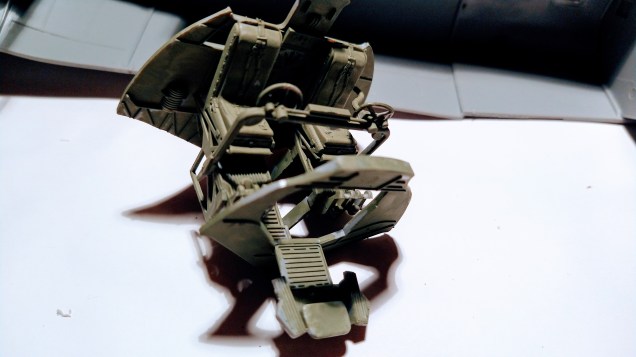
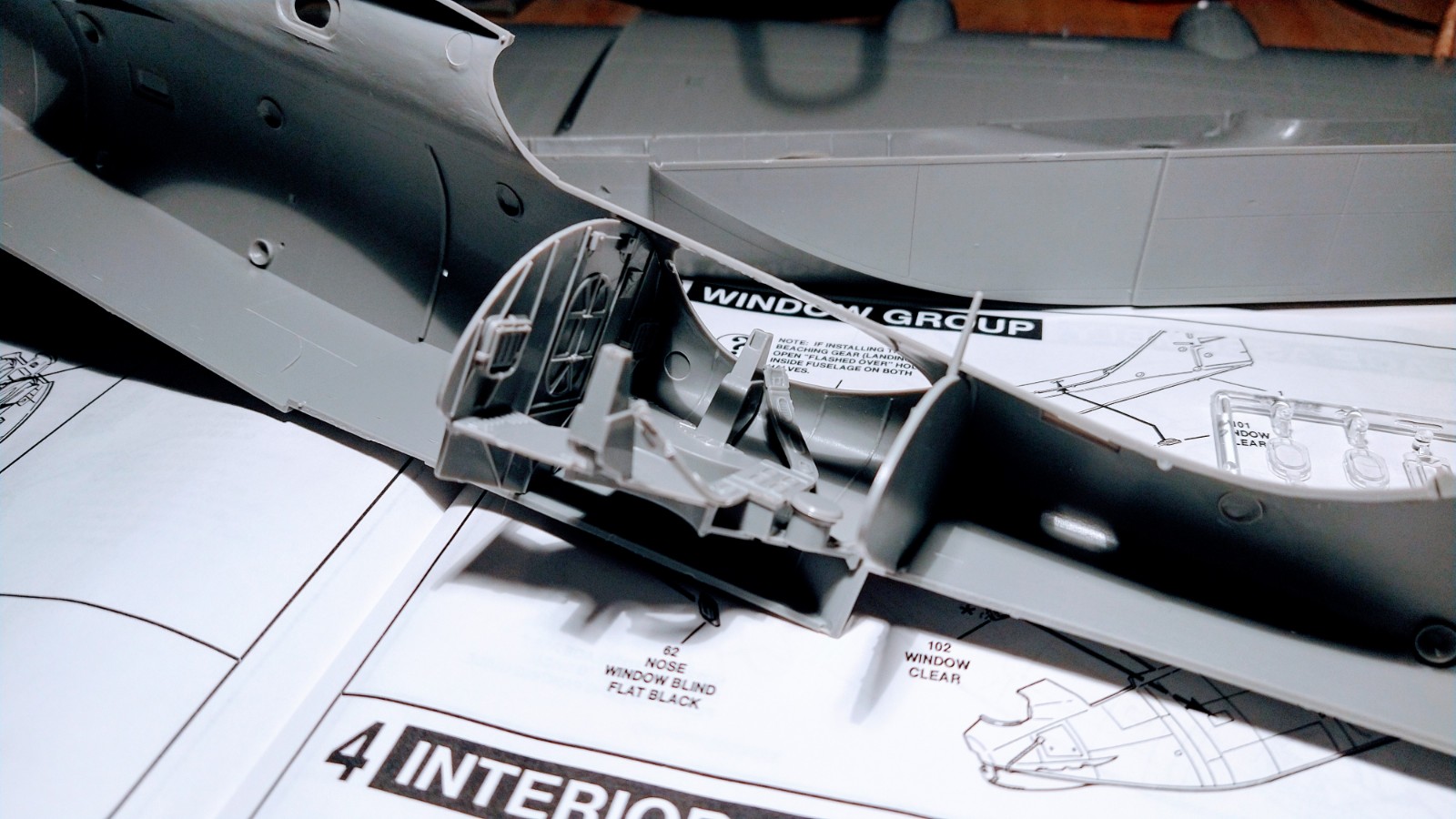
While I am pondering how to paint the control wheels I did some dry fitting.

This step of mating the fuselage halves can make it or break it what you are building.The fit looks fine except for aft section.
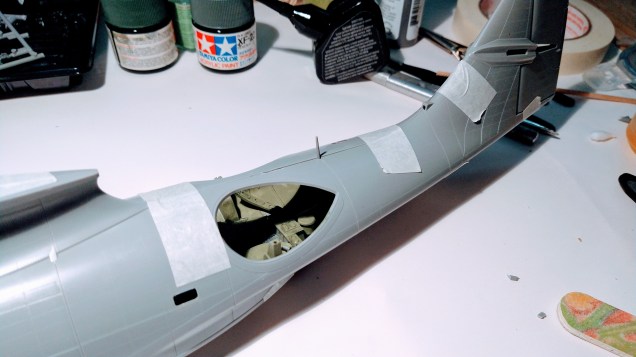
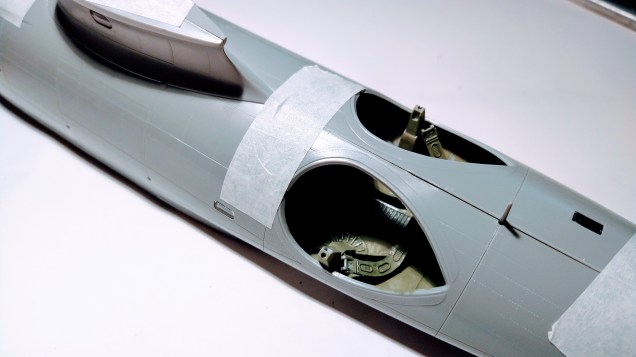
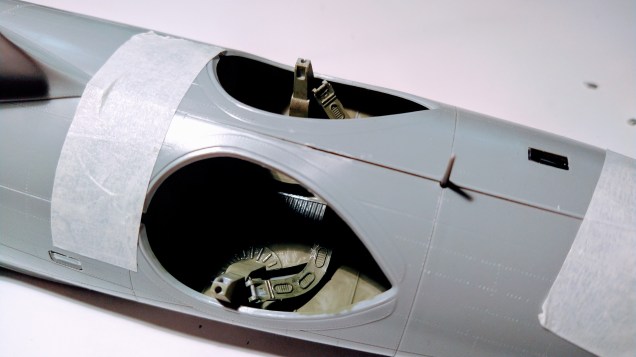
I know mating the fuselage halves will require to glue them in sections starting with the bow.
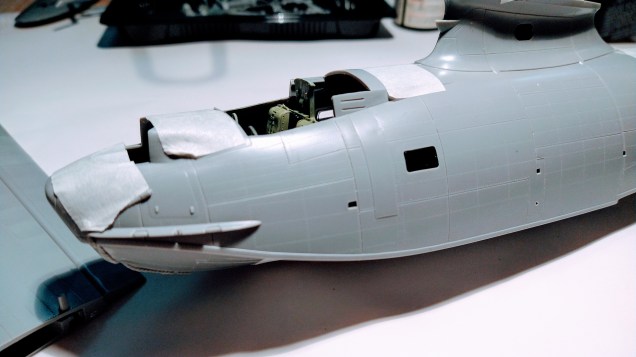

But I am not there yet having to decide how to paint the control wheels and the cockpit details.
Spoiler
Control wheels and cockpit details painted and this was finally glued in place…
I am always a few steps ahead on My Forgotten Hobby III. Of course I will be painting the cockpit assembly before glueing it. In fact I did it yesterday with homemade interior green.

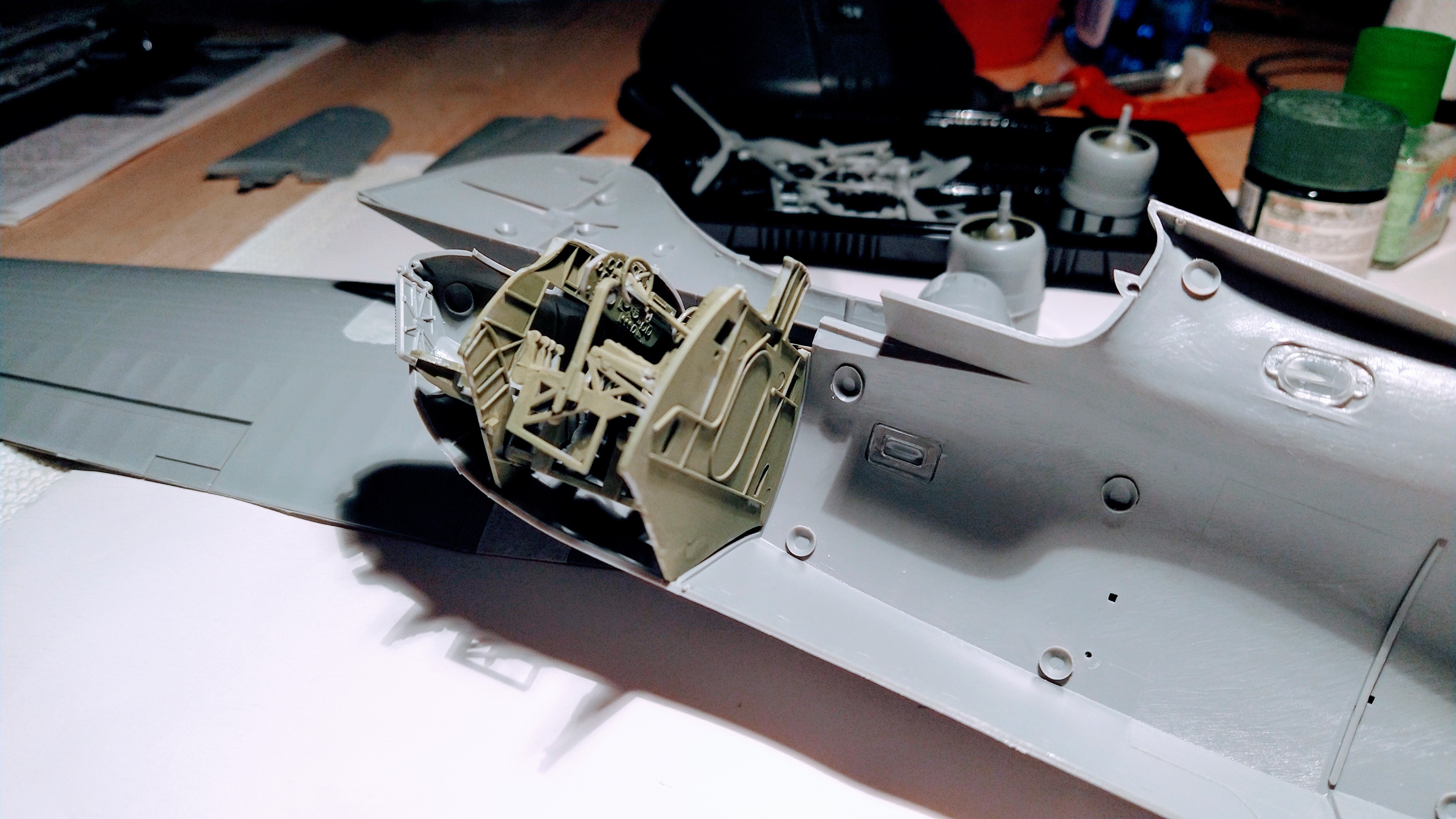
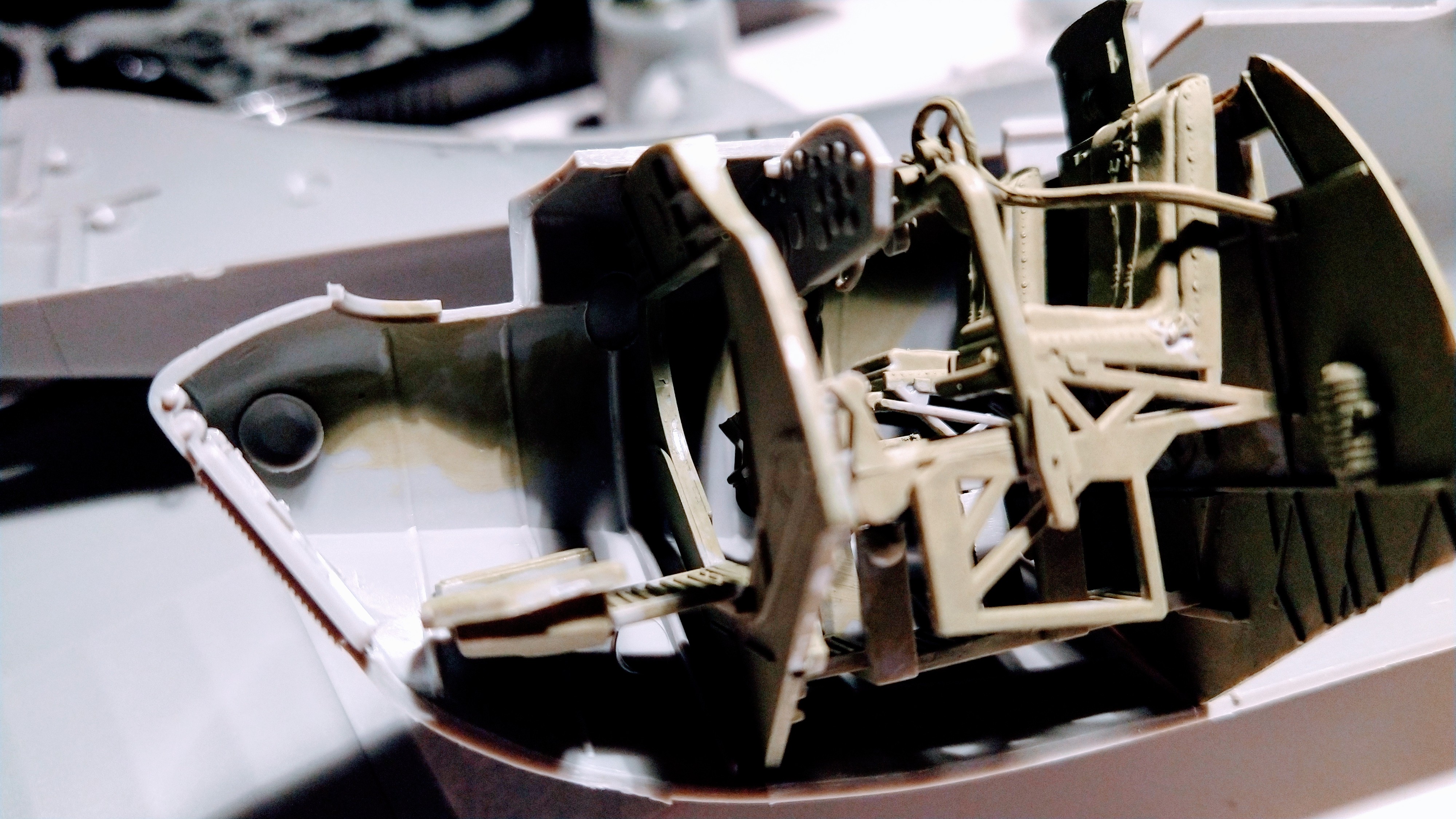
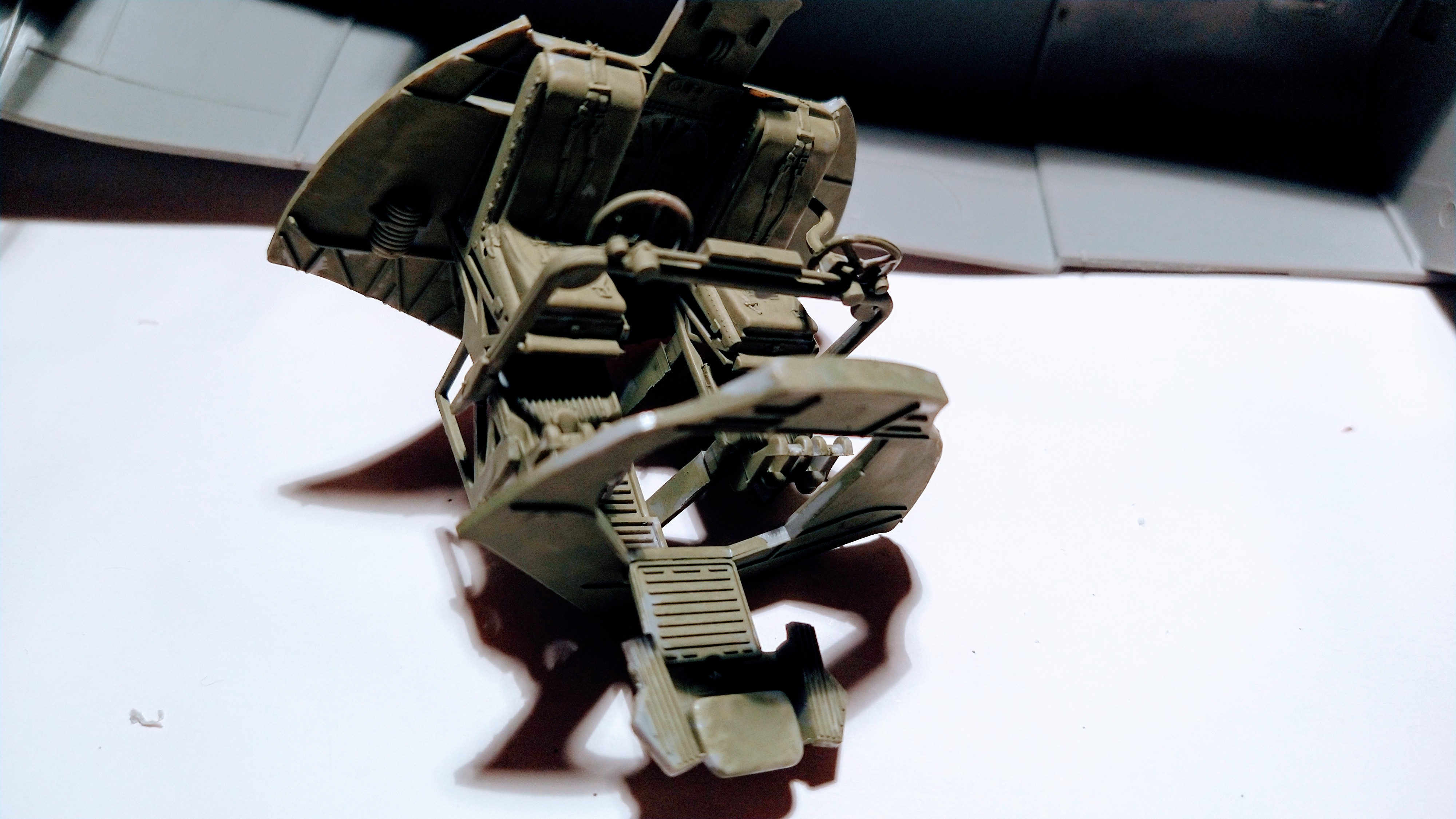
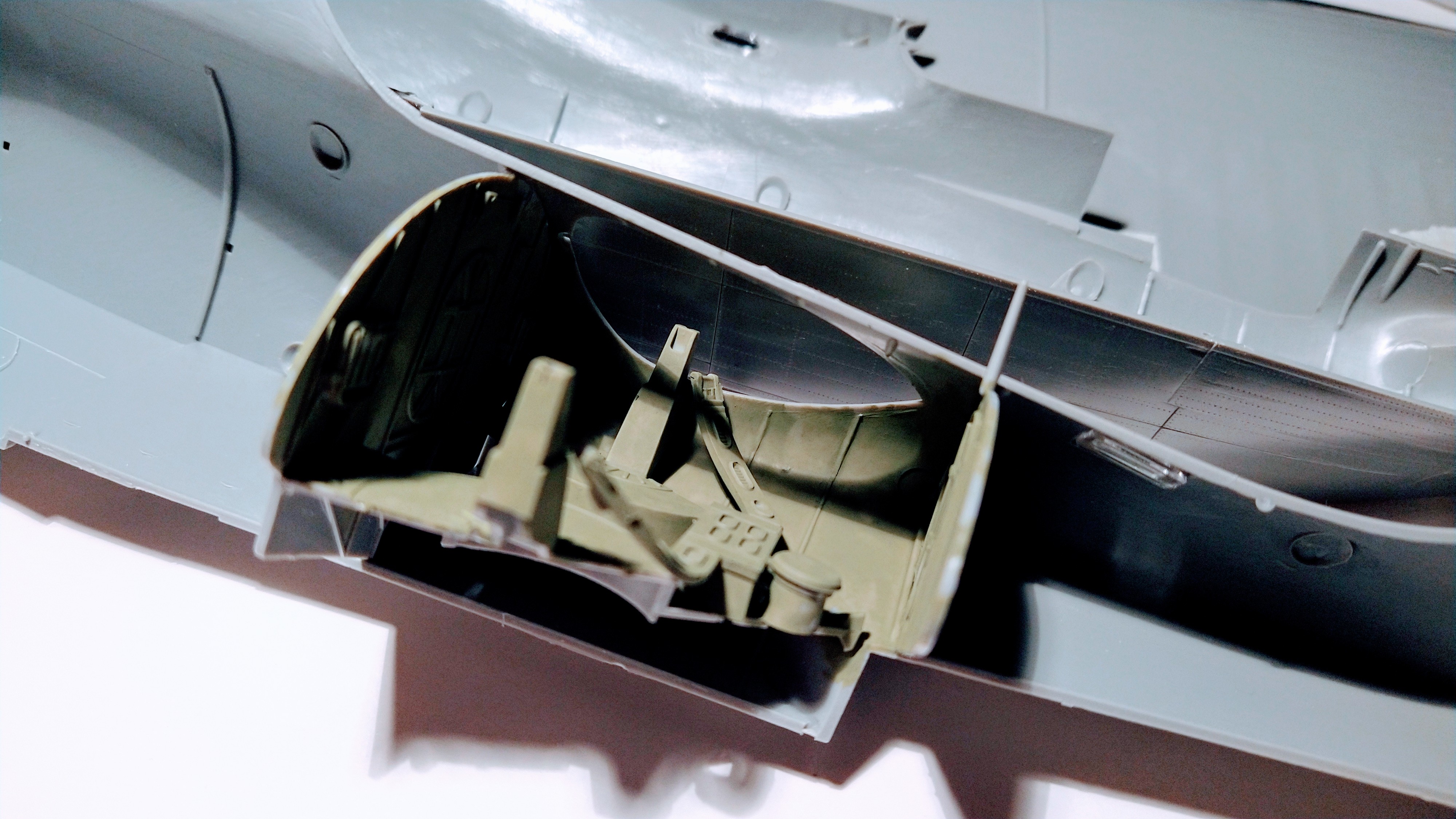
Step 2 is already completed and glued, but you already know that if you are following this blog.
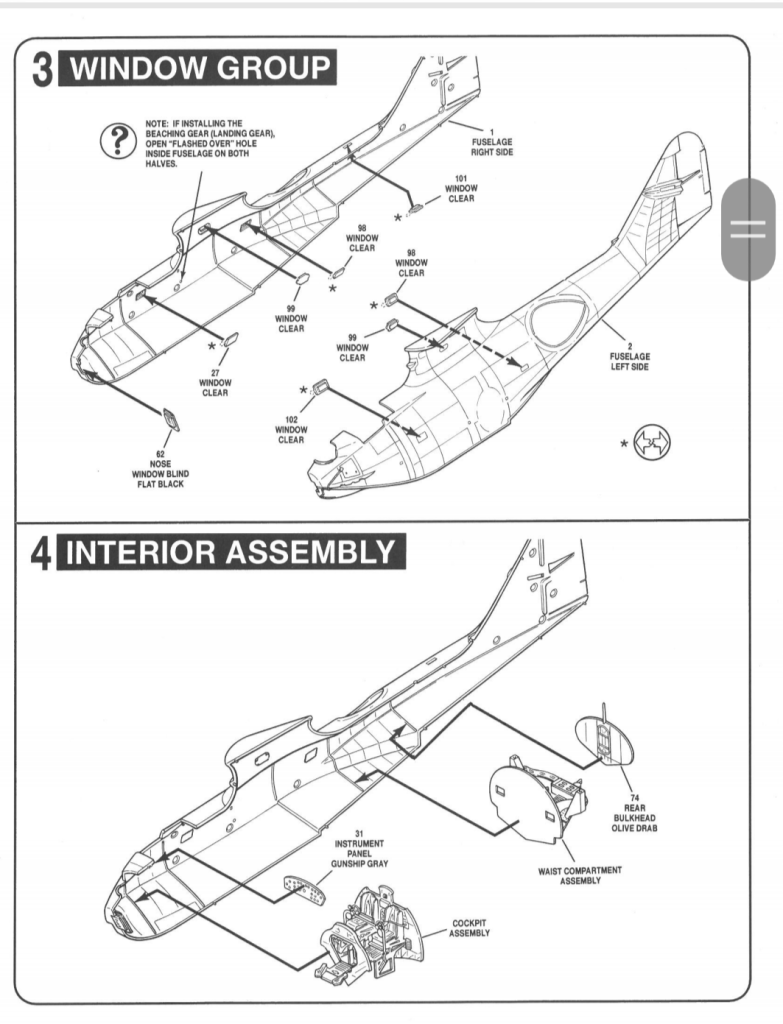
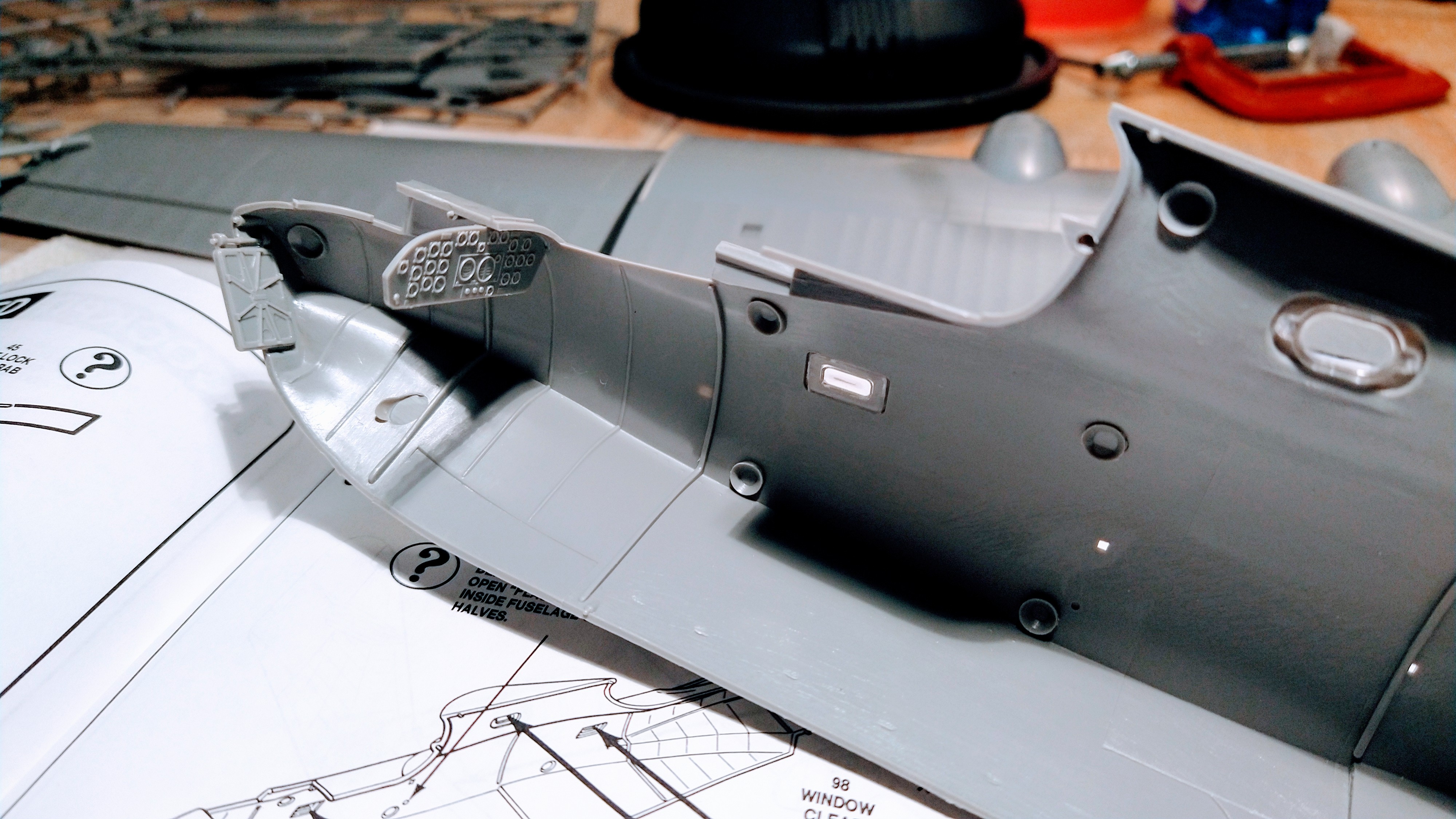
Step 3 is also done. I had to be careful because windows are not all identical.
I then glued these two parts.

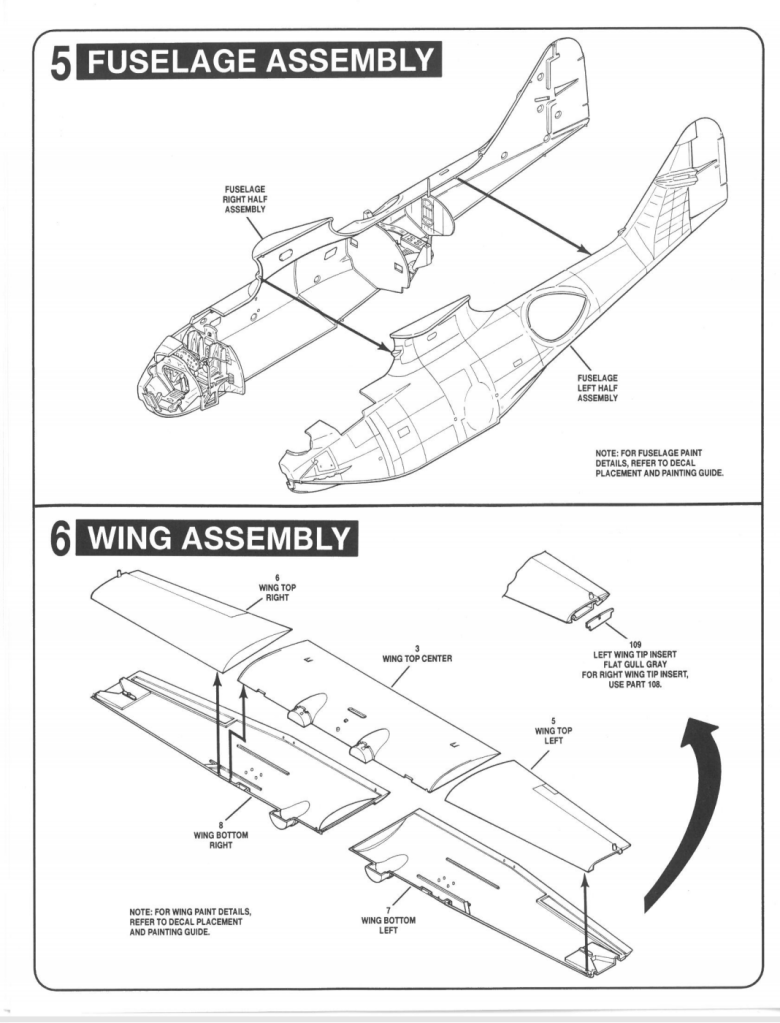
The wings were glued after checking the alignment several times.

Then came the engines, the tires and the pontoons.
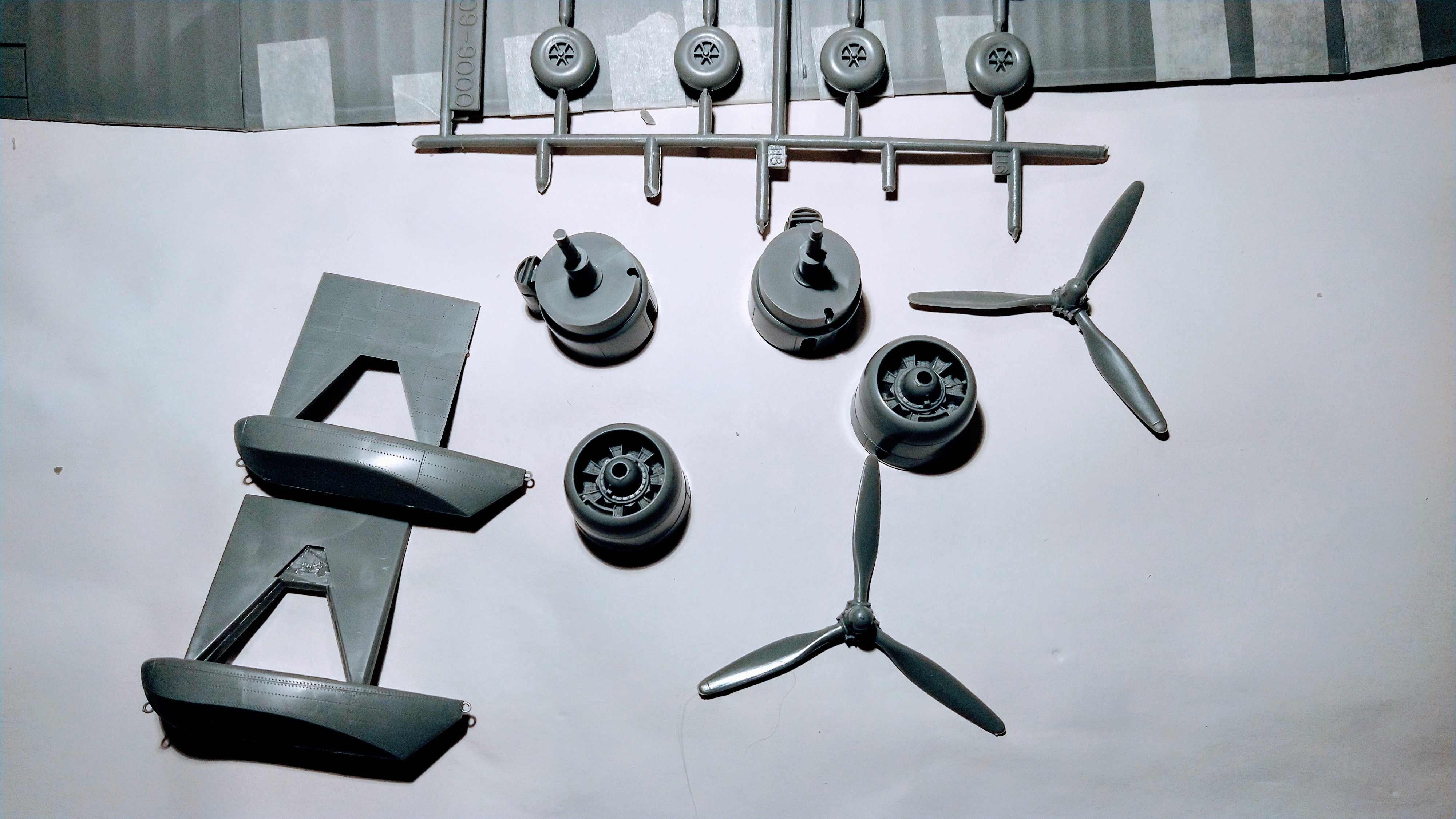
Step 5 will have to wait.
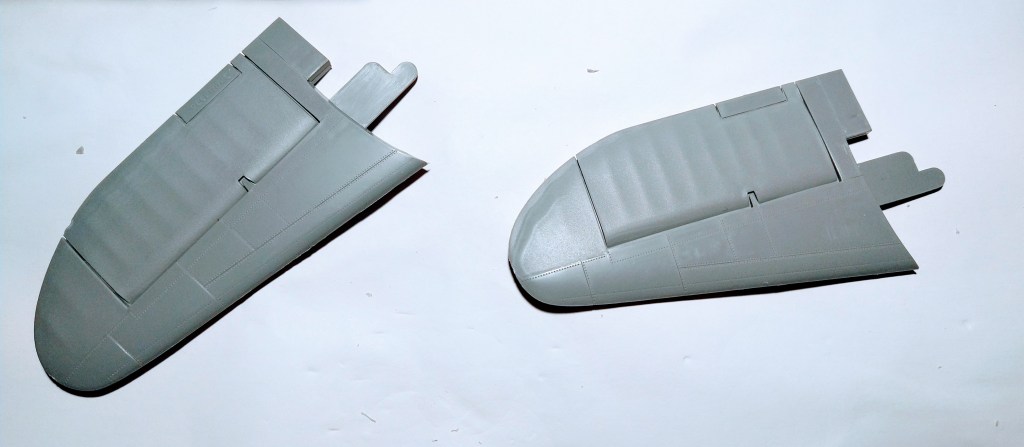
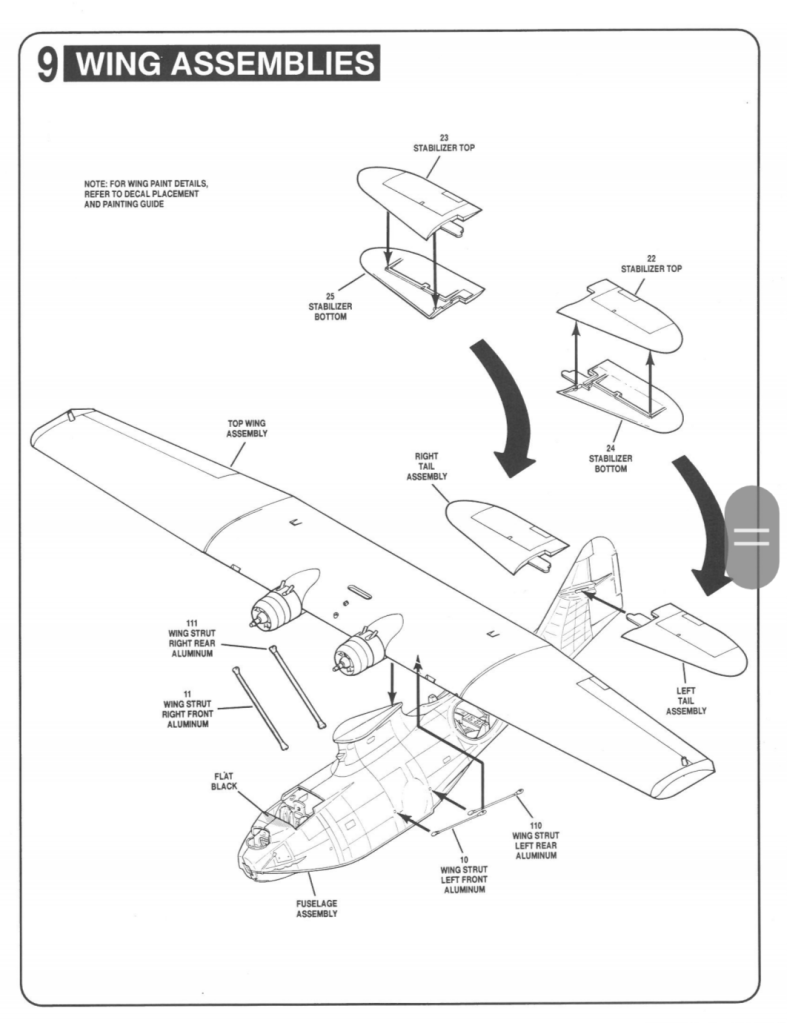
The stabilizers were glued, but the wings will have to wait before I glue them onto the fuselage.
Next time I hope to complete painting the cockpit.

It’s easy to get overwhelmed when you first open the box.
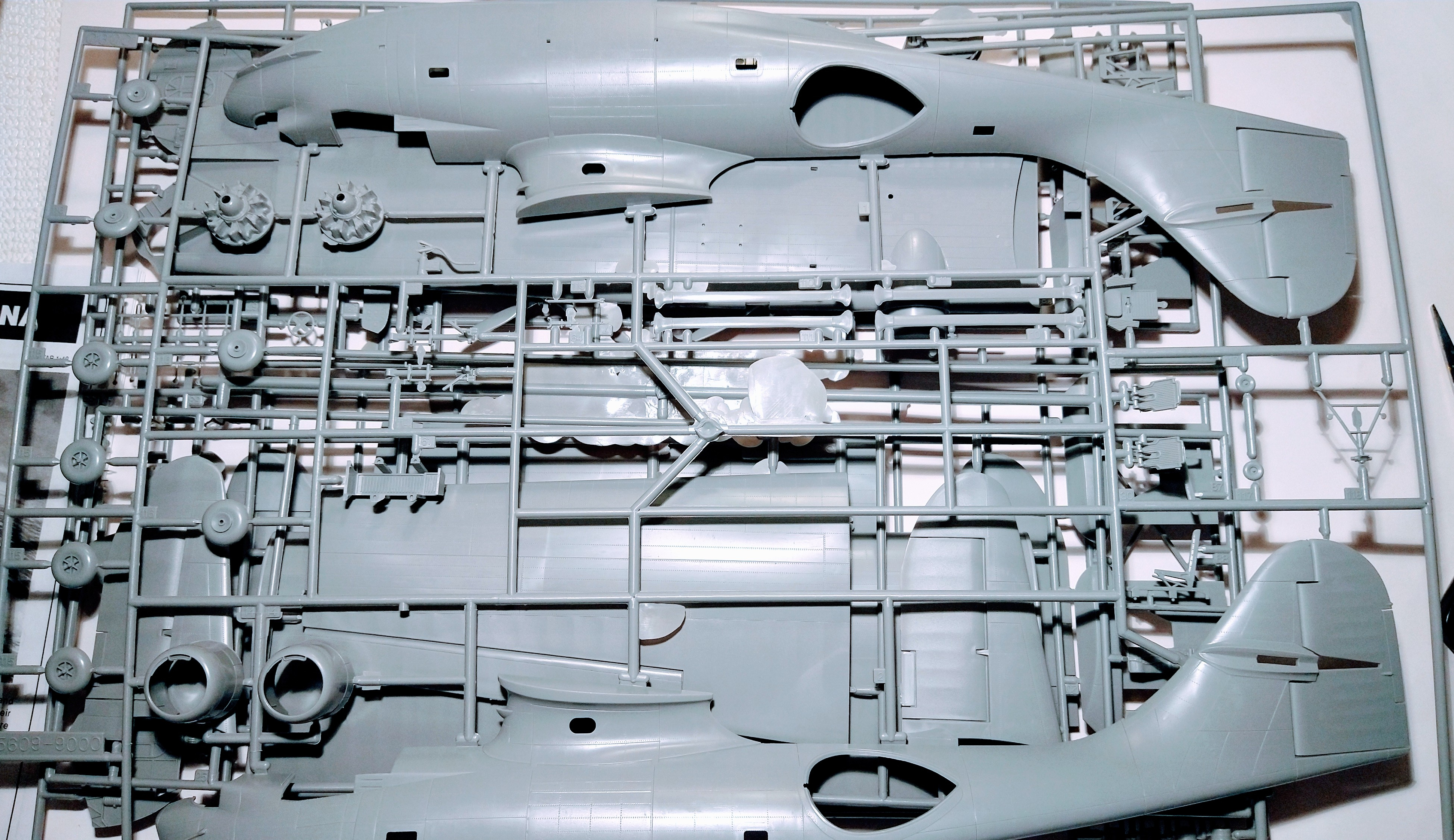
Sometimes you want to put everything back and wait another 25 years, but then you start adding 25 to 72 and realise you would be 97 years old. That’s enough incentive to start Step 1.
So Step 1 it is, without forgetting to read the instructions… 90-88-72.


With the He 111 looking on, I assembled the seats after reading the instructions once more. I thought I had been very careful. However I managed to invert these two parts… 88 with 89.
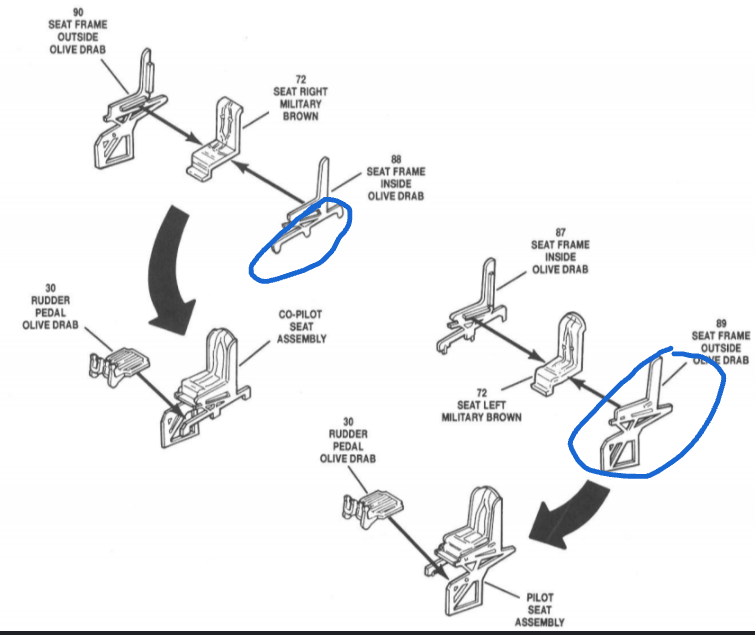
It was easily corrected because the glue had not set yet.

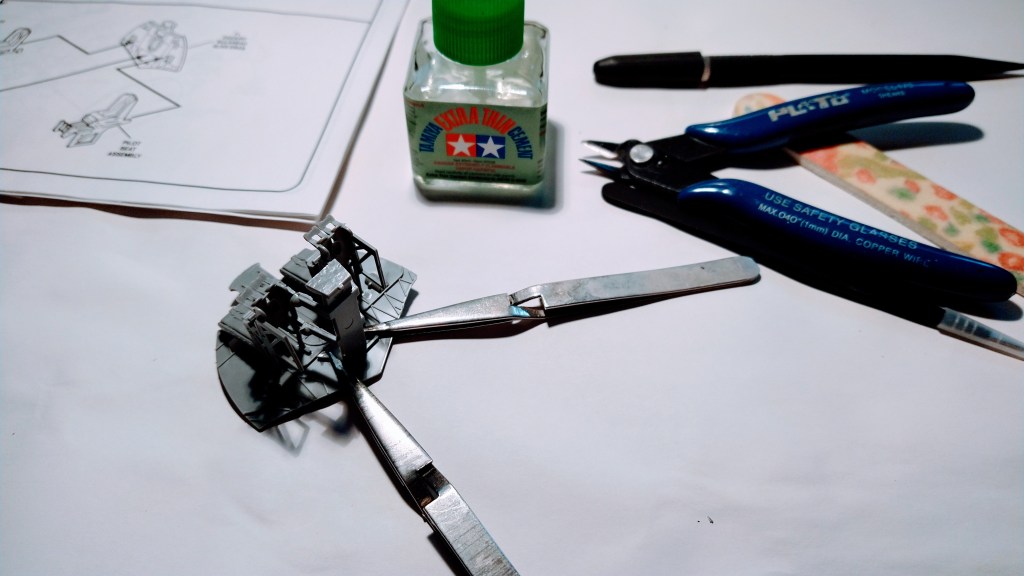
Then came assembling the cockpit bulkhead to the seats and the cockpit floor where tweezers came in handy.

I managed to goof up with this next step by glueing the control wheels in the wrong place. I could not figure out where the yoke lock had to be glued.
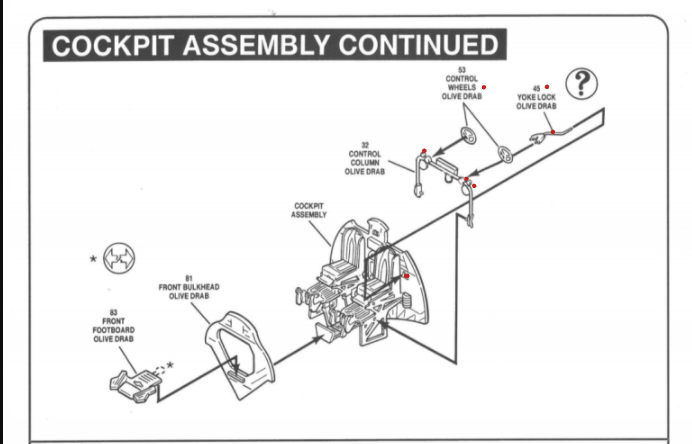
So I unglued the control wheels…
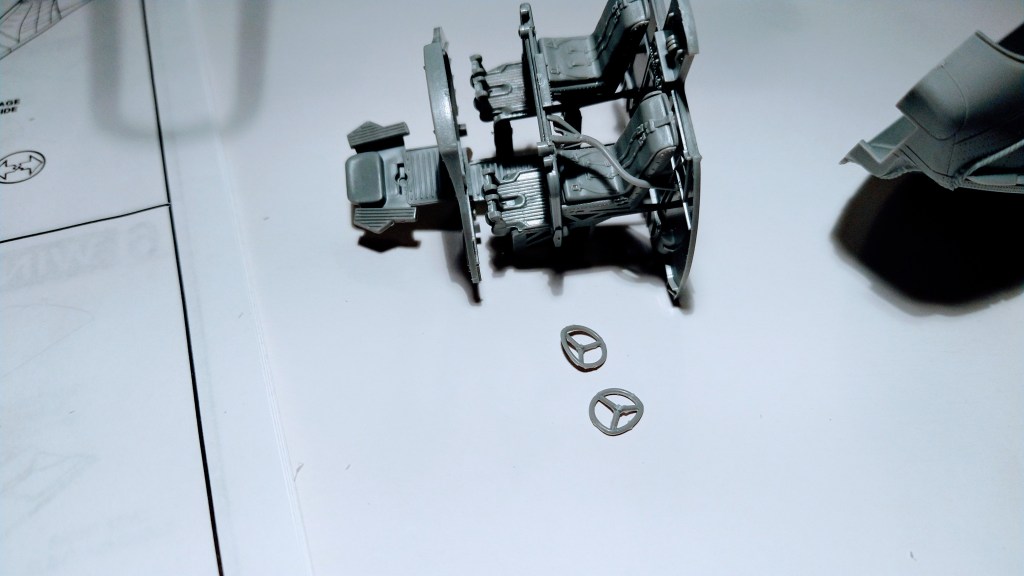
Then glued them back.

I thought the yoke lock must have been in the way of the pilot but that was what the instructions had said…

Then I got thinking…and I searched some YouTube videos.


Before…
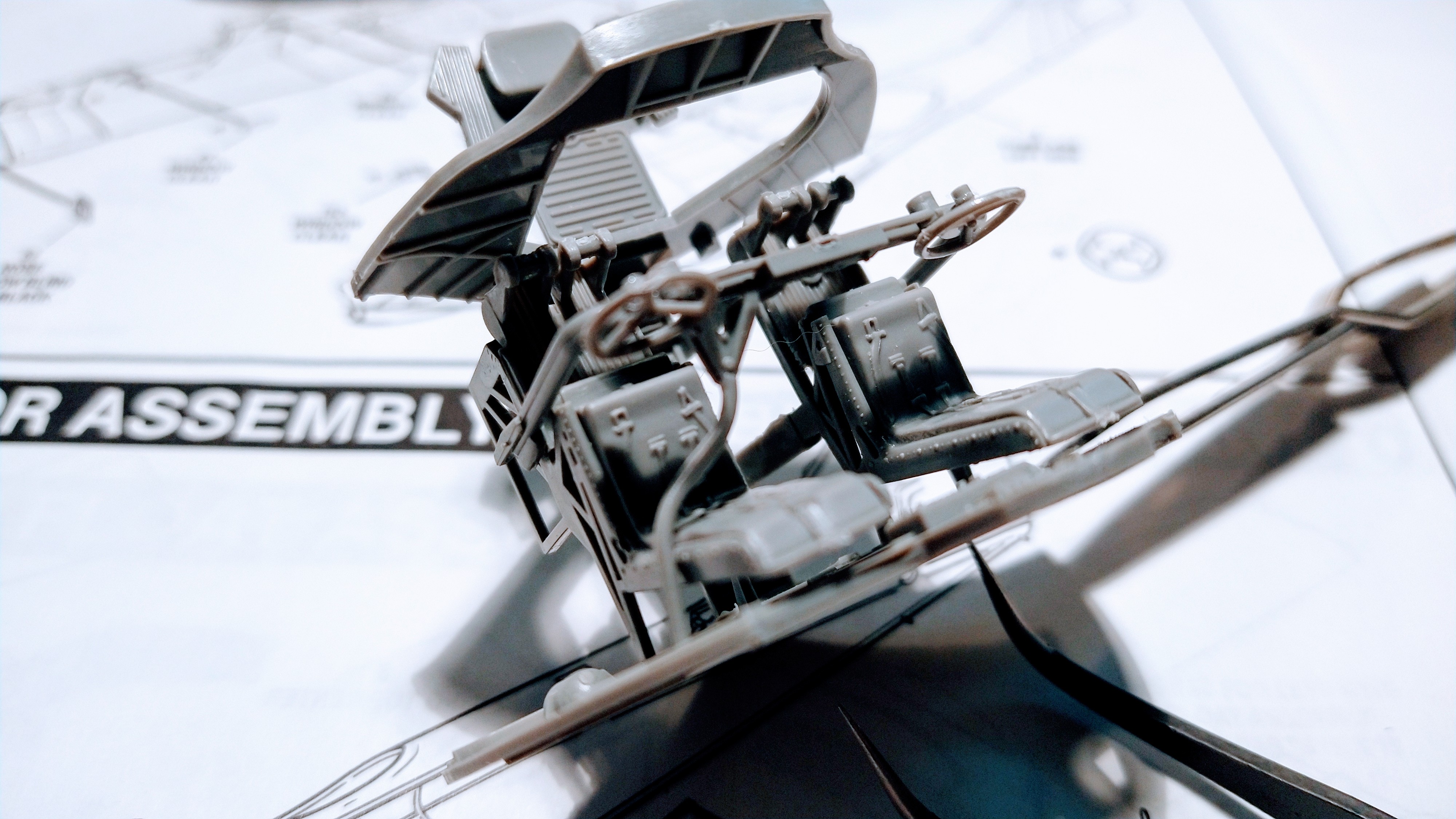
After…
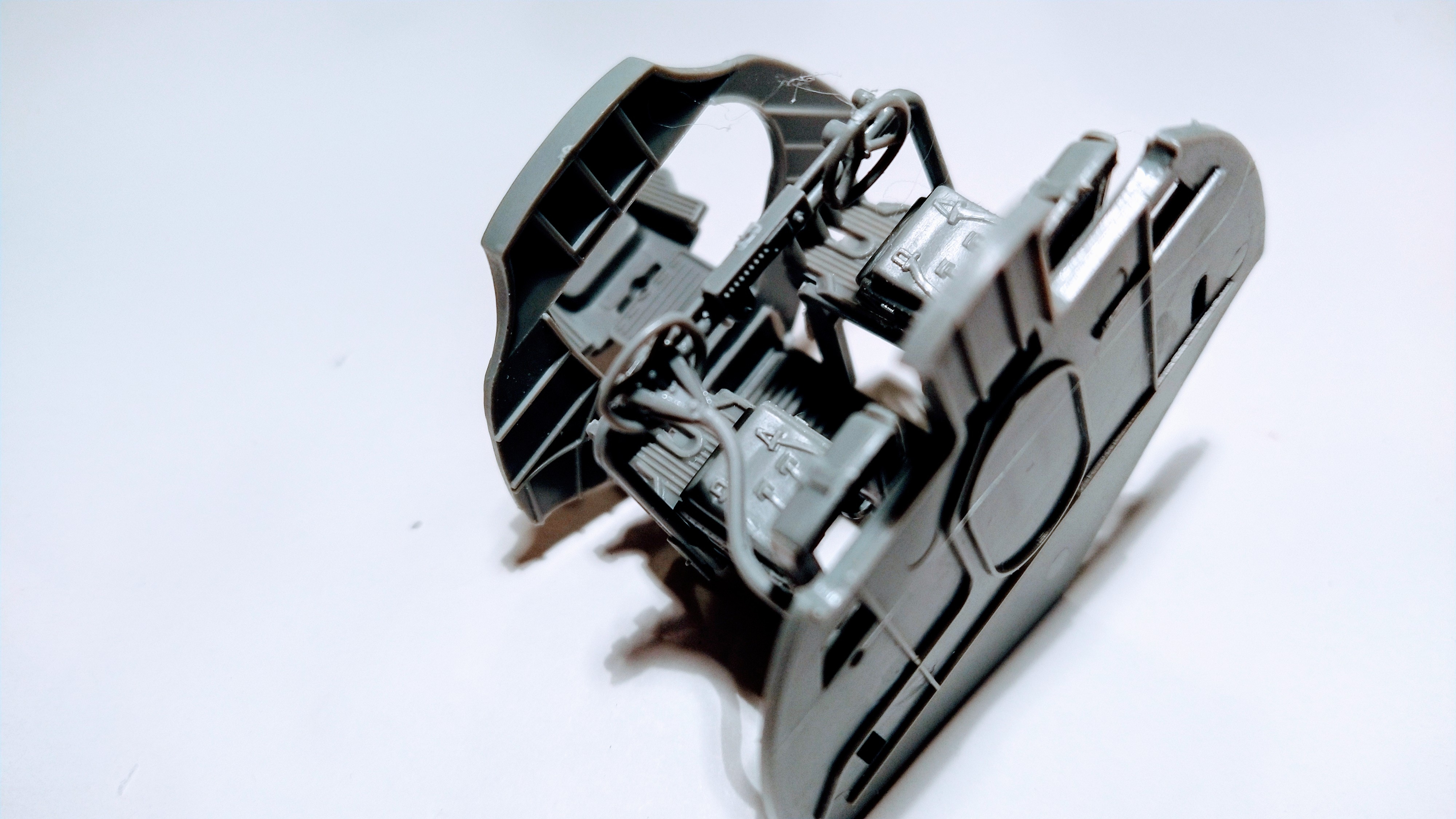
Now it is time to decide if I should be painting the cockpit assembly first or glueing it in place.
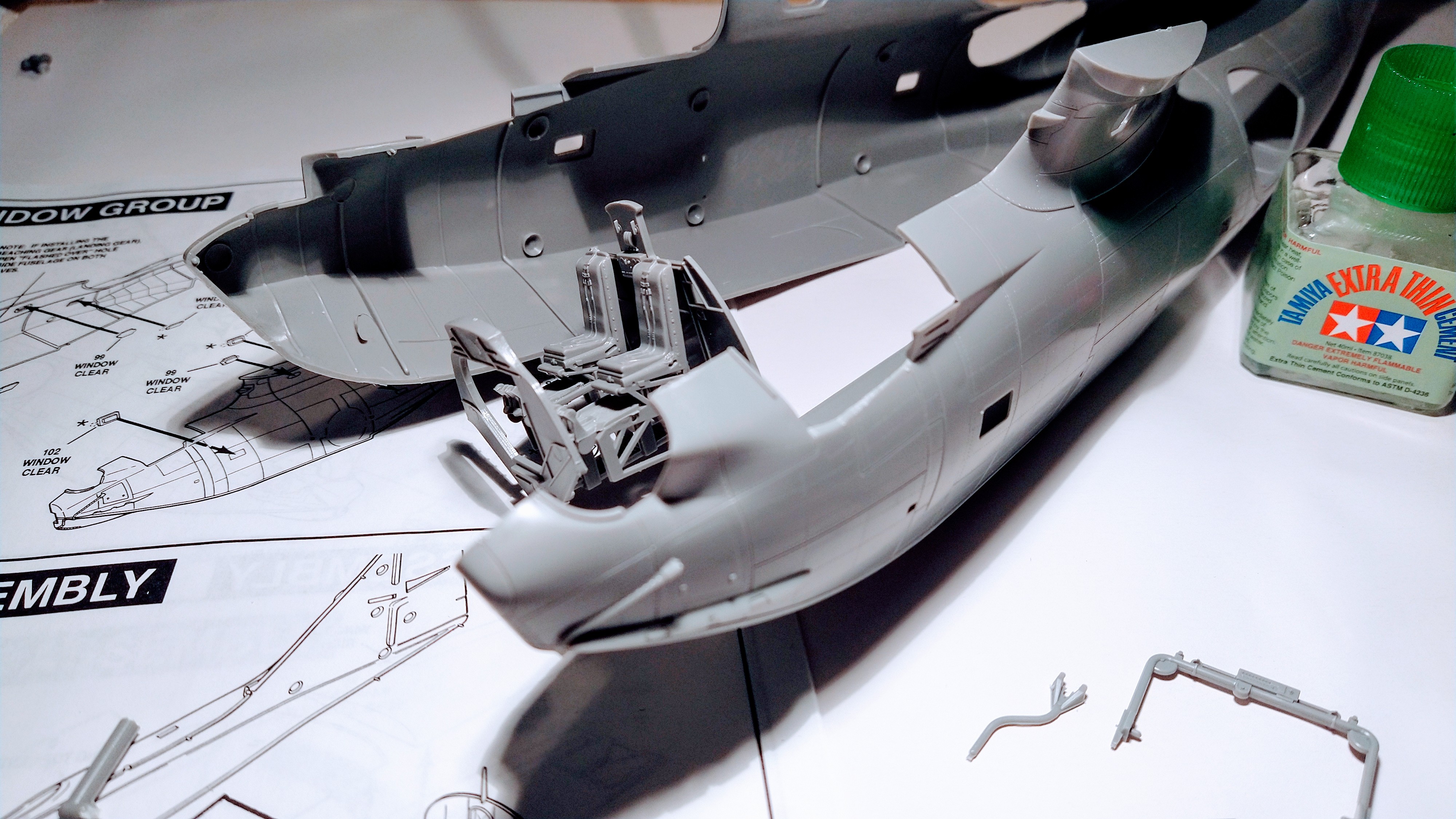
I have already glued the waist assembly, and I have second thoughts…
What would you do? To paint or not to paint the cockpit assembly before installing it?

Leave a comment in the comment section below.
I have been putting this off long enough… like about 25 years.
I probably bought it in the late 90s since Monogram’s instruction booklet says 1996.
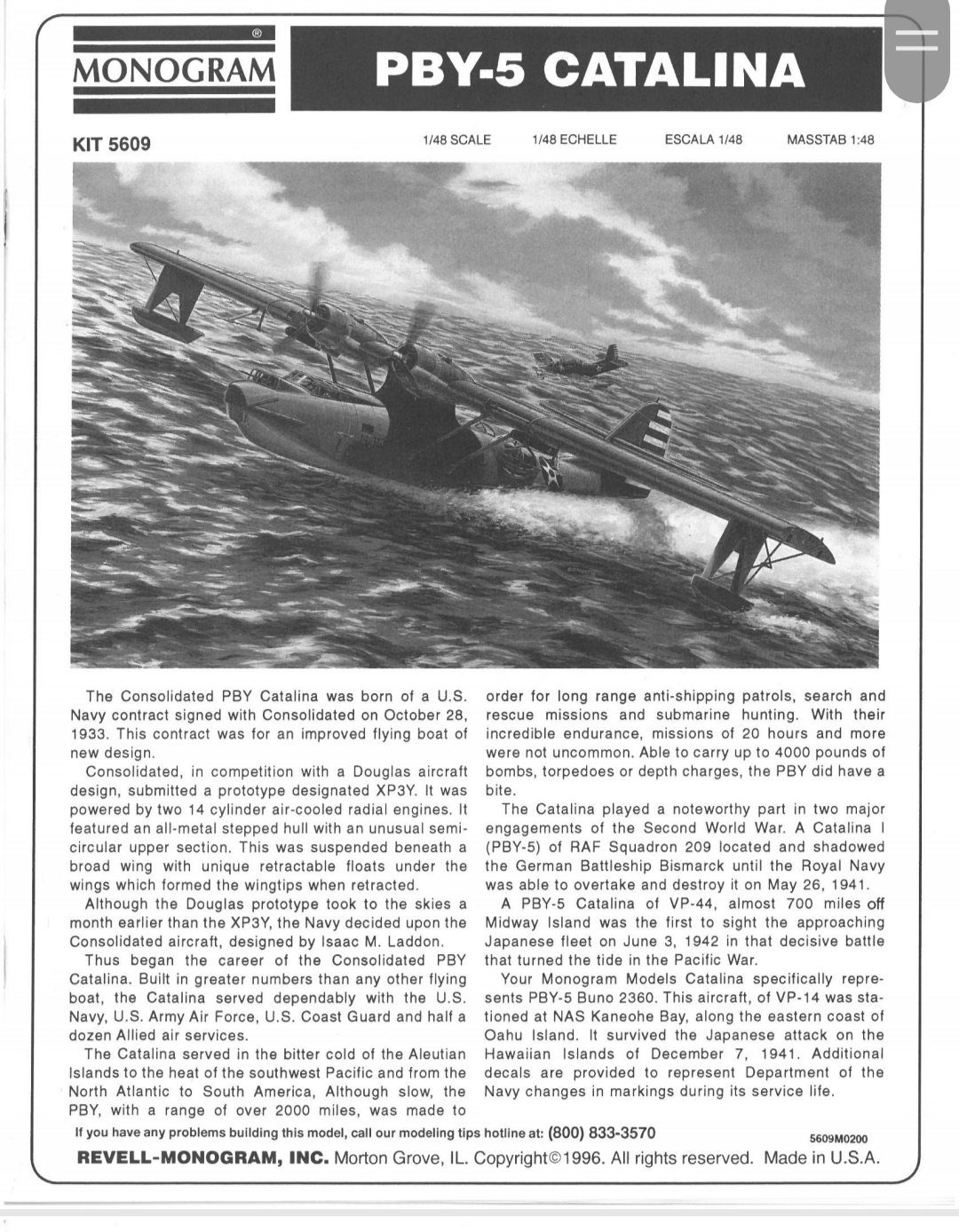
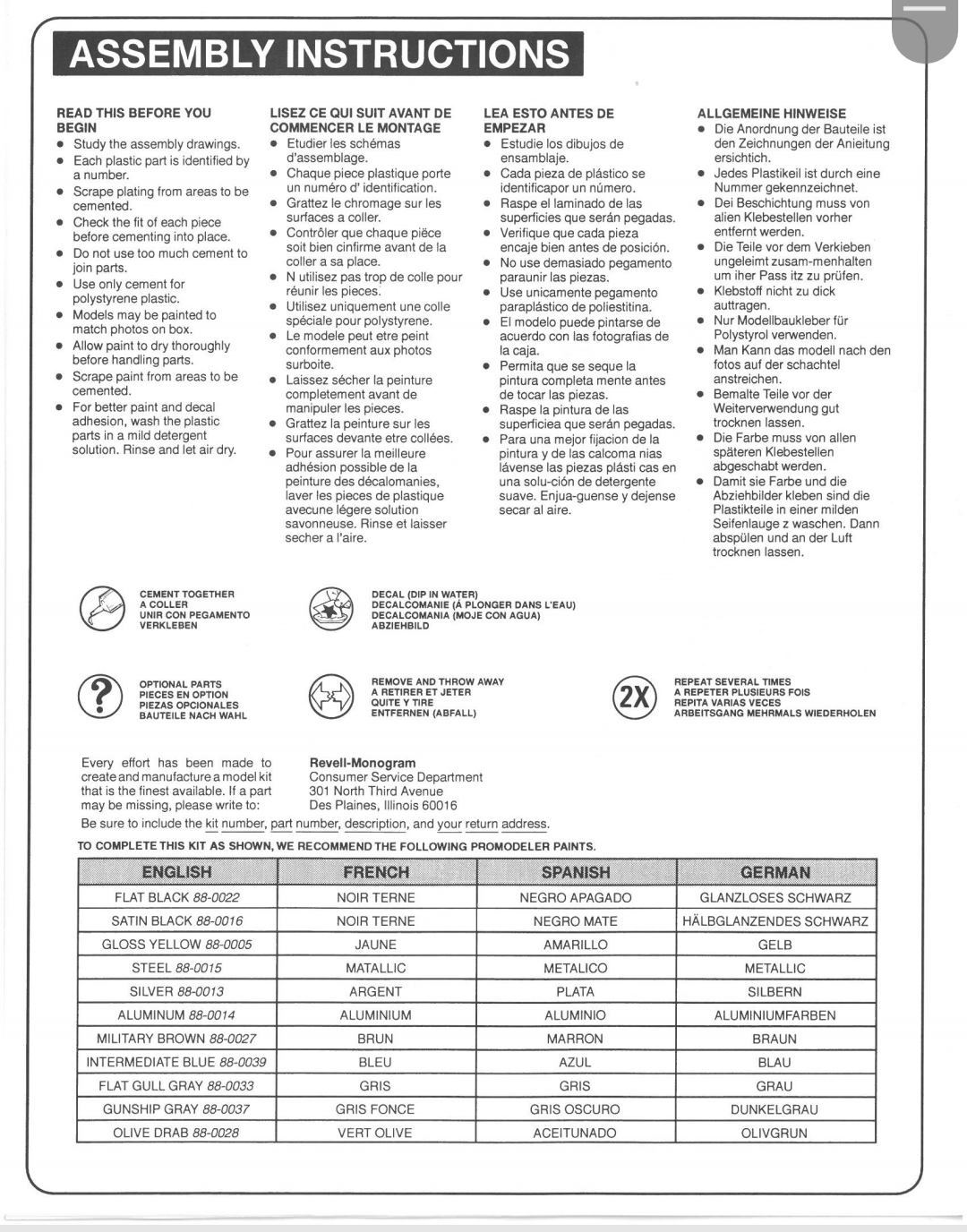
I always have to find a reason to start building a model kit.

This time, learning about Air Commodore Leonard Birchall from a reader who had met him personally, and then reading more about him after, was the deciding factor.
Read on…
At 1600 hours on 4 April, Birchall and his crew sighted the First Air Fleet 360 miles from Dondra Head, the southernmost point in Ceylon, bearing 155 degrees from Ceylon. As noted earlier, they had just arrived in Ceylon on 2 April. They were given 24 hours to rest after their 10-day trip from Sullom Voe, but then, before being given any opportunity to familiarize themselves with their new operational area, they were ordered to join the search for Nagumo. They took off from Lake Koggala, the Catalina base on the south coast of Ceylon, before dawn on 4 April, and they were scheduled to return after dawn on 5 April.
Birchall arrived in his patrol area just as the sun rose. Hour after hour, the Catalina flew 150 mile-long east-west lines, spaced 50 miles apart, at an altitude of 2000 feet over the water. While they were flying the last assigned leg, Birchall’s navigator, Warrant Officer Onyette, the only other Canadian aboard, pointed out that if they flew an extra leg, he could confirm their actual position by using the moon, which was then rising. Since they were required to remain airborne until after dawn the next day in any case, Birchall agreed.
Birchall’s crew had been assigned the southernmost search sector. And just as they were completing this extra leg and were at the southernmost point in their search, ships appeared on the southern horizon. If the Japanese had been any further to the south, or if the Catalina crew had not flown the extra leg, they almost certainly would have escaped detection until their aircraft arrived over Colombo the next morning. What follows is Leonard Birchall’s own account of what happened next:
“As we got close enough to identify the lead ships we knew at once what we were into but the closer we got the more ships appeared and so it was necessary to keep going until we could count and identify them all. By the time we did this there was very little chance left.”
The Catalina was then attacked by up to 12 Zeros.
“All we could do was to put the nose down and go full out, about 150 knots. We immediately coded a message and started transmission … We were halfway through our required third transmission when a shell destroyed our wireless equipment and seriously injured the operator; we were now under constant attack. Shells set fire to our internal tanks. We managed to get the fire out and then another started, and the aircraft began to break up. Due to our low altitude it was impossible to bail out, but I got the aircraft down on the water before the tail fell off.”
Furthermore, after-market decals for his plane were still available on Aviaeology Website where most decals are out of stock.
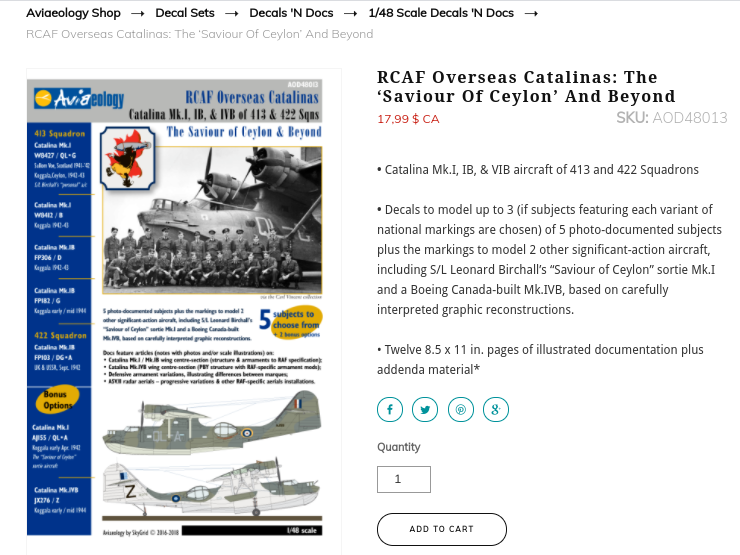
https://www.aviaeology.com/store/p145/AOD48013.html#/
Now without further ado…

Next time, let’s build, it’s never too late…
Of course I am not that cheap when it comes to start a new project especially this one. I bought some after-market decals on July 2 when I learned about the Saviour of Ceylon.

The link to the after-market decals is below…
https://www.aviaeology.com/store/p145/AOD48013.html#/
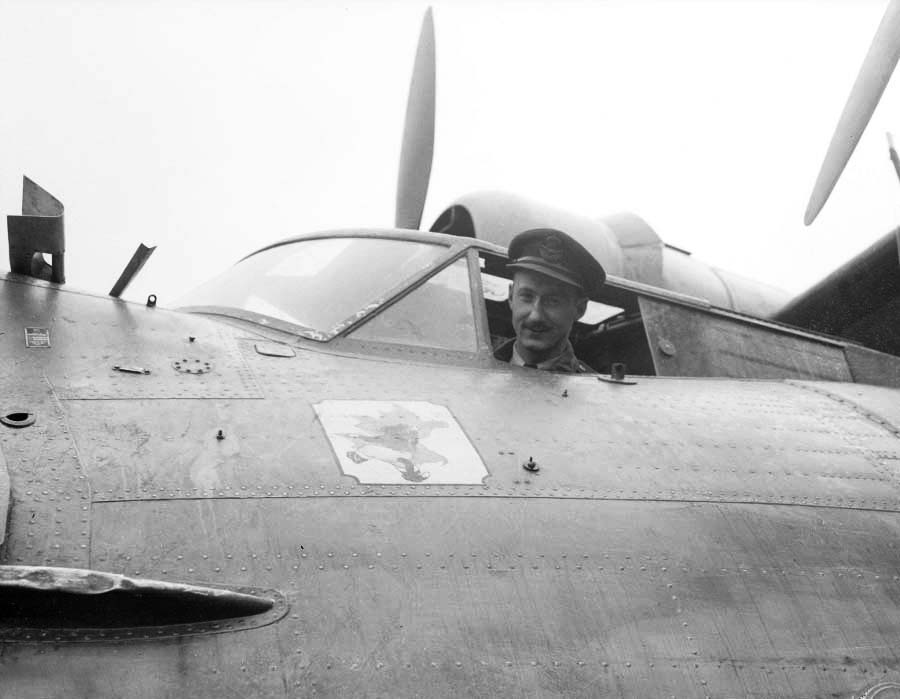
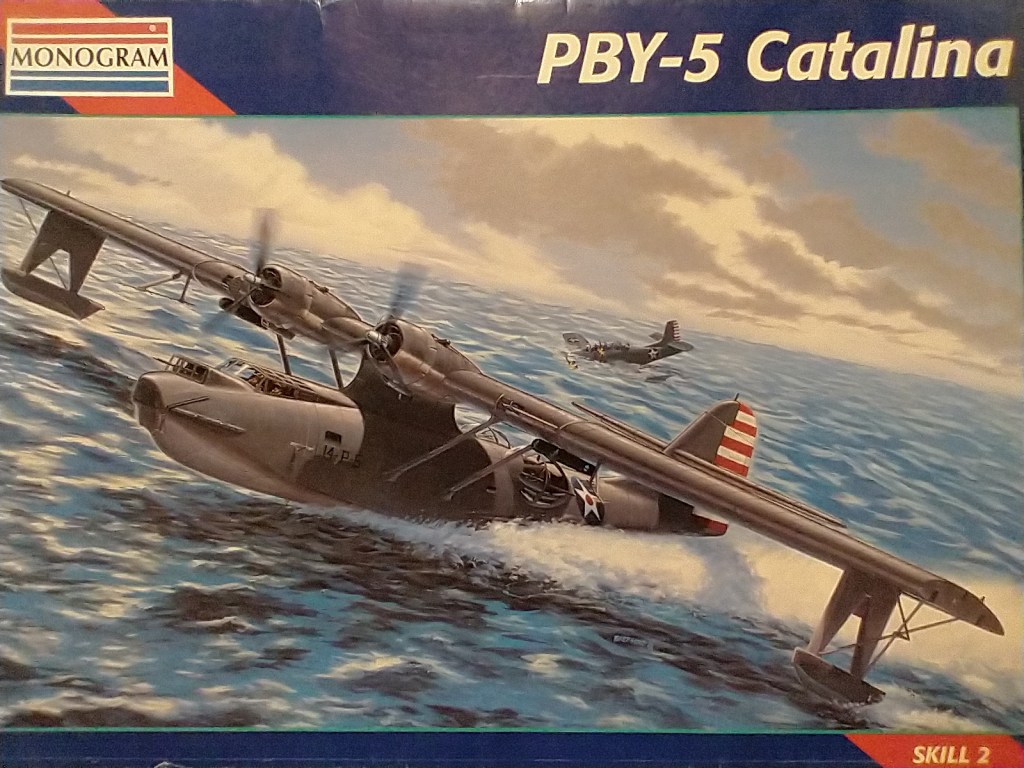
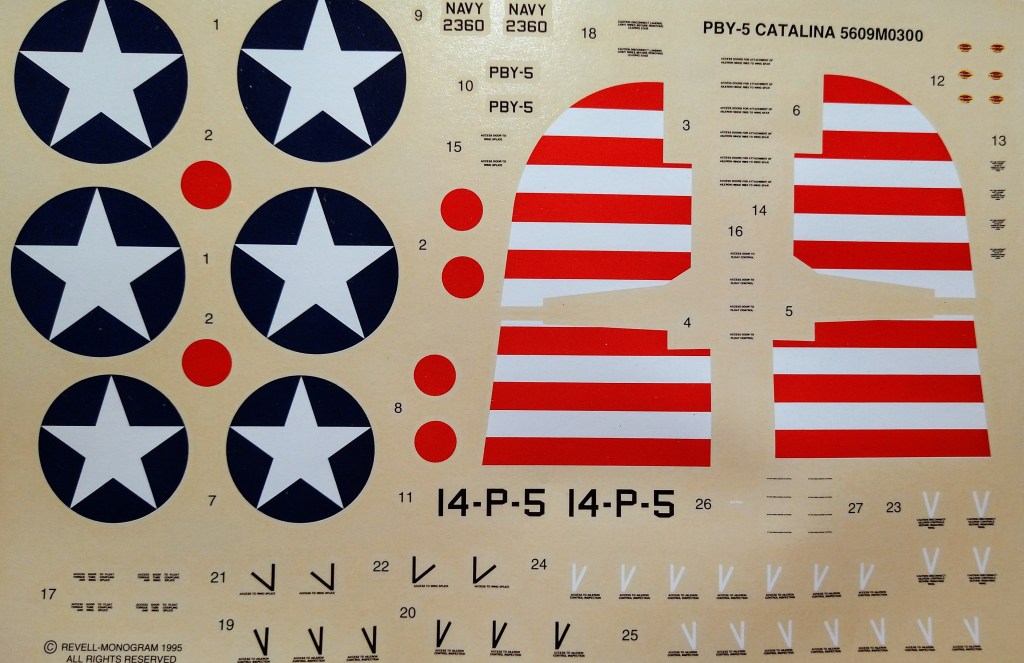
Finally I will build my Monogram PBY-5 but not with the original decals.
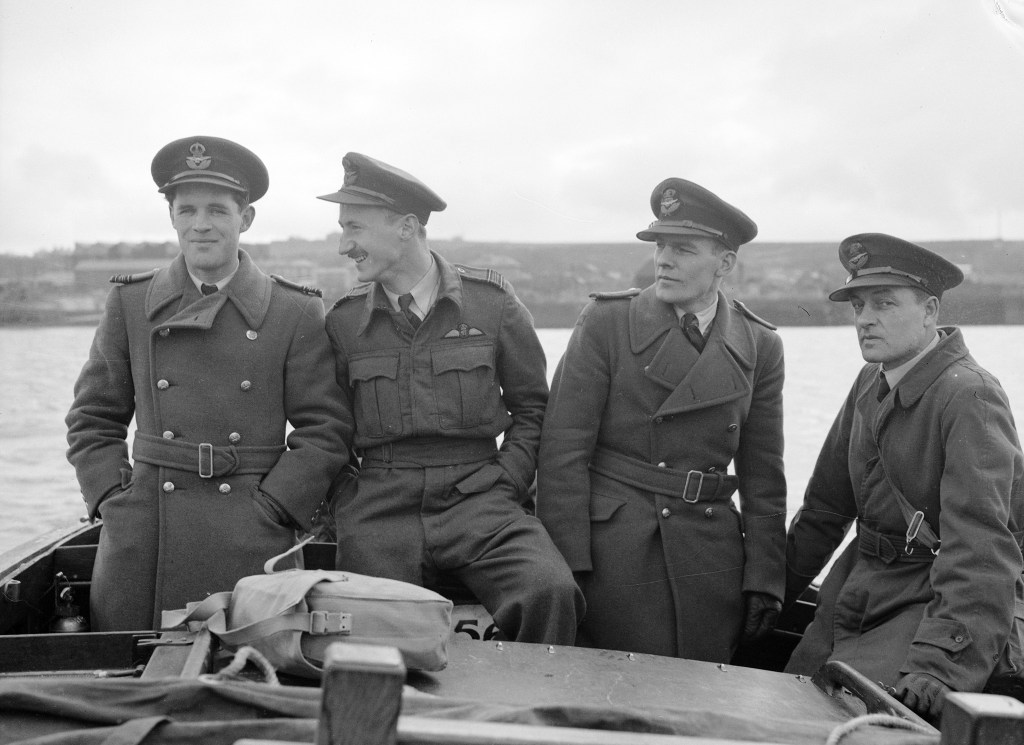
Mine will be a tribute to the Saviour of Ceylon who is seen below second from the left.
As always this will be a way to remember someone who must never be forgotten for his life accomplishments.
https://www.thecanadianencyclopedia.ca/en/article/leonard-birchall
Excerpt
Leonard Joseph (Birch) Birchall, CM, O Ont, air force pilot, war hero, educator (born 6 July 1915 in St. Catharines, ON; died 10 September 2004 in Kingston, ON).
During the Second World War, Birchall became known as the “Saviour of Ceylon” for alerting Allied forces of an approaching Japanese fleet. Captured after sending his message, he is also renowned for the courage and leadership he displayed while a prisoner of war.
To be continued…

Source of the above…
I had to wait before posting this on July 6 for a reason. The Saviour of Ceylon was born on July 6, 1915.
https://www.far-eastern-heroes.org.uk/Saviour_of_Ceylon/
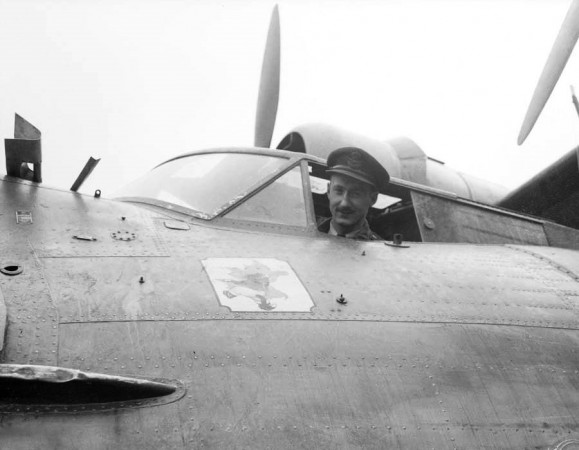
More information later about the Saviour of Ceylon…
Of course you can always Google that and get a headstart.
https://en.m.wikipedia.org/wiki/Leonard_Birchall
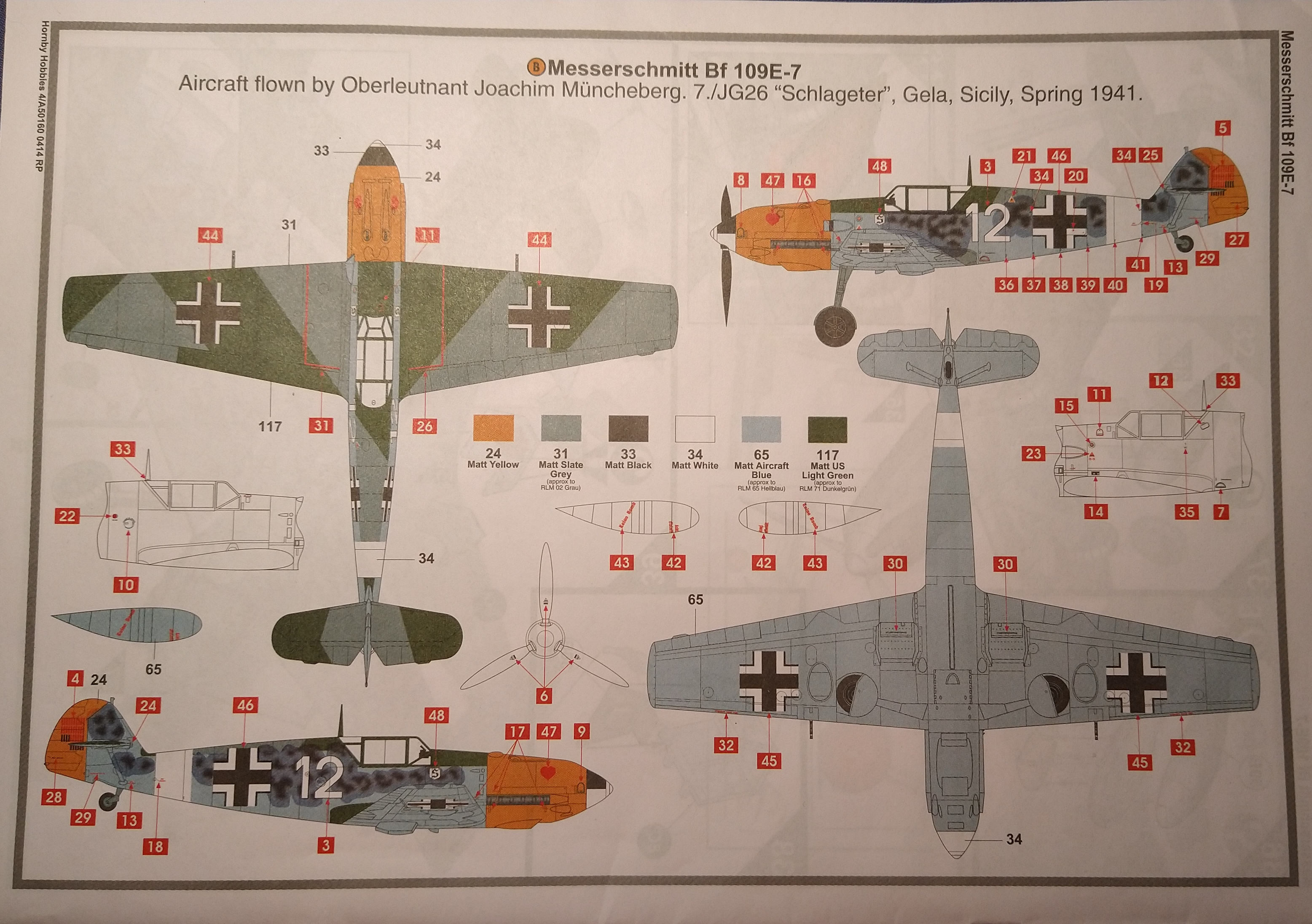
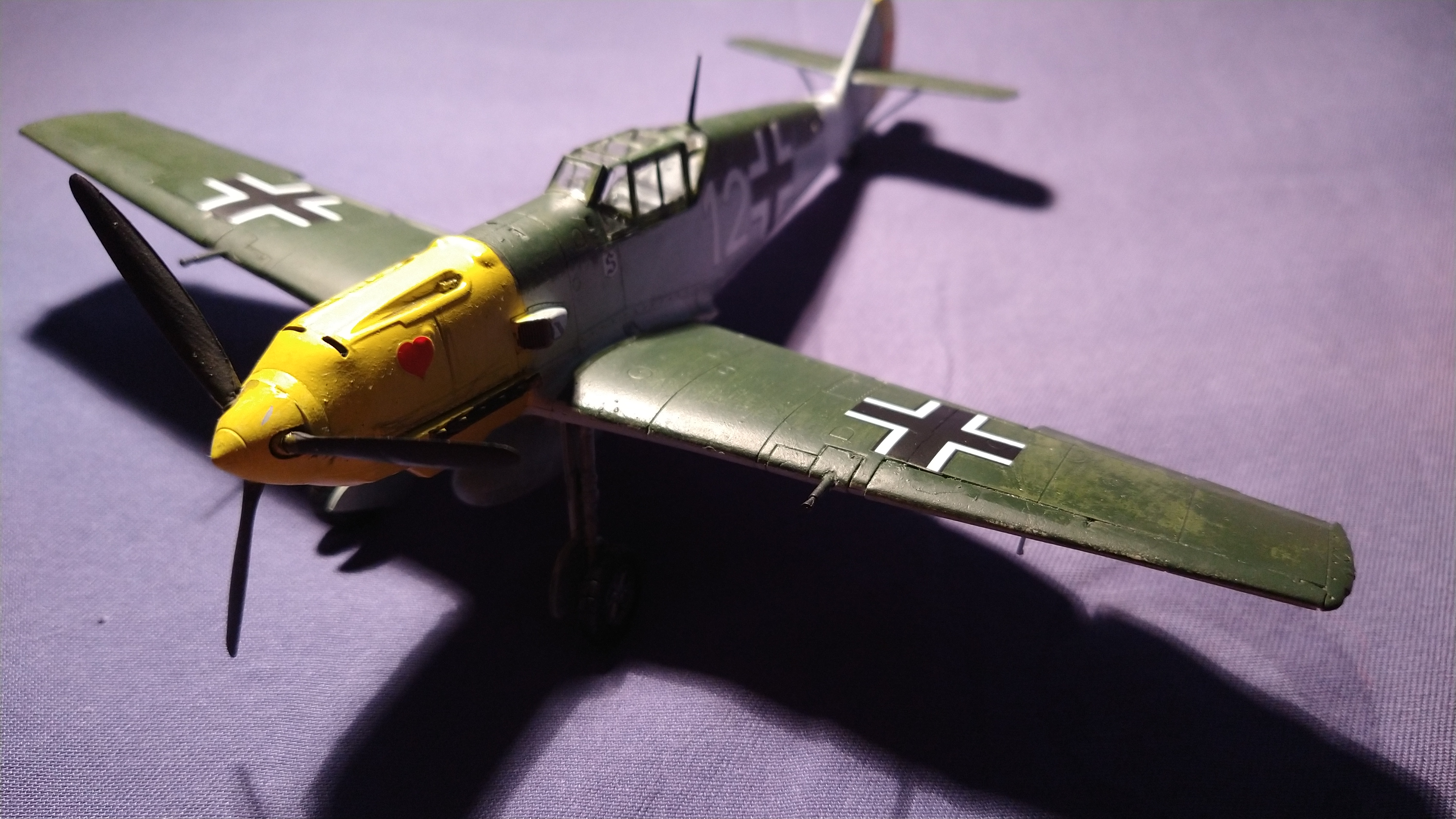
I still had to add the decals to finish up the Me 109. I knew I had to let it go before embarking on my next project which might take a year.

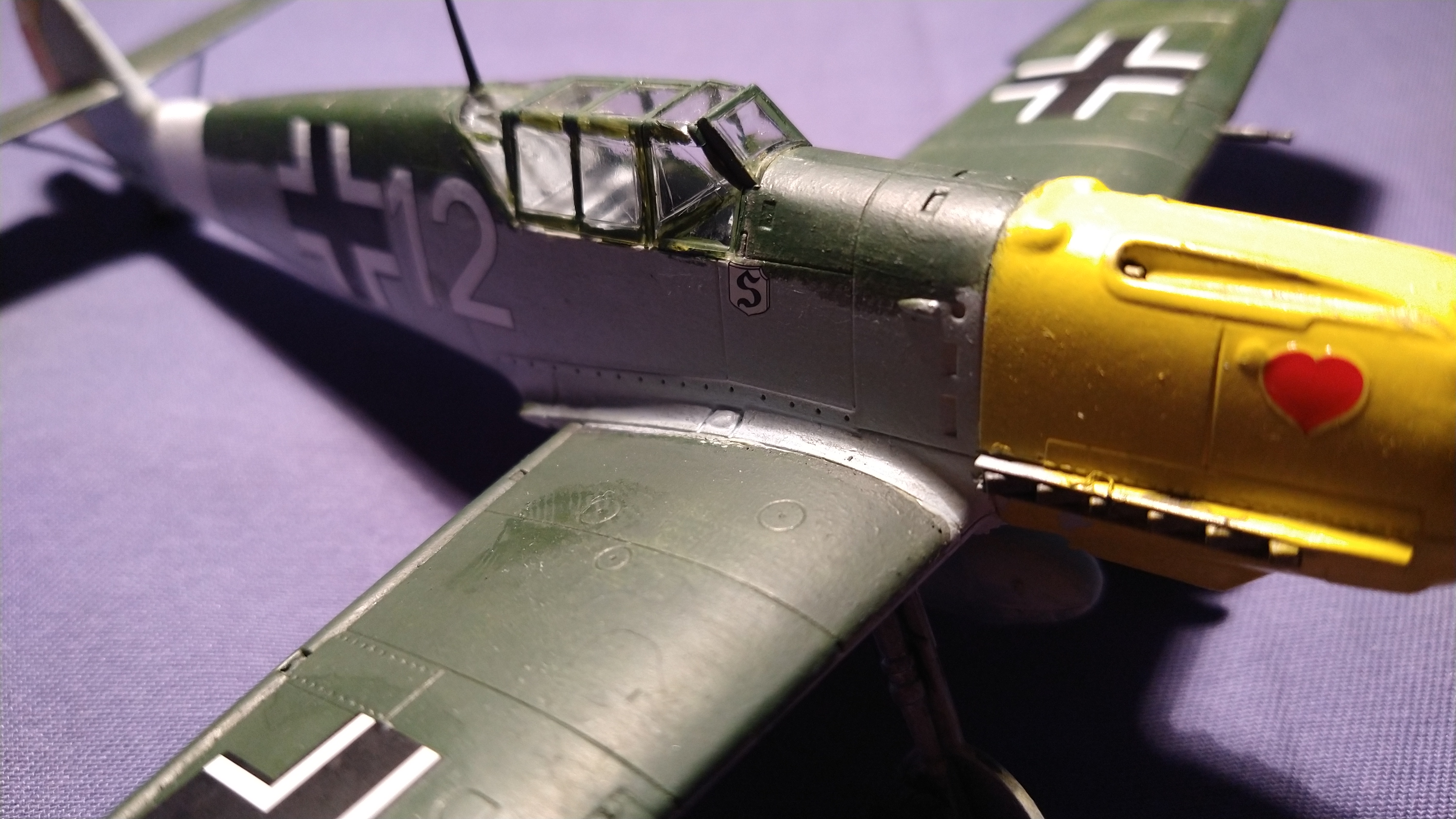
I was careful reading the instructions, but I managed to get something wrong.
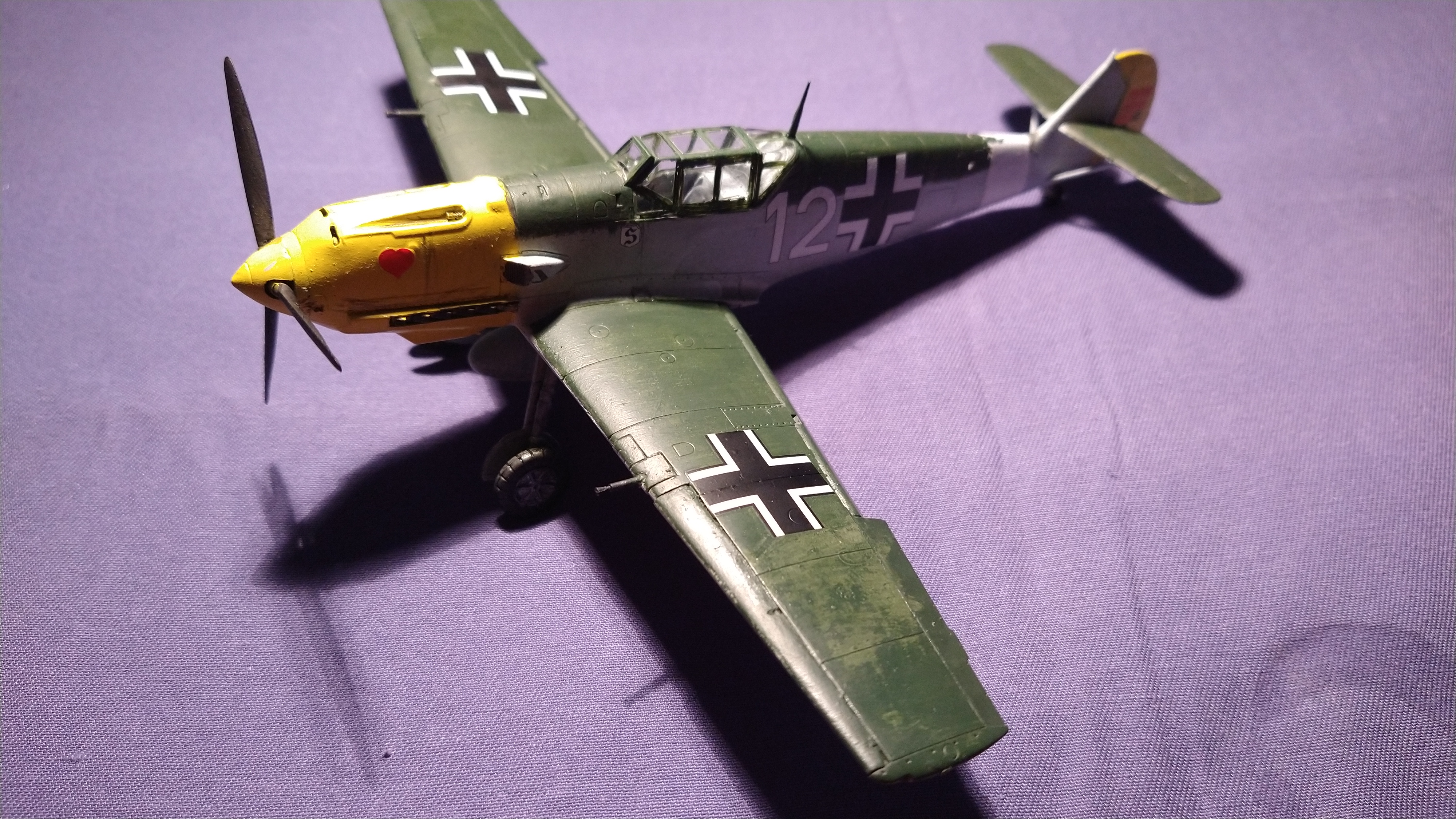
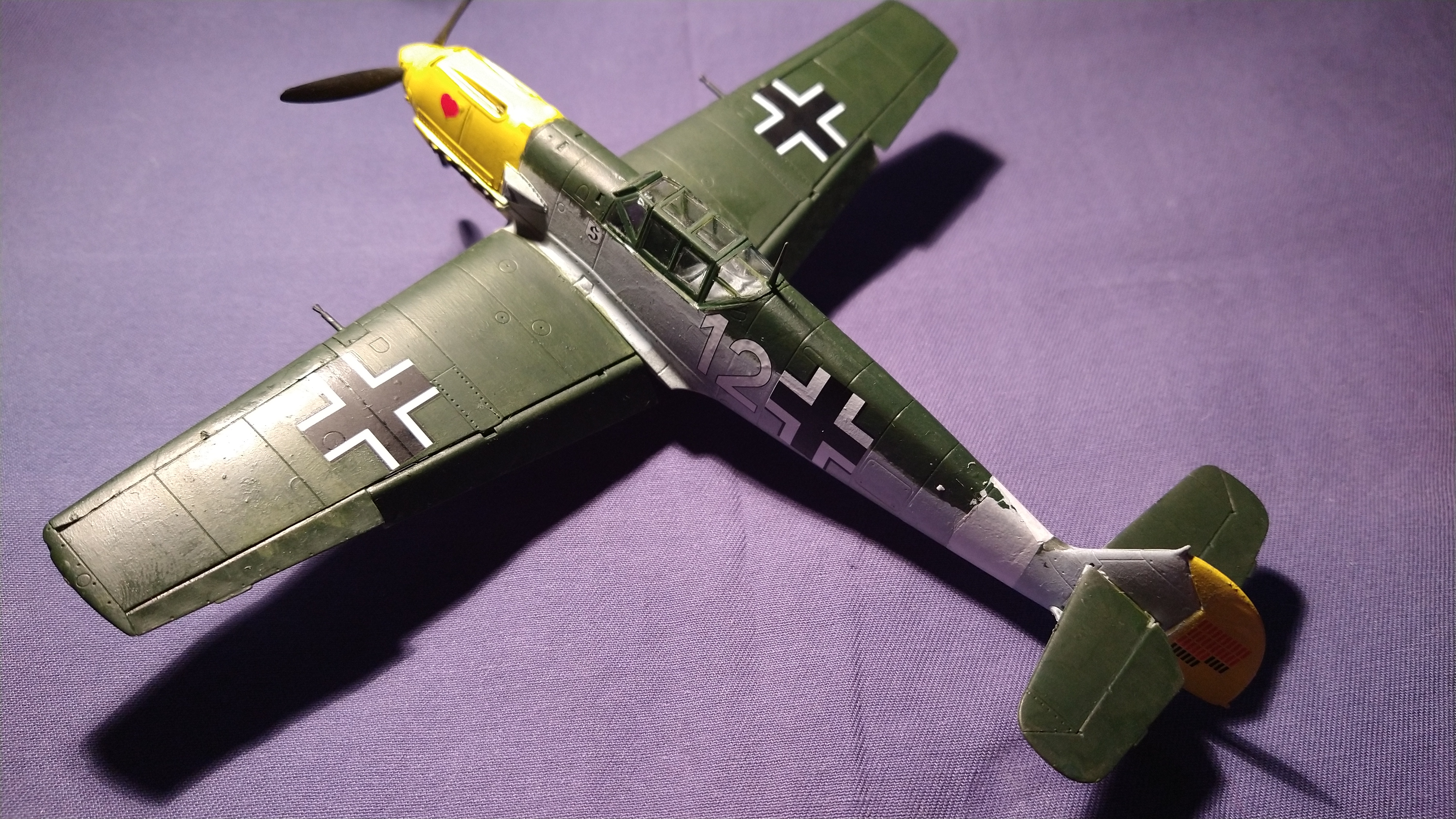
I don’t have to tell you…
The canopy would need to be fixed, but it will stay that way and I won’t lose any sleep over it.
The Me 109 was part of a duo…
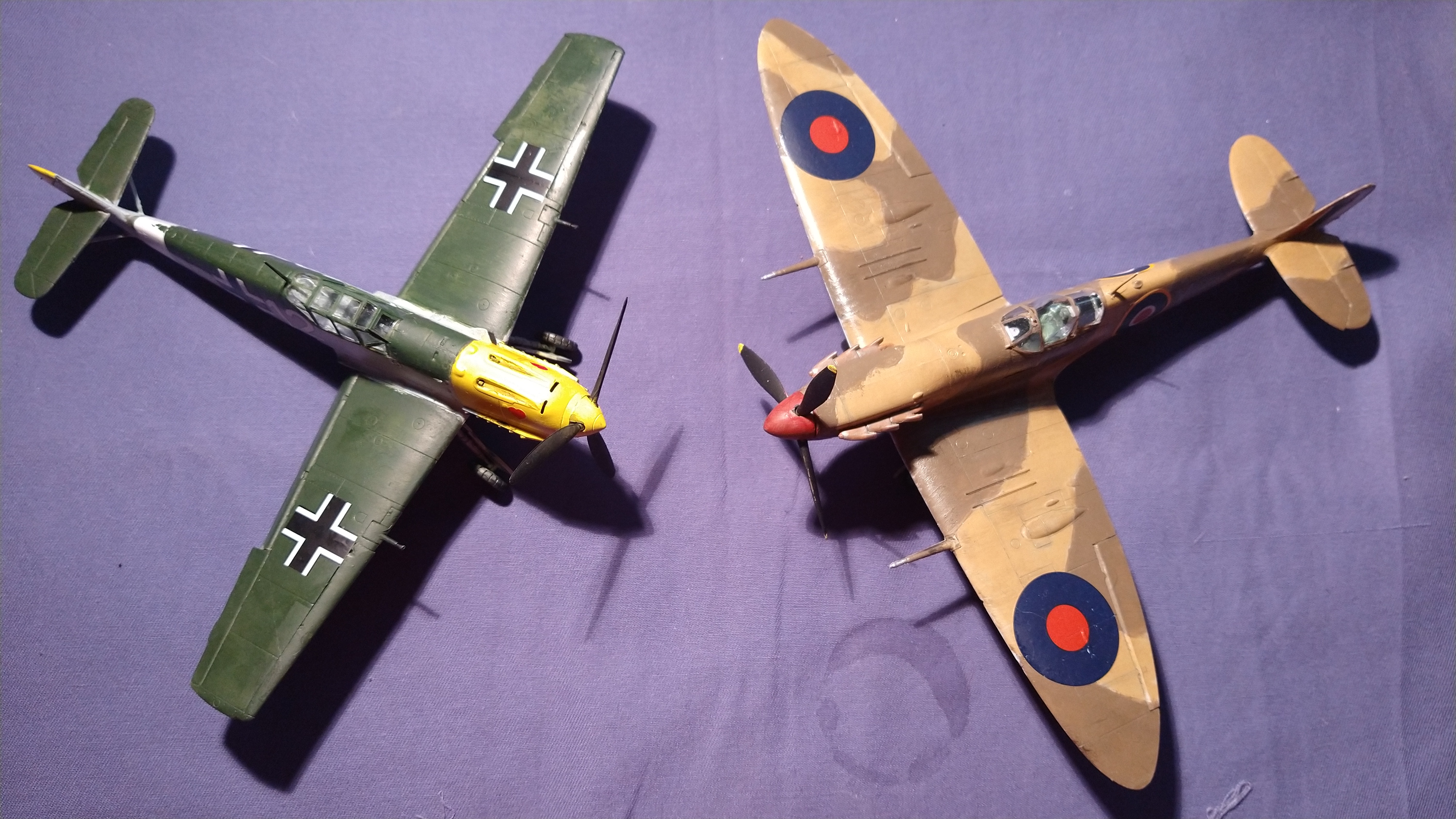

Both will be gifts… The Spitfire to Frank Sorensen’s daughter.
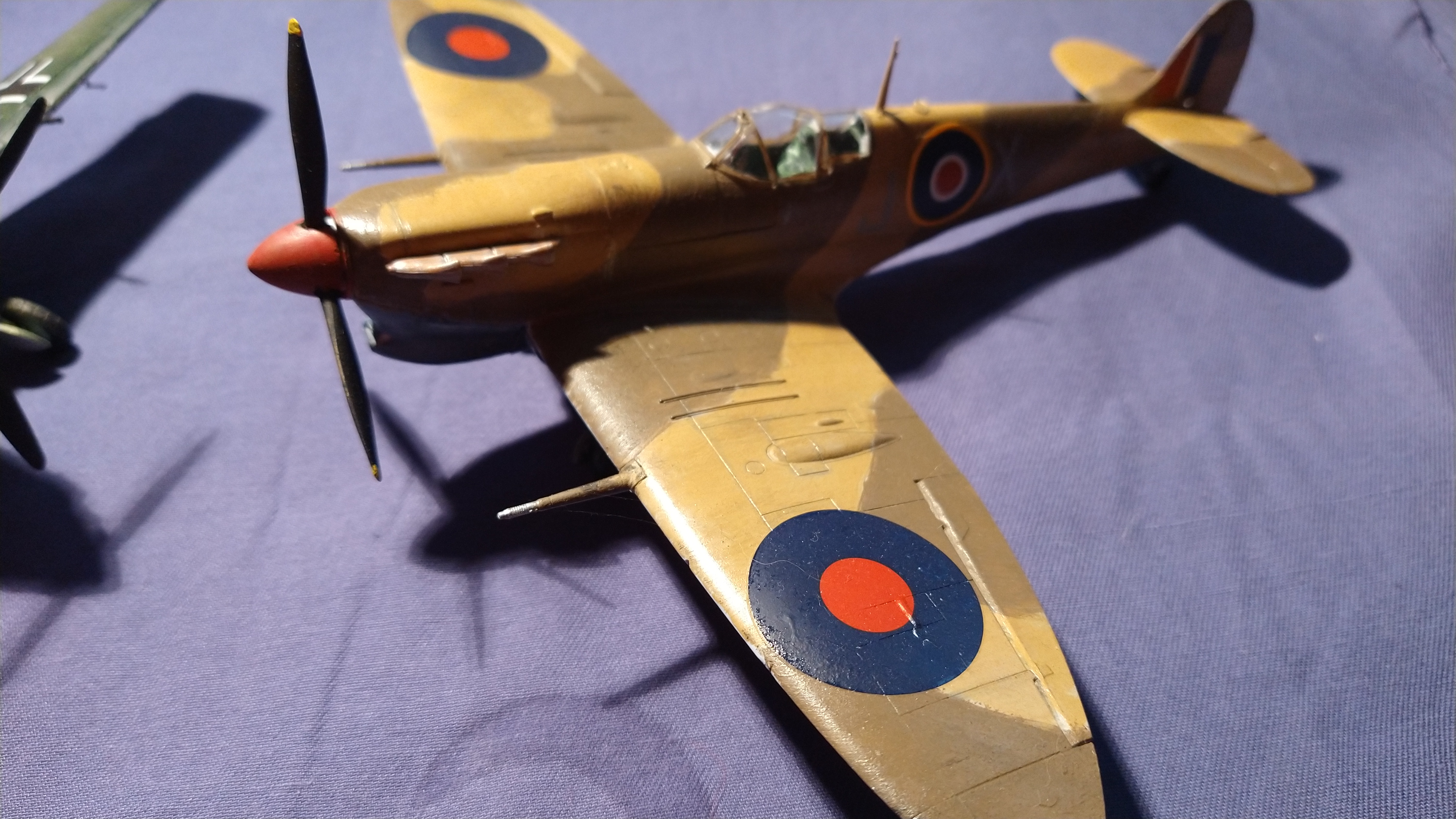
Frank Sorensen was shot down by a Me 109. The Me 109 will be a gift to my son who wanted one five years ago…
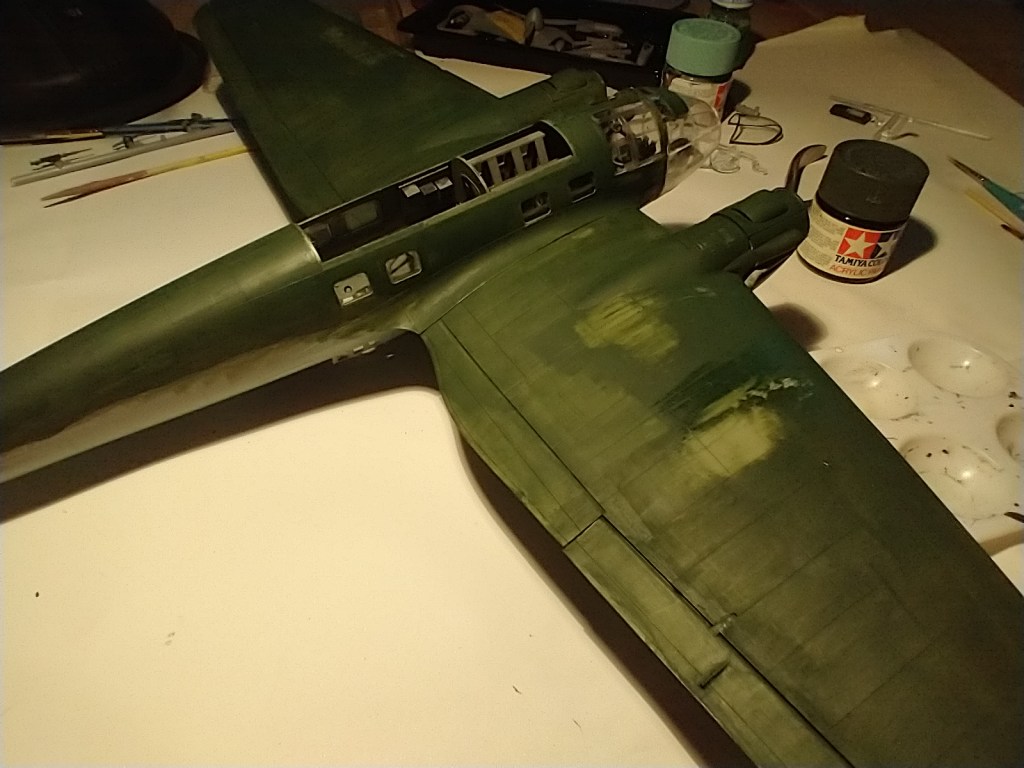
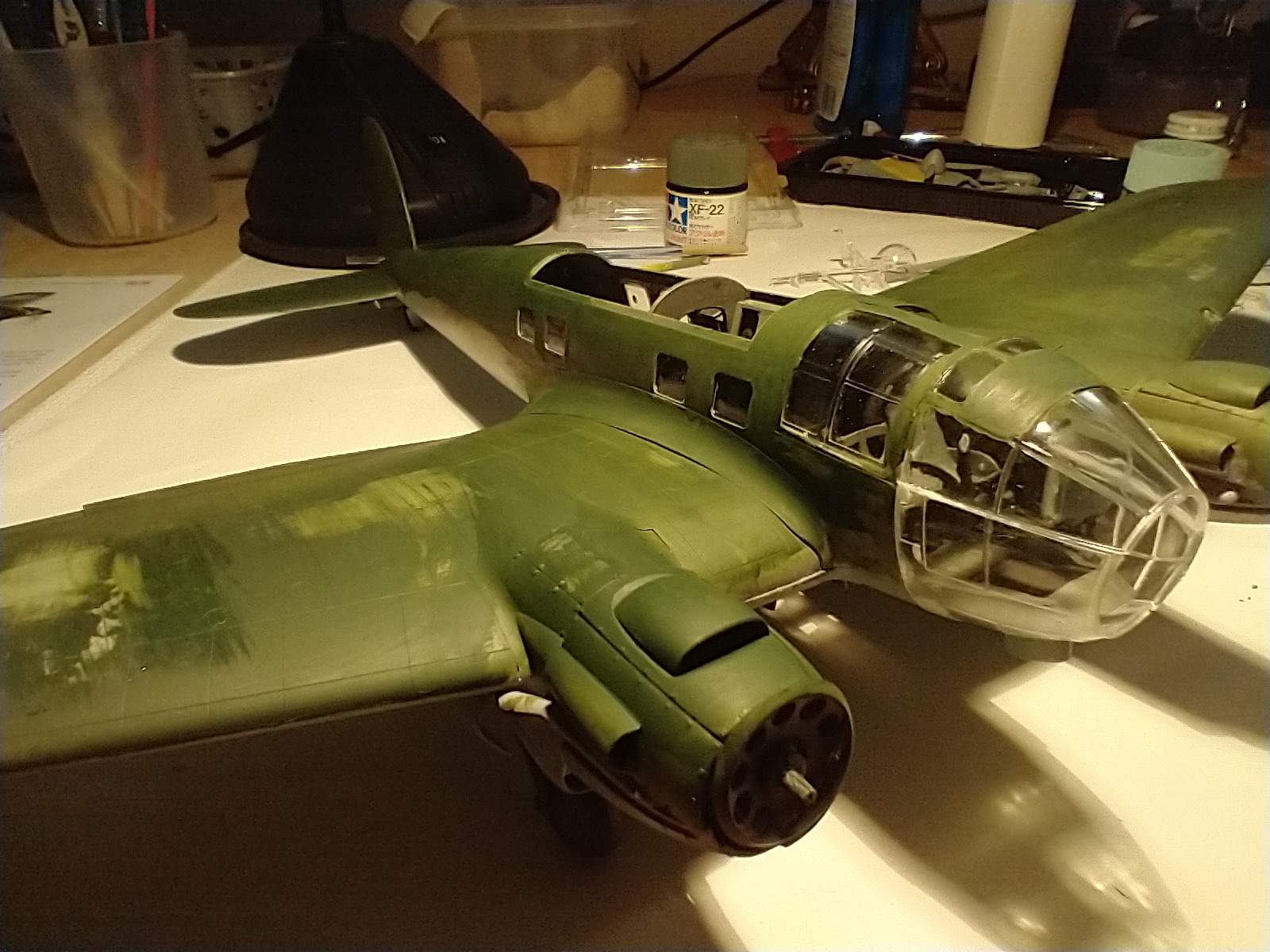
Too much thinner. I should have remembered.
 My Forgotten Hobby III