ICM He 111-H3 – Day 4

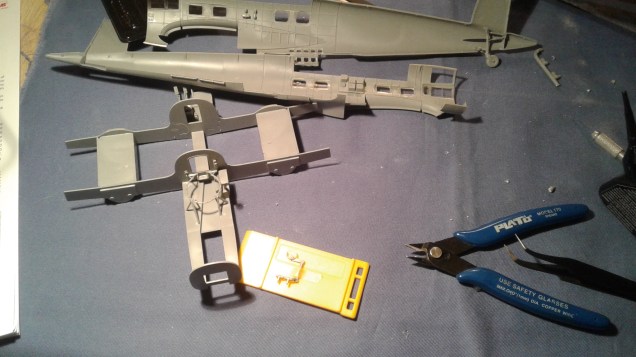
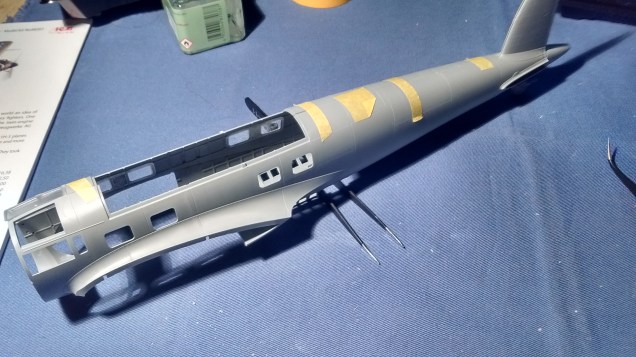
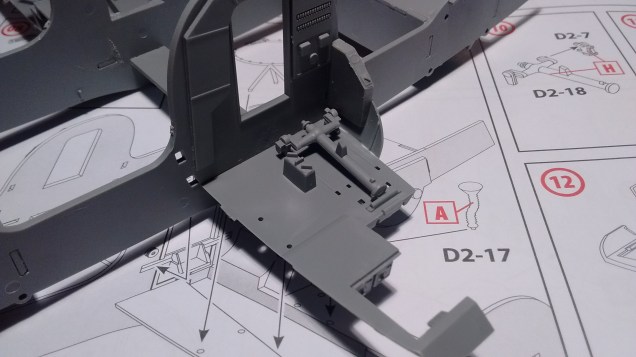
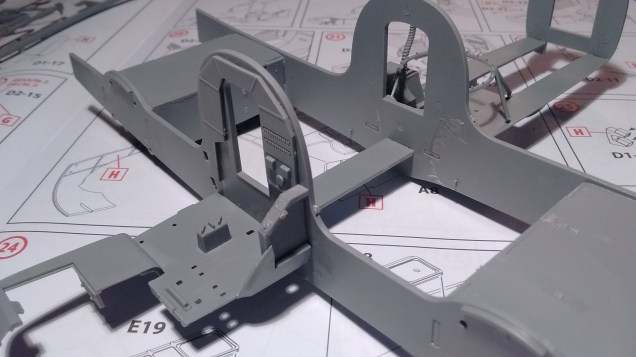
Progress on Day 4 went well after my eye exam for a cataract.

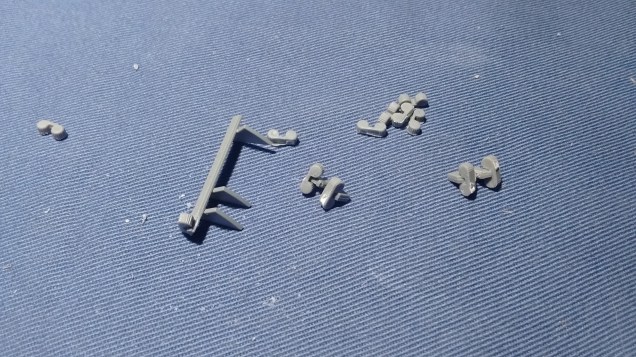
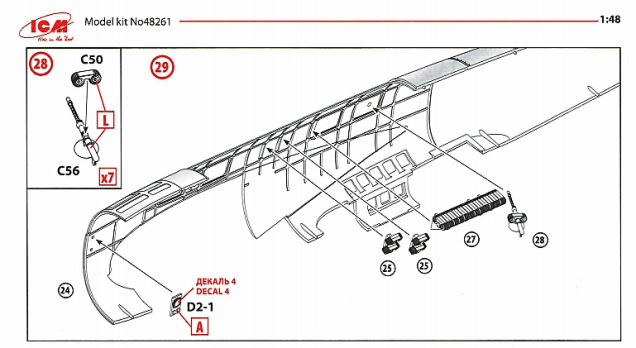
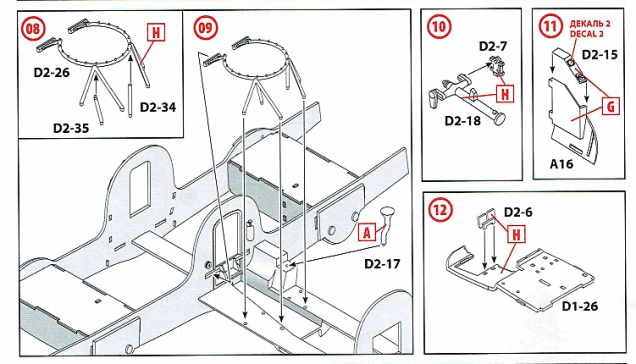
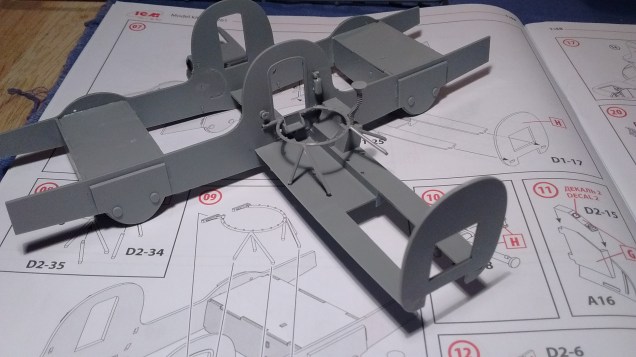
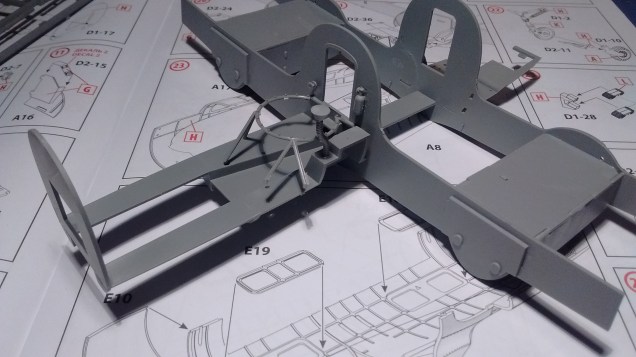
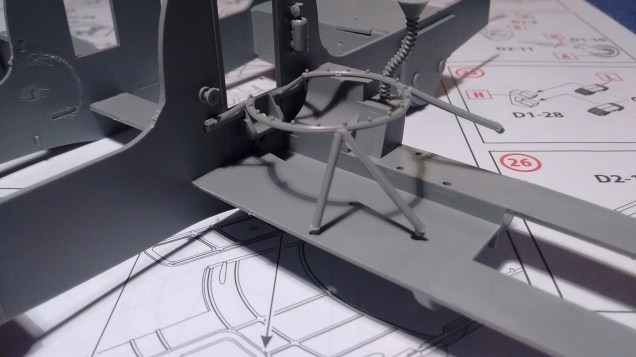
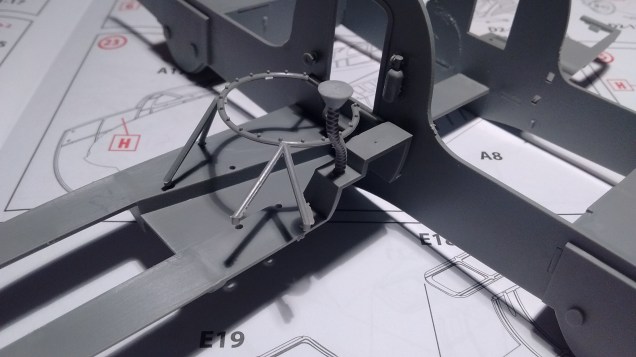
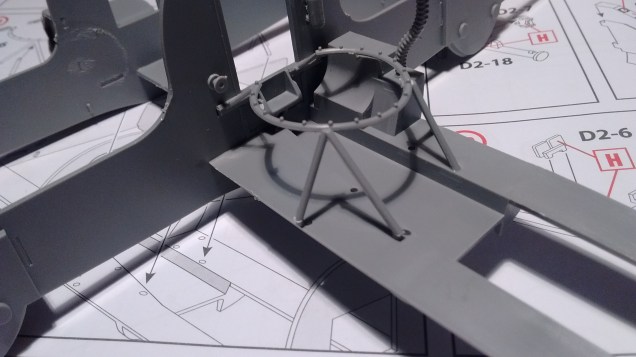
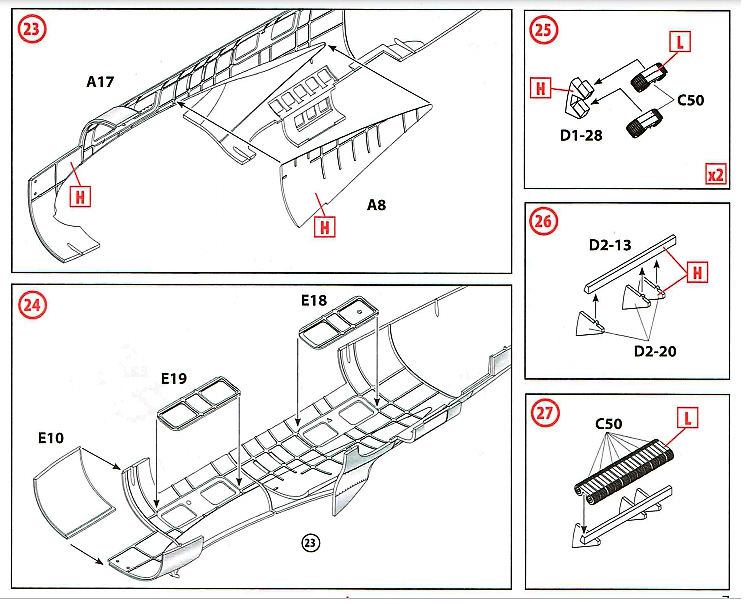
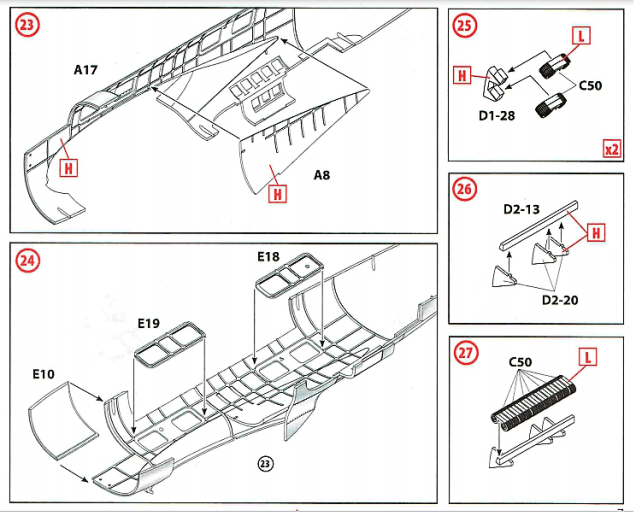
I have had second thoughts about steps 25, 26 and 27.

I have decided to fix these steps and add these little pieces later. I am not sure I will be adding the waist machine gun.

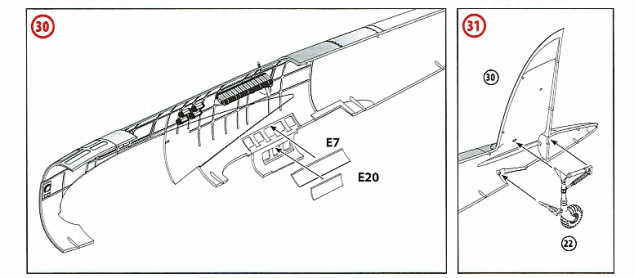
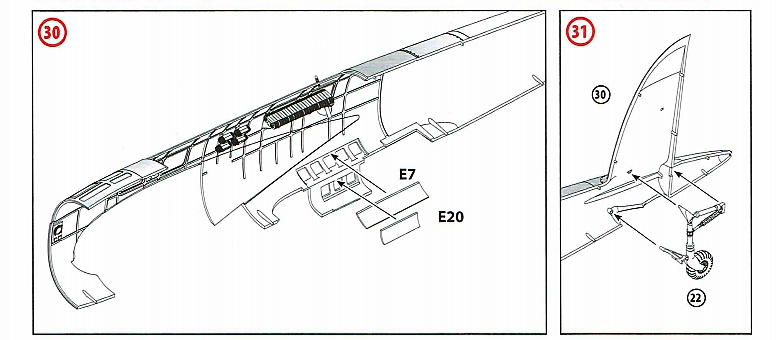
Clear parts for steps 30 and 31 were glued using clear parts cement from Testors.


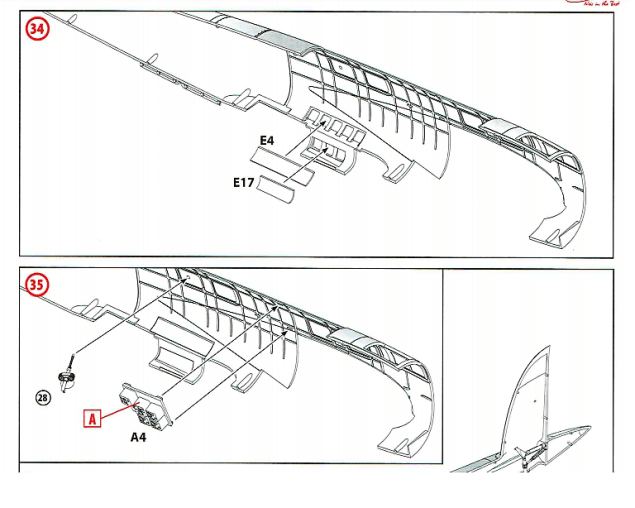
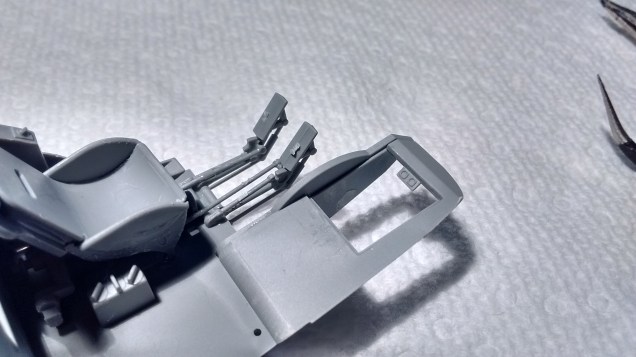
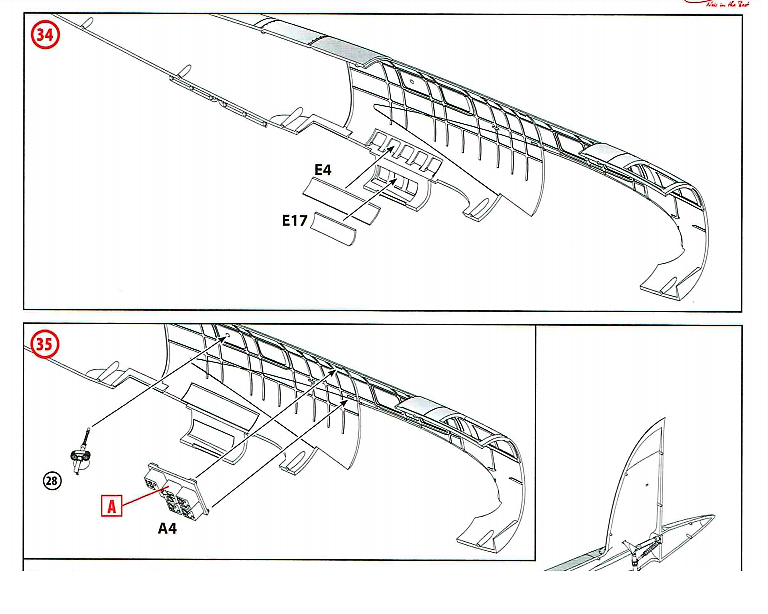
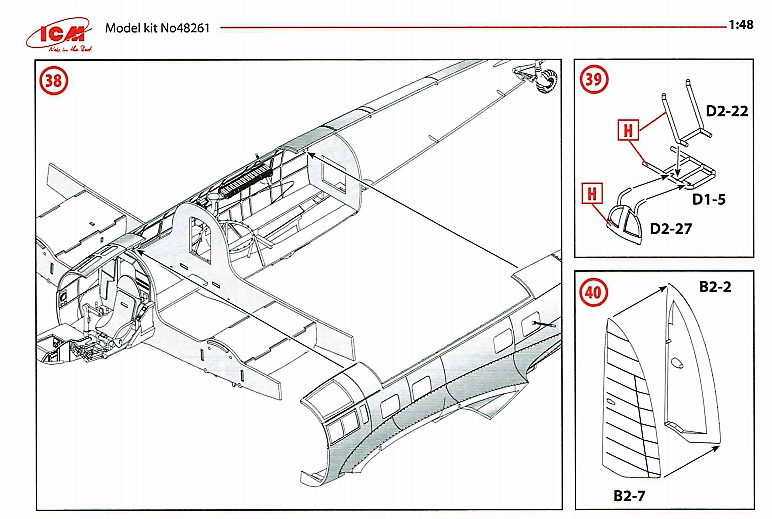
Step 36 was also done and tomorrow step 37 will be next. 


ICM He 111-H3 – Day 3

Day 3 had its share of frustration.

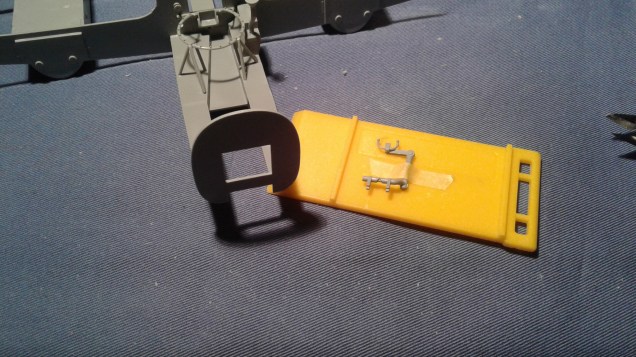
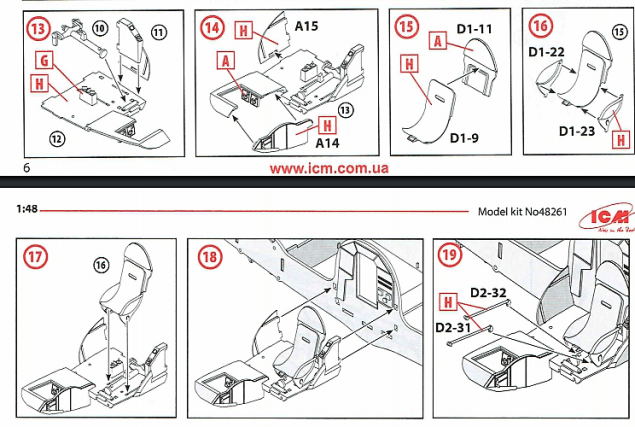
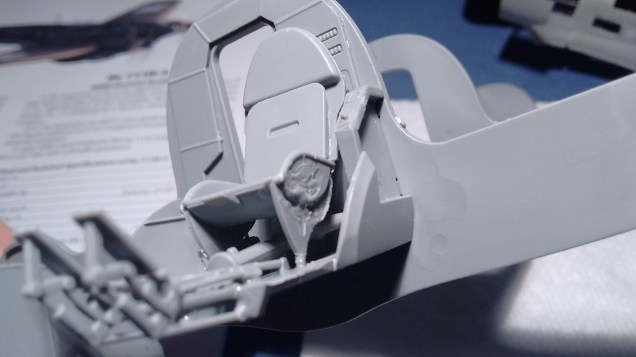
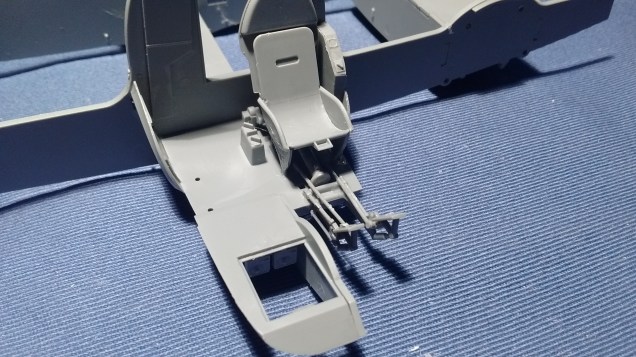
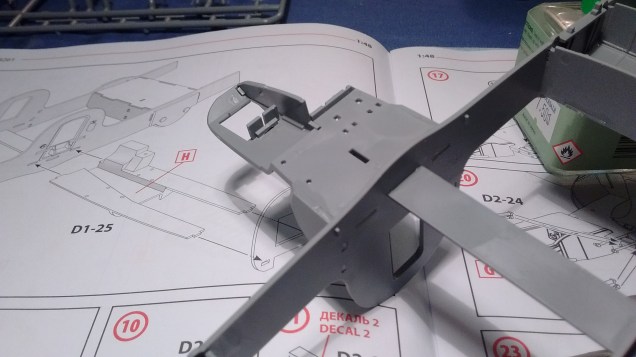
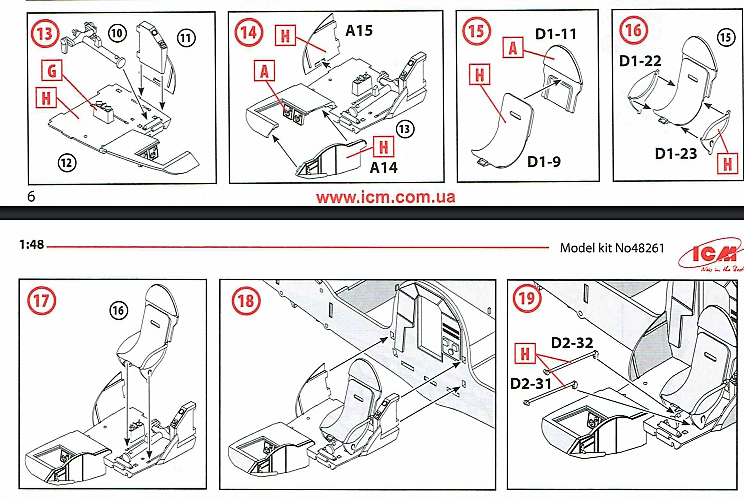
First frustration was with steps 15 and 16 when, contrary to the instructions, I had decided to glued parts D1-22 and D1-23 directly on the floor and then slide the pilot’s seat in between.

Bad idea!

I had also inverted D1-22 and D1-23 and had to pry them off, glue them back on the seat and wait for the glue to set.

Parts D2-32 and D2-33 came in next and I managed to break part D2-31 in the process of handling the front section of the He 111H-3.

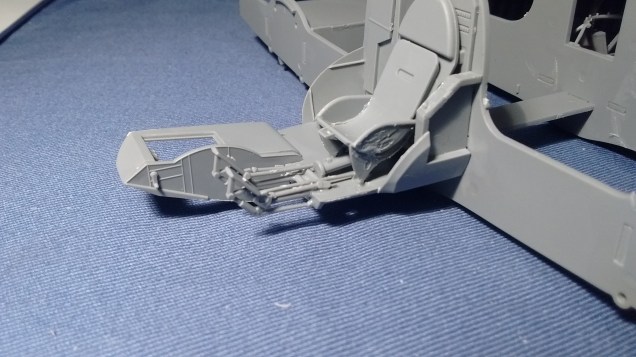
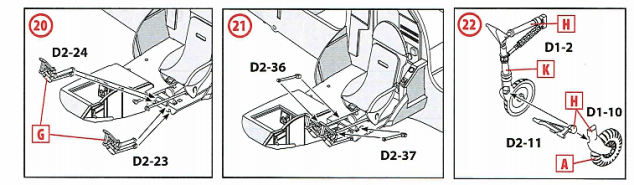
Step 22 and steps 20 to 24 went well.

However steps 25, 26 and 27 made me realize I should have checked more than three times before assembling such tiny pieces which will never be seen by anyone.

Which brings me to this… if you don’t see it, why bother. Is it best to skip steps which only slow down your progress and lead to more frustration?

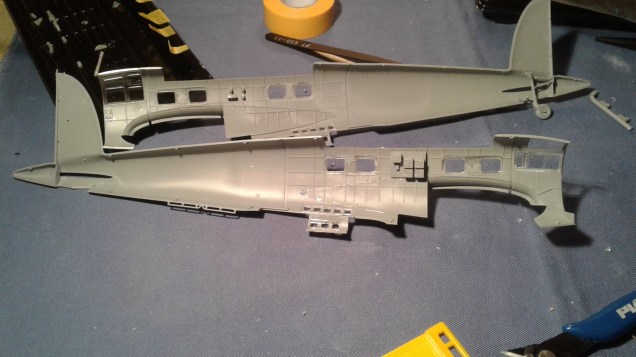
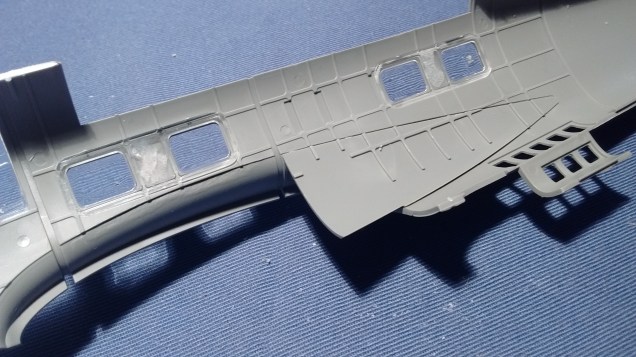
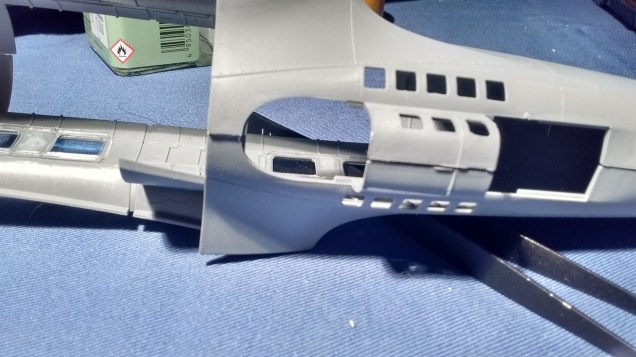
Feeling frustrated I then checked how the fuselage halves would mate. The plastic is very thin and the locating pins won’t fit in the location holes leaving a gap.

I cut the pins off and dry fitted the fuselage halves to see if it was a good idea.

Great idea!

Next time on Day 4…

Skipping step 29 and moving on to step 30 and beyond…


!

ICM He 111-H3 – Day 2

Day 2, and taking lots of photos? That’s the only way I have found to get going on My Forgotten Hobby III… posting each and every day on how I am progressing with ICM He 111H-3.

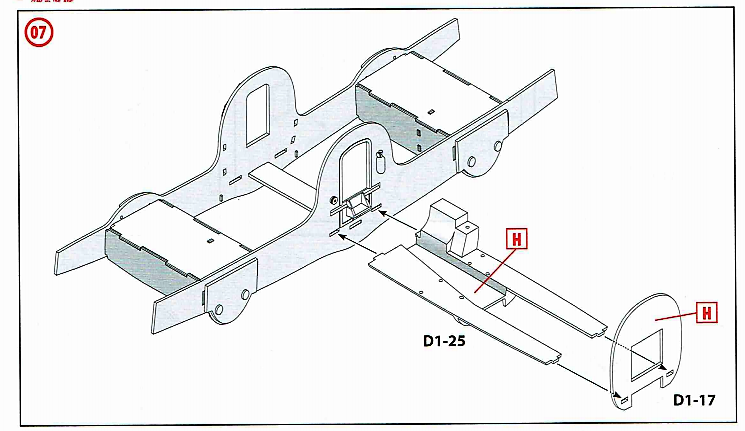
With step 7 I had decided to omit parts D2-35 and D2-34 and proceeded with steps 10 and 11.

Parts D2-35 and D2-34 will be inserted later as part D2-26 was posing a problem.

Part D2-26 would not sit in all the location holes as you can see here…

and here…

and here…

I have glued two legs and will glue the others after the glue sets.

Waiting for the glue to set I had continued with step 13 and glued part D1-26 which made more sense than waiting to glue it in step 18.

Confused? Locating where to glue part A16 was confusing enough in the instructions in step 13!


Part A14 was then glued upside down with a little dab of extra thin cement.

Which will leave steps 20, 21 and 22 for another day…

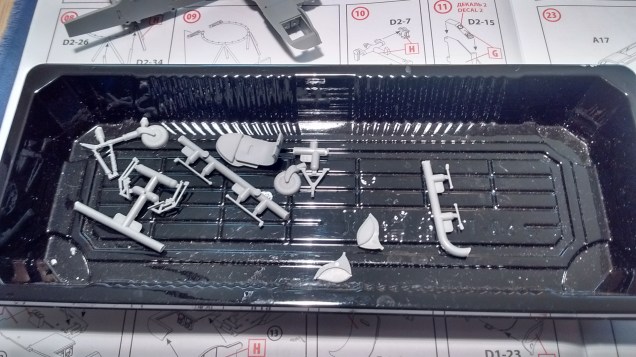
With parts all waiting in a sushi tray…


P-51B

This is a follow up on Little Friends I wrote two months ago.

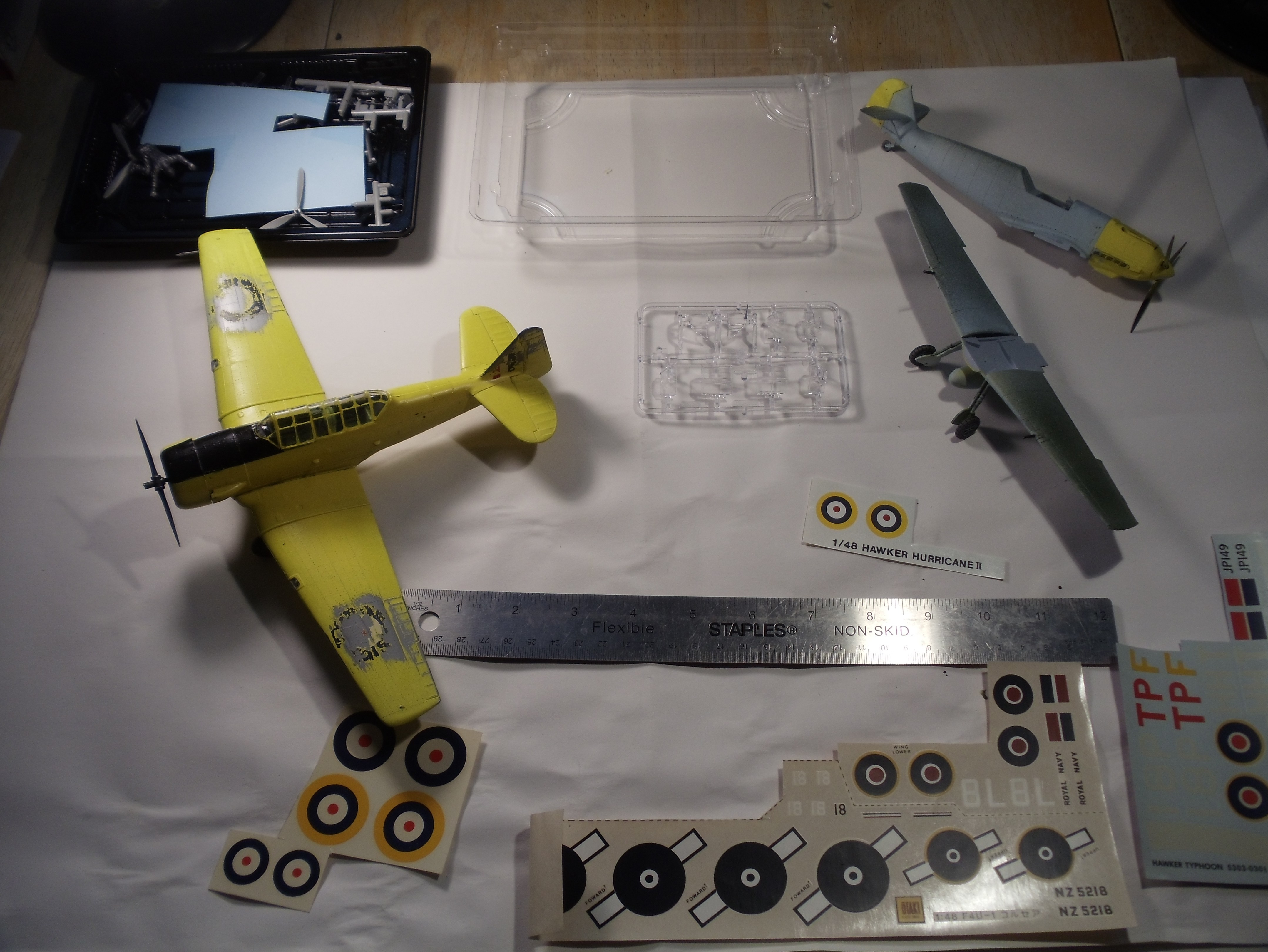
Autumn leaves in my backyard and colder weather leave me no other choice but to postpone using my Badger airbrush outdoors to finish up painting my Airfix 1/48 scale Me 109 and my Monogram North 1/48 scale American Harvard.

I will just have to wait for warmer temperature in May 2020…
In the meantime I will be adding more stories on my blogs as readers will continue to comment on posts I have written. This is how I had learned in September about a distant relative. Lieutenant Thomas Oscar Meteyer, my third cousin twice removed, is seen here sitting in the cockpit of his P-51B probably just after D-Day.
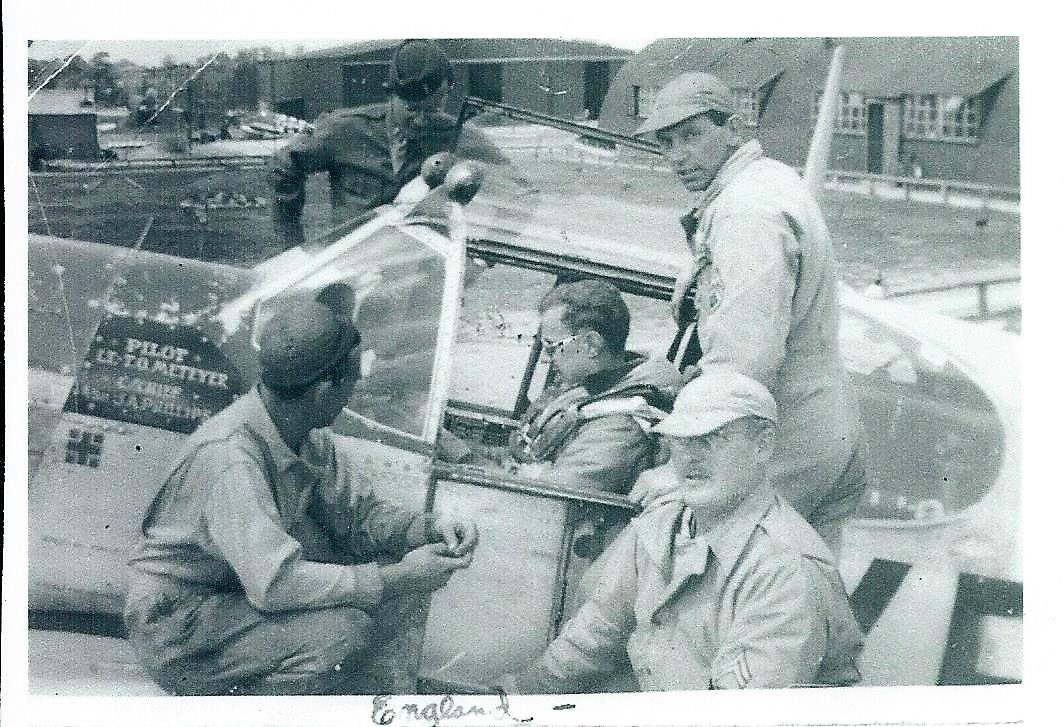
That information came from Peter Randall when I sent him this photo shared by Thomas Oscar Meteyer’s daughter. Peter wanted to know if I knew who were Lt. Thomas Meteyer’s crew. Looking at the photo, his crew chief’s name was written on the plane: S/Sgt J.A. Phillips.

Lt. Thomas Meteyer did not talk that much about the war to his four children. But there is one story his son Michael shared. It was on a newspaper clipping.

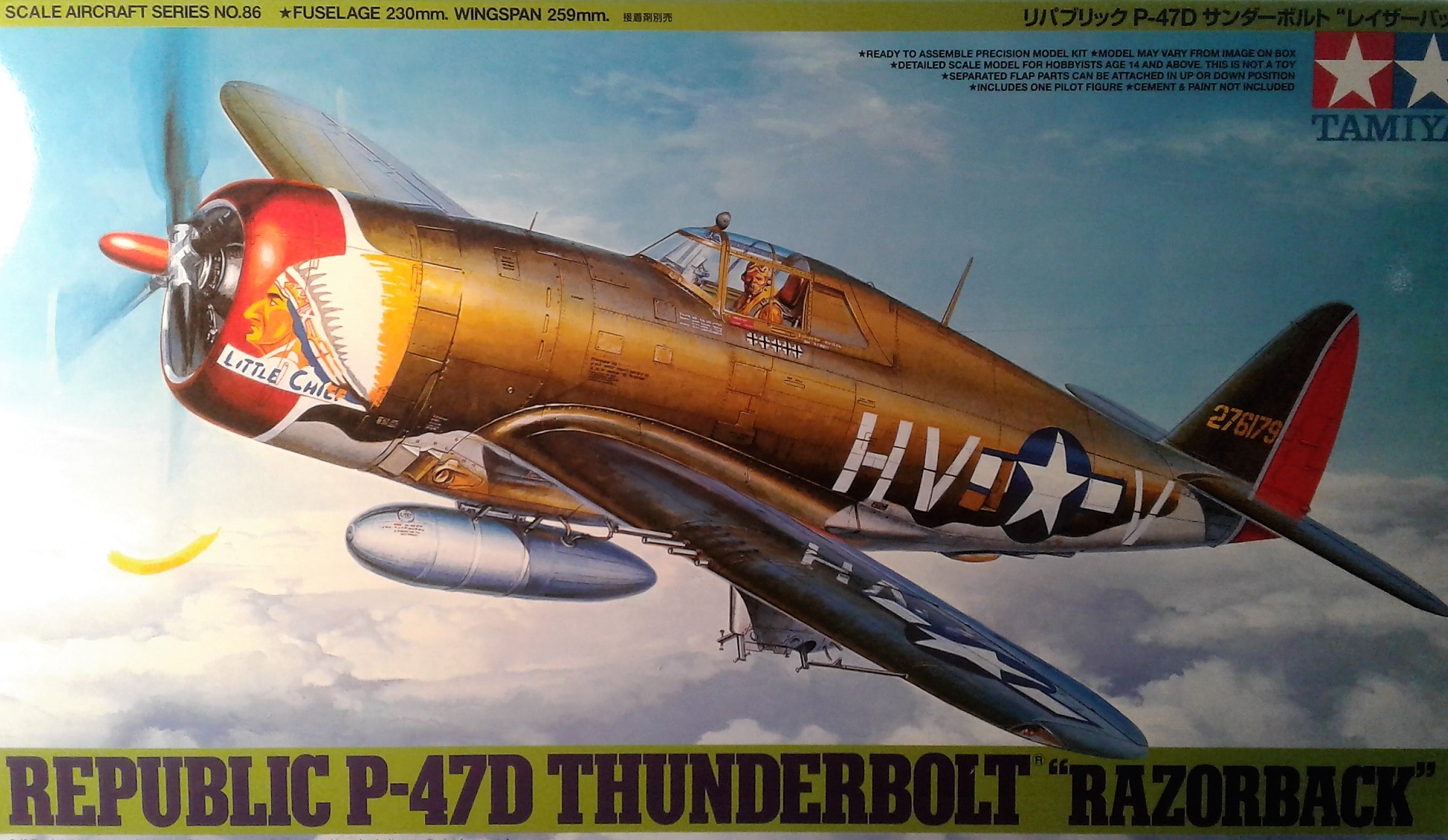
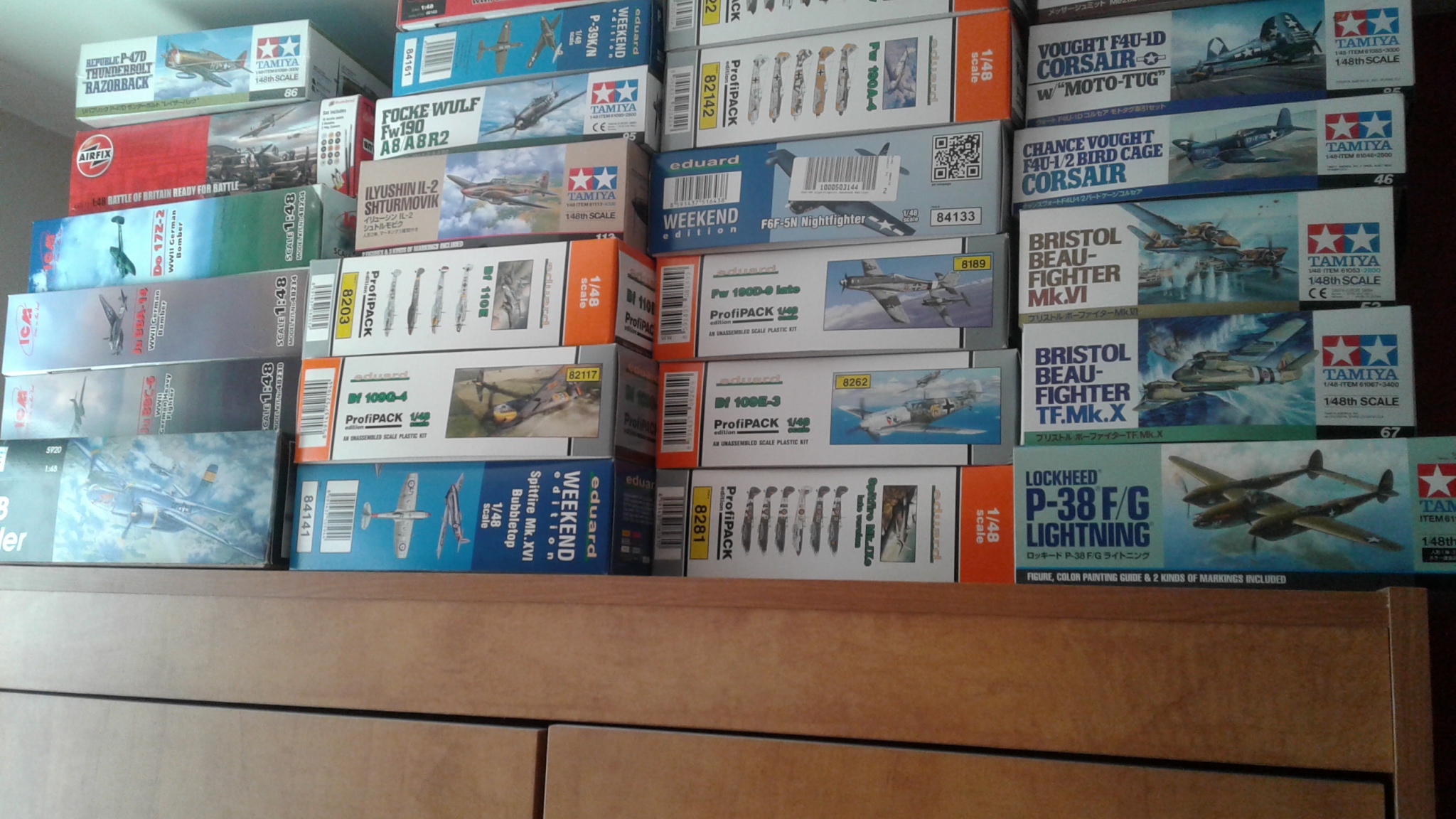
Learning about Lieutenant Meteyer I decided to buy two more model kits to add to my collection. First, the model kit of the first plane he flew in combat on February 28th, 1944.
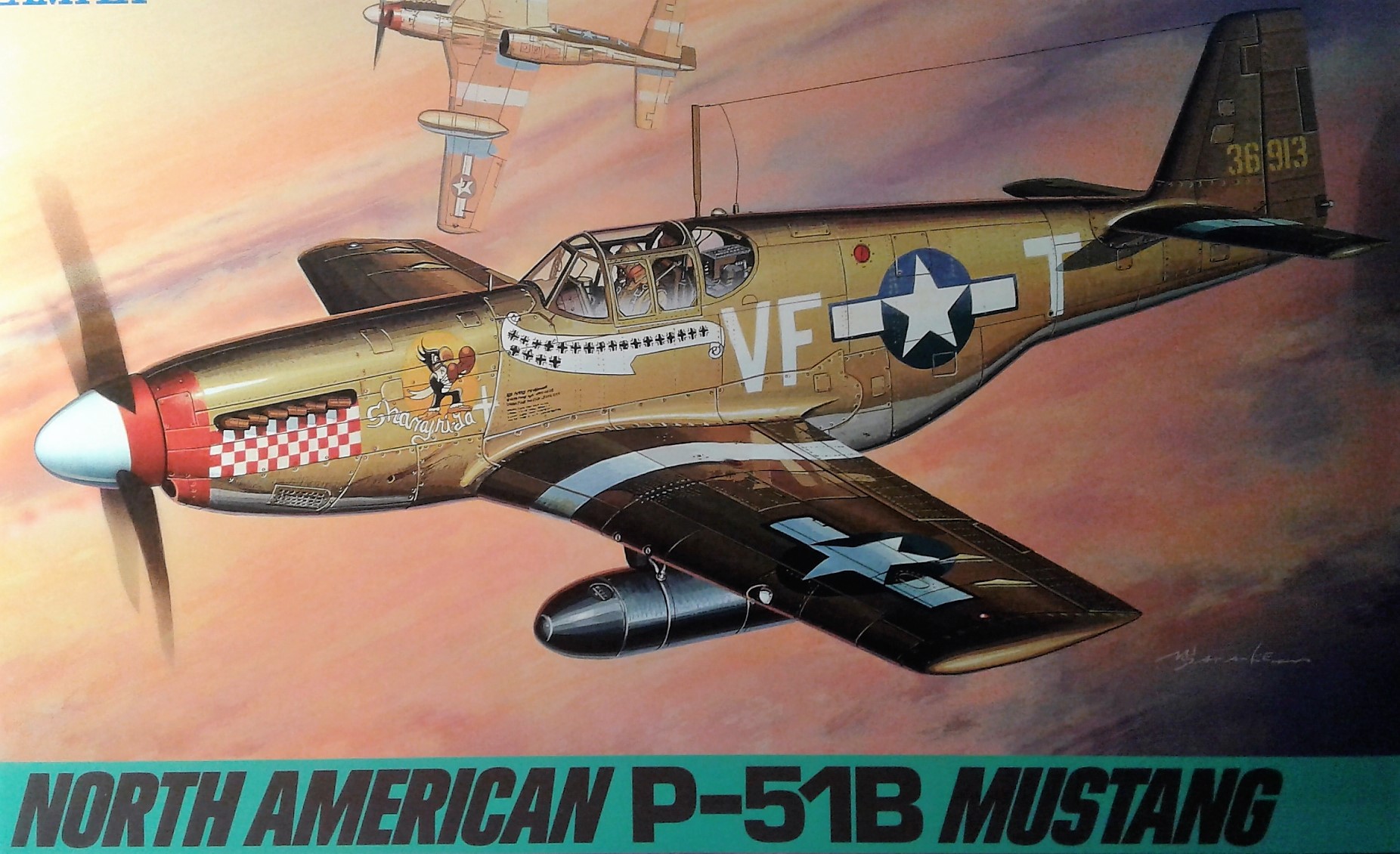
Then the P-51B he flew all his other missions while he was with the 358th Fighter Squadron at Steeple Morden.
Lieutenant Thomas Oscar Meteyer’s service with the U.S. Army Air Corps will eventually be documented on this blog I created for his children and his grandchildren:

https://358thfightersquadron.wordpress.com/ 

I have also created this memorial:

http://www.americanairmuseum.com/person/212339

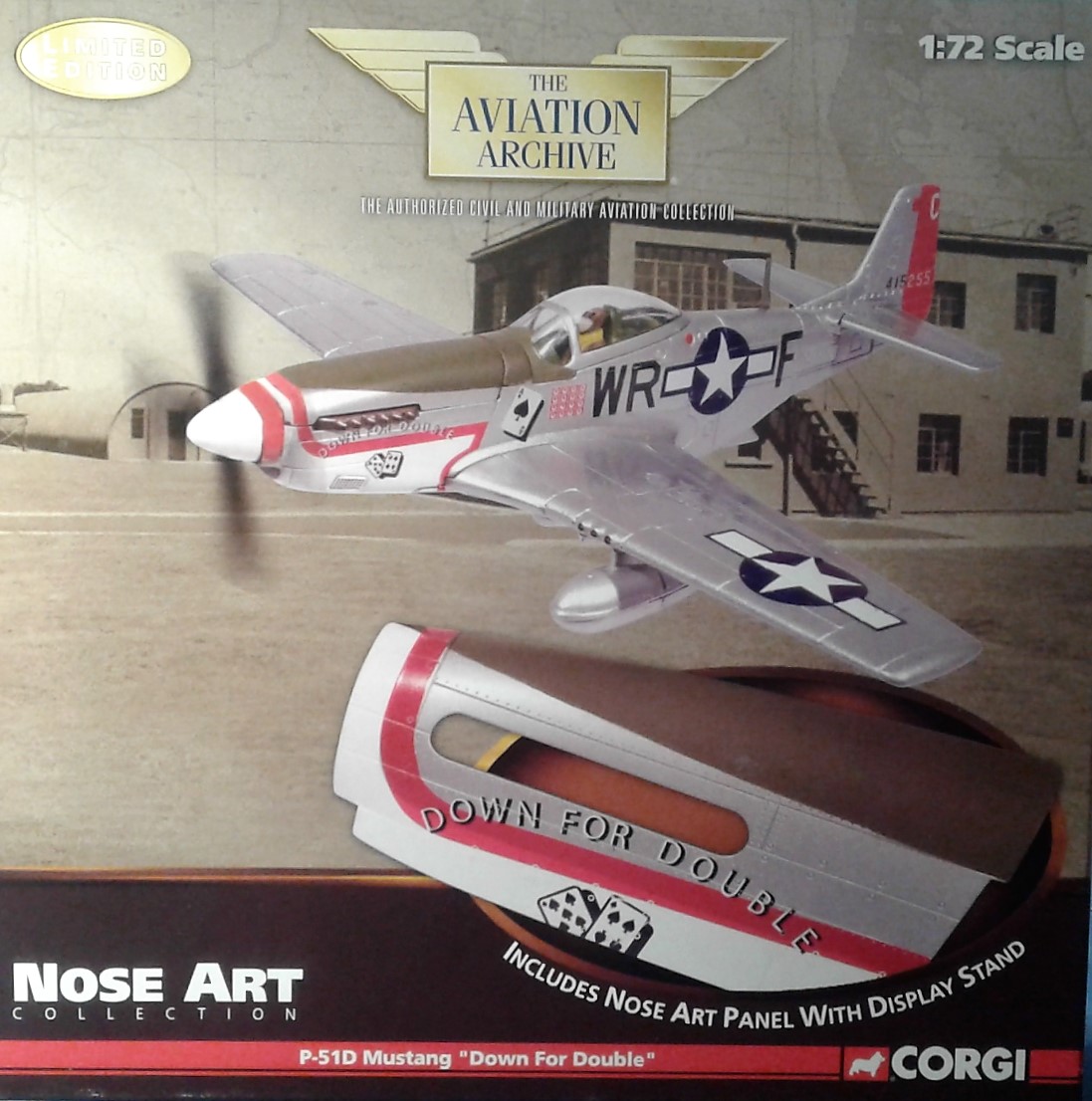
As a token of appreciation this is what his children sent me.
Which brings me to this…

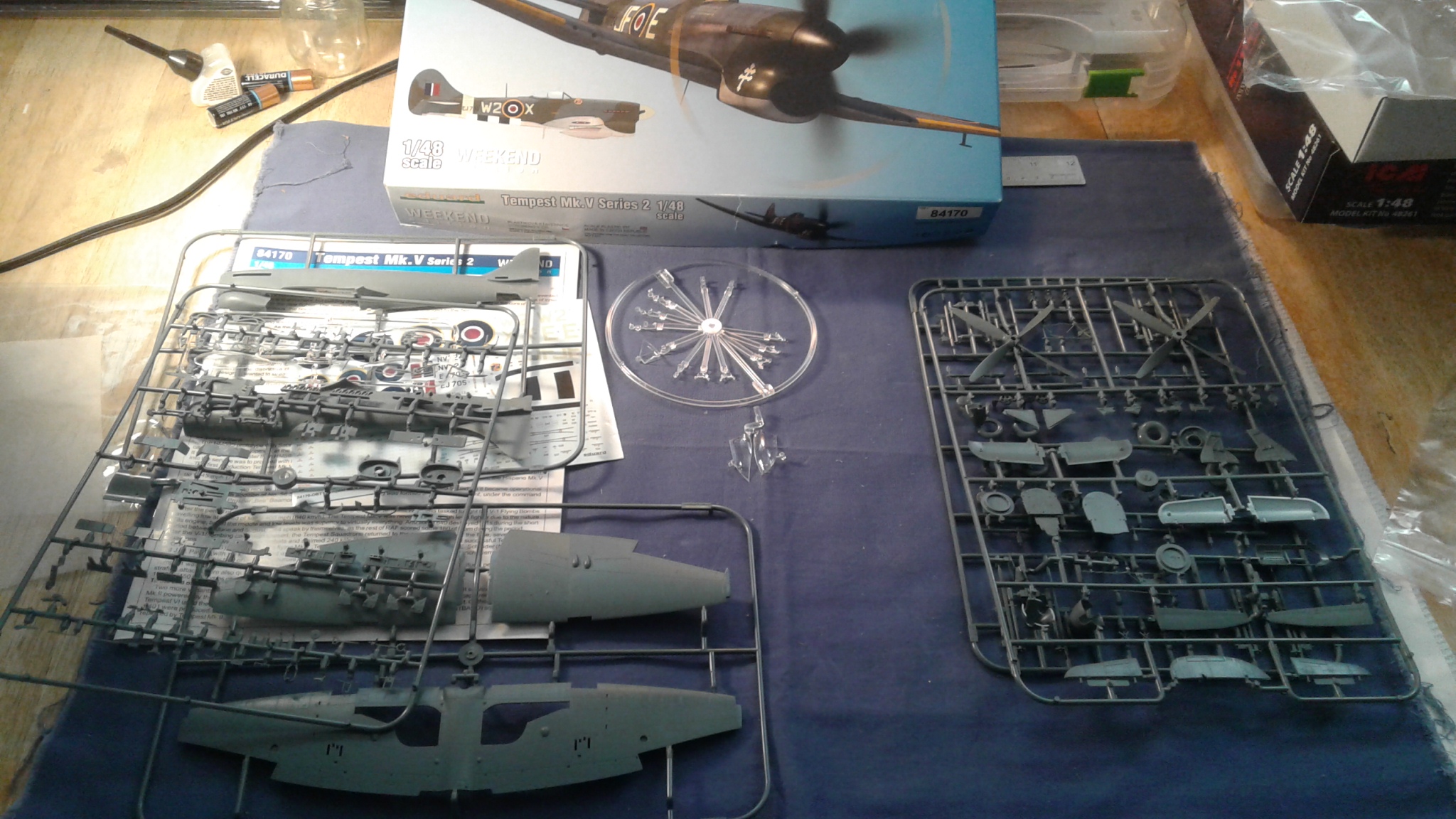
With all I have as a backlog of model kits I had decided to build Eduard Hawker Tempest Mk V.
Opening the box and inspecting the parts this is what I had found.
The canopy was split in half!
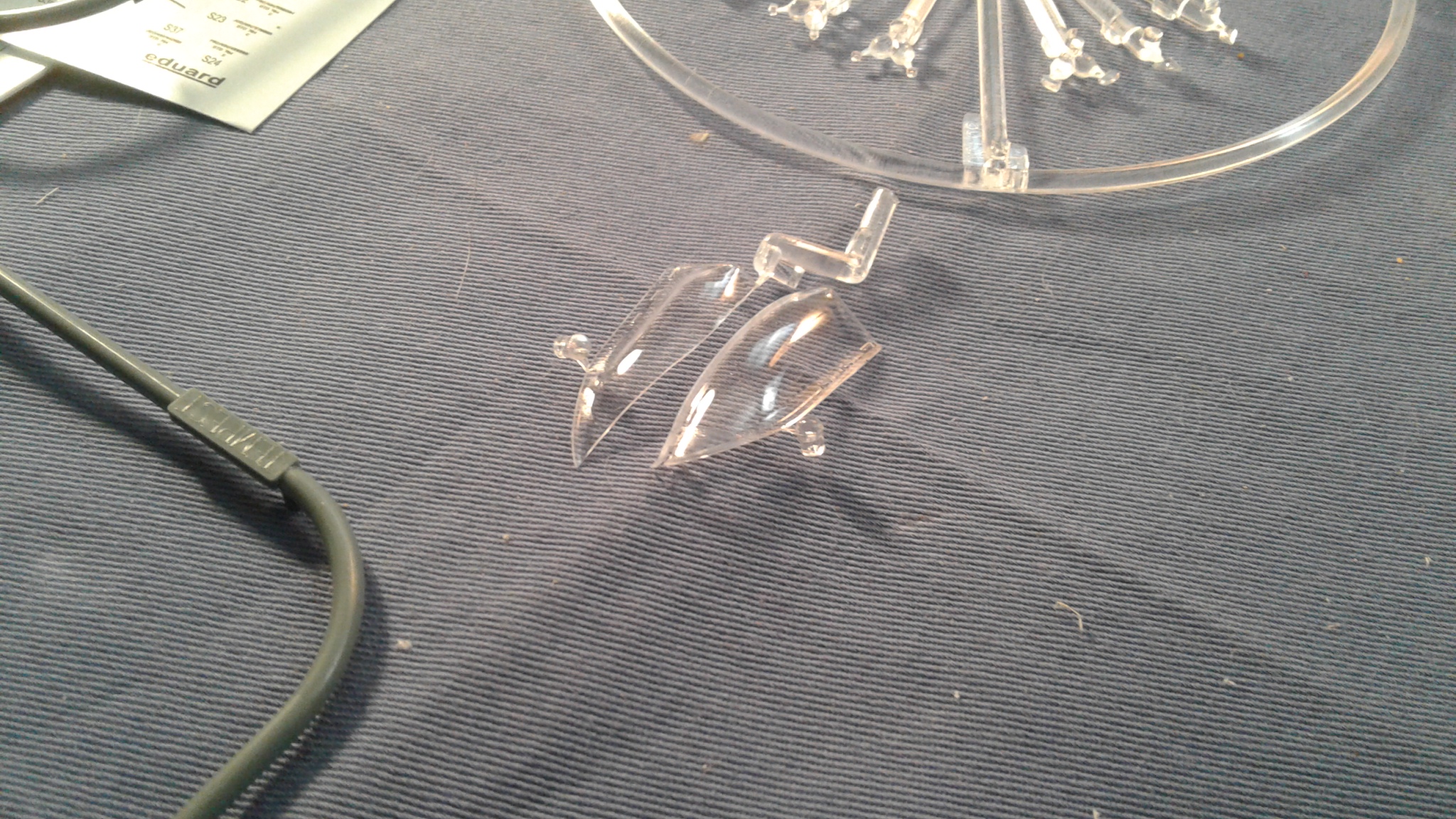
I decided then to contact Eduard’s customer service. We’ll see what happens. While I am waiting for a reply I will start building this long overdue model kit I bought in January 2020.
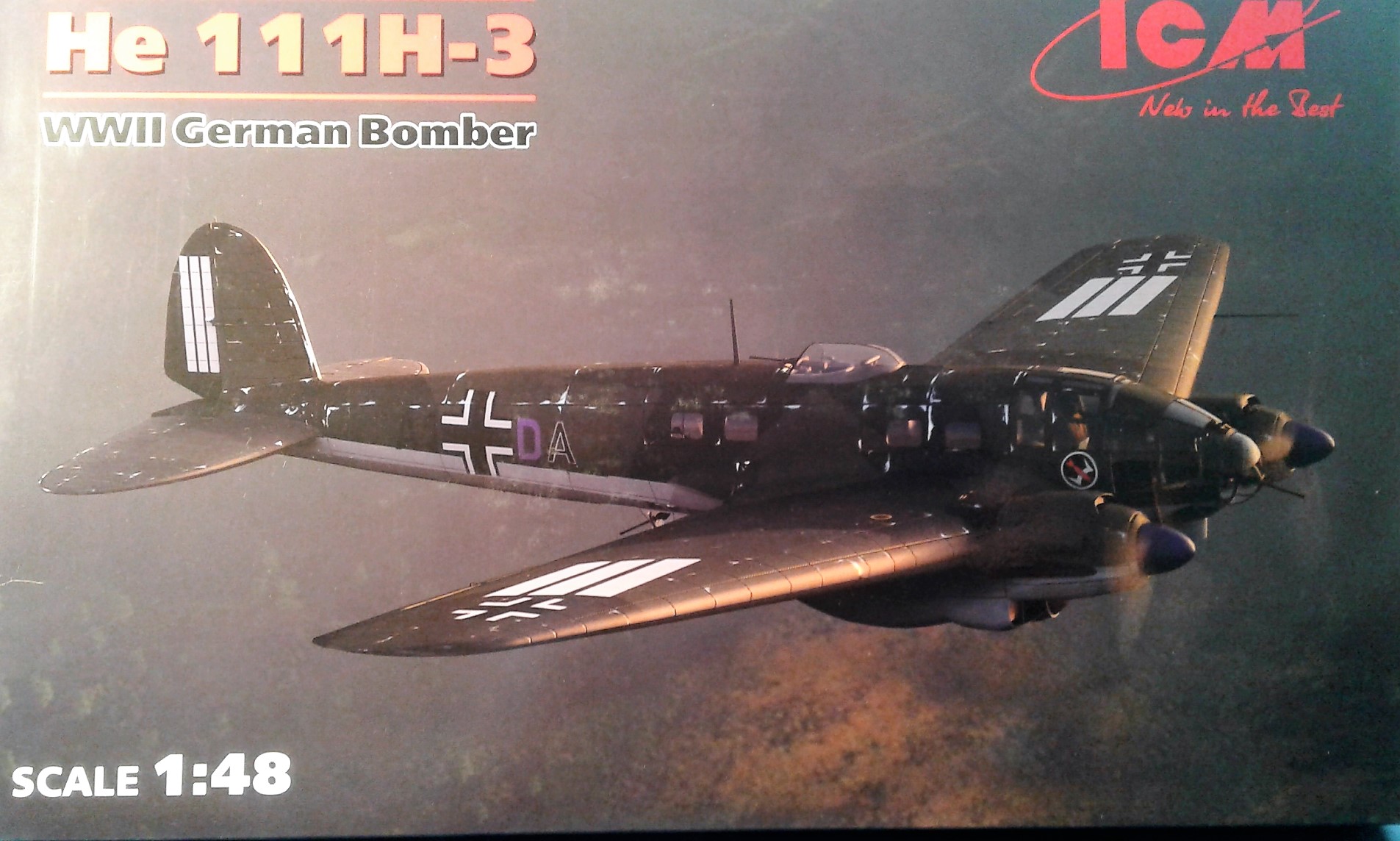
Next time I will look at reviews of those who have tackled ICM He 111H-3 and then start enjoying my forgotten hobby again.
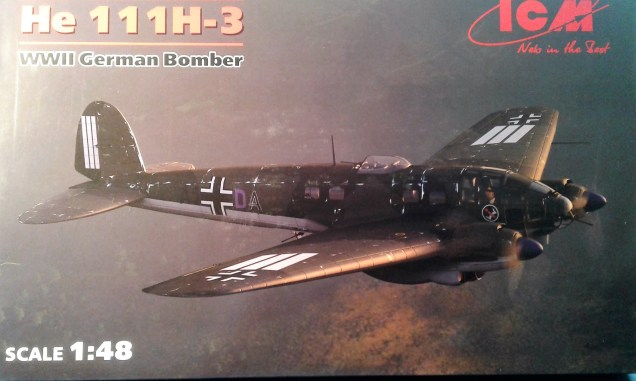
 

ICM He 111-H3

There is no turning back now…

There are some nice reviews of this model kit. Here’s a link to one of them.

1/48 ICM 48261 Heinkel He-111 H-3 Kit Review… and it’s a beauty!

These are the complete instructions downloaded from Scalemates.

1012792-25-instructions

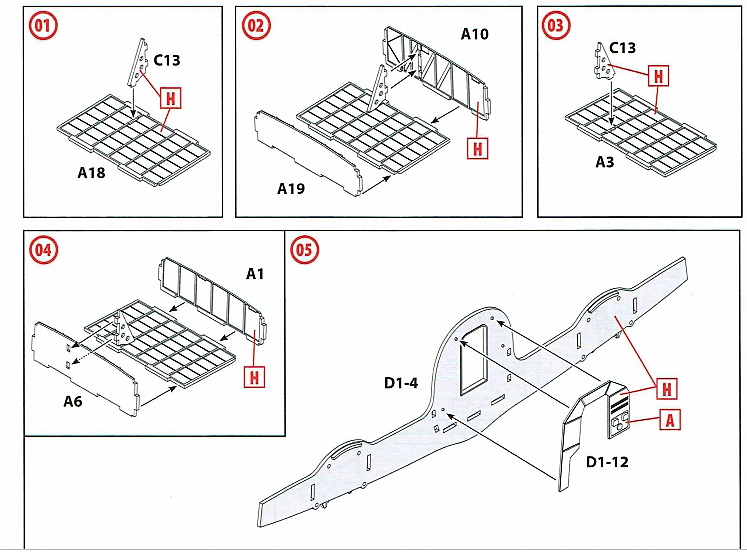
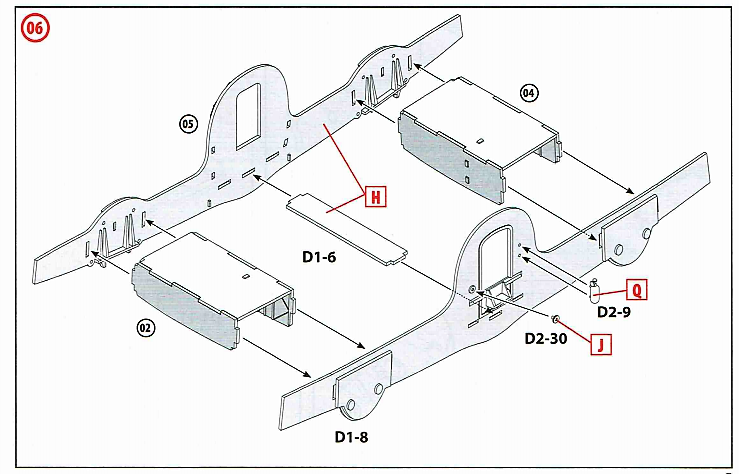
These are the first steps… There are 116 steps!


I will of course take a good look at what Plane Dave has to say about ICM He 111H-3 here… and I am sure to find good advice.

https://planedave.net/2020/04/17/heinkel-he-111h-3/

A nasty German in Woodville, Part Two, the True Facts

May be inspirational for my next build… Part 2.

jfwknifton's avatarJohn Knifton

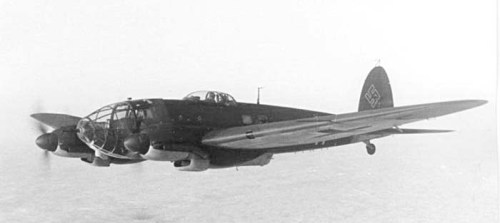
The Luftwaffe’s Gruppe III./KG.4, full name 111 Gruppe/Kampfgeschwader 4 arrived at Leeuwarden in the Netherlands in the middle of January 1941. They would be there until July 31st when they left for the Soviet Union and the Eastern Front:

During the first part of their stay, in one of the hardest winters for years, they spent a lot of time training and then taking part in planned air raids on the cities and ports of Great Britain. They were flying twin engined Heinkel He-111H version bombers, “hard to start greenhouses”, which scared the bejesus out of the locals who lived near the airfield. They were all loaded to the maximum limits with explosives and fuel, and on quite a few occasions, seemed to struggle to climb over the locals’ houses in this birthplace of Mata Hari:
On Tuesday, June 24th 1941 the pilot of one of the Heinkel He-111Hs…

View original post 857 more words

A nasty German in Woodville, Part One, the Legend

May be inspirational for my next build… Part 1.

jfwknifton's avatarJohn Knifton

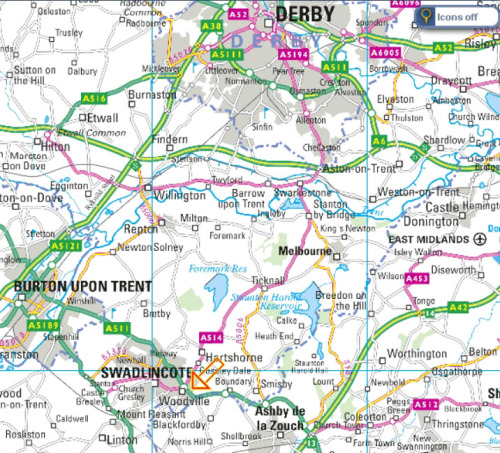
I grew up in a small village called Woodville, just to the south of Derby, in more or less the centre of England.

Derby was the home of an important Rolls Royce factory which made Merlin engines, the powerplant used by important World War Two aircraft such as the Spitfire, the Hurricane, the Mosquito and the Lancaster :

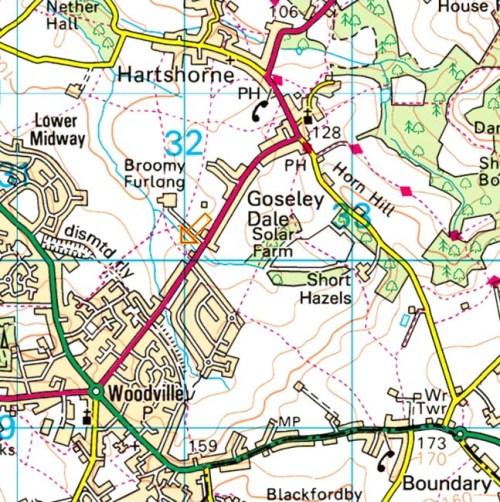
Shortly after the outbreak of war in 1939, steps were taken to protect this important Derby factory from enemy air attack. Immediate measures included the installation of a large calibre ex-naval gun on the western side of Hartshorne Lane, on some grassland near the public footpath, just beyond the site where the Dominoes public house was to be built shortly after the end of the war. Look for the Orange Arrow, my hearties!! :

This naval gun, probably taken from a scrapped old battleship, was extremely powerful and extremely noisy. Every time…

View original post 854 more words

Hunted. — Making History

There is something special about the Grumman Wildcat and I know what it is. It reminds us of the many aviators who flew it after December 7th, 1941.

They flew the Wildcat against an enemy who was flying far superior aircraft.

These aviators, mostly unsung heroes, made history…

“The art of war is simple enough. Find out where your enemy is. Get at him as soon as you can. Strike him as hard as you can, and keep moving on.” – Ulysses S. Grant
Hunted. — Making History