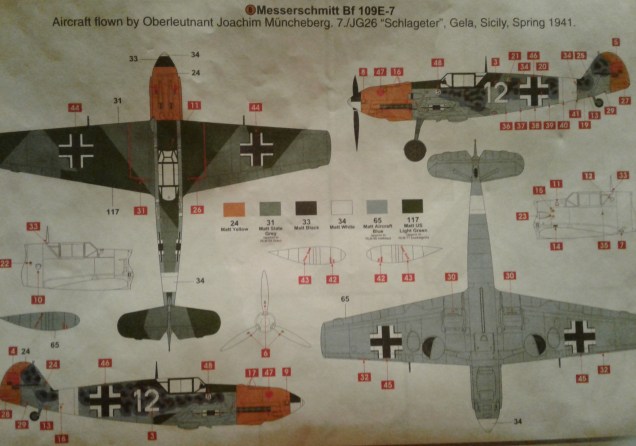
I have done some masking this morning.
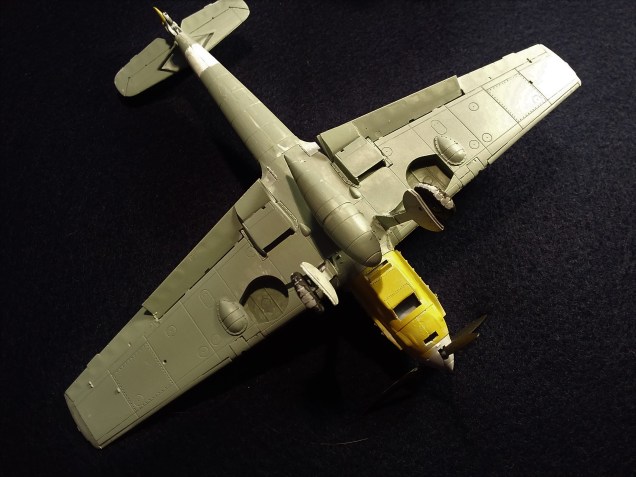
If all goes well, I should be airbrushing hellblau on the Me 109 and you should see the results later.
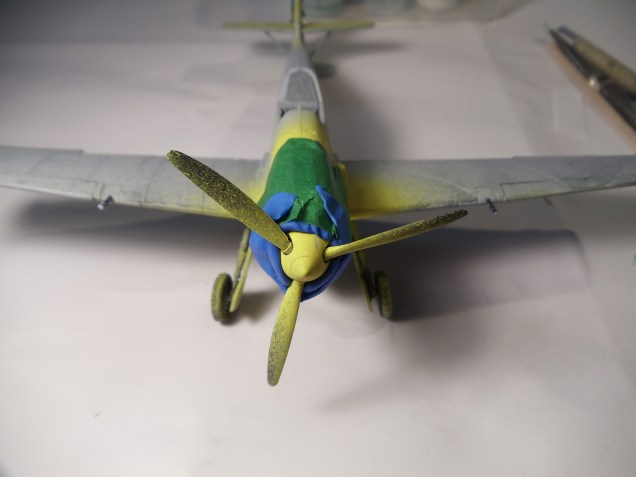
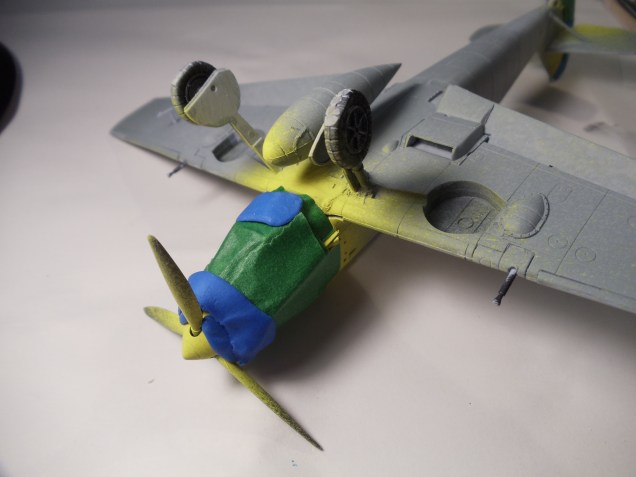
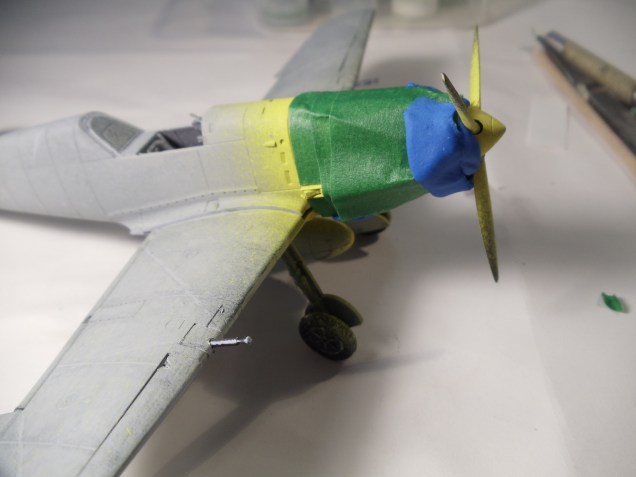
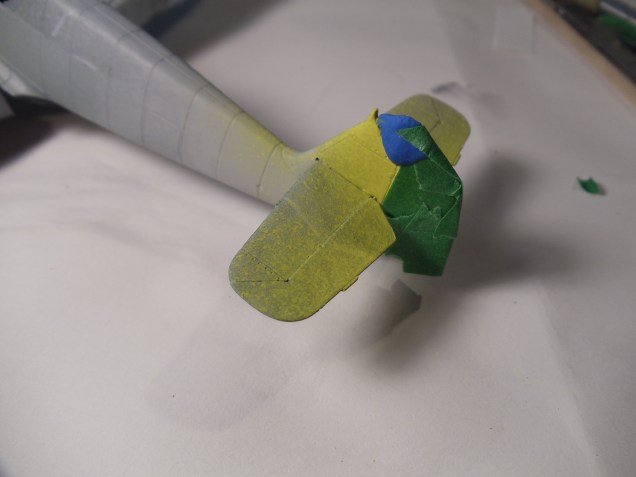
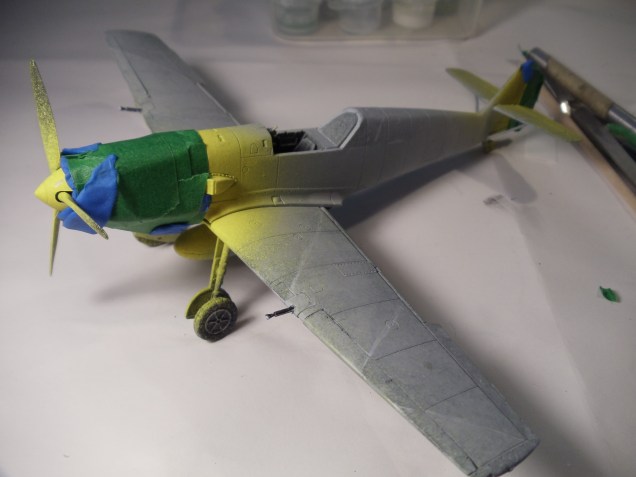
Updates will be posted here.
Updated 20 May 2020


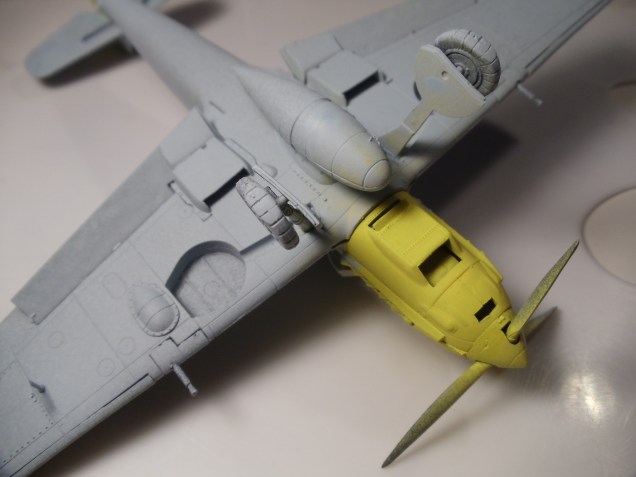
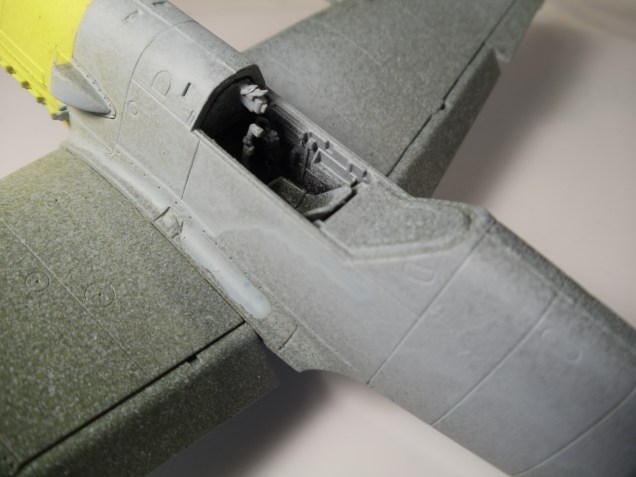
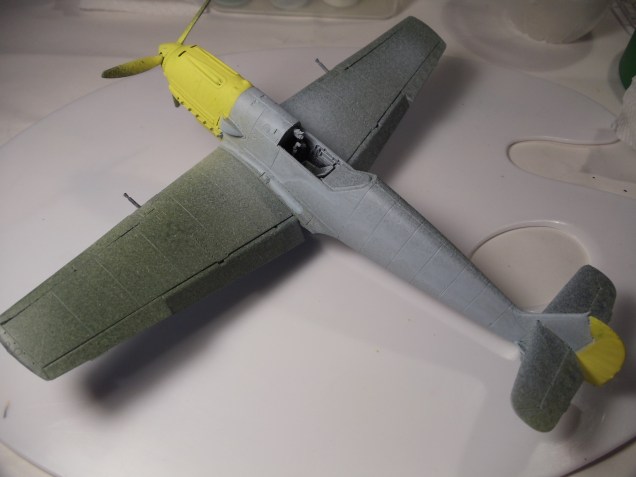
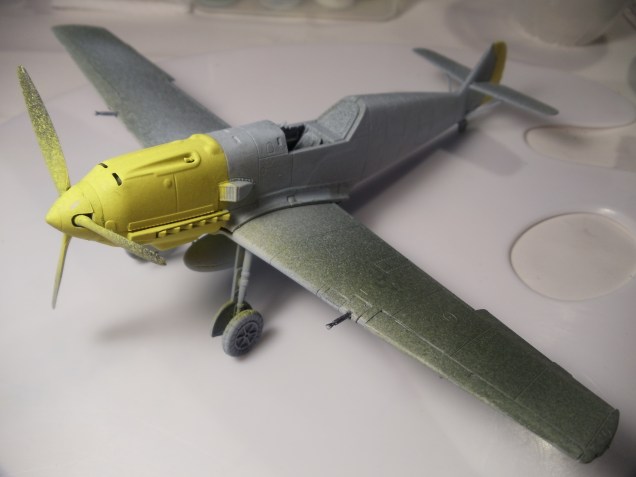
I have done some masking this morning.
If all goes well, I should be airbrushing hellblau on the Me 109 and you should see the results later.
Updates will be posted here.
Updated 20 May 2020
Working with 1/72 scale model kits took out some of my energy and I felt less motivated to work on these two hangar queens.
The weather was not conducive last week also, and I could not use my airbrush outside.
So I got thinking…
What should I build next?
Two Airfix Hawker Hurricanes are long overdue, and there are still all the kits that I bought earlier this year.
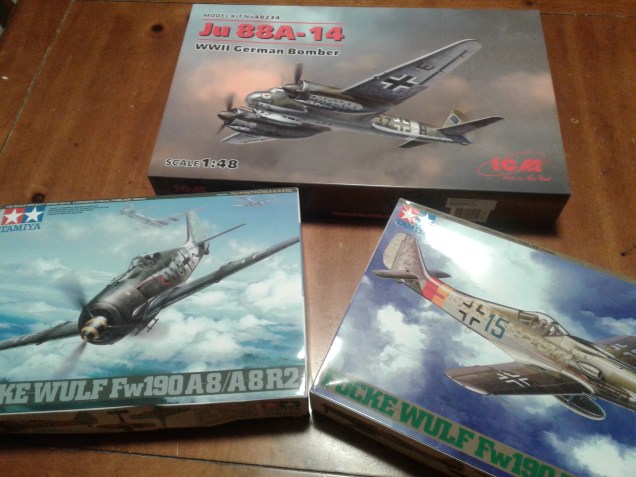
Samples of what I bought…
I am not getting anymore Amazon ads for model kits which in a sense is a relief, but is kind of strange.
I will probably set up my outdoors workbench tomorrow and start masking and painting the Me 109.


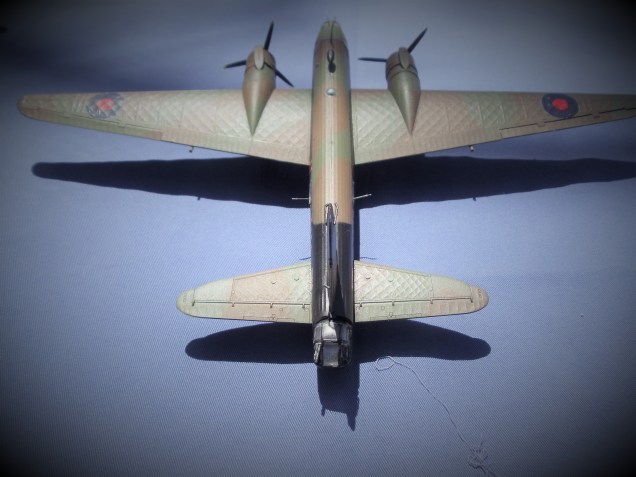
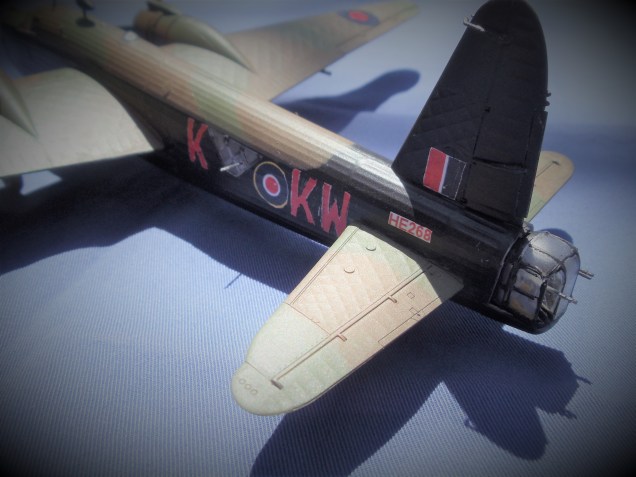
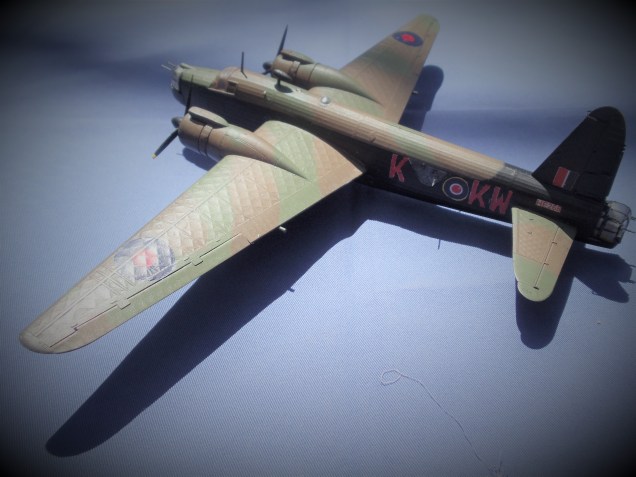
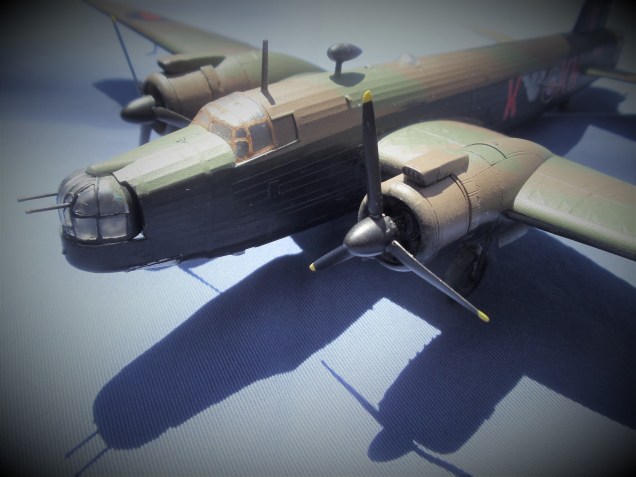
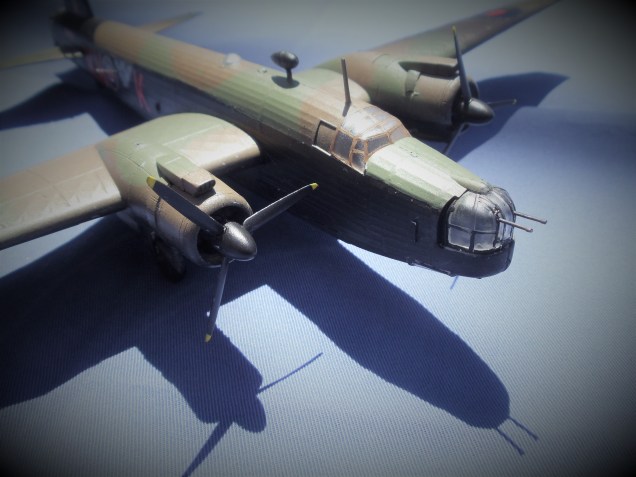
Dark green was sprayed this afternoon even with a temperature of 10° Celcius.

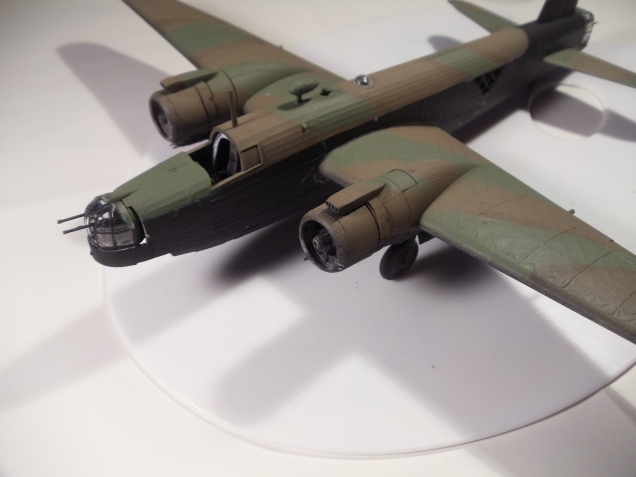

A few touch-ups will be needed but that won’t be a big problem.

This I won’t be able to fix…

Next time adding the propeller, the waist guns, the canopy and spraying clear acrylic before applying homemade decals.
Lots of masking tape and poster tack.
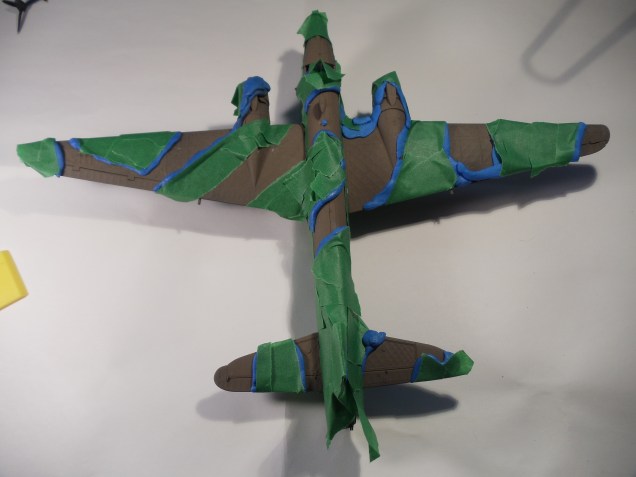
Warmer temperature is expected tomorrow so you should expect another update.
Even it I was progressing well with the Me 109 E-7 last February, I did not like what I had done with how I had painted it with a paintbrush. That is why I wanted to use my Badger airbrush again come springtime.
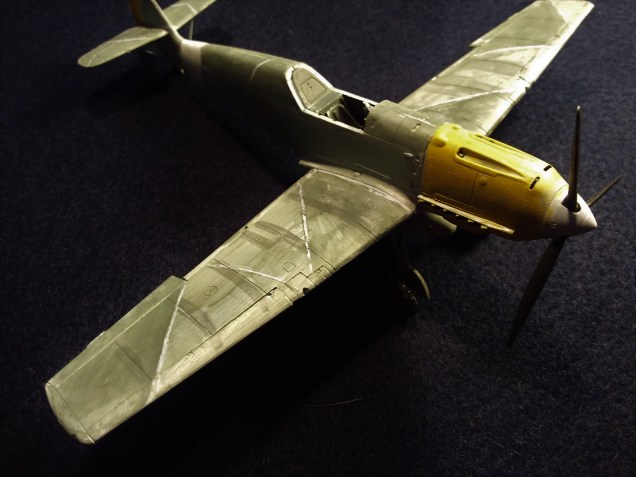
The brush stroke were all too apparent especially on the nose…
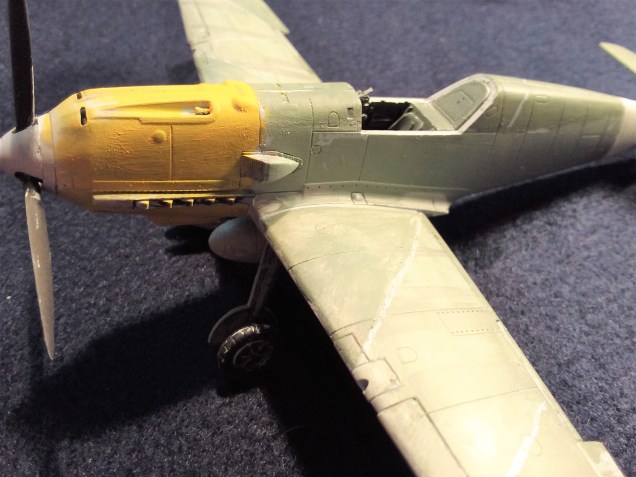
as well as on the white fuselage band.
But winter had left me no choice…
Being confined since March 11, and since spring was a little late, I had decided two week ago to give it a try…indoors!
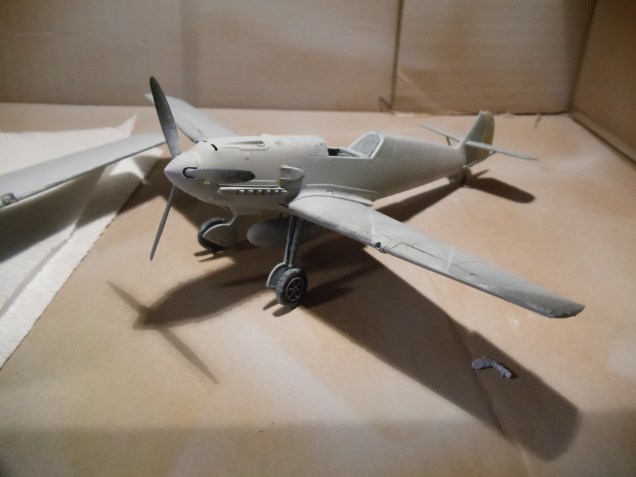
I had sprayed a gray base coat but the effect of fumes got my brains thinking otherwise…
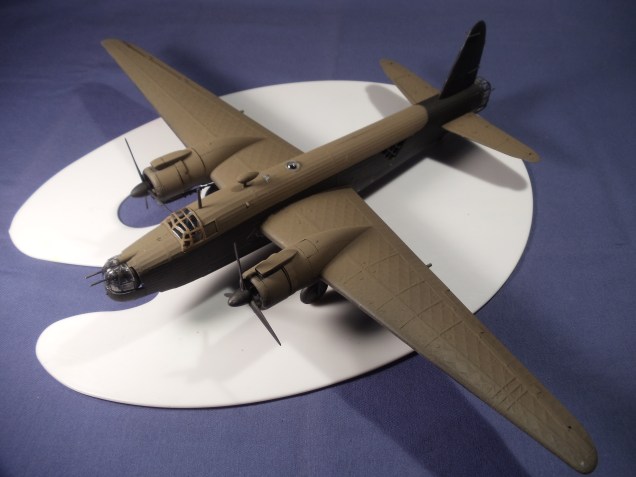
Last Thursday I had used on my airbrush. First with Trumpeter’s Wellington Mk X…
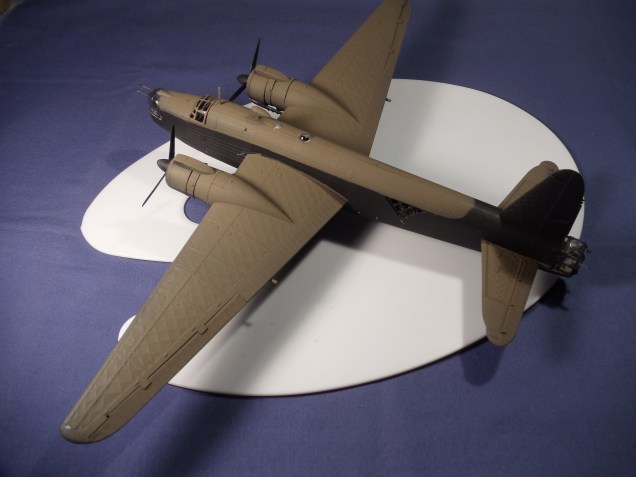


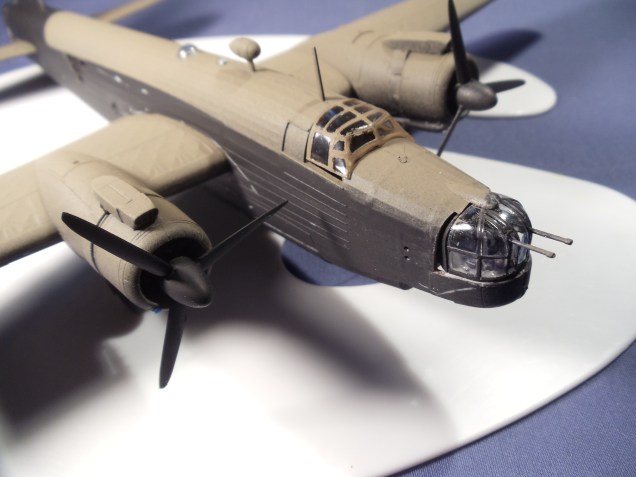
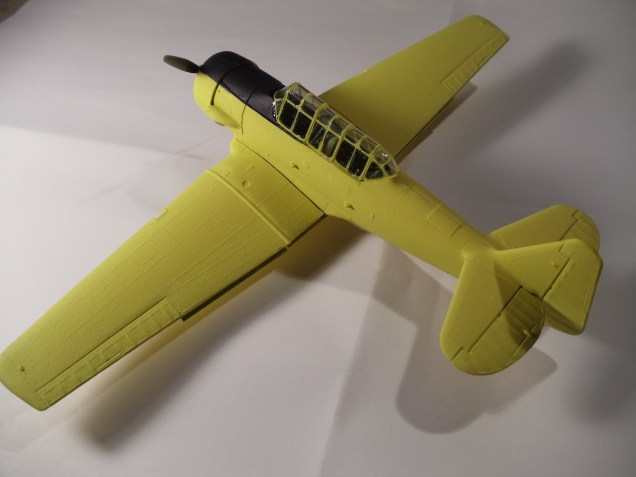
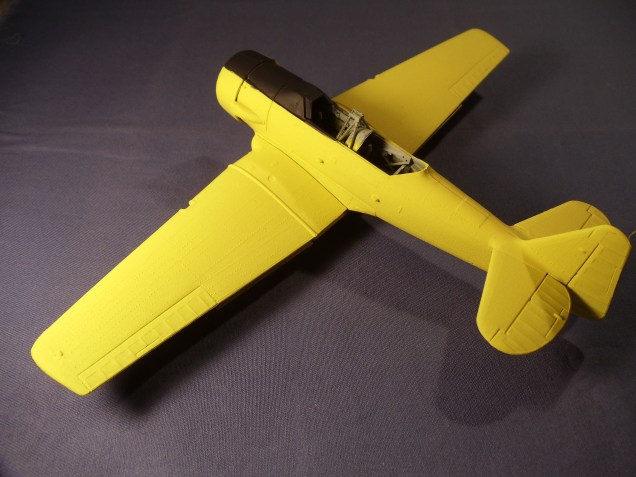
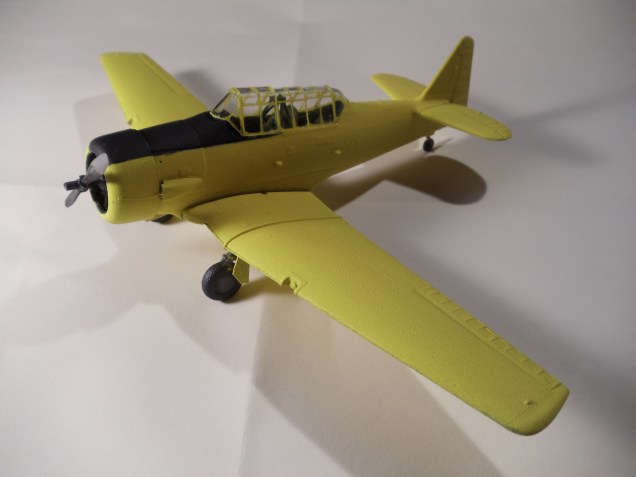
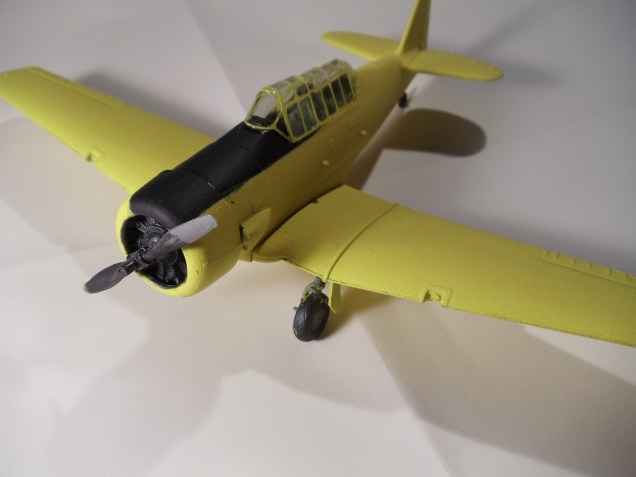
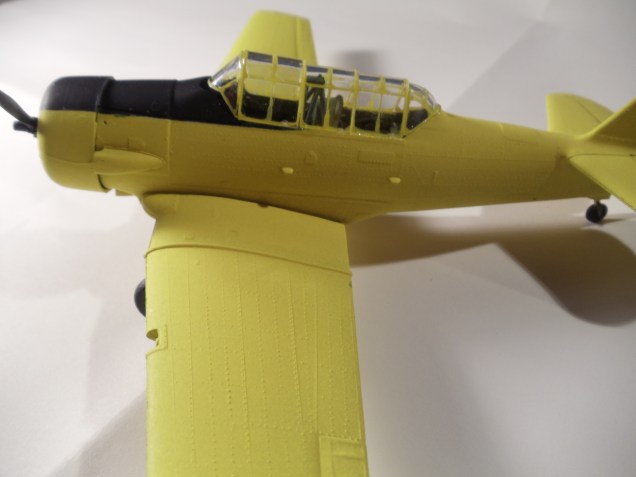
I then started binging on my airbrush and used it on my yellow Monogram’s AT-6 (Harvard)…
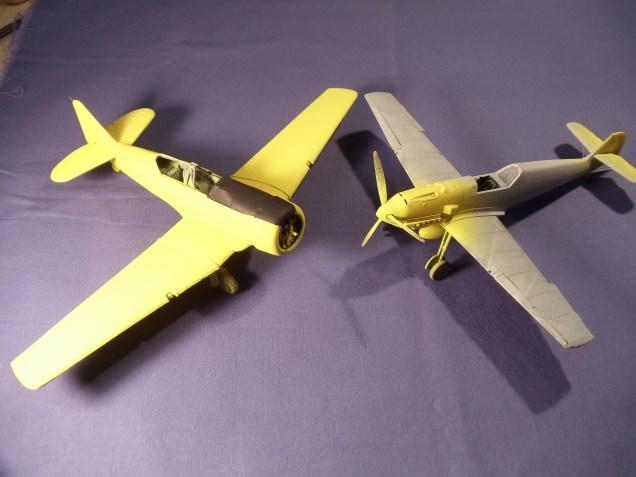
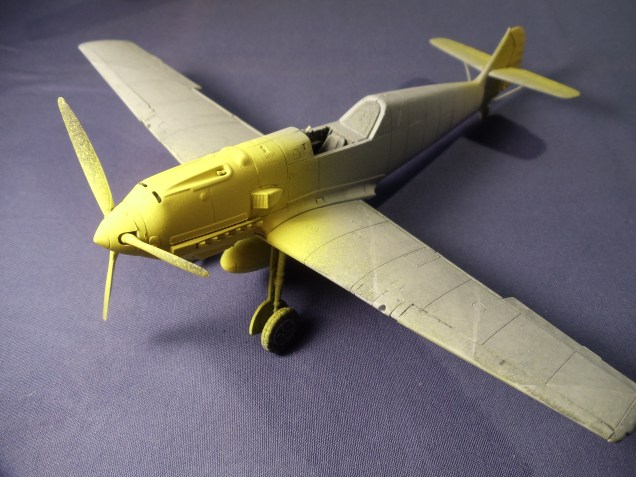
and on the nose…
.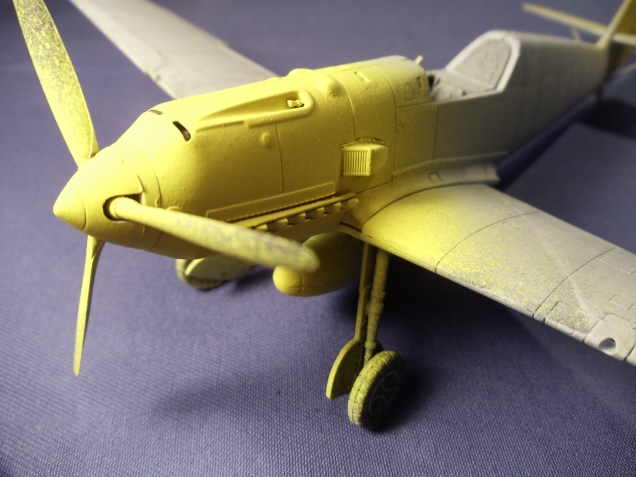

and tail of my Airfix’s Me 109 E-7…
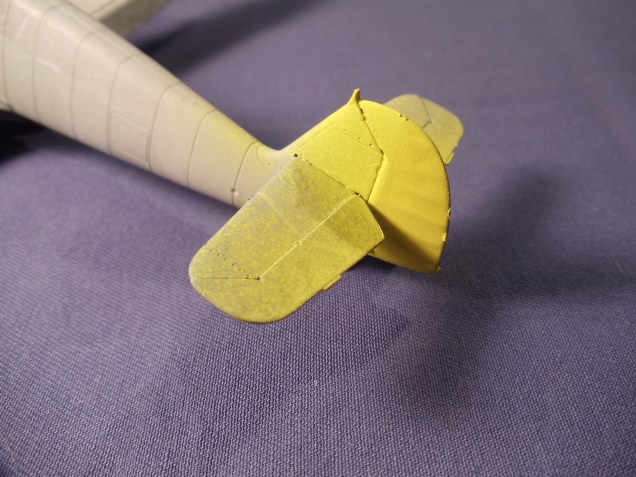
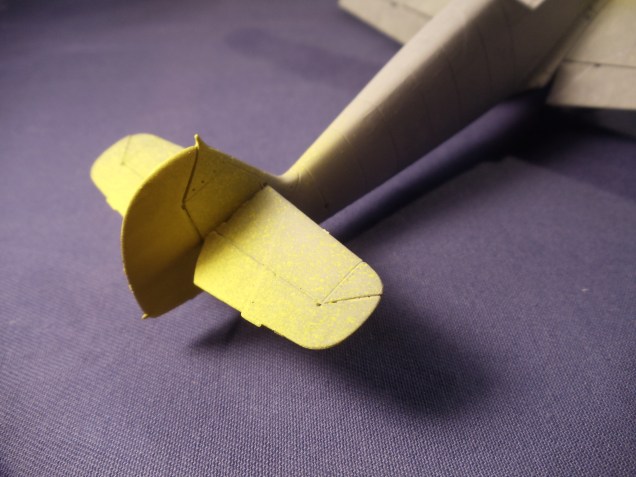

I know I will have to repaint the whole Me 109 E-7, but I will definitely use my airbrush now since spring is finally in the air.

Written in February 2020
My Forgotten Hobby III is much more than a just forgotten hobby. It’s more than building model airplanes since the 1960s. My Forgotten Hobby has been about a learning experience and sometimes about preserving the past of unknown heroes who gave so much.
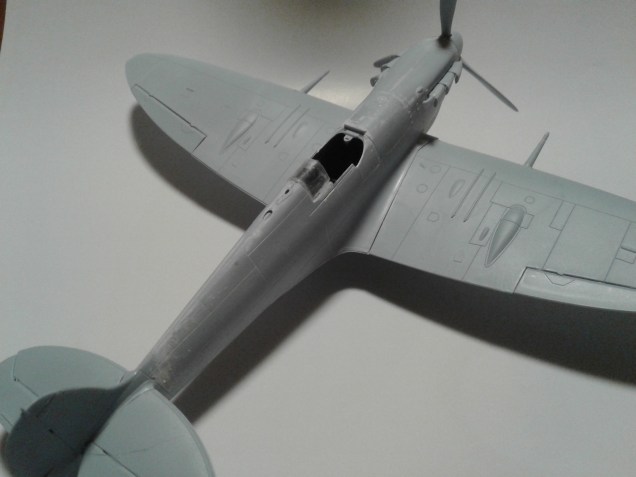
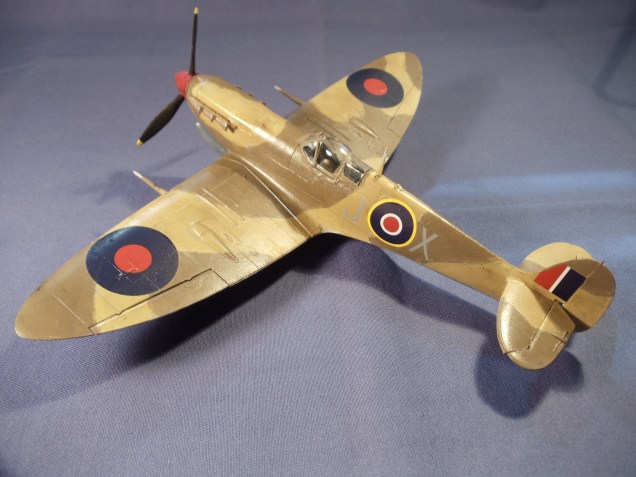
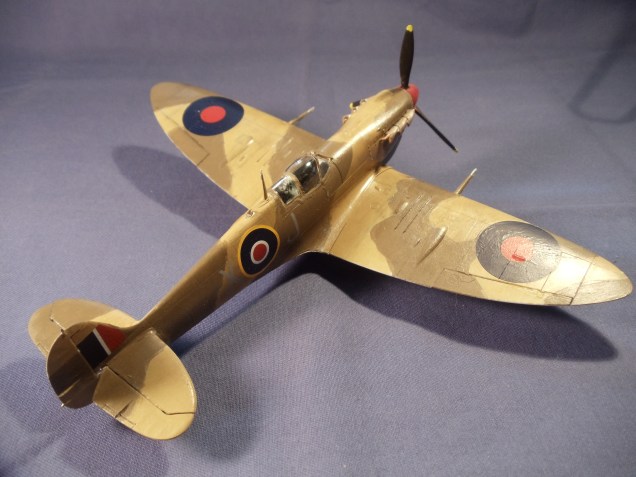
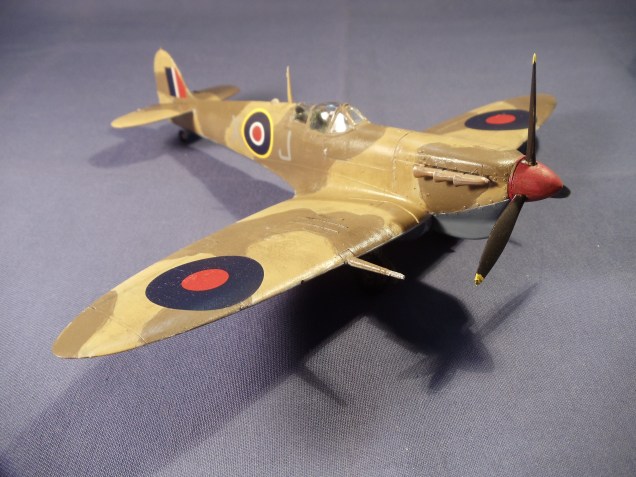
It is hard to decide how I will finish my Spitfire Mk Vb…
Buzz Beurling’s Spitfire?
While researching how to paint my Airfix Spitfire Mk Vb I stumbled upon this image taken on the IWM Website.
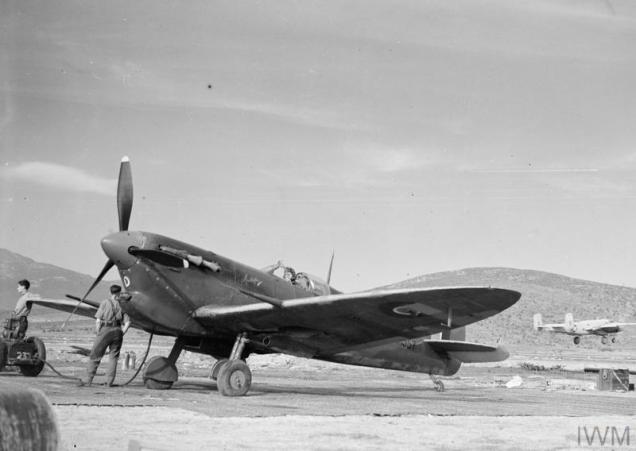
This is the description they give.
Supermarine Spitfire Mark VC, ER557 ‘EF-D’ “Mustapha”, of No. 232 Squadron RAF awaits the signal to start up in its dispersal at Tingley, Algeria. It formed part of the fighter escort for a force of North American B-25s of the 12th Bombardment Group Detachment USAAF, one of which can be seen taking off at right.
The caption says Spitfire Mk Vc, but while researching more I think RAF 232 squadron was not flying Spitfire Mk Vcs but Spitfire Mk Vbs.
As I was trying to find out the difference between a Spitfire Mk Vb and a Spitfire Mk Vc just to be sure I found this information. The Spitfire Mk Vc had the “c” wing which could carry four 20mm cannons. However most of the time the pilots would prefer having only two 20mm cannons instead of four.
So IWM is probably right unless I prove them wrong…
I know this won’t matter because I won’t modify what I am building right now. I will stay with the two 20mm cannons.
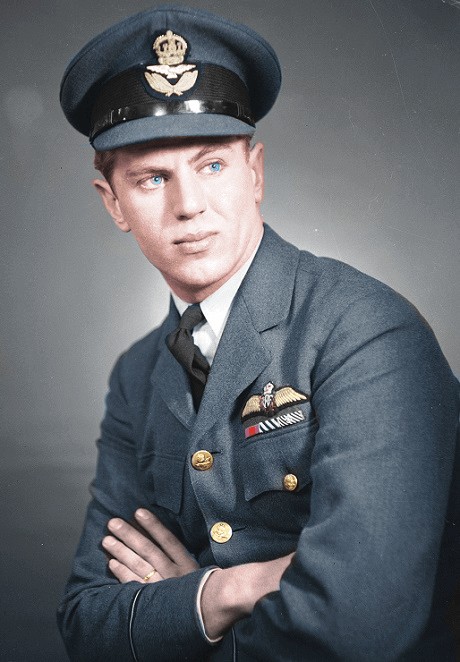
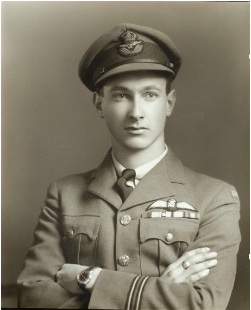
RAF 232 Squadron was somewhat special lately especially since I had this group photo shared Vicki Sorensen. Vicki’s father was Frank Sorensen.
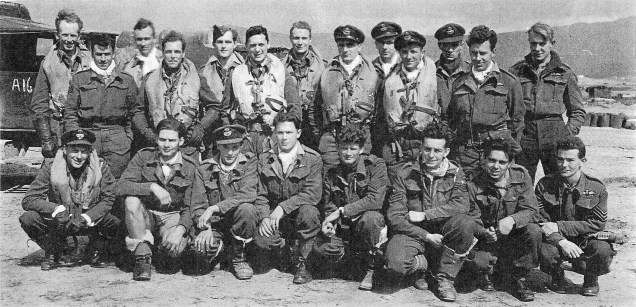
The group photo was taken at Tingley, Algeria in early 1943. It was shared by Arthur Sherwin, last row, second from the right. This photo is most interesting when we look at some Frank Sorensen’s log book pages.
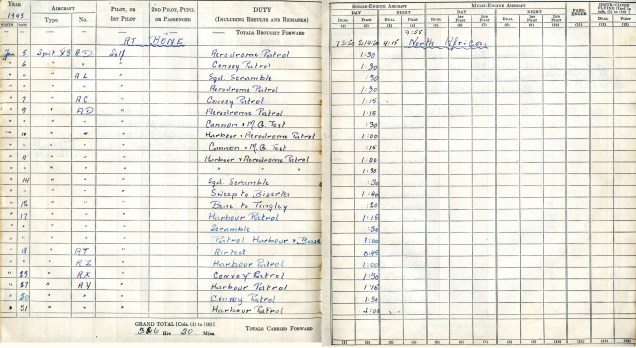
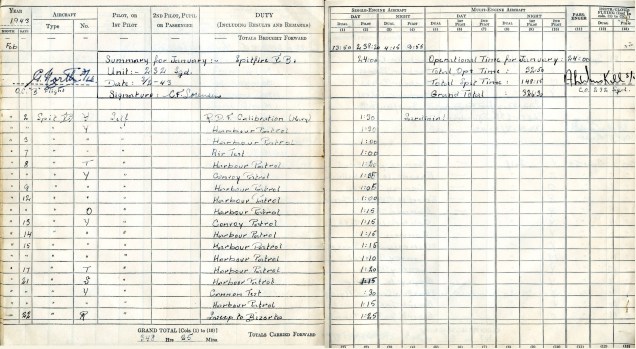
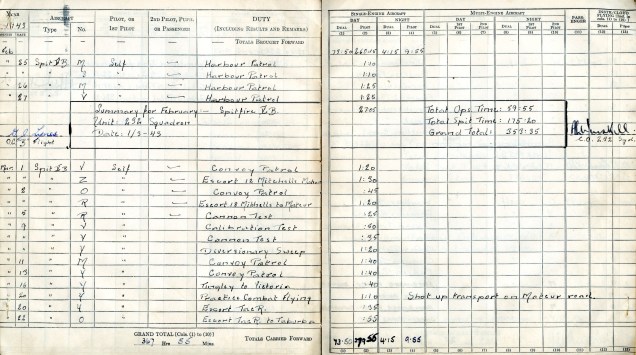
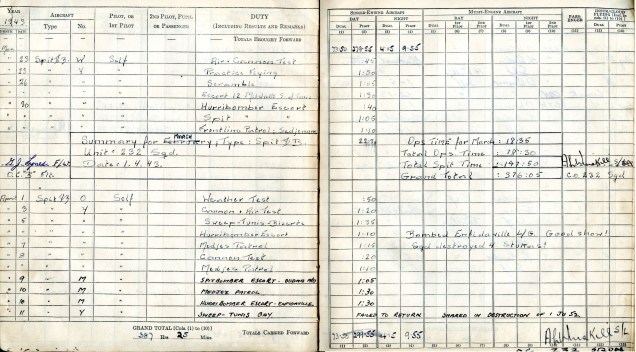
We clearly see he was only flying on Spitfire Mk Vbs not Spitfire Mk Vcs.
Frank Sorensen is the second pilot on the left in the back.
I will probably build my Spitfire Mk Vb as one of the Spitfires he flew.
Update May 10, 2020


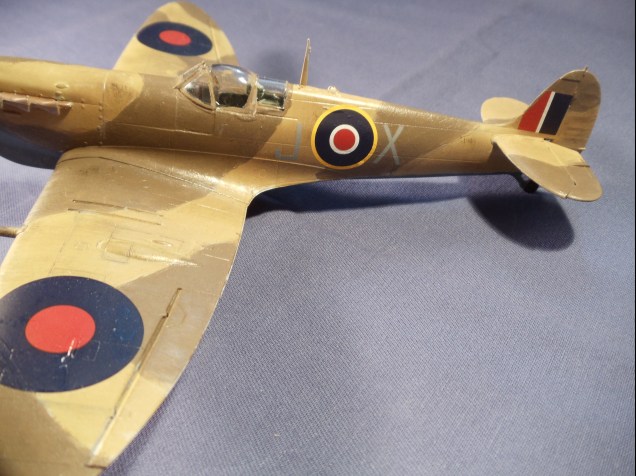
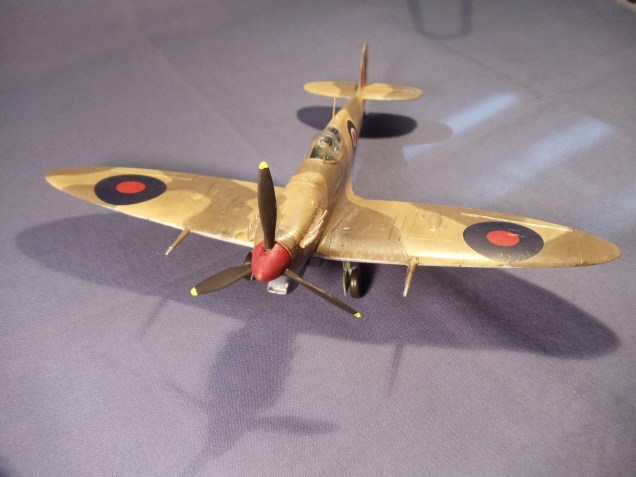



Written last winter…
So I went to Dunnville, Ontario, after seeing George Stewart and I could not stop writing about No.6 SFTS Dunnville, Ontario…
https://bcatp.wordpress.com/category/no-6-s-f-t-s-dunnville

Yesterday I have added a few more coats on the Harvard and I think I have added enough even if enough never seems enough.


I have learned my lesson with using black as a primer coat. I will now concentrate more on the homemade decals with this reference found on the Internet since I can’t use U.S. Airforce decals.


Update


This project was part of a bigger project.
James has written about it.
When I first had the great good fortune to meet Pierre Lagacé, I was starting to film a feature length documentary entitled “Fledglings” on 425 (Alouette) Squadron, Canada’s only French-Canadian bomber squadron during the Second World War. Pierre was an invaluable resource to me in tracking down former members of the Squadron for the purpose of interviewing them to record their personal experiences all the way from enlisting, training, going on operations and, for those who had the misfortune to be shot down over enemy territory, being captured by the Germans and imprisoned.
It was only as I got to know Pierre better, I came to realize that, in addition to his skills as an historical researcher, he was also a gifted model-builder. And so it was that I asked him to use his modelling expertise to bring to life two significant WWII Wellington bombers from the history of the Squadron.
At the beginning of the R.C.A.F.’s part in Bomber Command, the Wellington “medium” bombers were the initial mainstay of most Canadian squadrons for both training and operational purposes. Wellingtons were the “entry level” bombers from the date of the formation of 425 Squadron through its mining and bombing operations during the years 1942 and 1943 before the Squadron converted to the Halifax “heavy” bomber. Although the Wellington had a reputation of taking a lot of punishment and still being able to fly because of its unusual geodetic airframe, it had neither the range, altitude, speed, armament or bomb-load of the heavier bombers.
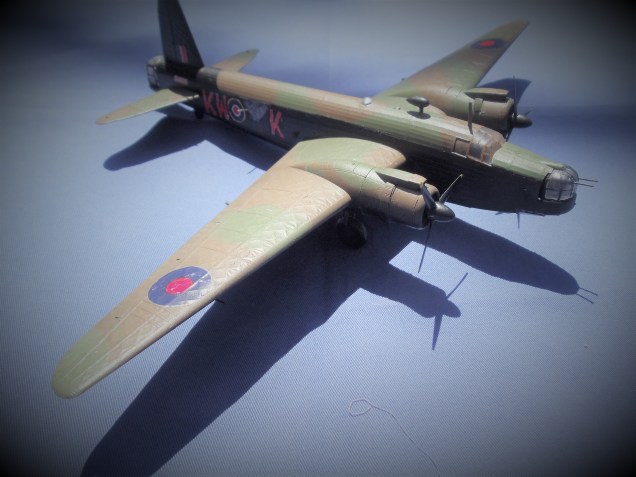
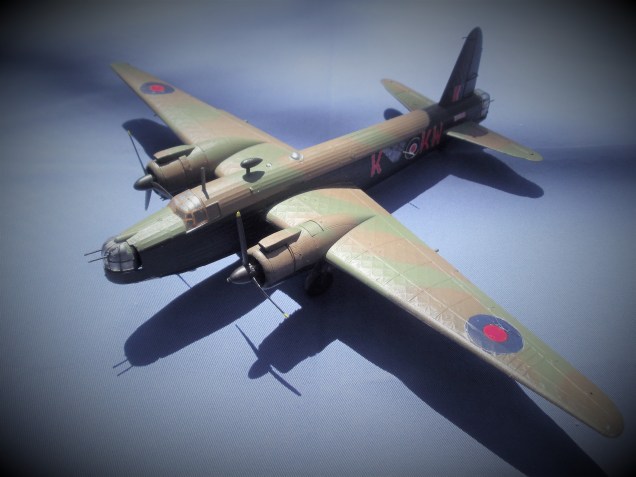
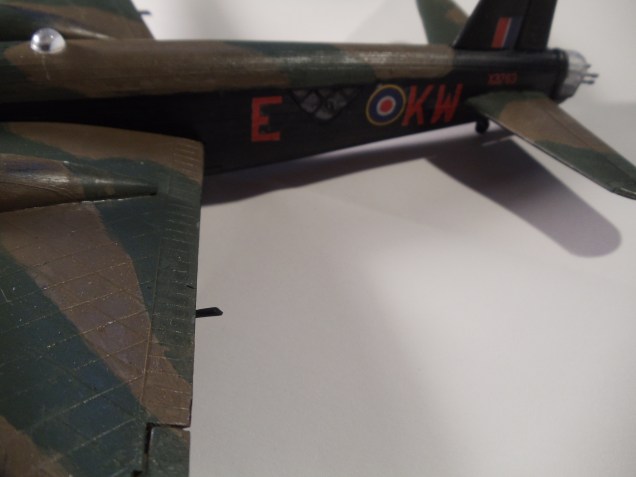
Alouette Squadron’s unique identifying code “KW” was painted on each of its aircraft, followed by a single letter specific to it. Should an aircraft need to be replaced, whether by virtue of loss, damage or up-grading, the replacement bomber would often inherit that letter. Such was the case with the Wellington B-III bomber designated KW-E, the first aircraft to carry that designation being production number BJ 652, operating out of Dishforth, the Squadron’s original base, in January of 1942.
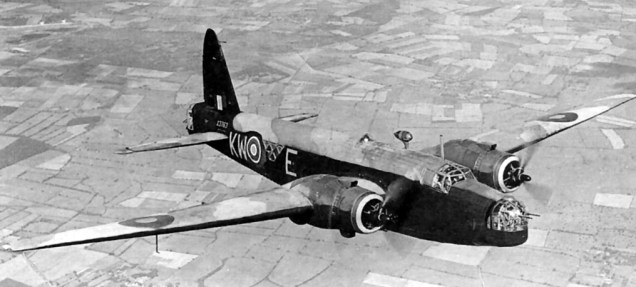
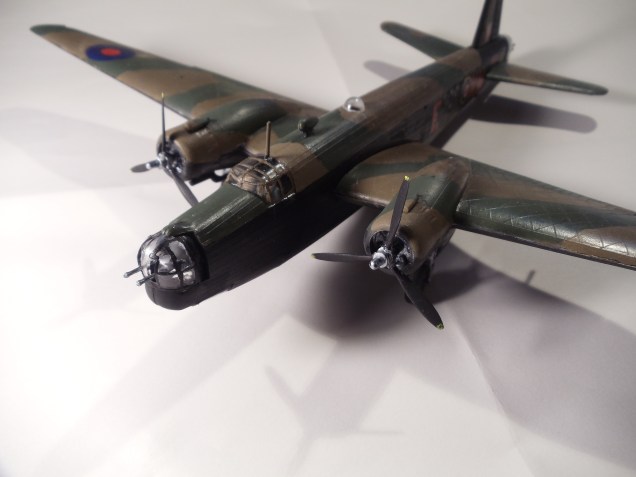
The Airfix model which Pierre built celebrated the KW-E Wellington X3763, the number also being painted on the fuselage. What makes this particular aircraft special is that it has one of the largest number of official war-time photos taken of one of the Squadron’s Wellingtons in flight, giving us a very clear picture of the detail of this design as operated by the Alouettes. These photos are our only point of reference for model-building given that there are no surviving examples of the Wellington B-III in existence.
Wellington X3763 met its end on a bombing operation to Stuttgart on April 14/15,1943, crashing in France and killing all 6 on board. In due course, the next aircraft to be marked KW-E was airframe HF529, part of the Squadron’s conversion to the Wellington X in anticipation of the Squadron’s little known transfer to North Africa as part of Operation Husky, the invasion of Sicily and mainland Italy.
I have asked Pierre to build a Trumpeter model of the Wellington X, tropicalized for desert operations, and to mark it as KW-K, airframe HE268, to commemorate the only Alouette Squadron aircraft to be lost on its way to Africa in June of 1943.
Although the main body of the Squadron, mostly ground crew and administration, had already left their Yorkshire base and made their way by sea to Algeria in May, the aircraft were to be flown via Gibraltar and Morocco to their new base of operations in Tunisia. The aircraft started their journey from R.A.F. station Portreath in southwest England in order to cross the Bay of Biscay as far as possible from German airfields in France. In further anticipation of enemy fighter activity, the air crew were supplemented by 2 ground crew members summarily trained to man waist machine guns mounted on either side of the Wellington Xs for the purpose of protecting the vulnerable beam sectors that the nose and rear turrets could not reach.
Unfortunately, these precautions were insufficient to prevent an attack by a Junkers 88, with KW-K suffering such significant damage including wounds to two crew members that it was unable to continue and was abandoned over Portugal. Fortunately, the crew parachuted safely and were interned in Portugal before being repatriated to the U.K. over the summer of that year.
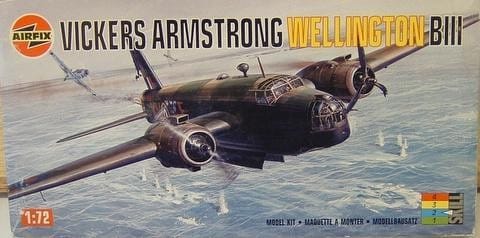
I have changed my mind about how to picture my Airfix model kit.
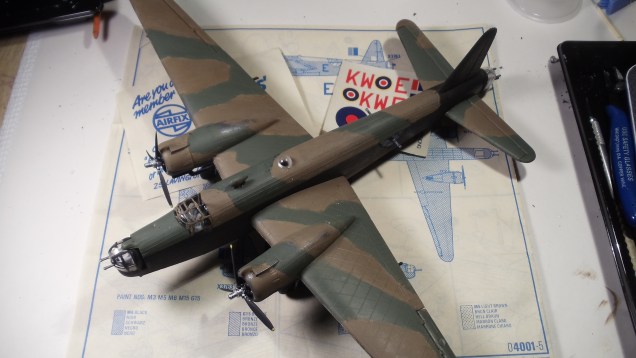
Now I want to show it with the original Airfix decals. With this in mind I have decided to use the decals which were sitting in the original box. The kit and the decals were probably there since the mid 1970s.
Just in case, I had made new decals. KW-K decals will be used for James’ Trumpeter Wellington Mk X and KW-E as a back-up for the Wellington Mk III.
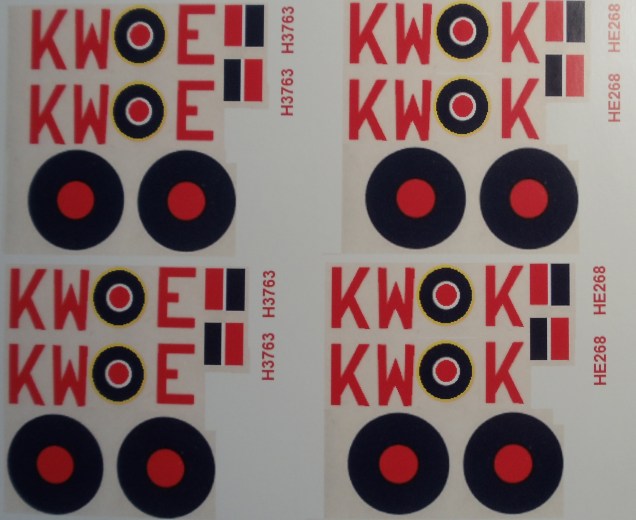
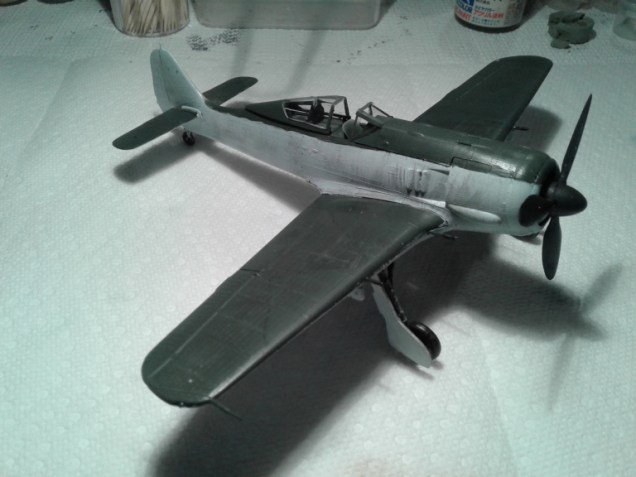
I was expecting that the old decals would break apart like they did with my Monogram FW 190…
But lo and behold this is what I got!

 My Forgotten Hobby III