How to display my 1/48 scale model airplanes?

I finally found what I was looking for!

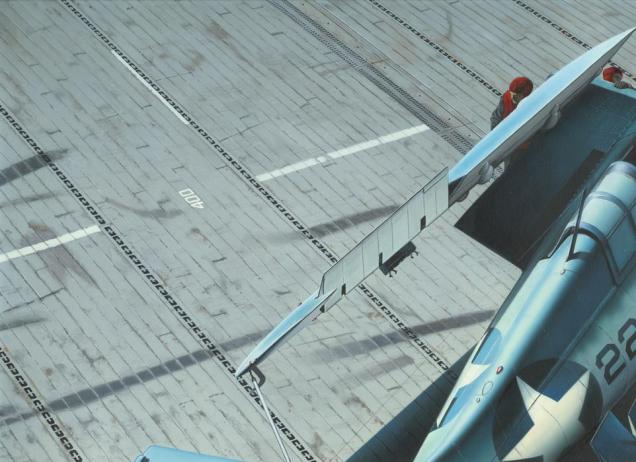
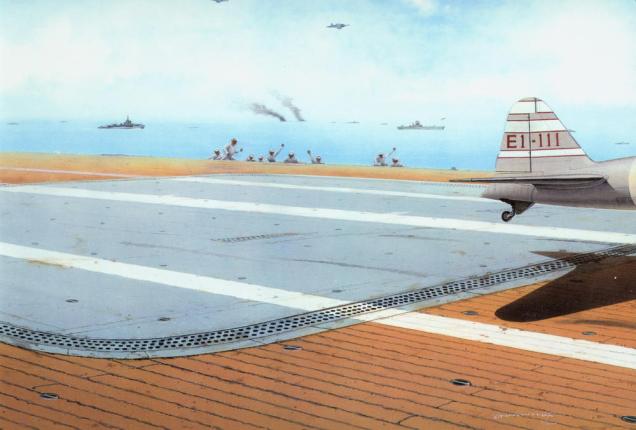
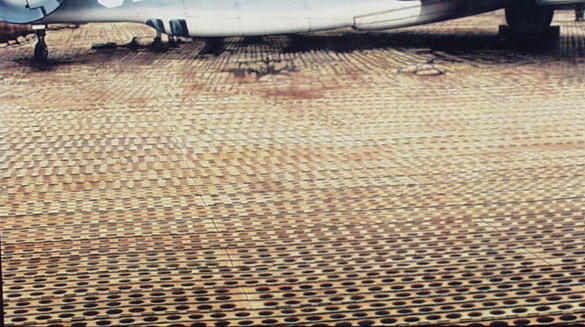
I found these model pads made by Eduard to display some of my model airplanes…

They are all in 1/48 scale.

I bought three of these…

Eduard carrier deck

And one each for these.

Eduard Japanese carrier deck

Eduard PSP

What I have also found is a great online store for my addiction.

https://www.modelhobbies.co.uk/

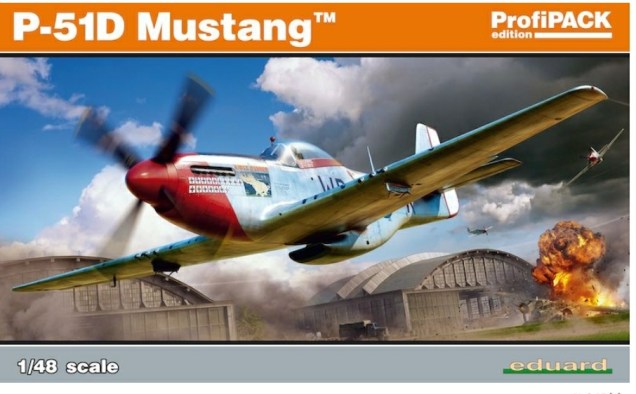
Kit News: Eduard’s Next Release of Its 1/48 North American P-51D Mustang — Iwo Jima Models

What I bought myself as a Father’s Day gift not knowing how great it would be…

Instructions

Eduard has not disappointed with respect to the number of different boxings of its new 1/48 North American P-51D Mustang that have been released so far, nor has it been shy about announcing future boxings of the kit. So far Eduard has released a Limited Edition “Chattanooga Choo Choo” P-51D-5 (with the swayback fillet) boxing; […]

via Kit News: Eduard’s Next Release of Its 1/48 North American P-51D Mustang — Iwo Jima Models

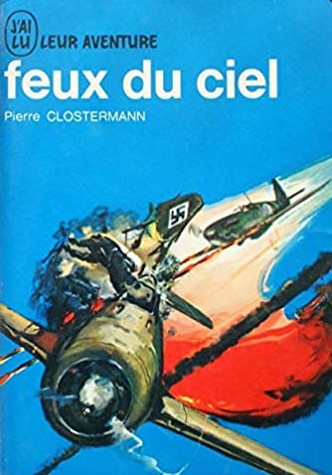
Intermission – Feux du ciel

Happy 4th of July to all my American friends, old and new!

Happy 4th of July

My Forgotten Hobby III will be pausing for this summer unless I decide otherwise.

51xrEP7VAbL._SX353_BO1,204,203,200_

I have started reading Feux du ciel a second time around. The last time I had read it was in 1965. The Bataan chapter was the chapter that had always captivated me especially with the image of two P-40s etched in my mind.

This is an excerpt from the book (page 52)…

Numérisation_20200701 (2)

C’est la fin du 24th Interceptor Command. Les quatre derniers Curtiss P-40 de Bataan sont restés dans cette mission.

Le 9 avril, les rares survivants des forces armées américaines de la péninsule capitulaient. Auparavant, Mac Arthur (sic) avait fait évacuer à Mindoro, dans le vieux Bellanca, le capitaine Dyess qui devait survivre aux blessures des cinq balles de 7 mm qui I’avaient atteint, pour recevoir des mains mêmes du Président Roosevelt, la Médaille d’honneur du Congrès.

Translation

This is the end of the 24th Interceptor Command. The last four Curtiss P-40s from Bataan were lost on this mission.

On April 9th, the few survivors of the peninsula’s U.S. Armed Forces surrendered. Earlier, MacArthur had evacuated Captain Dyess to Mindoro, in an old Bellanca. He had survived wounds from the five 7 mm bullets that had strucked him. He received the Congressional Medal of Honor from the very hands of President Roosevelt.

In 1965 that’s what I had read and there was no Internet to know more. Now I was more curious than ever to learn more about what had happened to Captain Dyess after he was evacuated in an old Bellanca.

However…

Source: https://en.wikipedia.org/wiki/William_E._Dyess

When the Bataan Peninsula fell to the Japanese, Dyess, as commanding officer, refused to abandon those of his squadron who could not be evacuated. He gave his airplane (“Kibosh”) to another fighter pilot, Lieutenant I.B. “Jack” Donaldson, for last bombing run on April 9, after which Jack was ordered to fly it to Cebu, where he crash landed. Dyess also supervised the evacuation of Philippine Army Colonel Carlos Romulo, a close friend of General Douglas MacArthur, who would survive the war and would later serve as President of the United Nations General Assembly.

Captain Dyess refused to abandon those of his squadron who could not be evacuated. I guess this makes him more than just a hero.

On the 4th of July, 2020 My Forgotten Hobby III wishes to remember Captain William E. Dyess.

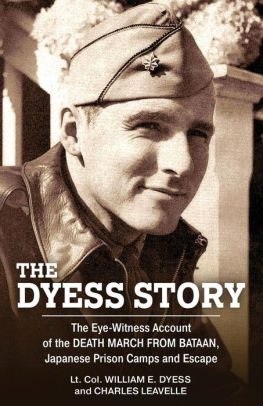
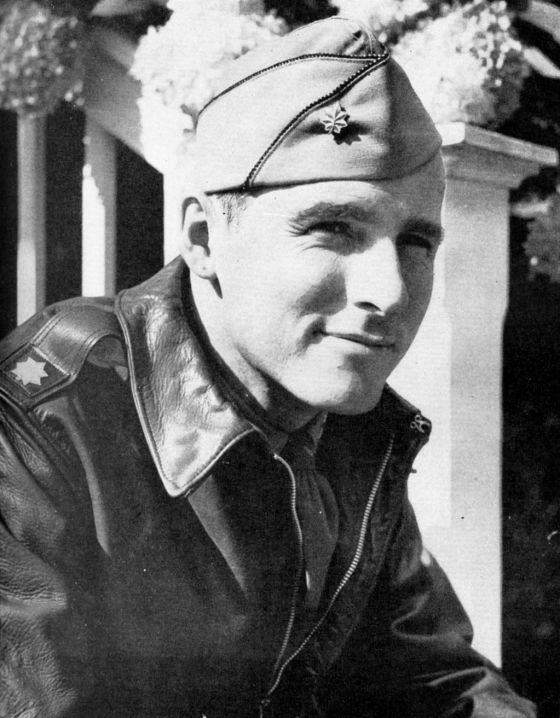
Dyess

The Dyess Story, first published in 1944, is the moving World War II account of William Dyess (1916-1943), a US Army Air Force pilot who was captured by the Japanese in the fall of the Philippines. Dyess then took part in the infamous Bataan Death March, and was a POW at Camps Cabanatuan and O’Donnell before his transfer and eventual escape from the Davao Penal Colony on Mindanao. His horrific story, one of the first to be published in the U.S. during the war, shocked and angered the nation. Illustrated with maps and photographs. Sadly, on December 22, 1943, Dyess was killed in a training accident in California while testing a P-38 fighter; he was only 27 at the time.

More reading about him here:

https://warfarehistorynetwork.com/2017/07/17/hero-to-the-end-airman-ed-dyess-on-the-philippines/

More here:

https://www.reporternews.com/story/news/columnists/ronald-w-erdrich/2019/11/06/ghosts-bataan-stretch-abilene-asia/3967503002/

Excerpt

Eventually, Dyess was transferred to a prison in Davao, 650 miles south on Mindanao. From there, he led the escape of nine other American and Filipino POWs, the largest such escape in the Pacific Theater during World War II. For months he evaded captured, finally returned to safety in July 1943.

When Dyess returned to the United States, his story was kept secret. No one wanted to risk offending the Japanese, the calculation being they would treat American prisoners even worse.

It was only after Dyess was killed that his story was released. On Dec. 22, 1943, the P-38 he was flying over Burbank, Calif. lost power to an engine. While he could have abandoned his aircraft and parachuted to safety, it would have meant the airplane crashing into a home, possibly killing those on the ground.

Instead, he flew the plane into a vacant lot where he died on impact.

1024px-William_Edwin_Dyess


A Tribute to the Cactus Air Force

About a Wildcat and the pilot who flew it

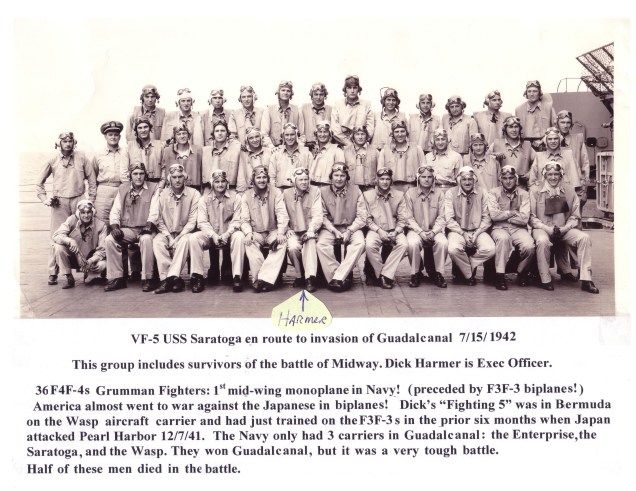
1942-vf-5-squadron-saratoga-mod

Pierre Lagacé's avatarMy Forgotten Hobby

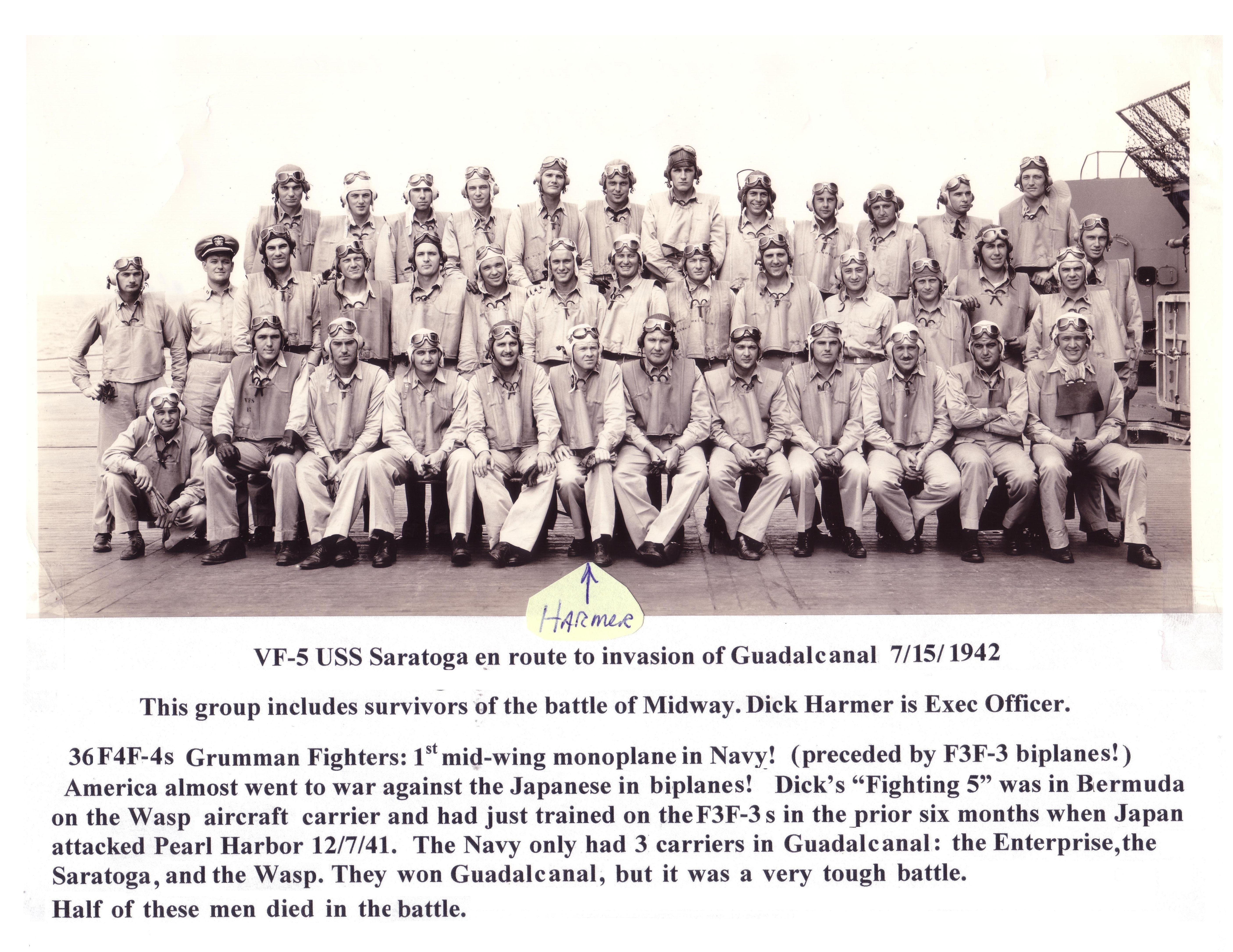
1942-vf-5-squadron-saratoga-mod

While I kept searching for more and more information on VF-5 and on these mostly unsung heroes seen on the above picture shared by Tom Harmer, the son of Richard “Chick” Harmer, I stumbled upon this Website which will guide me for my next project on My Forgotten Hobby.

This is the link : http://www.daveswarbirds.com/cactus/cactus.htm

This is the introduction written by the author.

Introduction

This site is dedicated to those men who helped defend the skies over the island of Guadalcanal during the period August 1942 through November 1942.

You might wonder why a website has been made just for this subject. It started merely as an exercise in web page development, but soon became a labor of love. I had just finished reading the book “Fighter Squadron over Guadalcanal” by Max Brand, and I found myself thinking the same thoughts that I had had when I had read “The…

View original post 761 more words

1/48 Hasegawa RF-86 Haymaker

Too good for not sharing…

ModelAirplaneMaker's avatarMODEL AIRPLANE MAKER

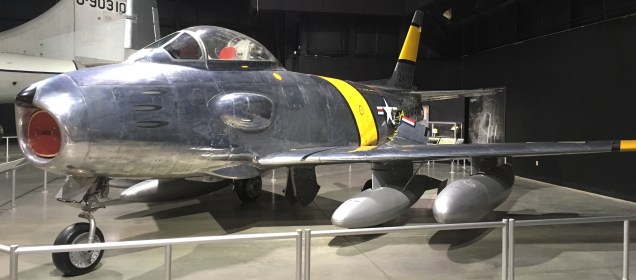
In the Spring of 2019 I made the trip to Dayton Ohio in order to attend WrightCon and to visit the Museum of the United States Airforce.  My collective 6+ hours in the museum felt incredibly rushed because there is simply too much to look at.  The report of my USAF Museum visit also seems incredibly rushed because I tried to fit it all into one post.  I could easily make individual posts about the airplanes that stood out.  One of those ‘stand out’ airplanes was the RF-86 “Haymaker” Sabre.

IMG_2925

What is an RF-86 Sabre?

The RF-86 is a variant created from the F-86F Sabre.  This was a conversion that turned a tactical fighter into a strategic reconnaissance aircraft.  The guns and gun sight were removed and camera equipment was installed in the gun bay.  Due to the size of the equipment and film canisters, some large fairings had…

View original post 1,613 more words

About my collection of model airplanes

Updated 5 January 2025

Having build another model kit, I have updates my to-do list. I now consider my to-do list more as a list of my collection of unbuilt model airplanes. I thought a few years ago that it was a great idea to have a to-do list of what I have in my collection, especially when Amazon was always putting on ads whenever I was opening my computer and going on the Internet.

This was before Plaza Japan started hitting me with the same.

I was hoping that I could be avoiding going on another spending spree, and planning ahead on my next builds by setting up some priorities… Well I was being wrong and I kept adding more model kits in my collection. This is now the updated list of model kits as of January 5, 2025.

Planes (65) Academy (1)

USN TBF1-3 Avenger (bought Spring 2023)

ICM (1)

Ju 88 C-6 (bought on January 21, 2020)

Airfix (2)

Boulton-Paul Defiant (bought in 2018)

Battle of Britain and Hawker Hurricane Mk 1 (bought in 2018)

Eduard (10)

P-39 Weekend edition (bought in December 2019)

Spitfire Mk IX (bought in December 2019)

Spitfire Mk XVI Weekend edition (bought in January 2020)

Me 110 E (bought in January 2020)

Me 109 G-4 (bought in February 2020)

FW 190 D (bought in March 2020)

Me 109 E-3 (bought in March 2020)

FW 190 A-8 (bought in March 2020)

Hawker Tempest Mk V (bought in June 2020)

P-51 D (bought in June 2020)

Tamiya (28)

Bristol Beaufighter Mk VI (bought after 2000)

Hawker Harrier (bought in the 1990s)

de Havilland Mosquito (bought in 2018)

P-47 M (bought in 2019)

F4U-1/2 Corsair (bought in August 2019)

F4U-1D Corsair with tug (bought in 2019)

Me 262 (bought in December 2019)

FW 190D (bought in January 2020)

IL-2 Sturmovik (bought in February 2020)

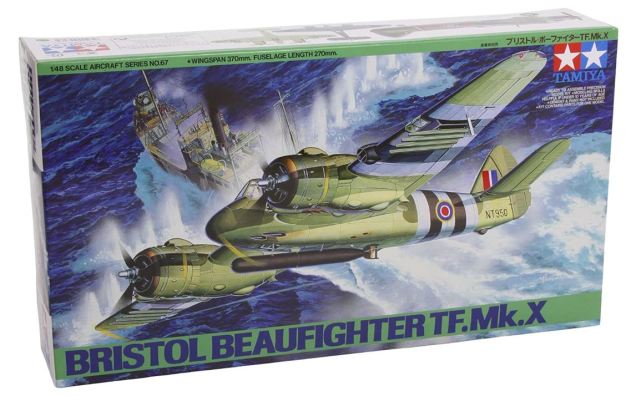
Bristol Beaufighter TFX (bought in June 2020)

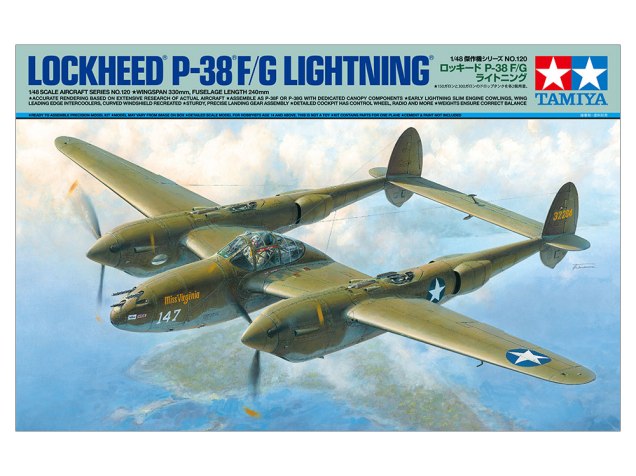
P-38 F/J (bought in June 2020)

P-47 D Razorback (bought in September 2020)

P-51 B (bought in September 2020)

P-38 F/J (bought in 2021)

Mitsubishi G4M Betty (bought in 2021)

Fairey Swordfish (bought in 2021)

De Havilland Mosquito Mk IV (bought in 2021)

Spitfire Mk I – old version (bought in 2021)

Spitfire Mk I – new version (bought in 2021)

Spitfire Mk Vb (bought in 2021)

Spitfire Mk Vb – tropical version (bought in 2021)

Mustang Mk III (bought in 2021)

Heinkel He 219 (bought in 2021)

Heinkel He 162 (bought in 2021)

Avro Lancaster (bought in 2023)

P-38J (bought in 2022)

Nakajima J1N1 Gekko (bought in 2023)

Revell (1)

B1-B (bought in 1990s) IN PROGRESS

Monogram (18)

De Havilland Mosquito IN PROGRESS

Wright Brothers Kitty Hawk (a gift from a WWII veteran air gunner in 2010)

Hawker Typhoon (bought in the 1990s)

Pro Modeler SB2C Helldiver (bought in 2022)

Pro Modeler A-26 B Invader (bought after 2000)

B-24 J (bought in the 1980s)

B-25 J (bought in the 1990s)

B-58 (bought in the 1980s)

F4 Phantom (bought in the 1980s)

F-80 (bought in the 1980s)

F-84 (bought in the 1980s)

A6 Douglas Skyraider (bought in the 1980s)

F-100 (bought in the 1980s)

F-101 (bought in the 1980s)

F-102 (bought in the 1980s)

F-105 (bought in the 1980s)

F-106 (bought in the 1980s)

F-117 (bought in the 1980s)

I have bought all these to reminisce on the good old days…

Hasegawa (2)

Douglas Dauntless (bought in 2018)

Nakajima B5N Kate (bought in 2021)

Trumpeter (2)

Vickers Wellington Mk III 1/72 scale (bought in February 2020)

Vickers Wellington Mk III 1/48 scale (bought in April 2022)

Ships (1) Trumpeter (1)

USS Saratoga CV-3 1/700 scale (bought in 2019)

So with so many model kits waiting to be built, I still realize that it’s not that important if I build them all… Just having them is.


Resisting the temptation – Flottentorpedoboot T28, Heller 1:400 von Roland Kunze

RCAF 404 Squadron sank the T24 on August 24, 1944 using high explosive rockets.  

24 Aug 44 strike photo

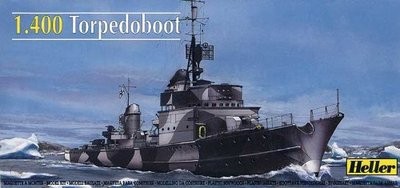
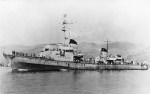
This is the only model kit available for an Elbing class Torpedoboat.

Heller T23

I thought of buying Heller’s rendition of a Torpedoboat to build the T24, but the price on e-Bay is much too high as well as the shipping rate. Furthermore the model kit is quite old and lack details at least according to this modeler…

https://www.ipmsstockholm.se/home/torpedoboot-deutsche-kriegsmarine/

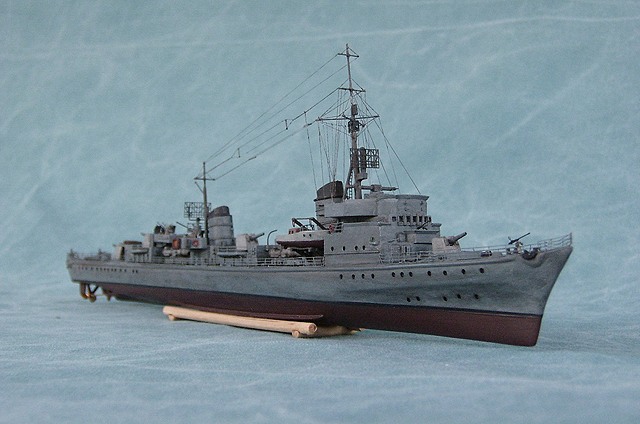
Ulf Lundberg built this model from the Heller kit. Ulf noted that Heller’s Torpedoboot is a mid-aged product which was released some 25 years ago. Its quality remains more of the old days and the fit of main components is rather poor. The details were soft and lacked finesse and worse still, there were shrink marks in all the wrong places, necessitating more than fair share of filling and sanding for a model of this size.

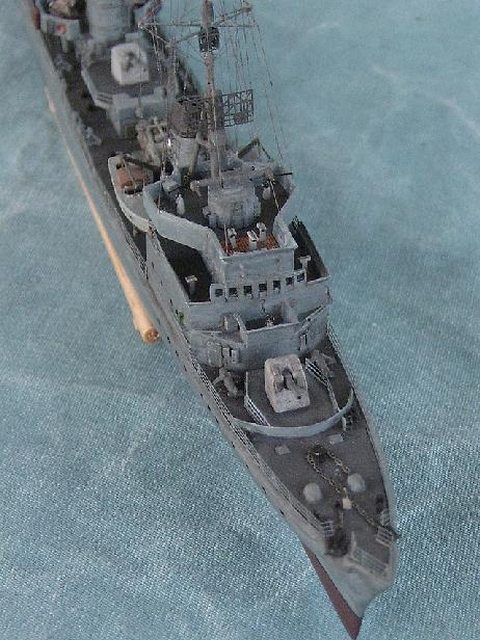
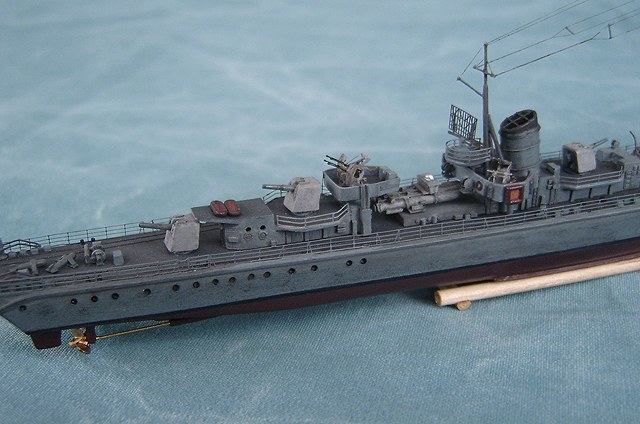
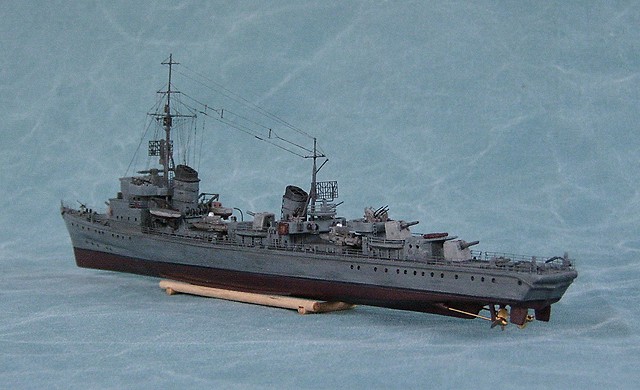
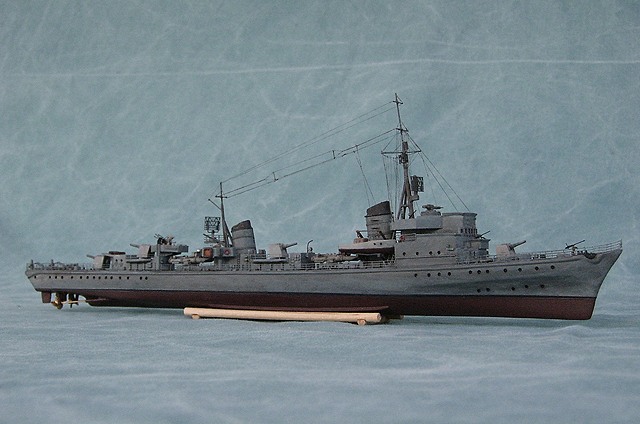
This other modeler though built an impressive rendition of the ship, but with a lot of work put into it.

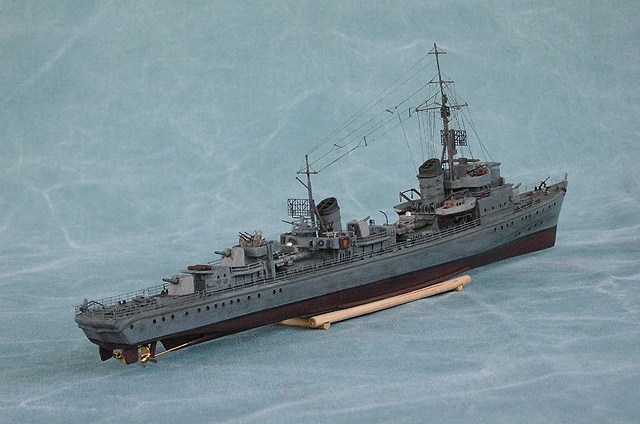
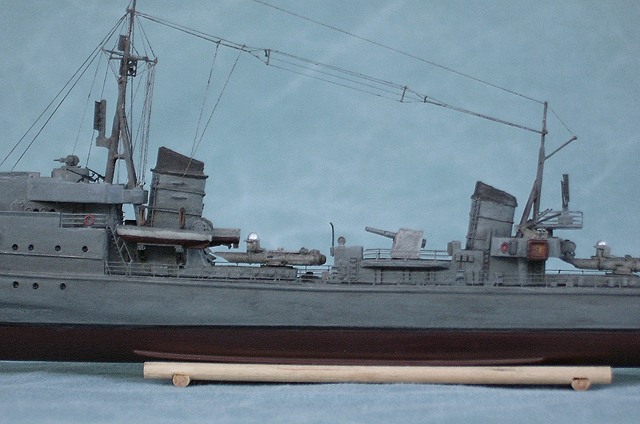
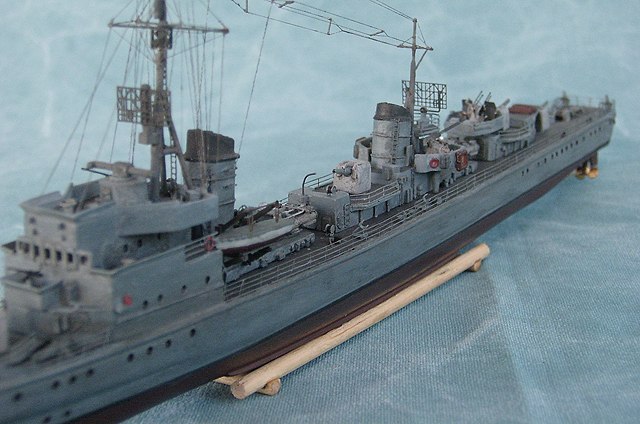
http://www.modellversium.de/galerie/5-schiffe-ww2/5266-flottentorpedoboot-t28-heller.html

SAMSUNG DIGIMAX 420

SAMSUNG DIGIMAX 420

SAMSUNG DIGIMAX 420

SAMSUNG DIGIMAX 420

SAMSUNG DIGIMAX 420

SAMSUNG DIGIMAX 420

flottentorpedoboot-t28-heller (7)

SAMSUNG DIGIMAX 420

SAMSUNG DIGIMAX 420

SAMSUNG DIGIMAX 420

SAMSUNG DIGIMAX 420

SAMSUNG DIGIMAX 420 


Machine translation

T 28 belonged to the class of the fleet torpedo boats 1939, which were built between 1941 and 1944 at the Schichau shipyard in Elbing. The design underwent some modifications during the construction period: T 22 to T 24 had a long bridge construction with a 2cm flak on each cam. T 25 to T 30 had a shortened bridge superstructure, a weapon stand with a 2cm flak was built in the middle in front of it. T 31 to T 36 had one on port side and one on starboard side, in addition, to simplify the construction, the folding bulkheads in the bow area were omitted.

All fifteen units were in harm’s way the whole time, only T 23, T 28, T 33 and T 35 survived the war. France kept (ex) T 28 as Le Lorrain in active service until 1955.

With the Heller kit, only T 22 – T 24 can be displayed correctly from the box. A shortened bridge construction is included, but not a single central flak weapon stand. For the later boats the hull shape is not correct because of the existing buckling bulkheads.

Since I wanted to build a boat from the group T 25 to T 30, the kit was a good basis. In the Marine Arsenal Volume 44 I found photos of T 28, which were very helpful during construction.
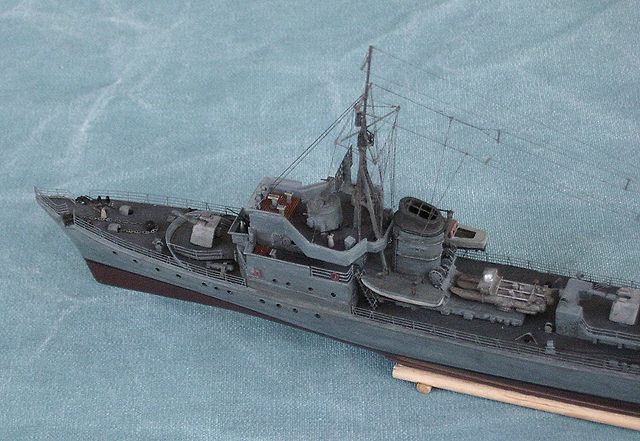
The model could be built without any problems, there were also a lot of detail additions, and my etched part stash was plundered properly. Comparisons with drawings showed that the position of the superstructures had to be corrected: the bridge construction moved 2mm, the middle deckhouse 1mm aft.

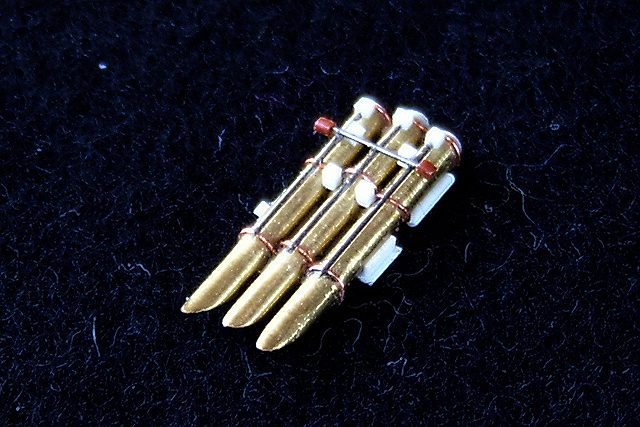
I paid special attention to the torpedo tube sets. Since the kit parts were not usable because of the very simple and not to scale representation, I completely rebuilt the sets from brass tube, wire and Evergreen profiles. Also new are the front flak weapon stand and the platforms for the radio measuring antenna amidships and the 2cm flakvierling on the aft deck hut. Numerous structures were added to the walls of the superstructures. I rebuilt the masts from brass tube and steel wire. The boat was completed with four wabo launchers, a new winch for the aft deck and other gear including cranes, all of which I built myself.
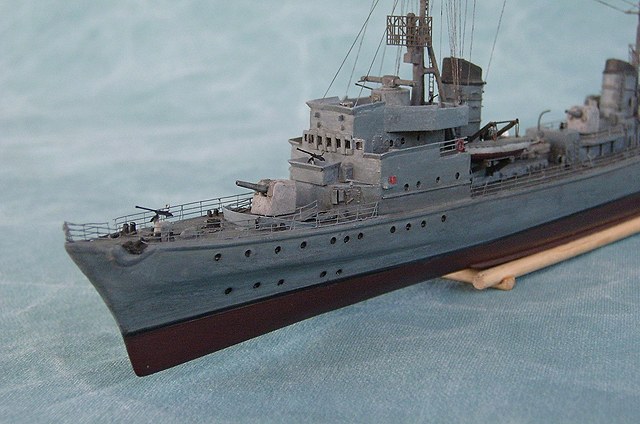
On the photos of the prototype, T 28 did not wear a spotted camouflage, which was probably reserved for the first boats of this class. So my model got the uniform grey colouring with Tamiya and Revell colours, on which a careful oil colour washing was applied. For the rigging the yarn from WEM was used.

As a result I finally created a not everyday model, which I like very much.


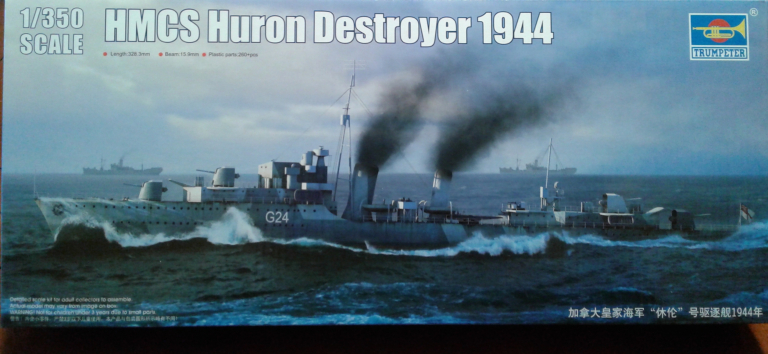
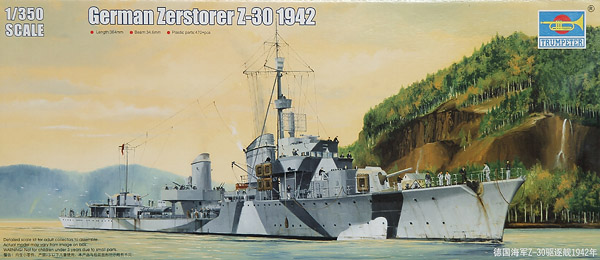
If Trumpeter should one day decide to make one, I will probably be tempted to buy it honouring the sailors of the T24 since I have these two companion model ships in my stash.

20190131_163047

img_2047.jpg


When I bought them two years ago they were quite a bargain. Nowadays they are pricier which makes my decision to buy them two years ago a wise one.

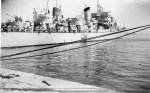
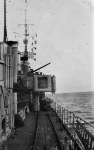
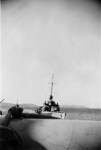
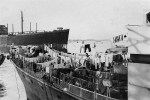
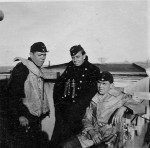
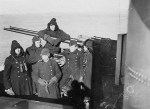
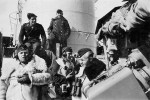
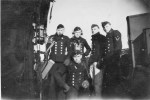
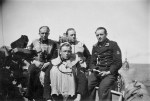
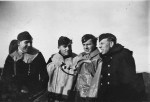
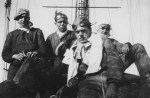
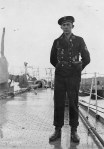
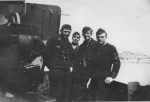
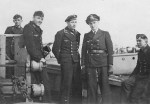
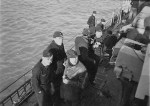
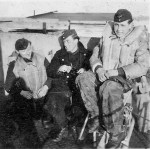
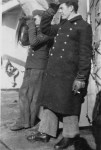
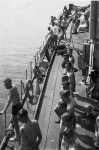
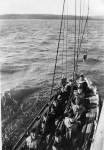
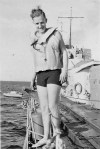
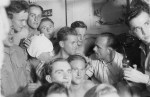
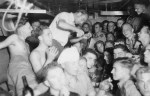
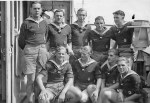
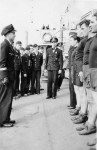
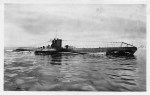
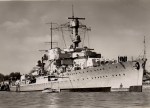
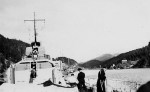
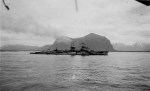
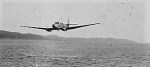
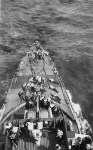
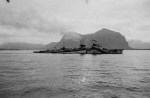
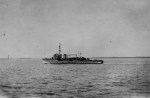
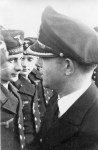
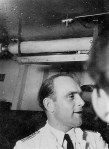
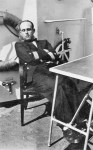
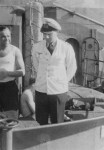
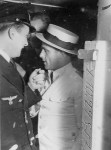
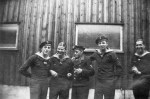
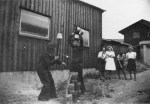
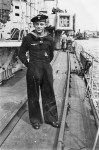
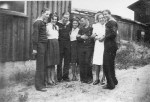
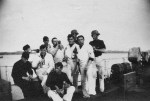
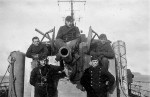
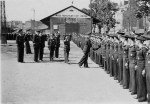
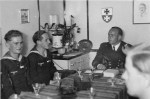
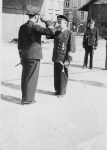
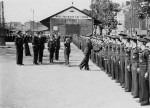
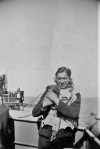
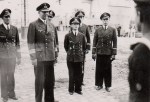
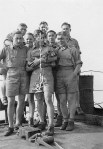
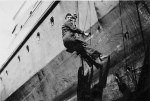
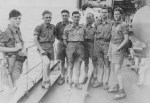
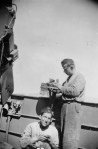
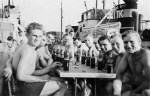
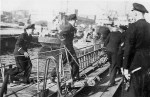
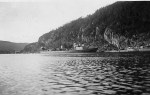
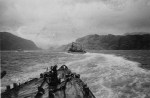
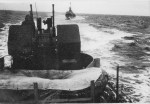
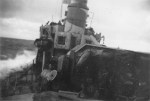
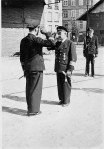
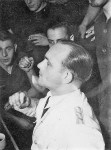
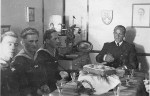
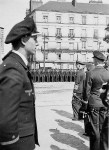
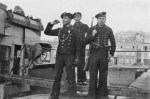
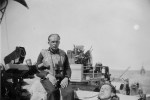
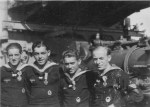
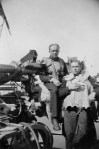
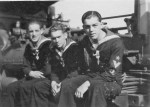
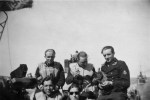
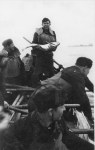
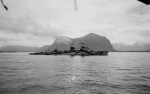
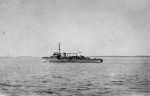
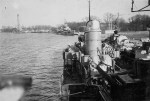
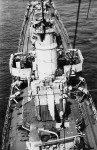
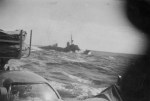
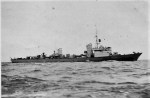
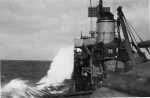
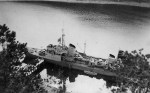
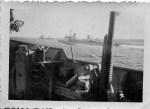
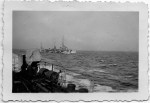
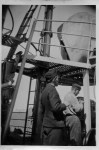
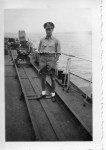
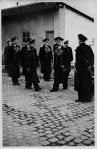
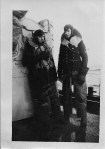
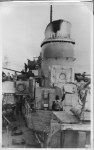
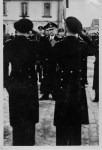
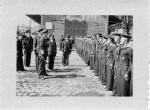
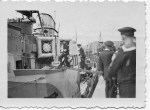
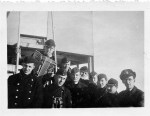
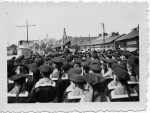
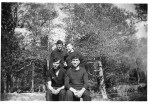
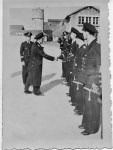
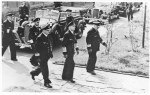
If you are wondering how I got interested so much about the T24…then take a good look at these from the collection of a German sailor who was on that ship. His son sent me two weeks ago more than 100 never seen before photos who were part of his father’s collection.