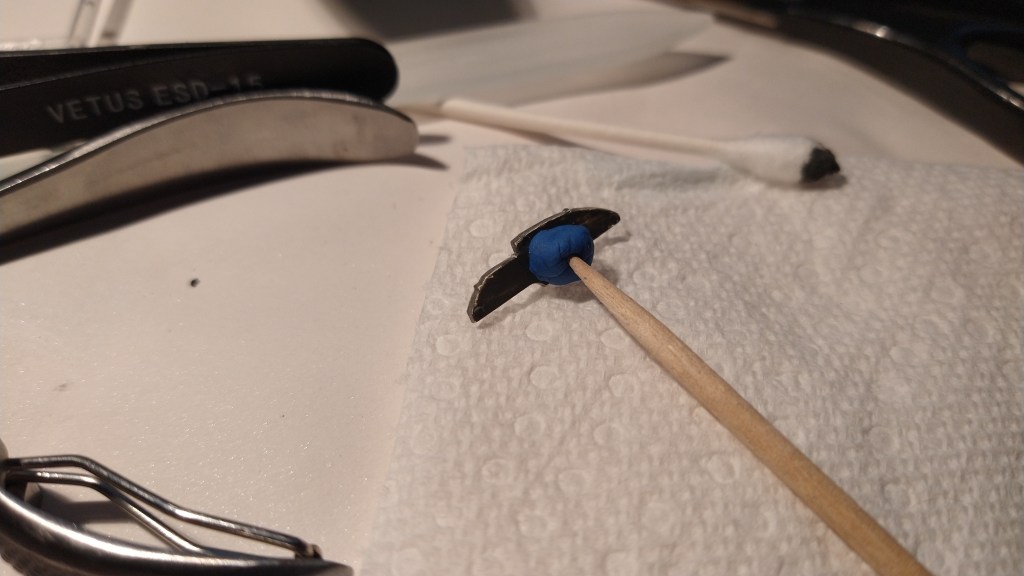
I just gave myself that nickname. No one has ever called me Pete or any other nickname. I am not cheap, but I like to use what I have on hands when I build my model kits. I won’t spend a fortune on paint masks. I will make my own and use my paint brushes when I can.
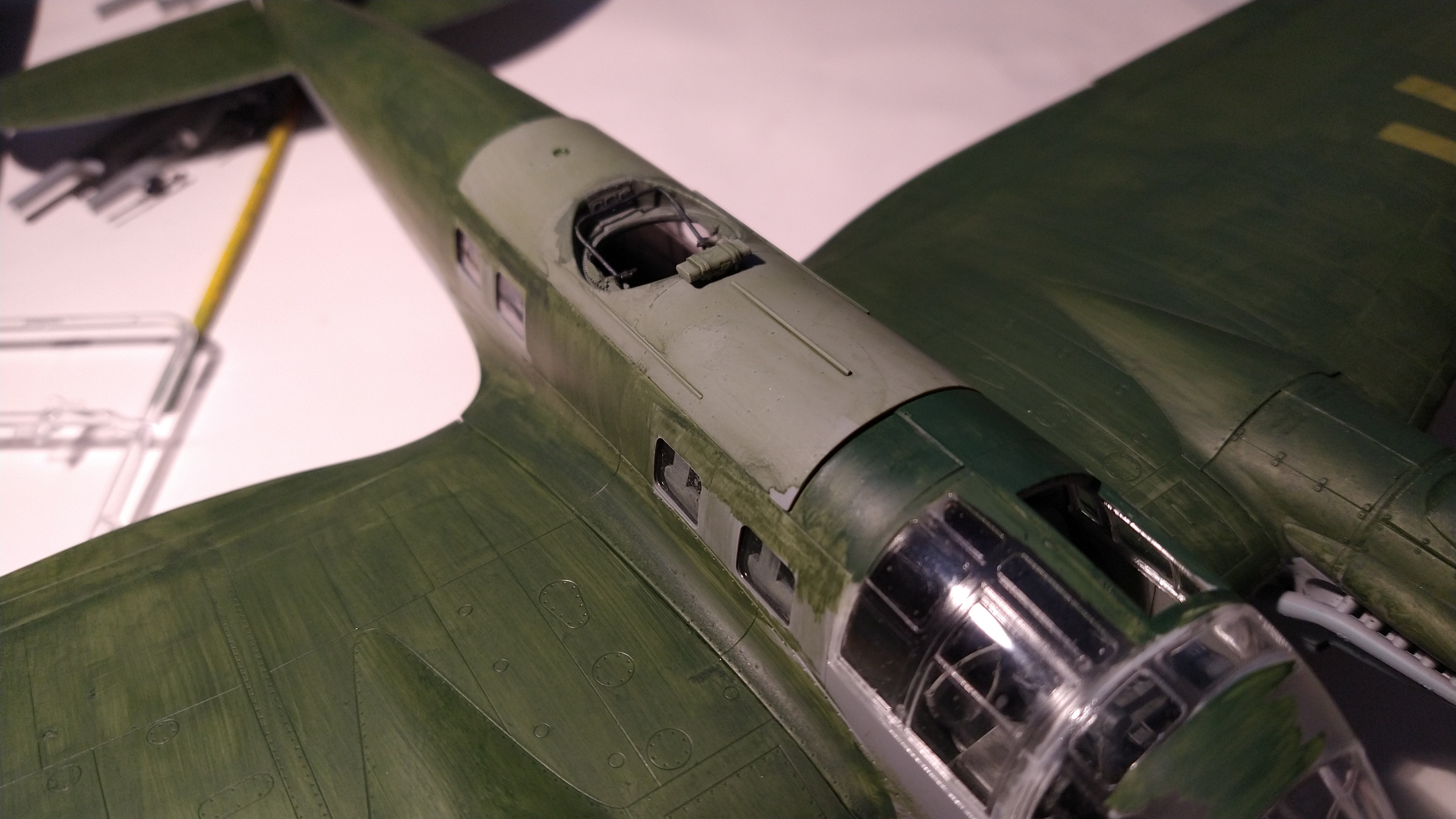
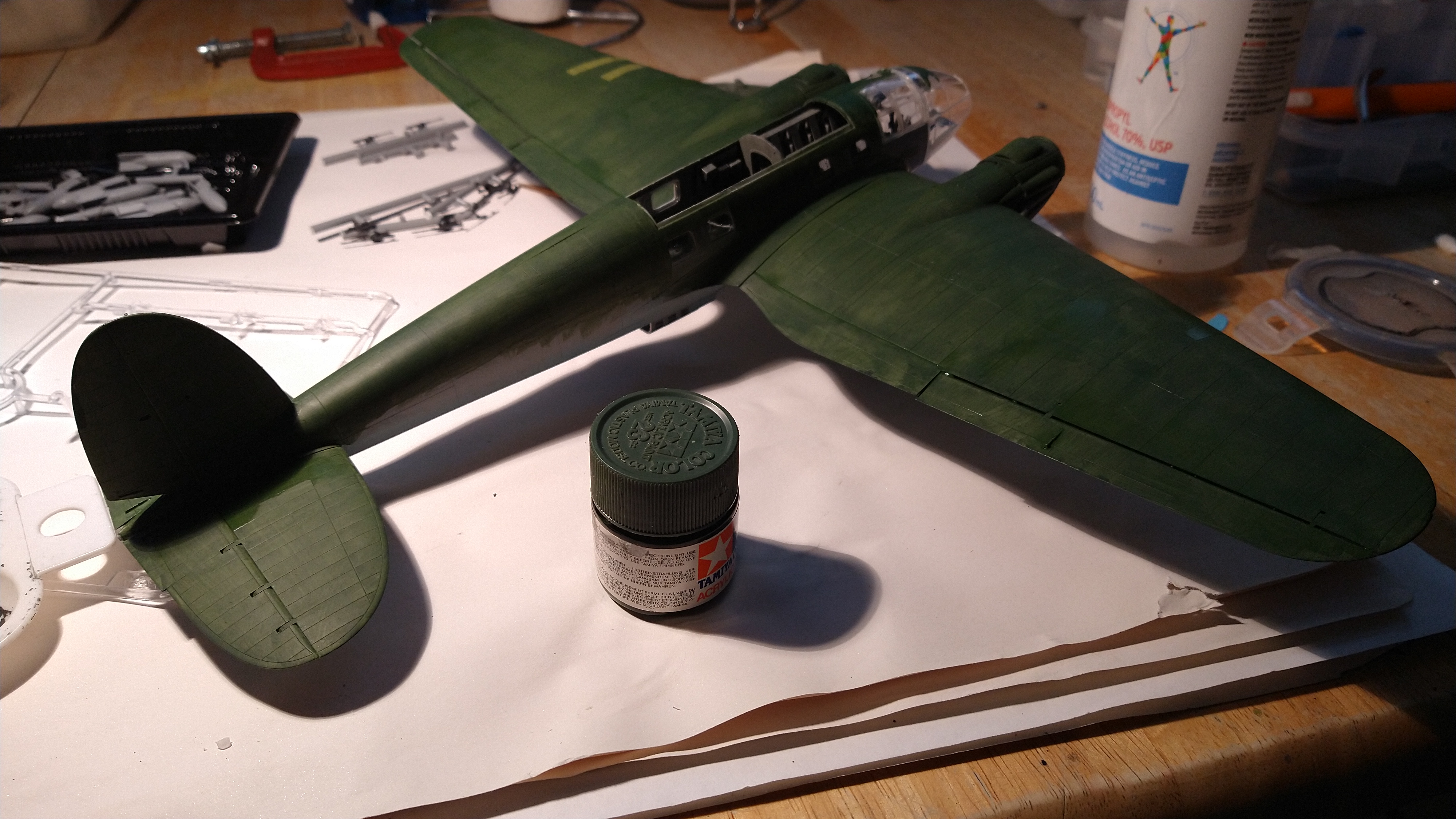
Speaking of paint, I still have lots of leftover paint from the 80s. I have been using very thinned Tamiya deep green as a primer on the He 111.
I will be using my airbrush later when the temperature outside has cooled down a bit. Speaking of being cheap, I am still using my old faithful Badger 350 airbrush I bought in the 70s which still gives me good results.
Calling it a day last November was only intended to last one or two days at the most, but then I was distracted along the way.
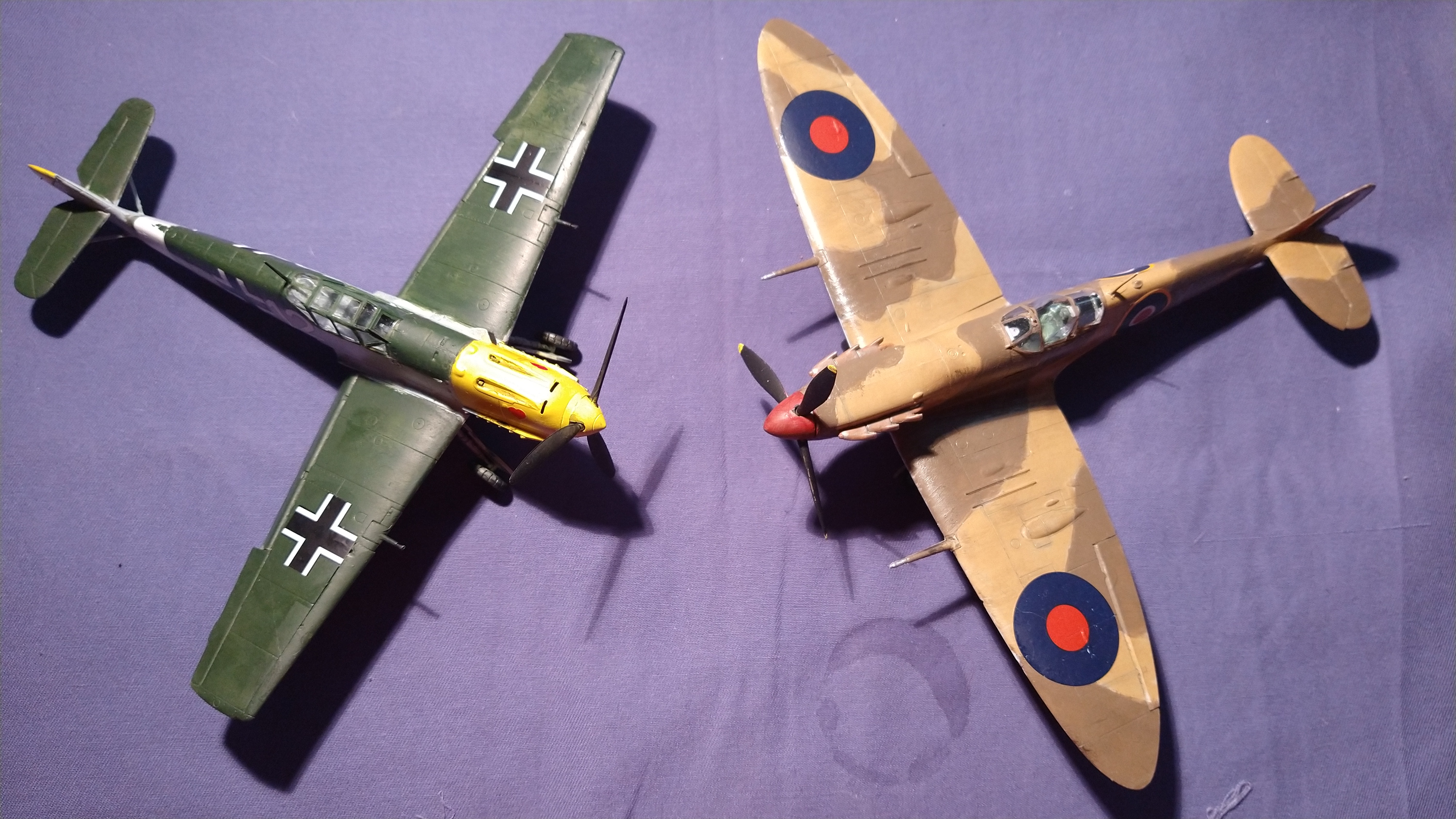
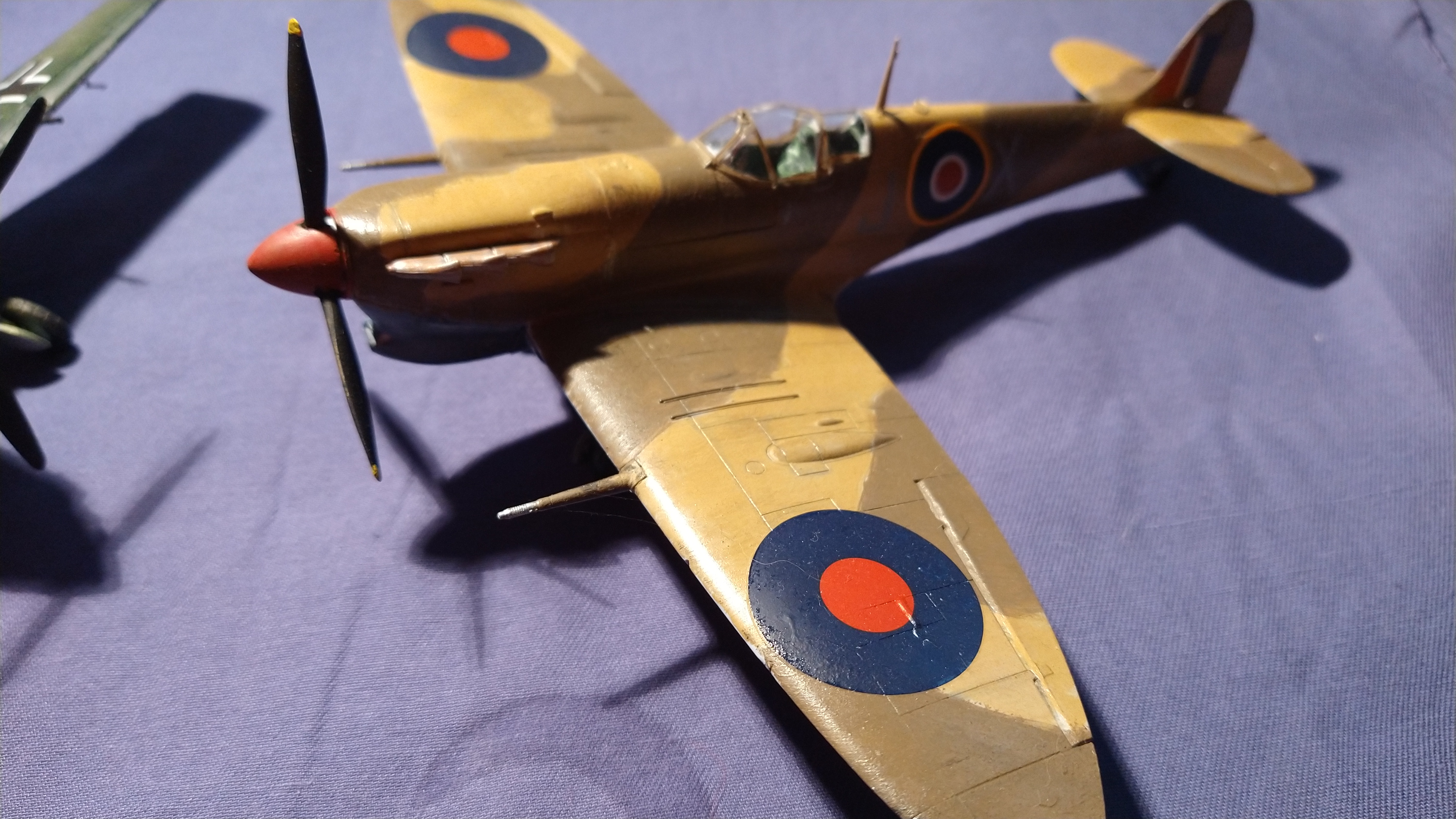
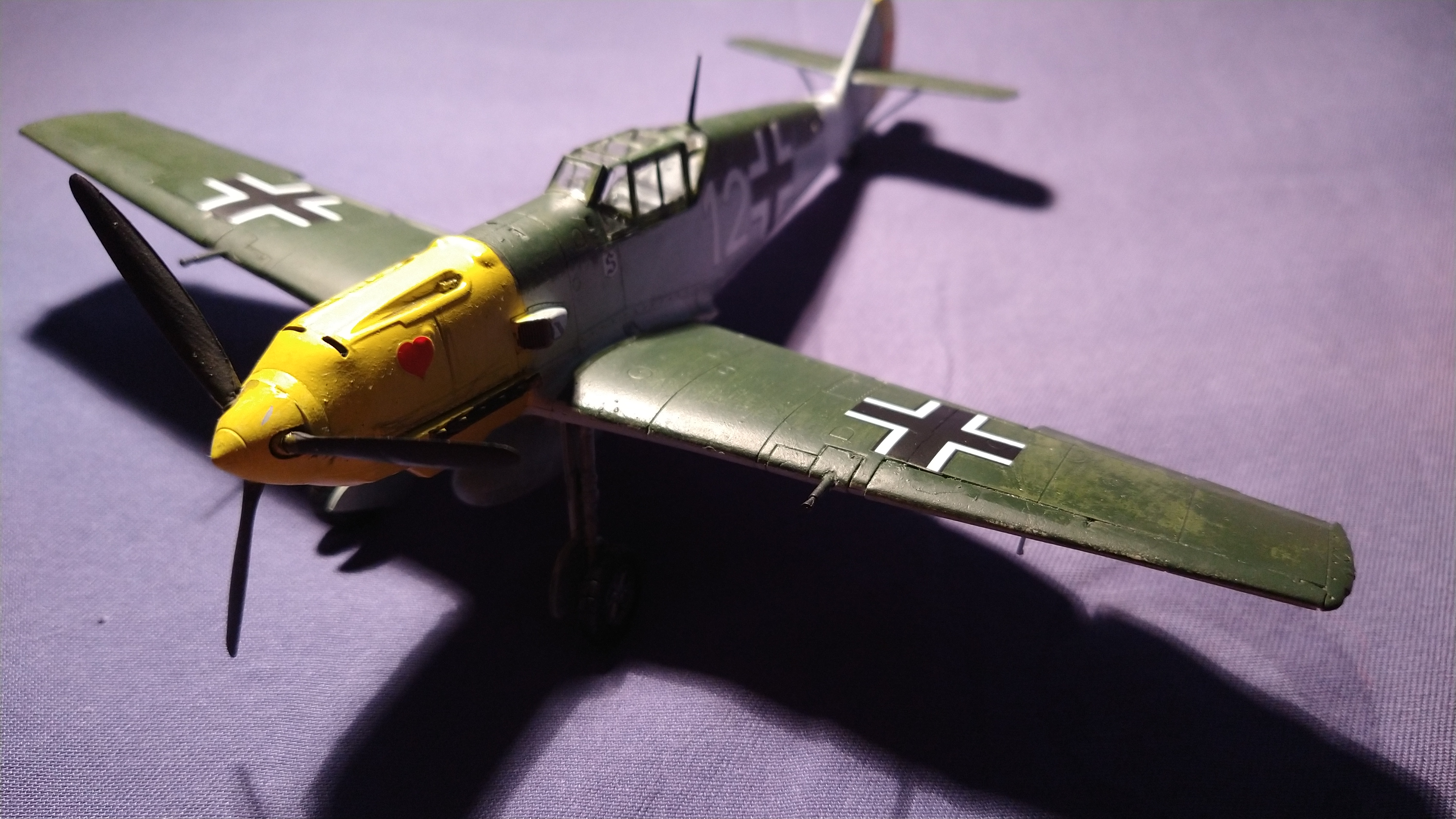
I can’t exactly recall how I was distracted, but I decided to build two other model kits.
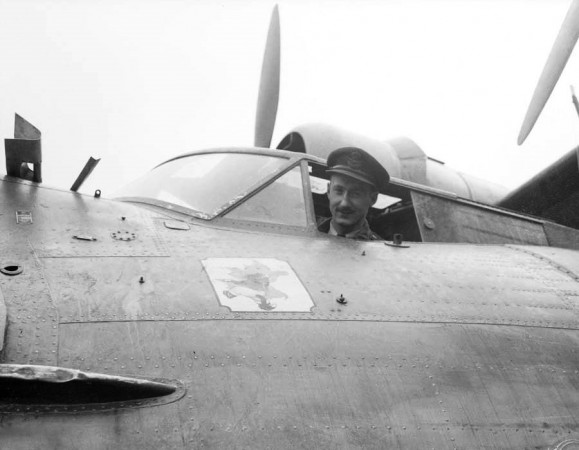
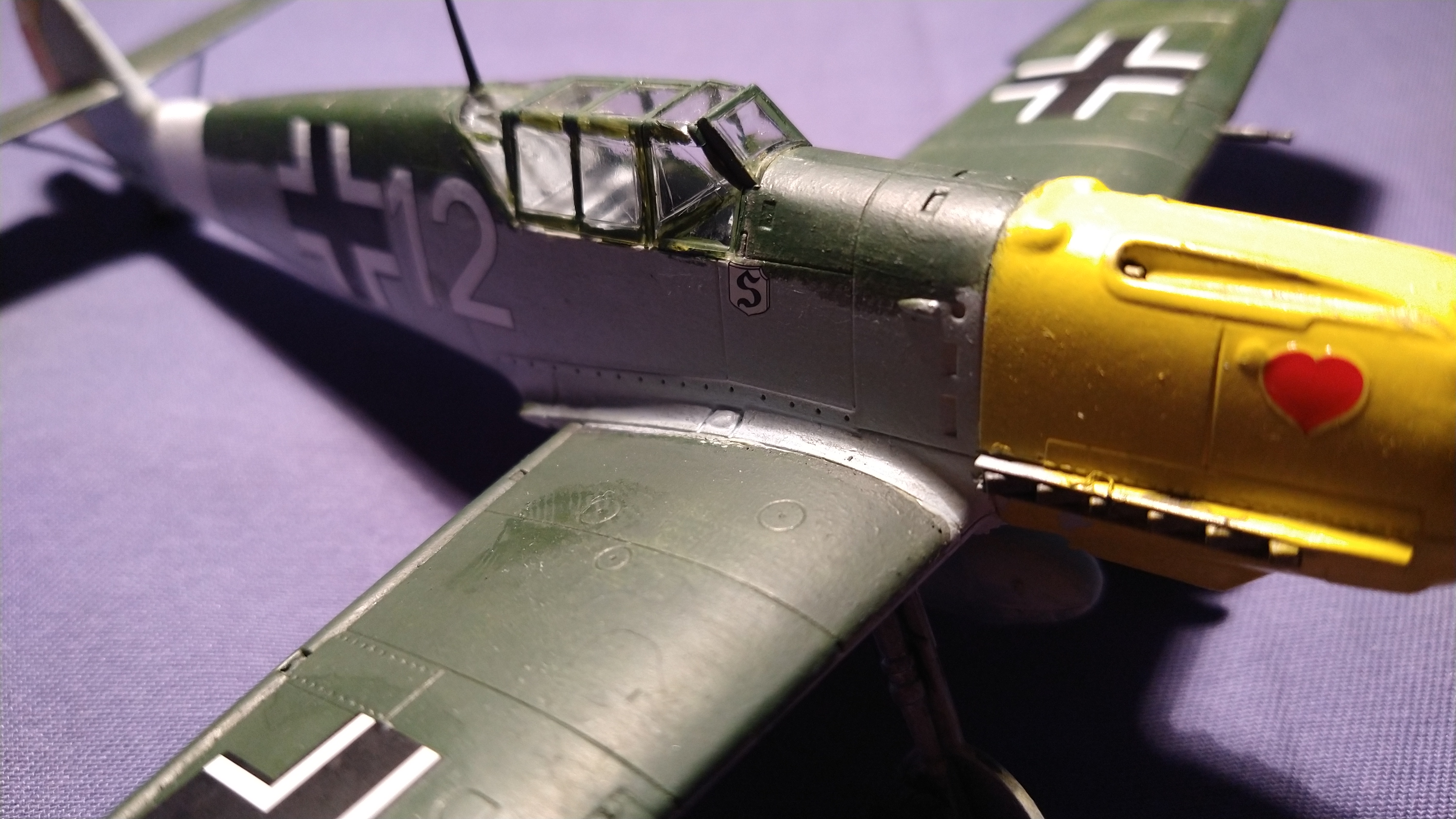
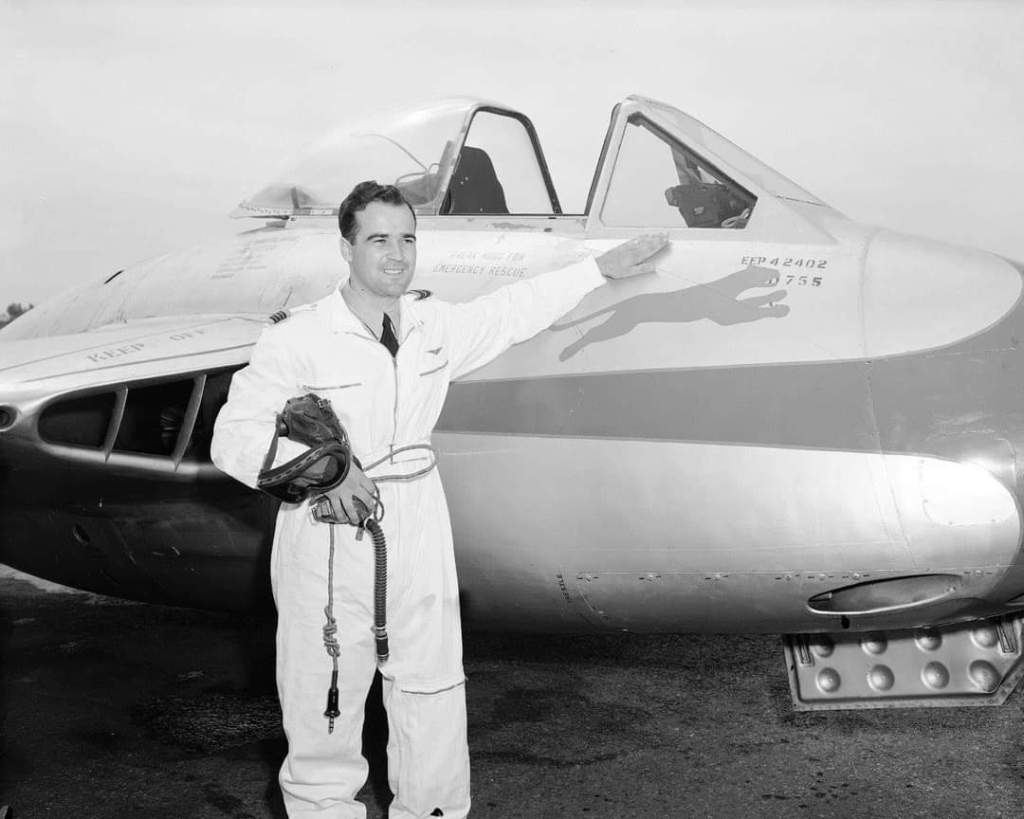
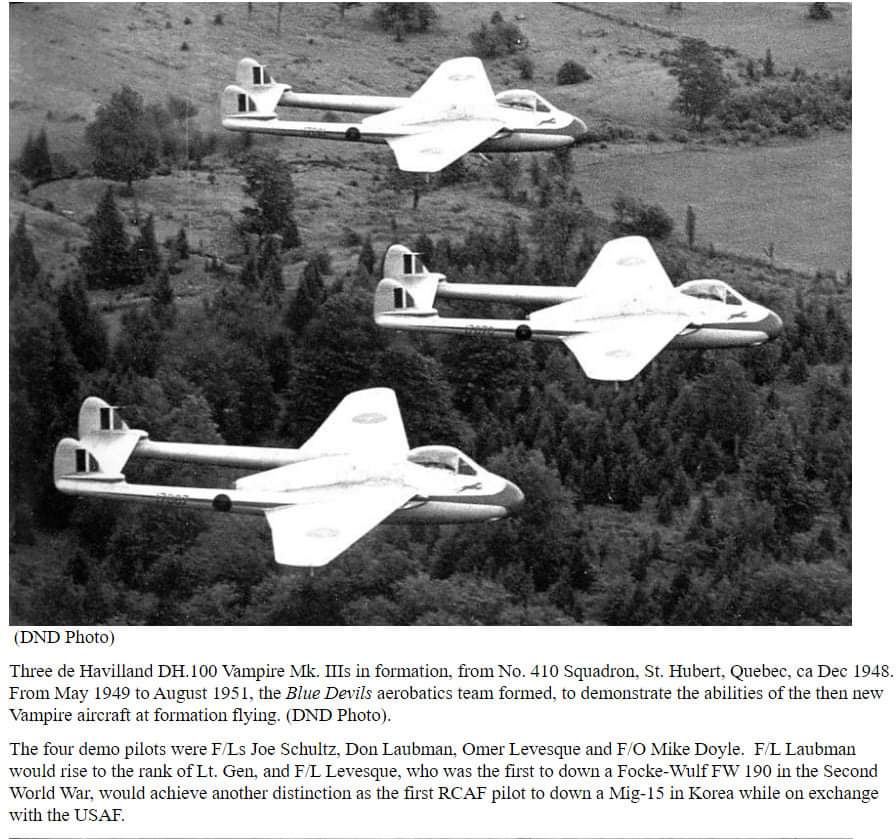
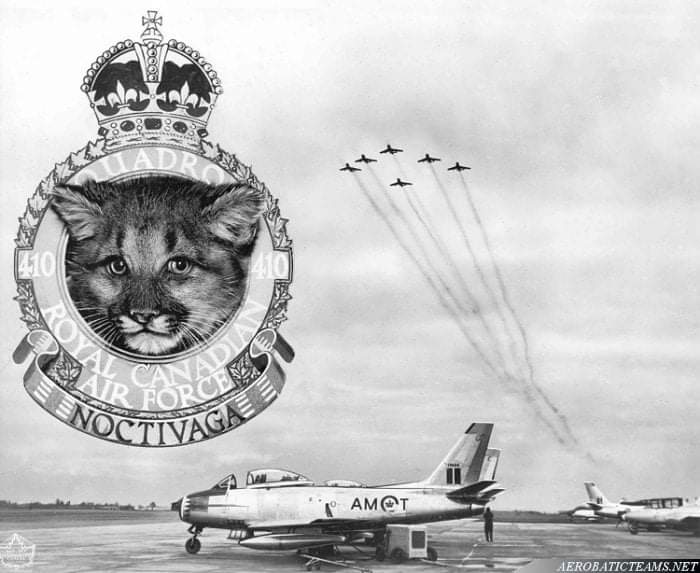
These two will be a gift to Guy Fournier whose war hero was Omer Levesque. Never heard of Omer Levesque before?
Omer Levesque is quite famous in the history of aviation. He was the first pilot to shoot down a FW 190. He was also the first pilot to shoot down a MiG 15.
My friend over at wayfarerdaves.com has published a guide to all of the preserved A6M Zeros in Japan. Dave explains that he did not care about the Zero when he came to Japan, but as he traveled and visited museums, he kept seeing them more and eventually began to appreciate the Zero’s aesthetic. Now he wants to see them all and that’s a worthy goal. I tried to find a way to reblog the post over here but I could not find the button to do that. So here is a link to the post:
I think this is a good time for a little update on My Forgotten Hobby III.
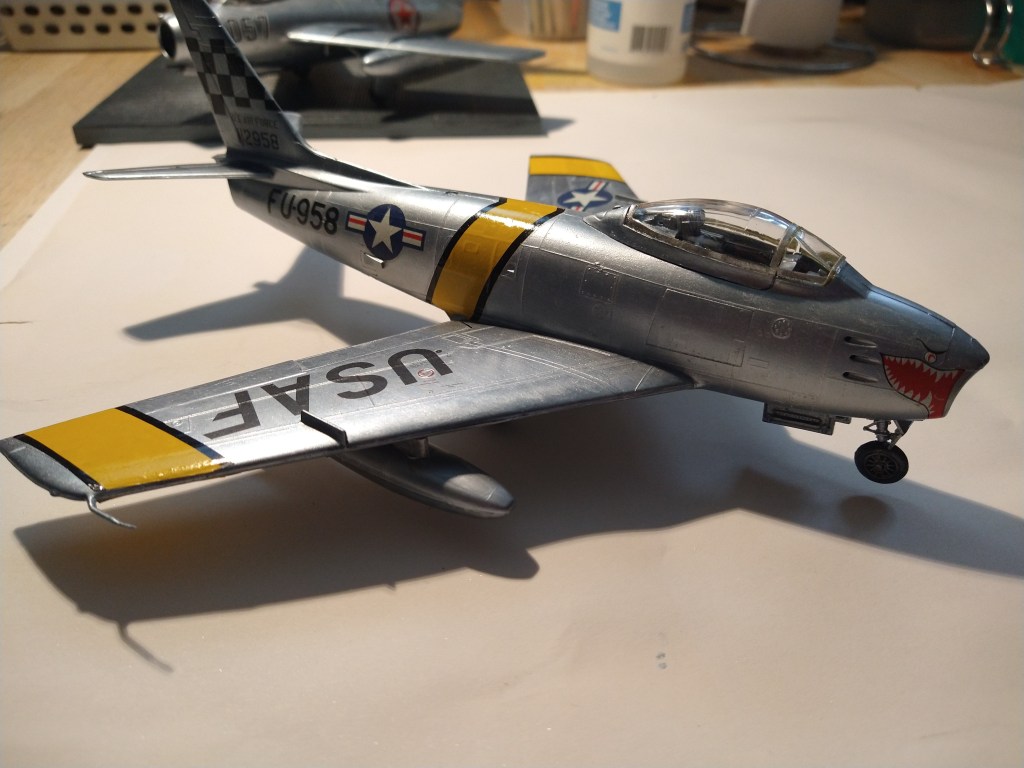
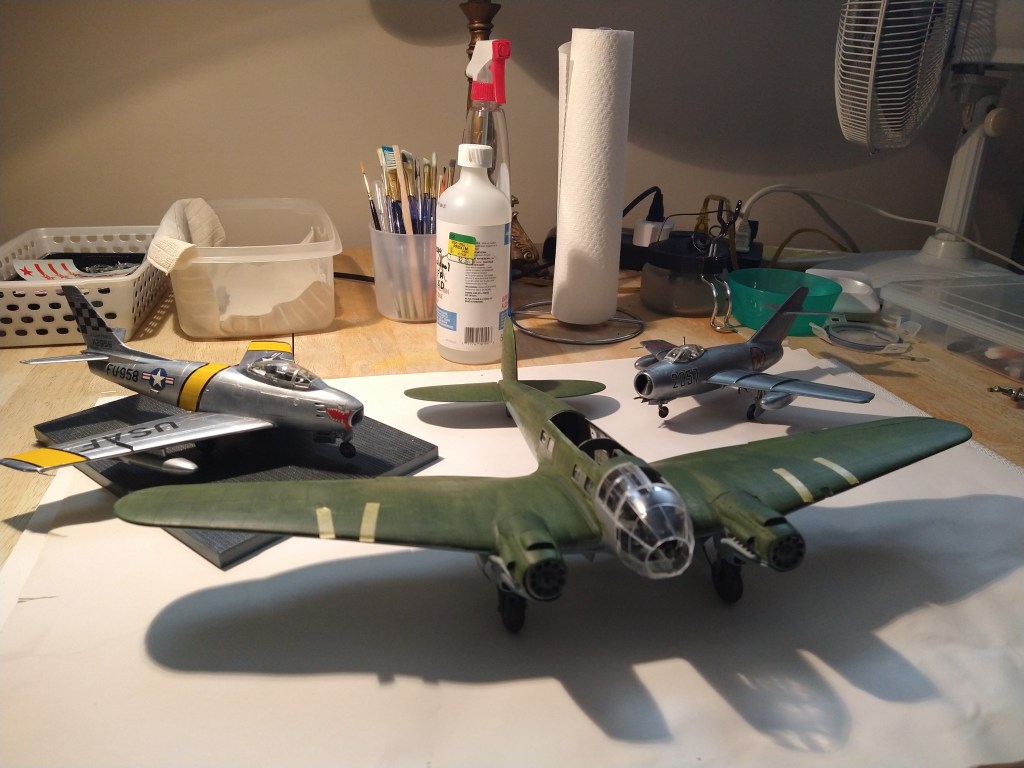
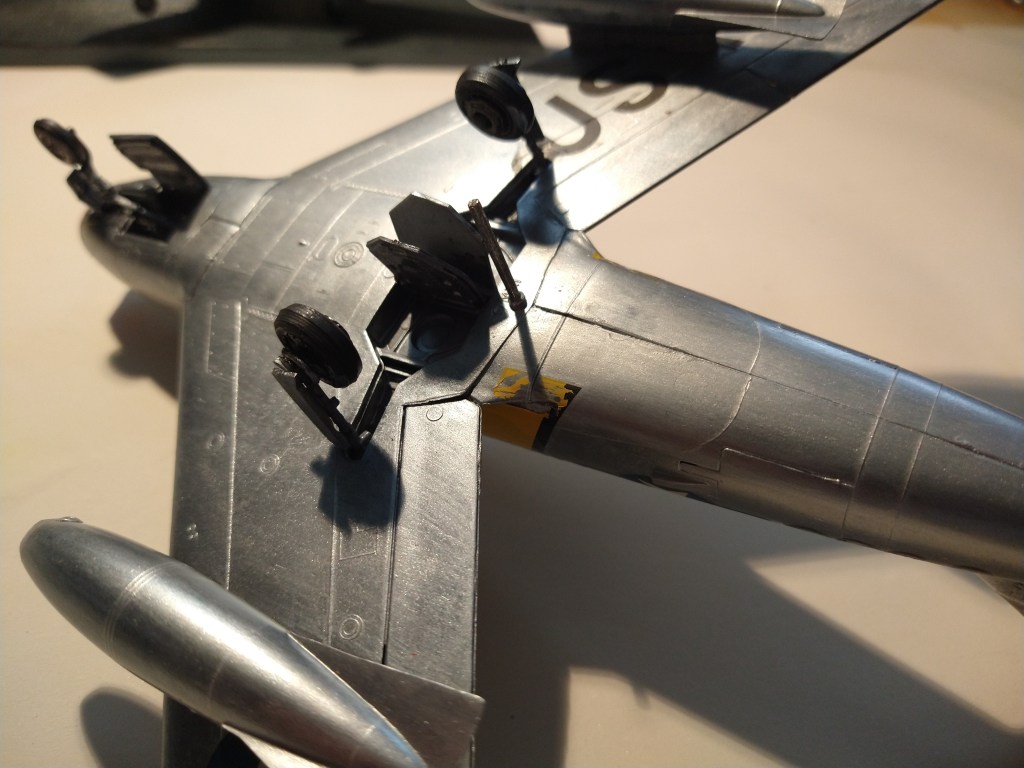
The MiG-15 finally got its decals two weeks ago. Then came the F-86.
I tested the MiG decals first and they worked perfectly even if they sat in the box since the 1980s. The F-86 decals came after with the yellow decals I had received from Model Airplane Maker.
I still have to figure a way to fix this though.
I still have a few touch-ups to do before I think how I will give them as a gift.
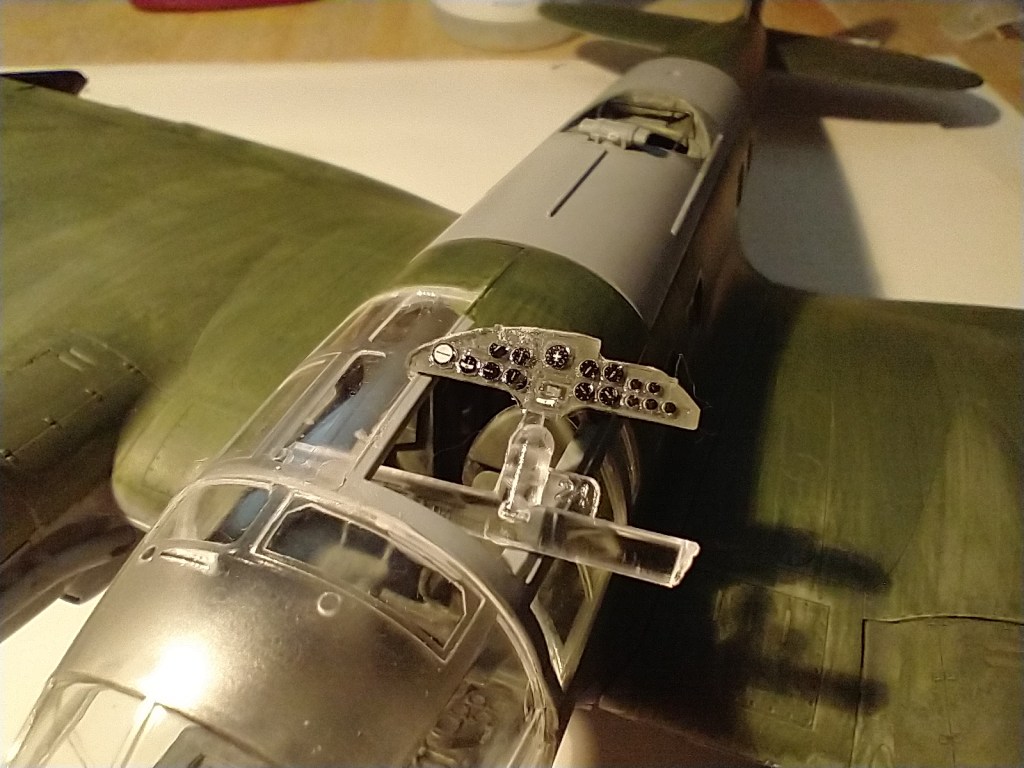
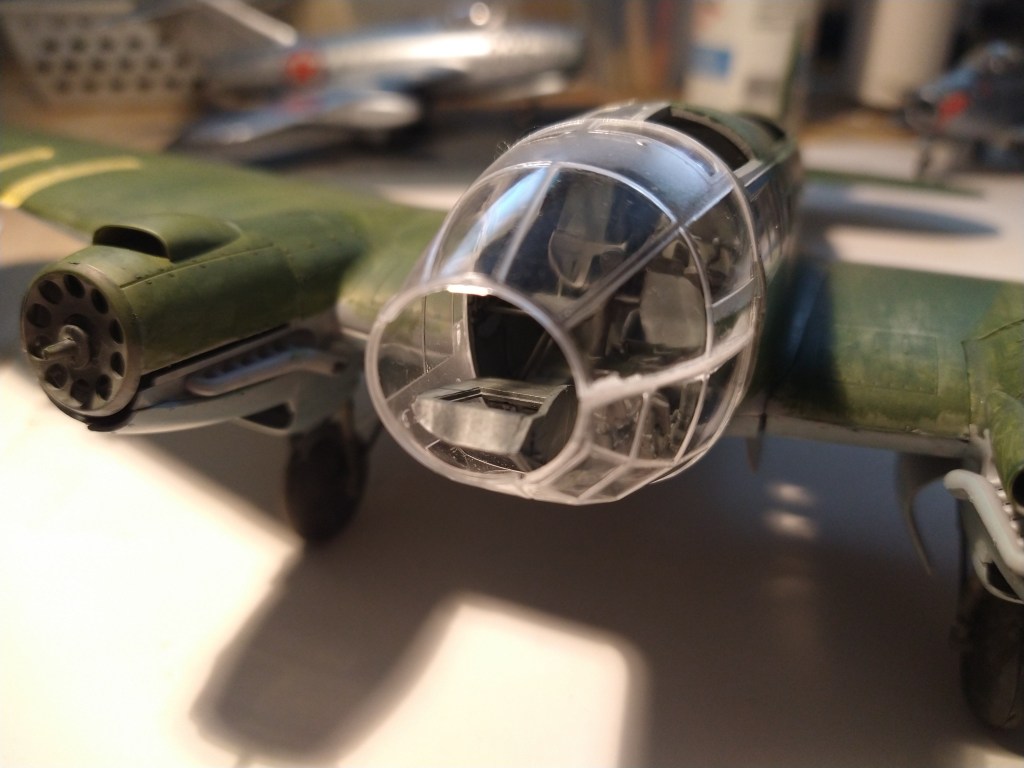
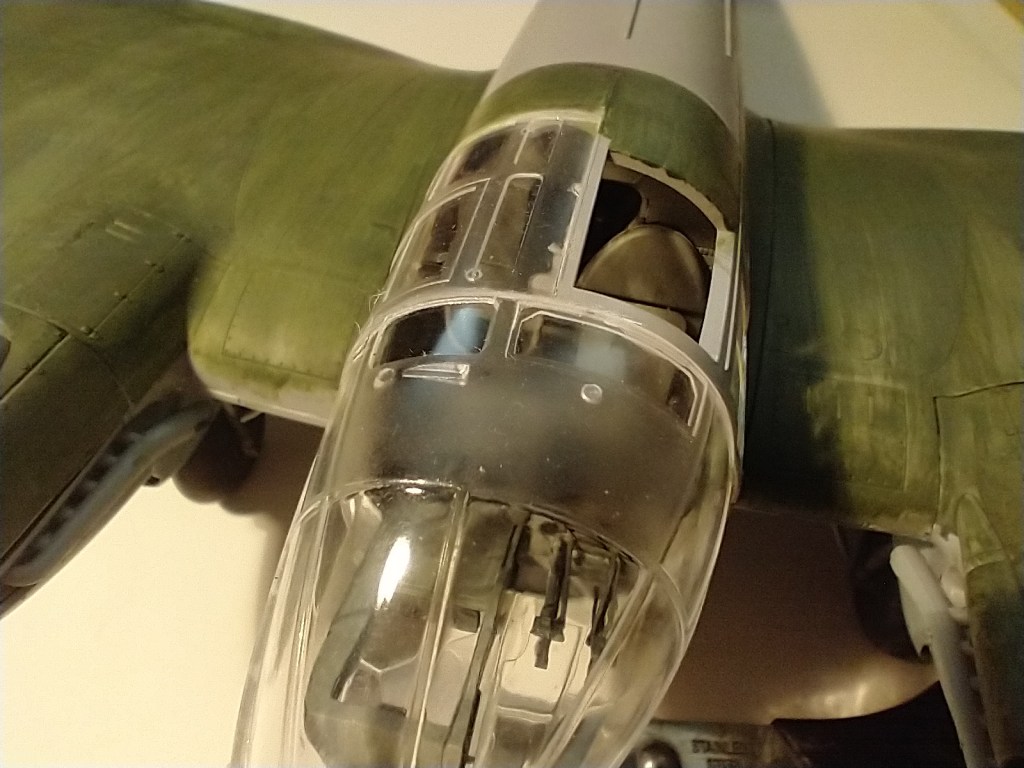
Next in line will have to be the He 111.
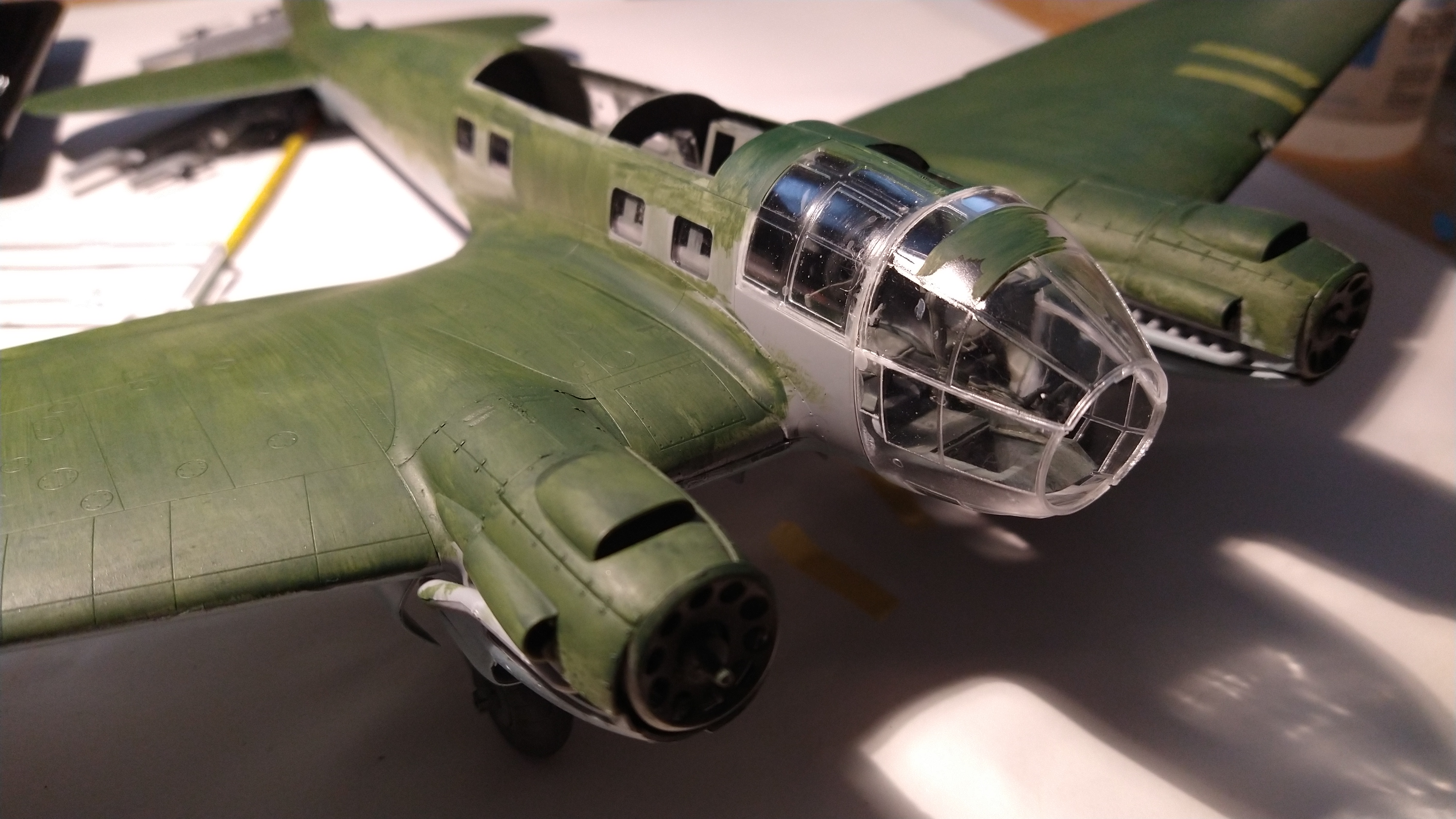
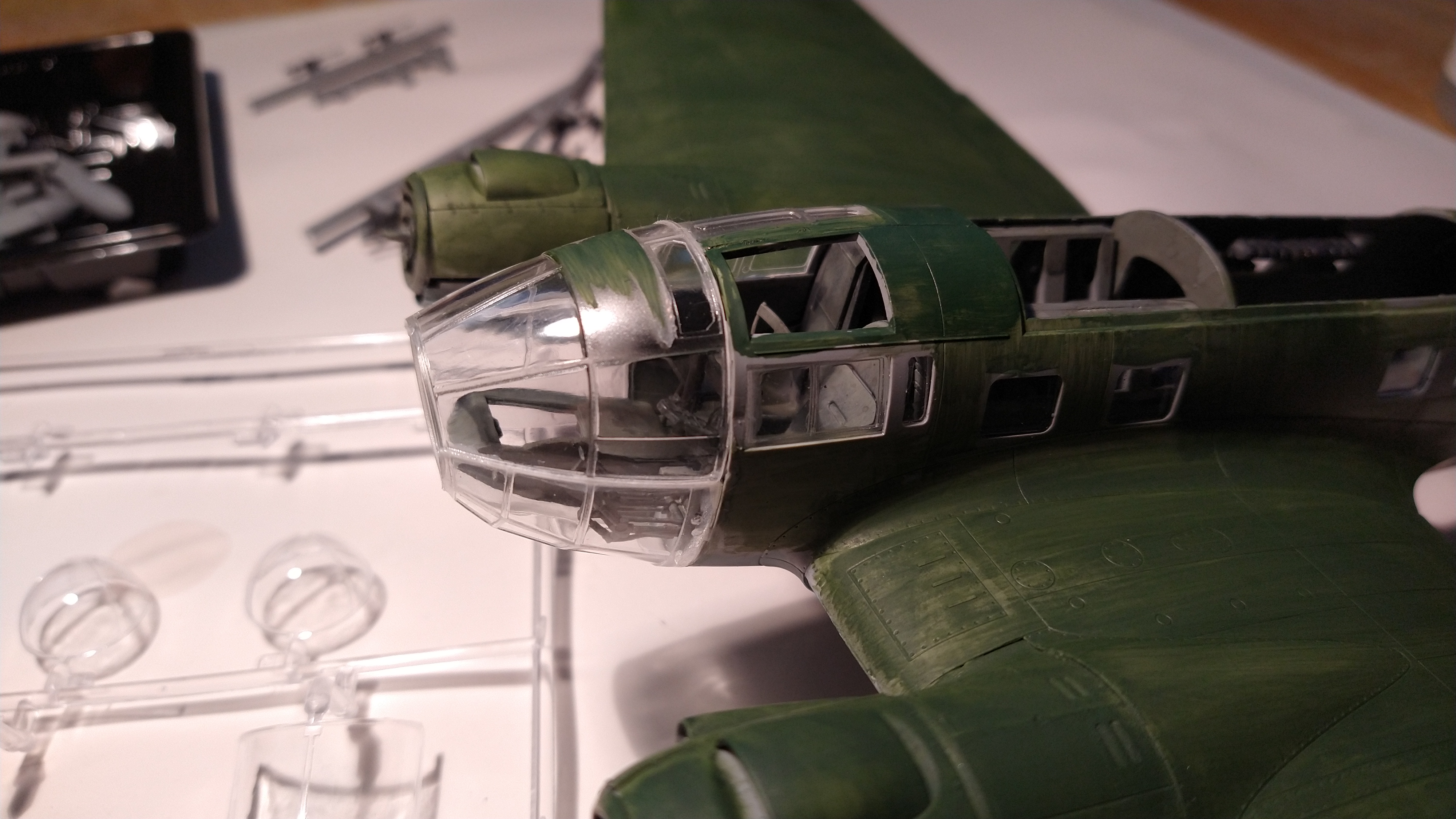
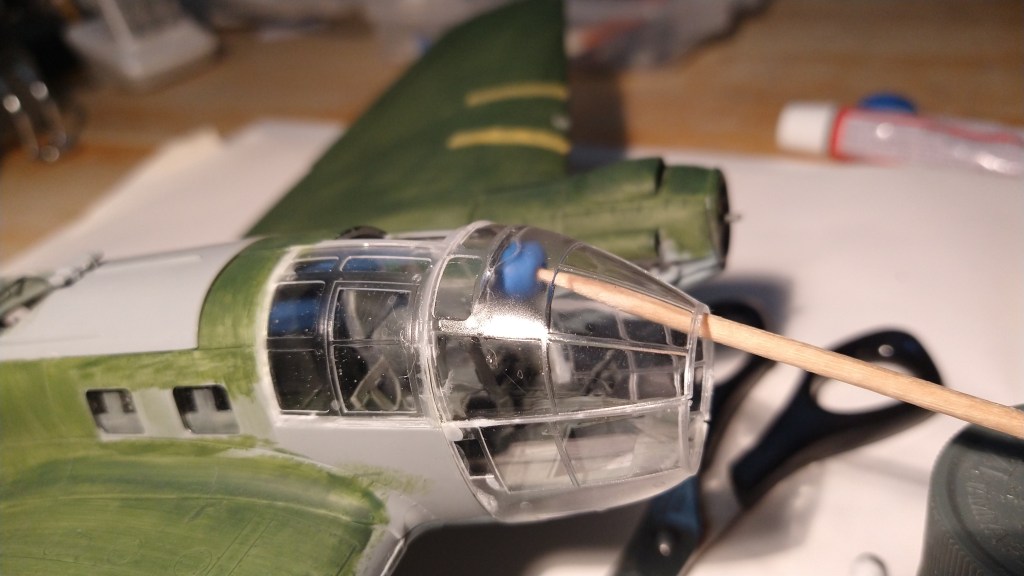
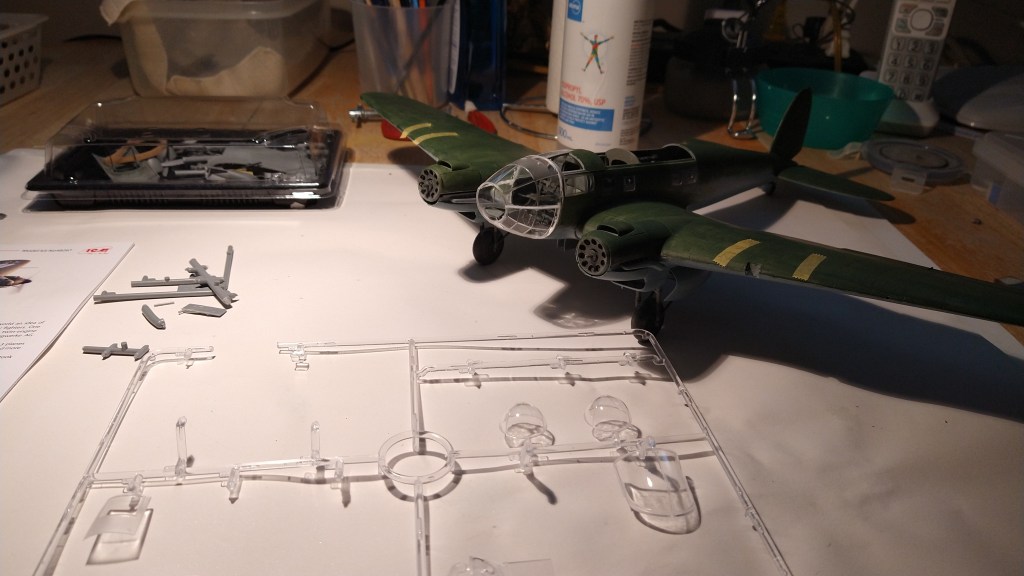
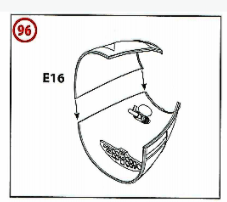
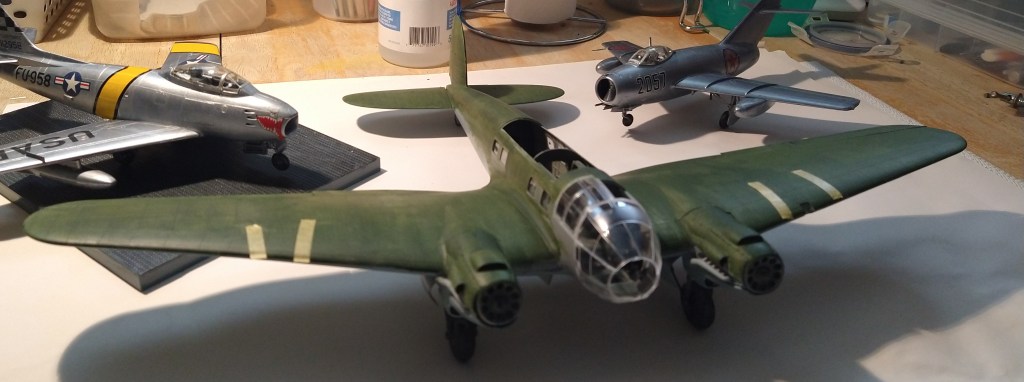
I think the clear parts should be solidly glued now.
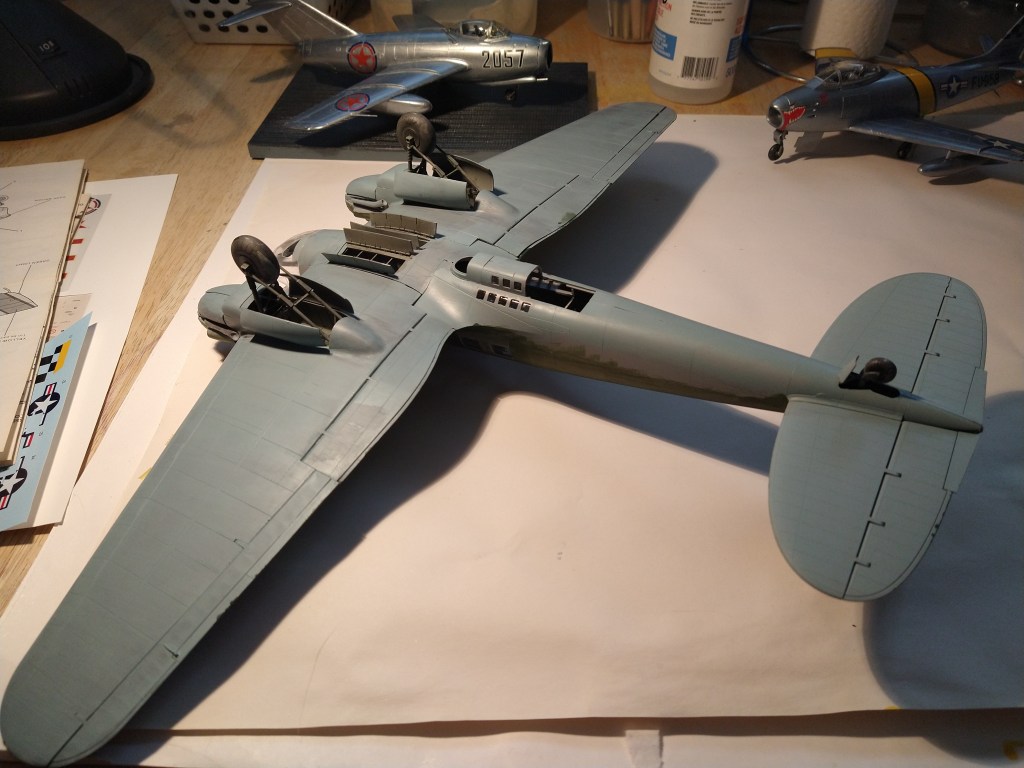
I had started painting the He 111 using a paintbrush.
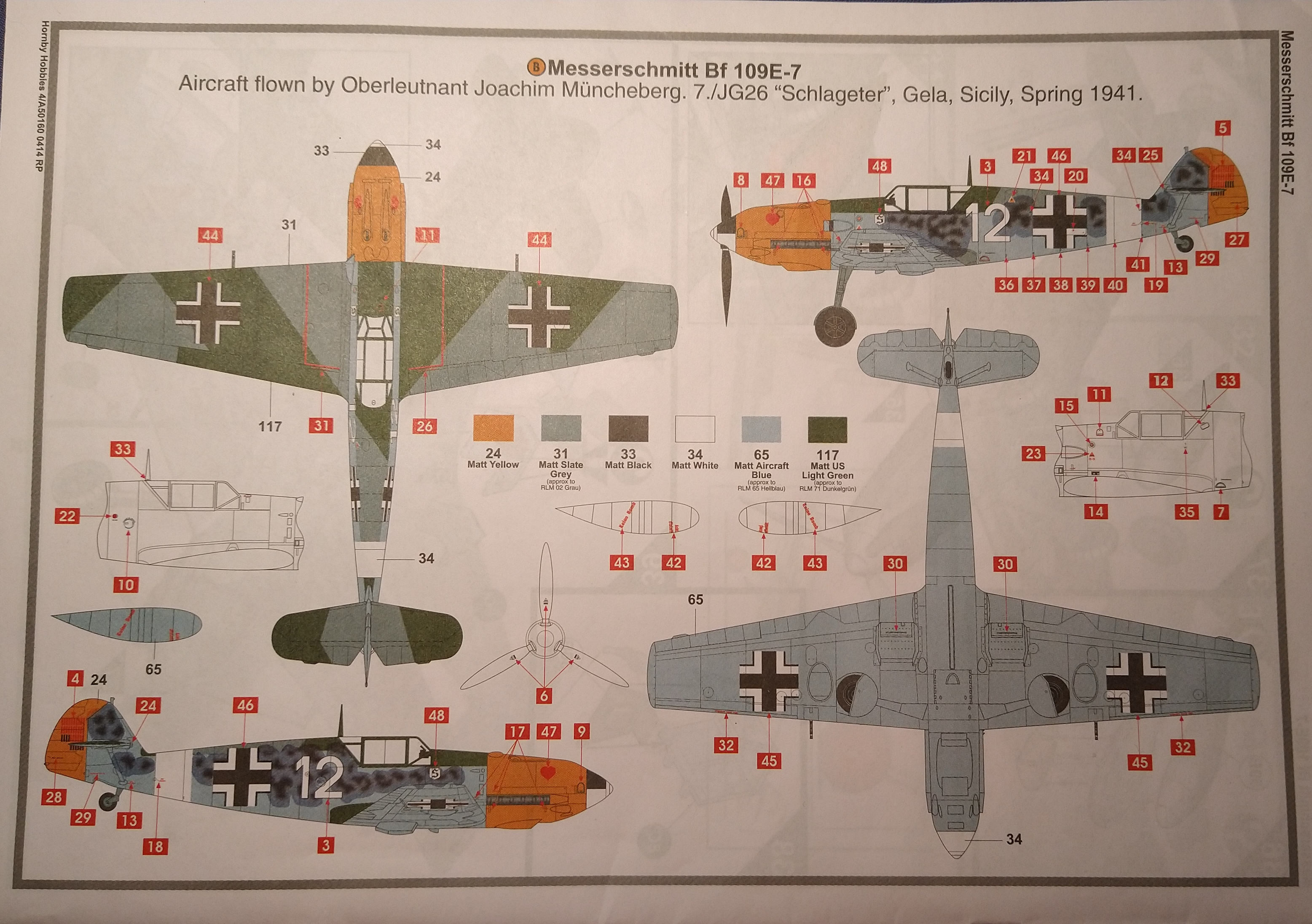
First the upper surfaces with dark green which seemed to be the wrong shade of green, and then the undersides with the right shade of RLM 65 Hellblau.
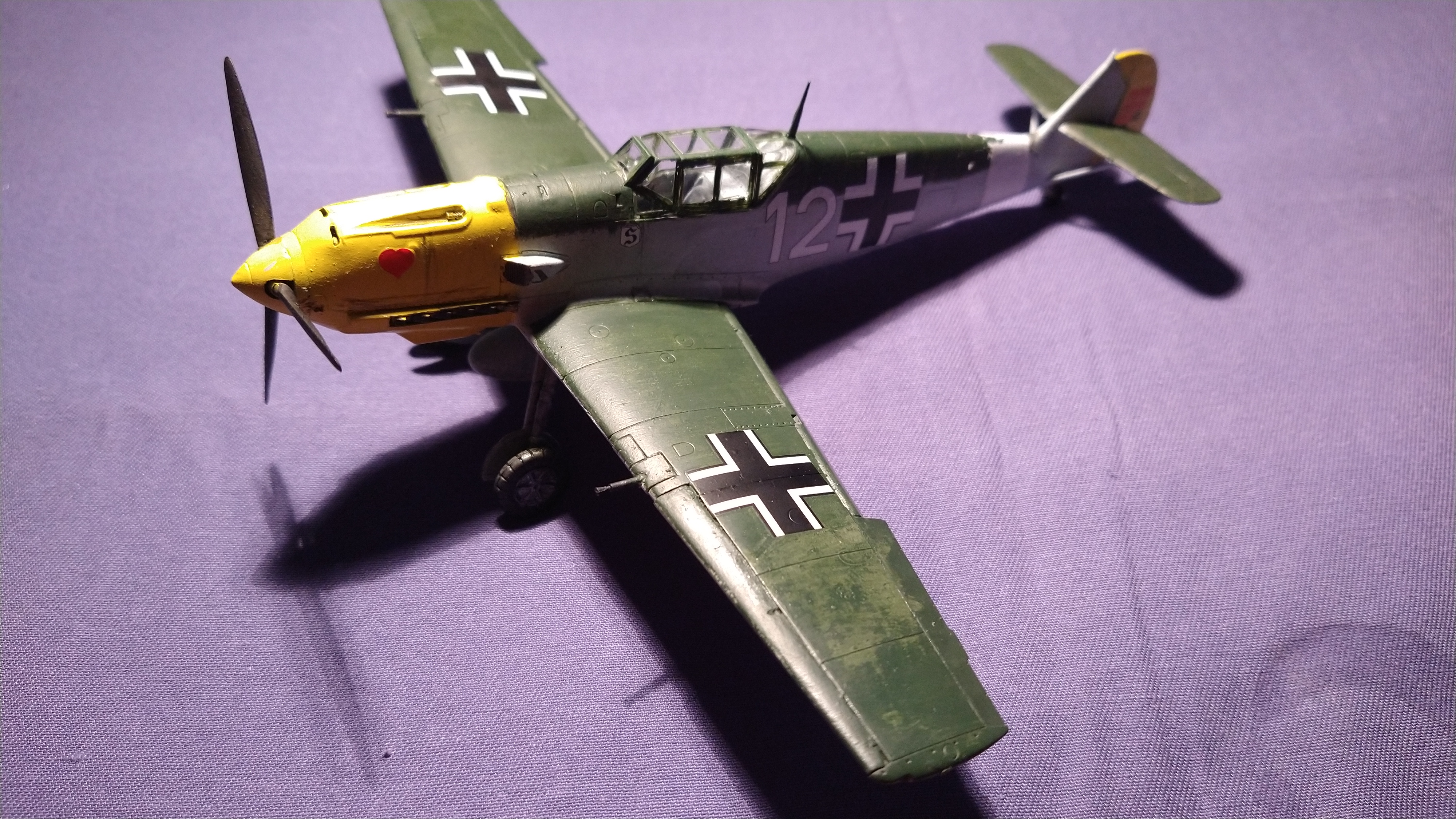
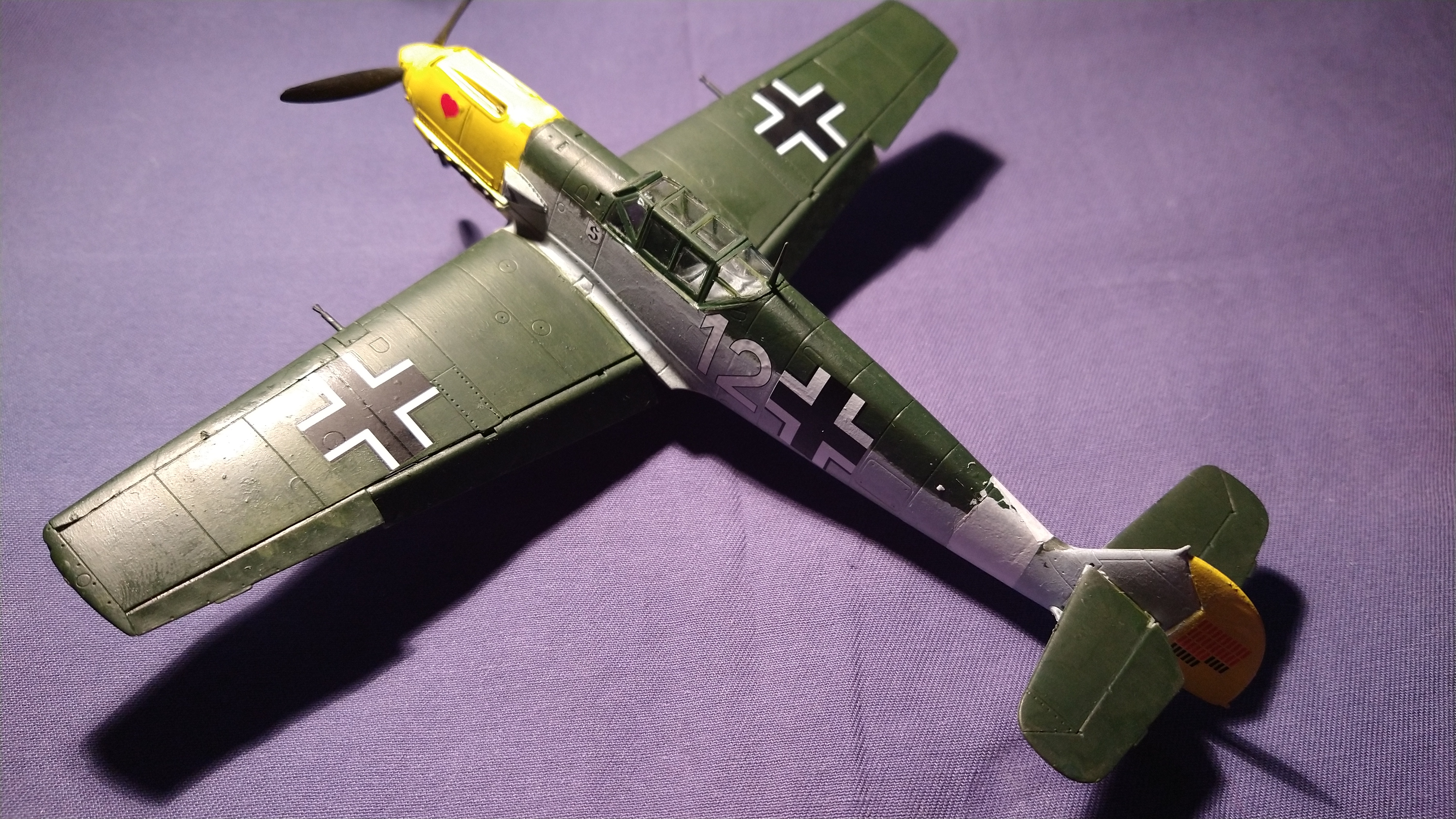
Those photos we taken with my new Motorola Stylus G cellphone I got as a gift from my son. Now I have no reason to procrastinate and then shower you with photos of my progress reports.
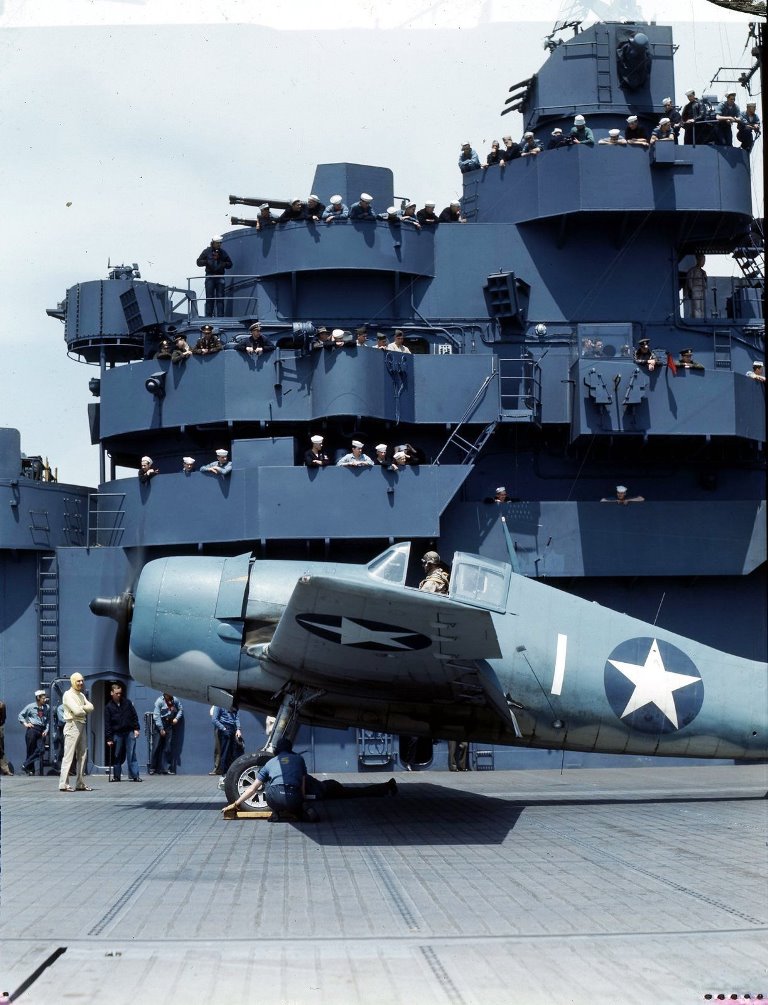
An early F6F-3 Hellcat positioned in front of the island of the Essex-class carrier USS Yorktown (CV-10). The first Hellcats were delivered in the standard Blue Gray over Light Gray scheme with national insignia in six locations. This photograph was taken in May, 1943.
Yorktown again, but three months later. These Hellcats are finished in the graded scheme and feature the barred insignia with blue outline in four locations. The wings have extensive cordite staining from the guns.
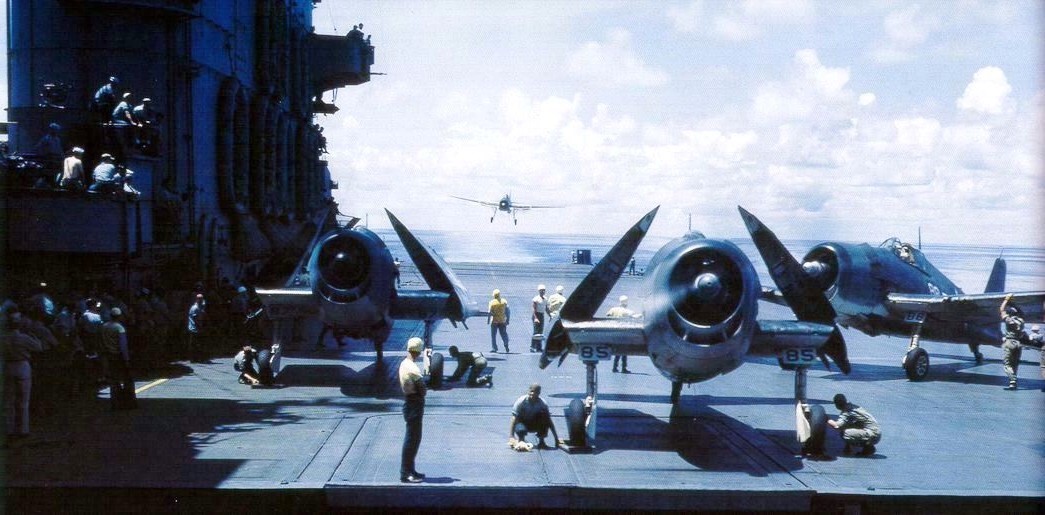
Hellcats recovering aboard the USS Saratoga (CV-3). Saratoga survived the war, only to be expended as a target for atomic bomb tests.
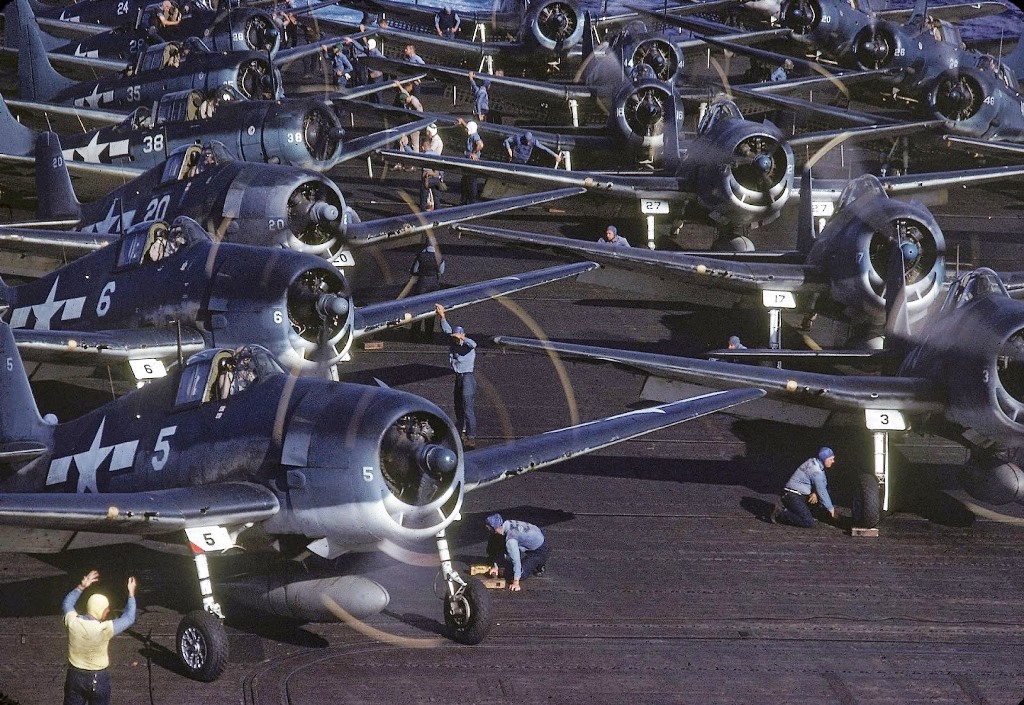
F6F Hellcats and SBD Dauntless dive bombers warm up aboard the USS Lexington (CV-16) off New Guinea in April, 1944. Close examination of the photo shows kill markings displayed on Hellcats 5 and 20.
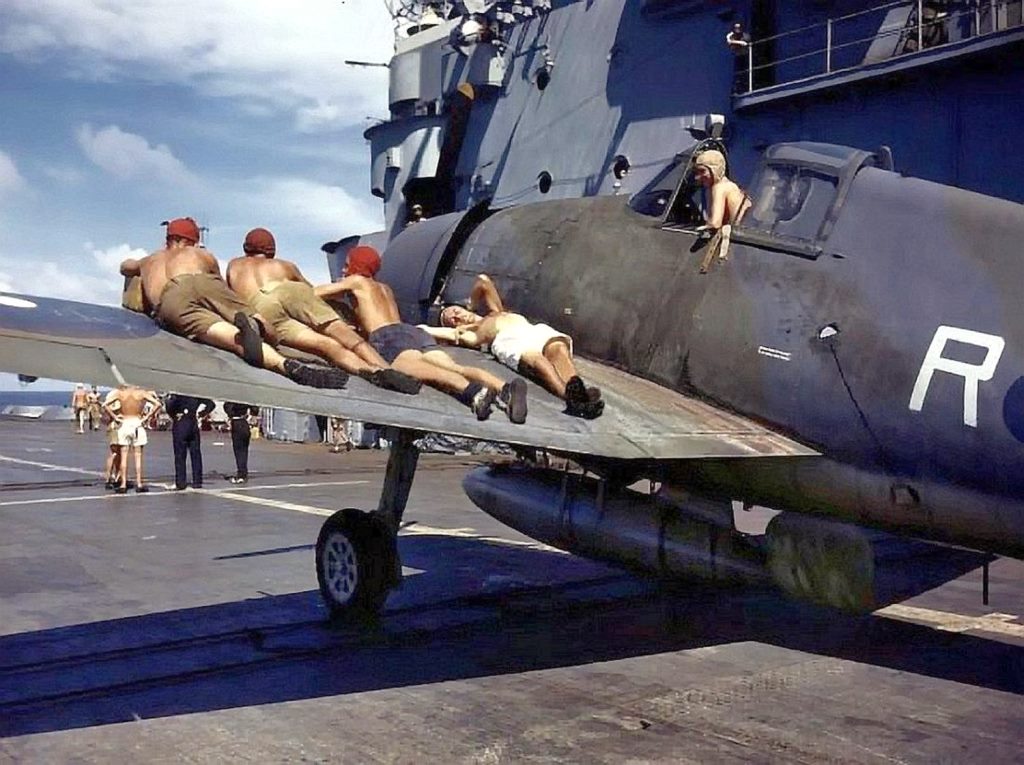
Plane handlers sunbathing on the wing of a Fleet Air Arm Hellcat Mk.1 of the Royal…