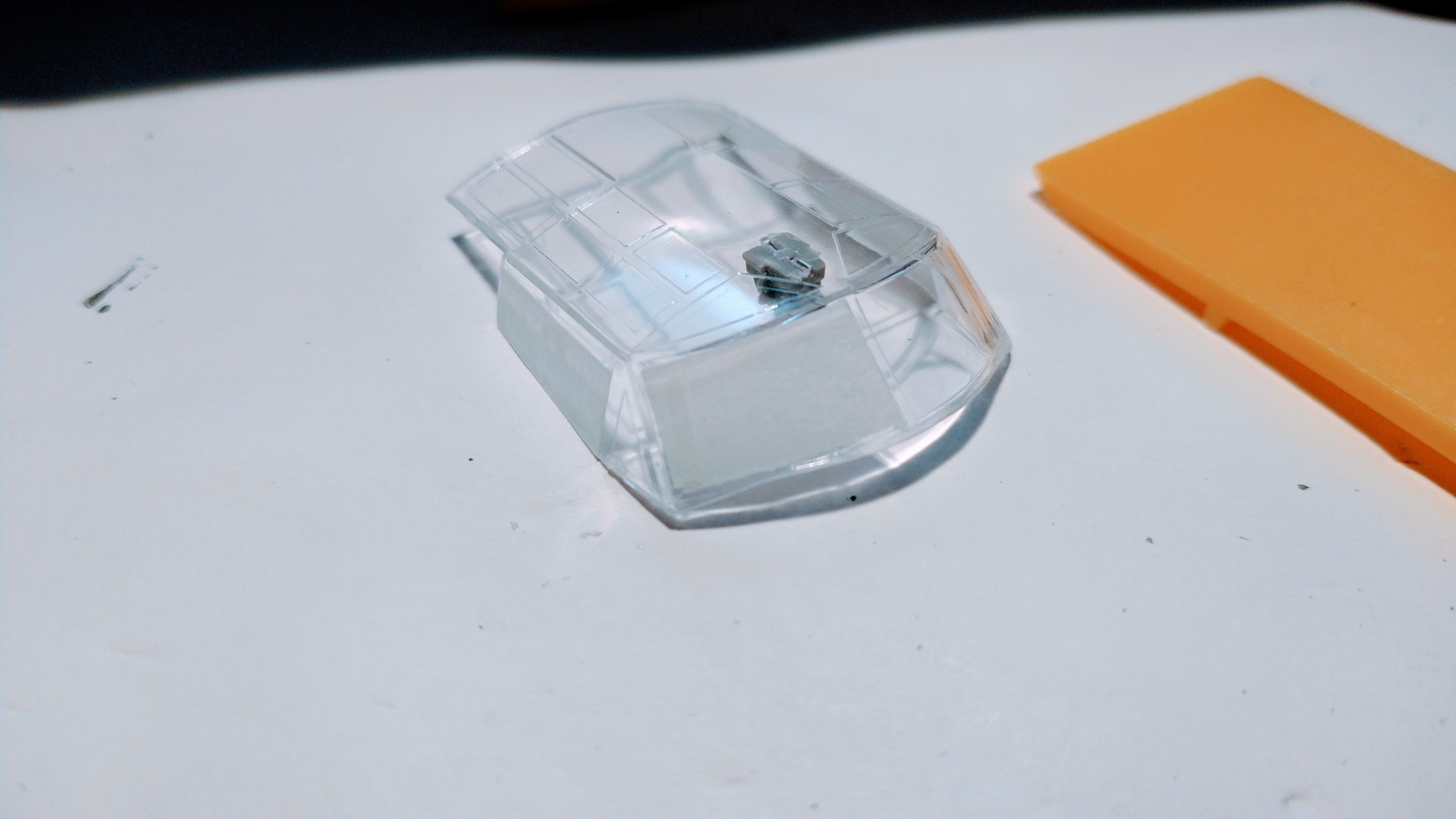
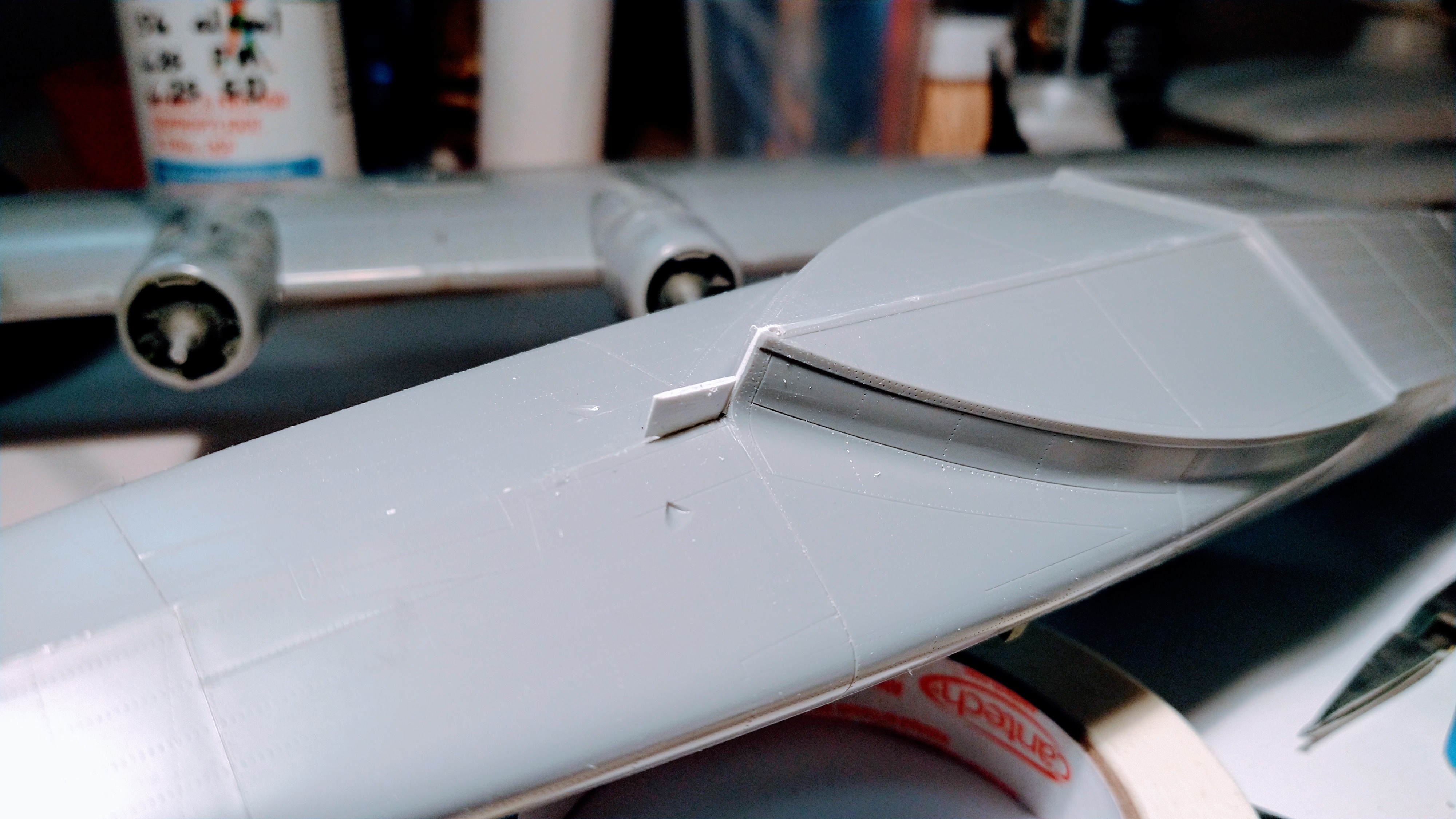
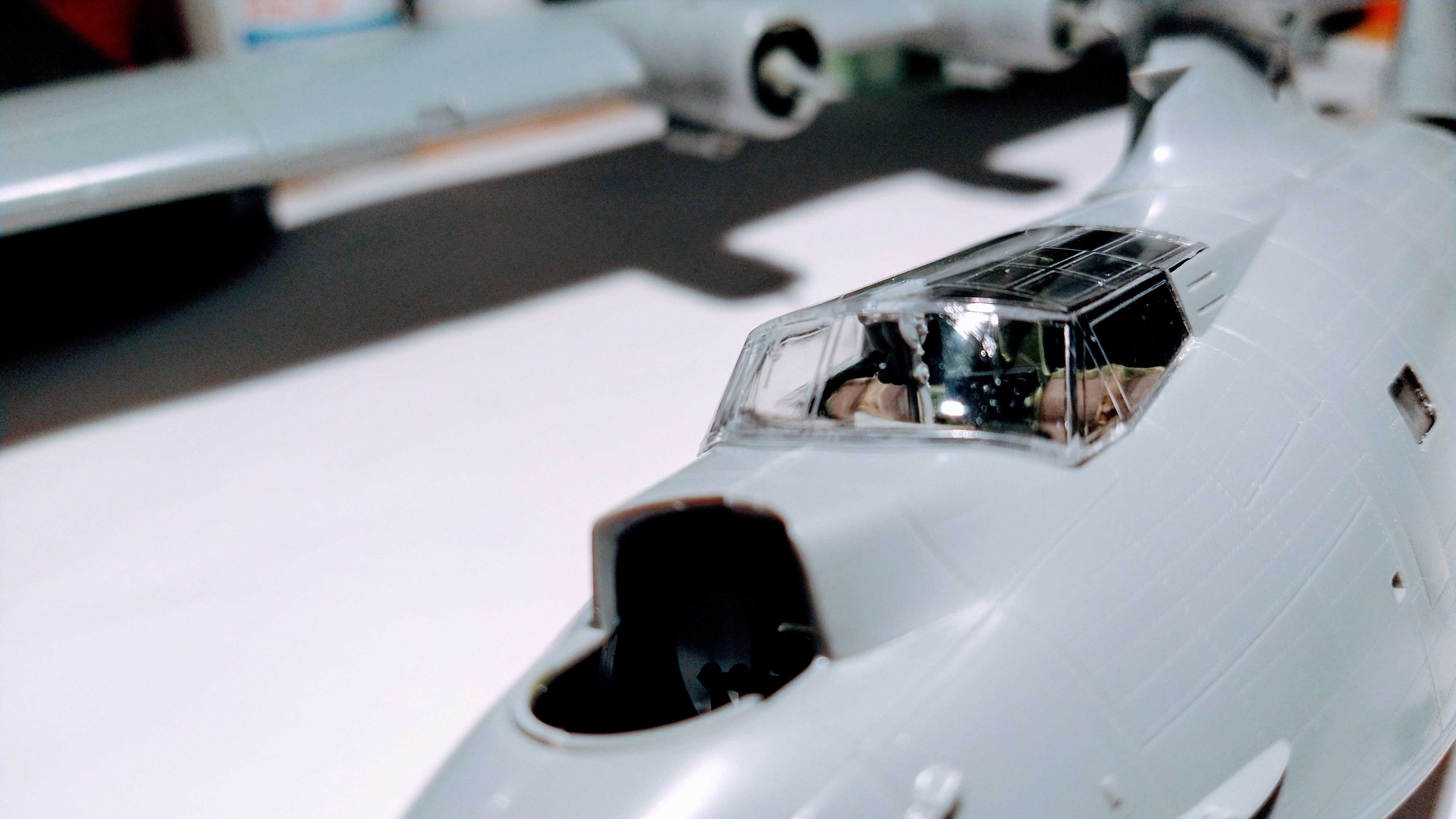
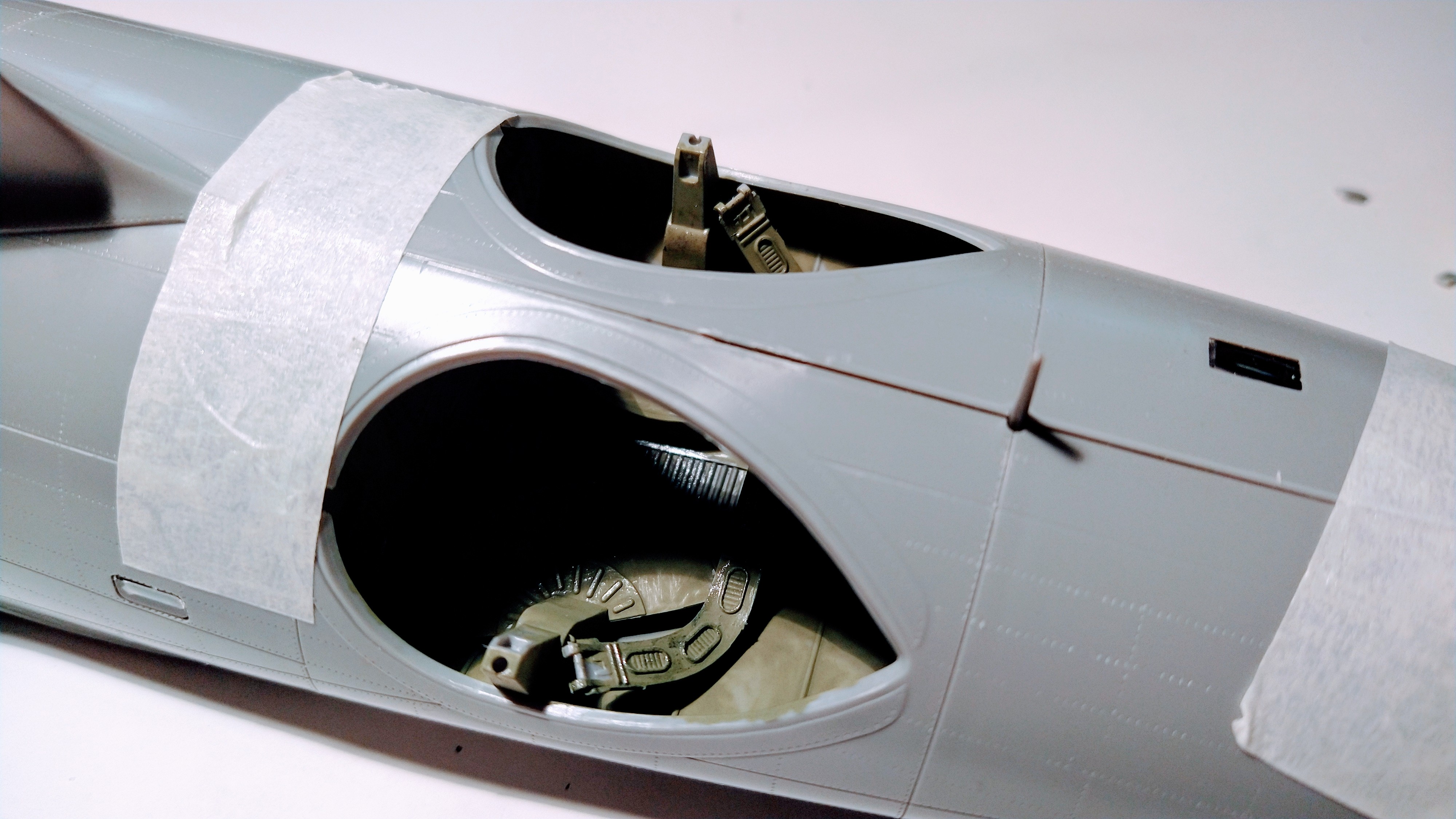
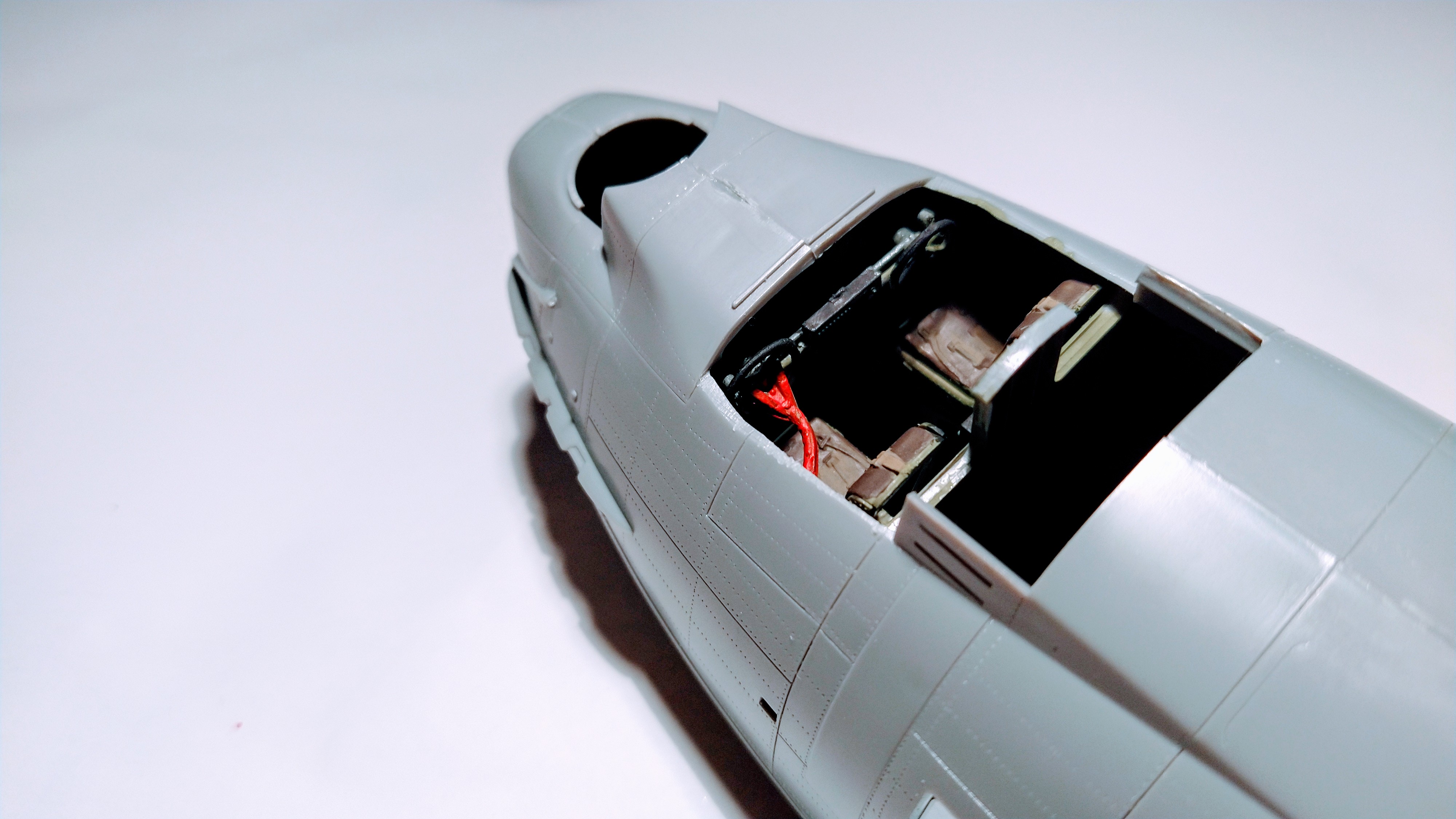
I can’t use the same technique for the canopies I had used because they have faintly molded frames.
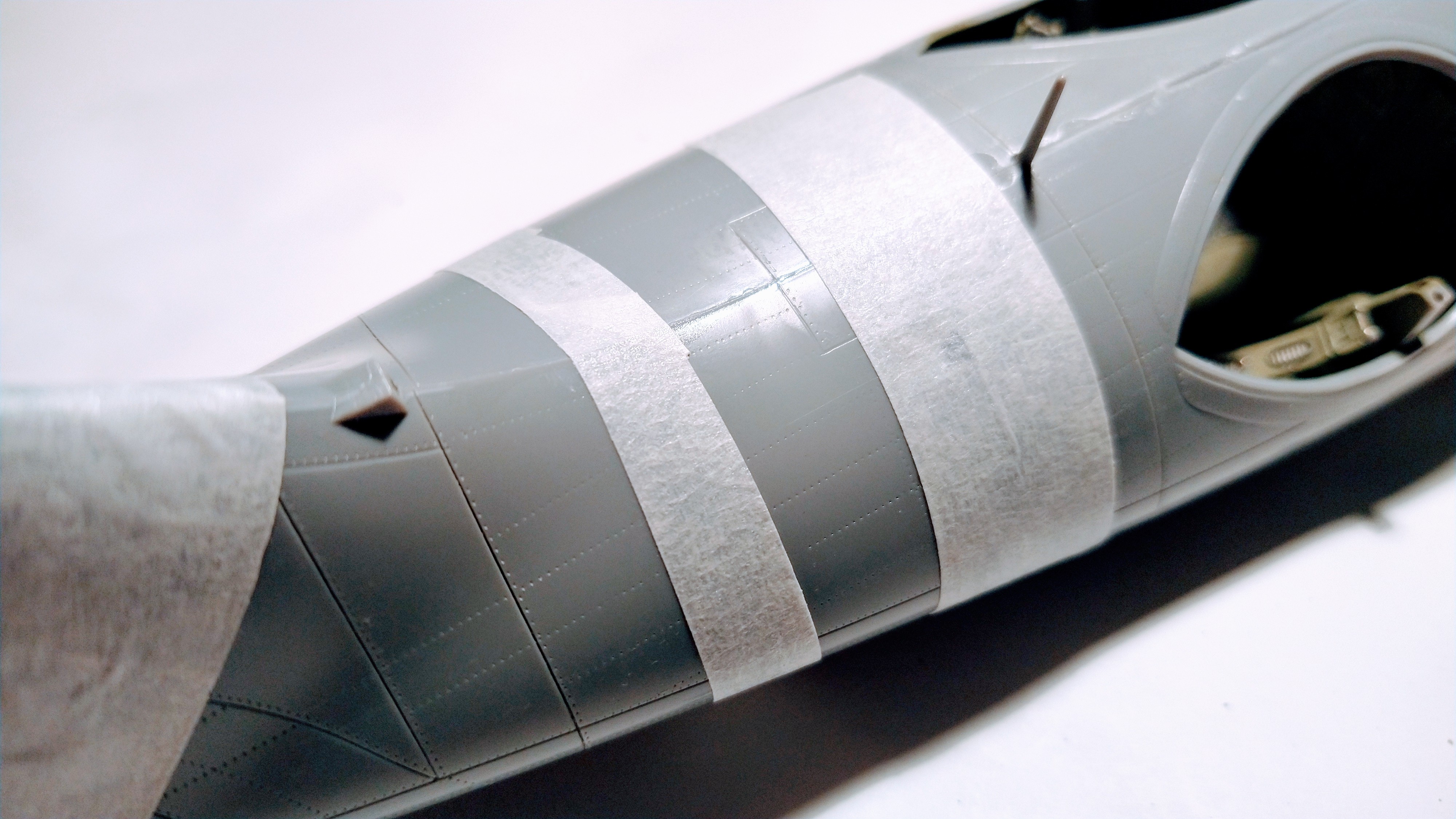
I have tried using masking tape but after an hour or so I called it a day when I noticed the tape I was using was leaving glue residue and was smearing the clear parts.
I found another technique which I had used in the 70s.
…a desire for very fine edges makes adhesive-backed foil a good choice. Aluminum or gold foil is less reflective than others, which makes it easier to see. Apply a little more than you need and burnish it down.
I had Elmer’s Spray glue and lots of aluminum foil. I tried it, however the frames are still too faintly molded. My other option is using painted masking tape which I had used before with good results.
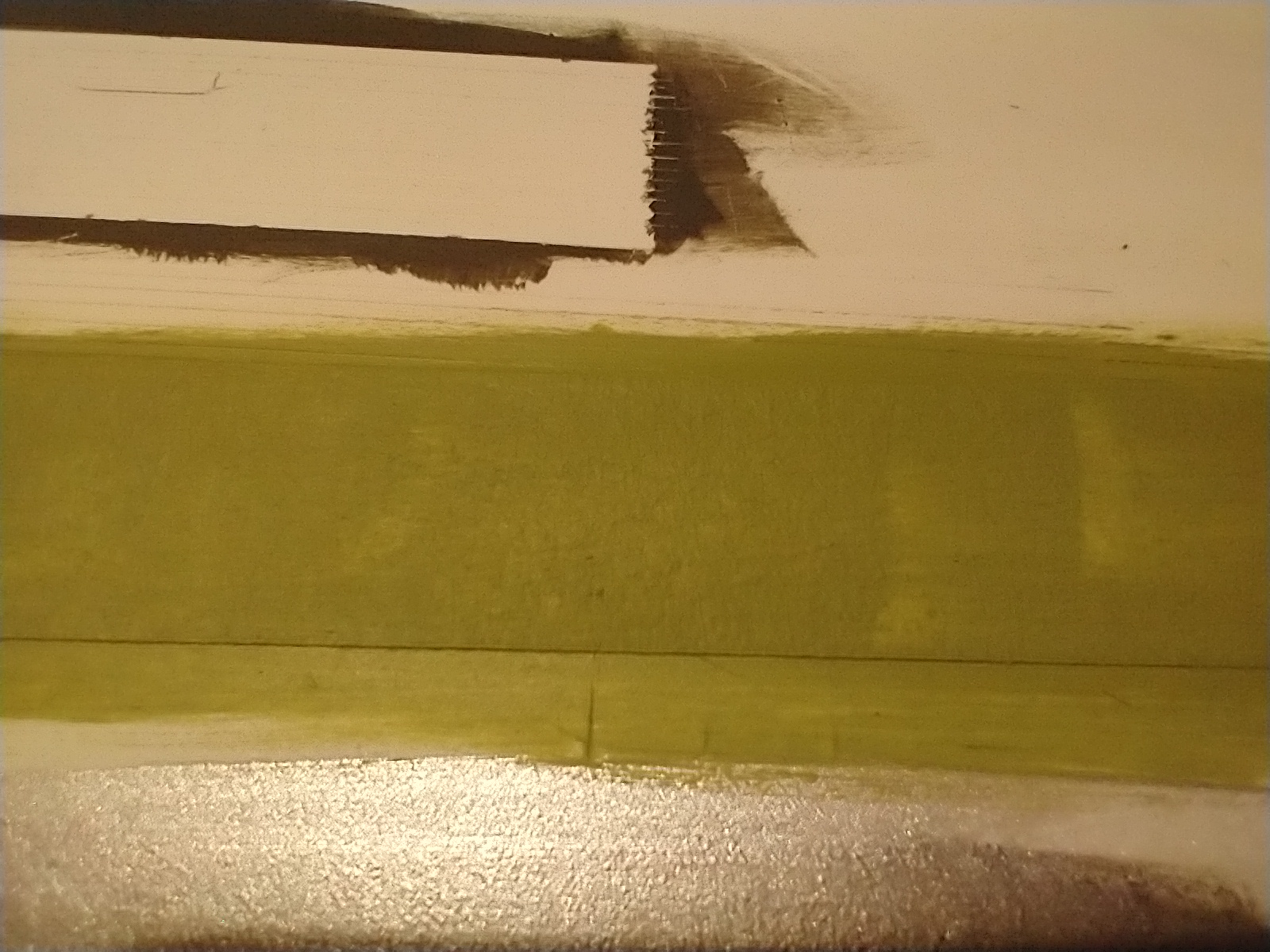
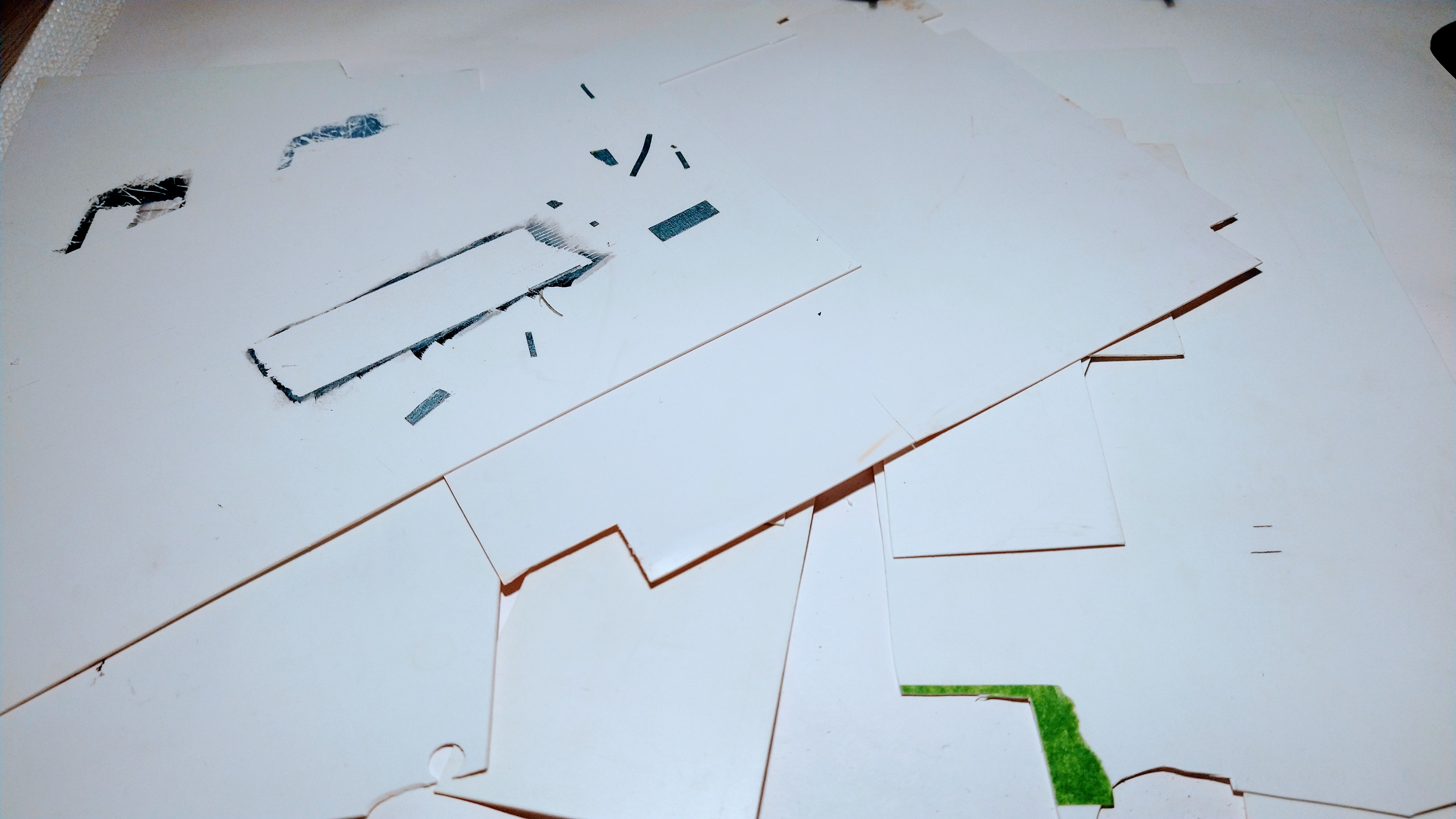
Moving along I painted a strip of masking tape with my homemade zinc chromate to see if it will hold the paint.
And let it dry…
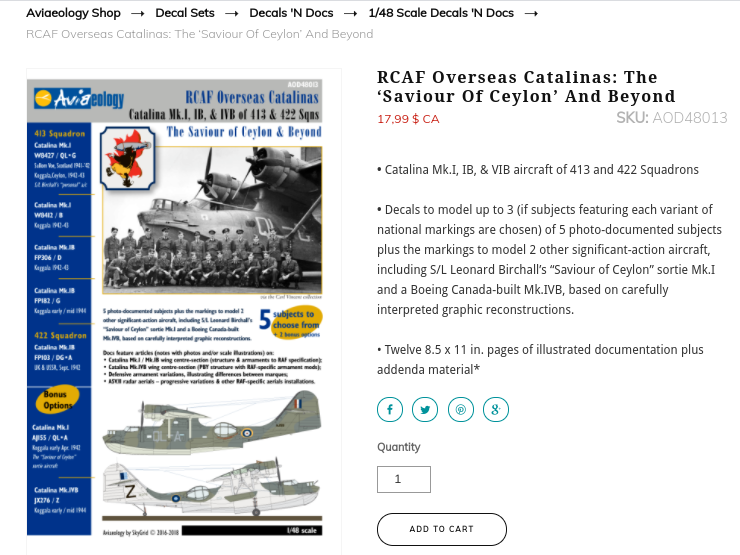
After I will try to mix up some homemade paint using the information I found with the decals I have bought from Aviaeology.
I can tell you right now the painted masking tape didn’t not work.
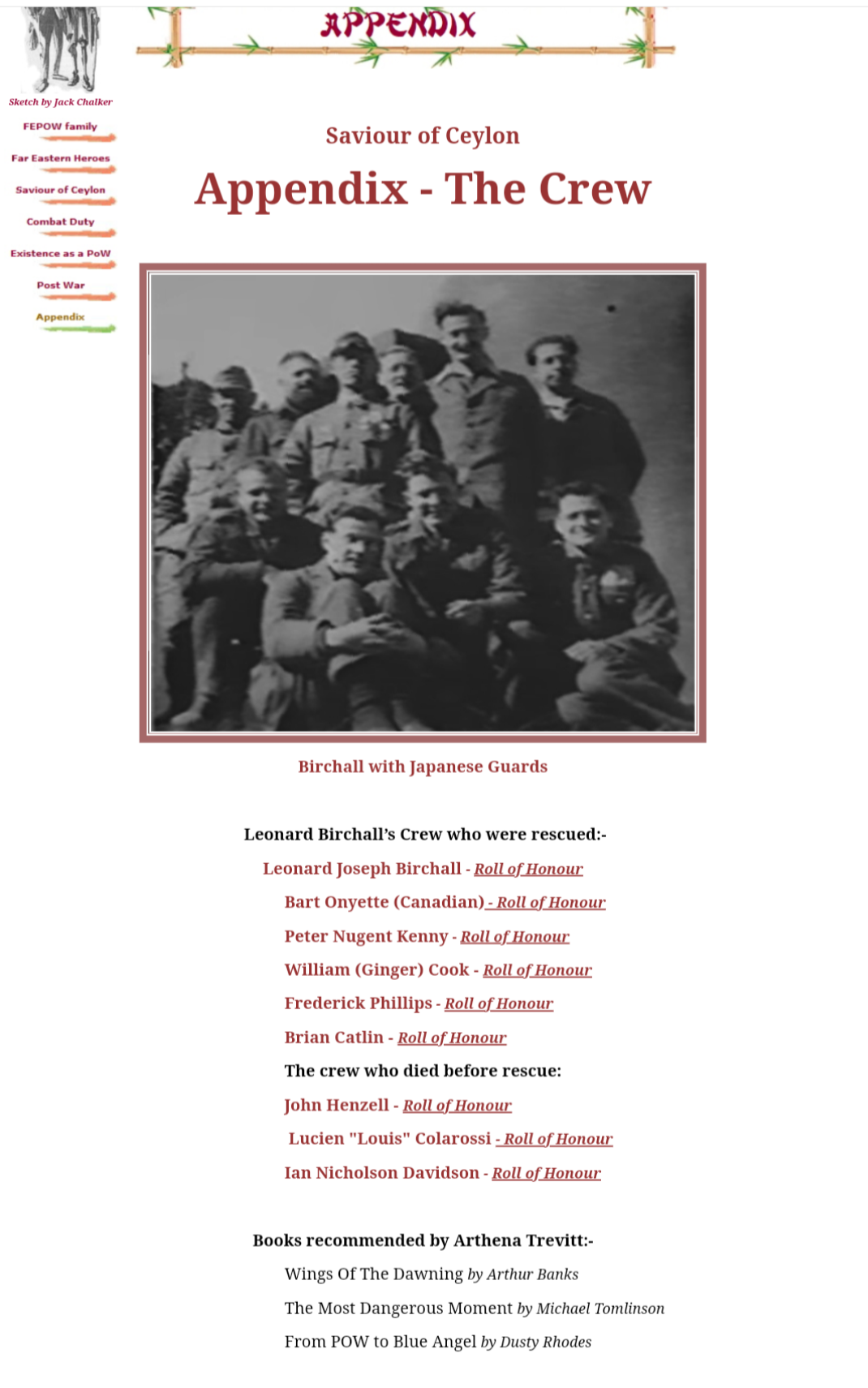
On 4 April 1942, only two days after his arrival, Squadron Leader Birchall was flying a PBY Catalinaflying boat (AJ155/QL-A) that was patrolling the ocean to the south of Ceylon. Nine hours into the mission, as the plane was about to return to base, ships were spotted on the horizon. Investigation revealed a large Japanese fleet, the Nagumo Task Force (Responsible for the attack on Pearl Harbour), including five aircraft carriers, heading for Ceylon, which at that time was the base for the Royal Navy‘s Eastern Fleet.[6] Birchall’s crew managed to send out a radio message, but the Catalina was soon shot down by six A6M2 Zero fighters from the carrier Hiryū.
The Japanese continued to strafe the wreck seriously wounding Sergeant John Henzell in the front turret. He was lost when the aircraft sank along with Warrant Officer Lucien “Louis” Colarossi. The Japanese continued their attack on those survivors in the water killing Sgt. Davidson. The remaining six crew members were eventually picked up by the Japanese destroyer Isokaze.
I don’t think survivors talked about the sheer minutes of terror they lived through during the attack. I can imagine what Sergeant up John Henzell felt when he was in the nose of the PBY with six Zeros buzzing around.
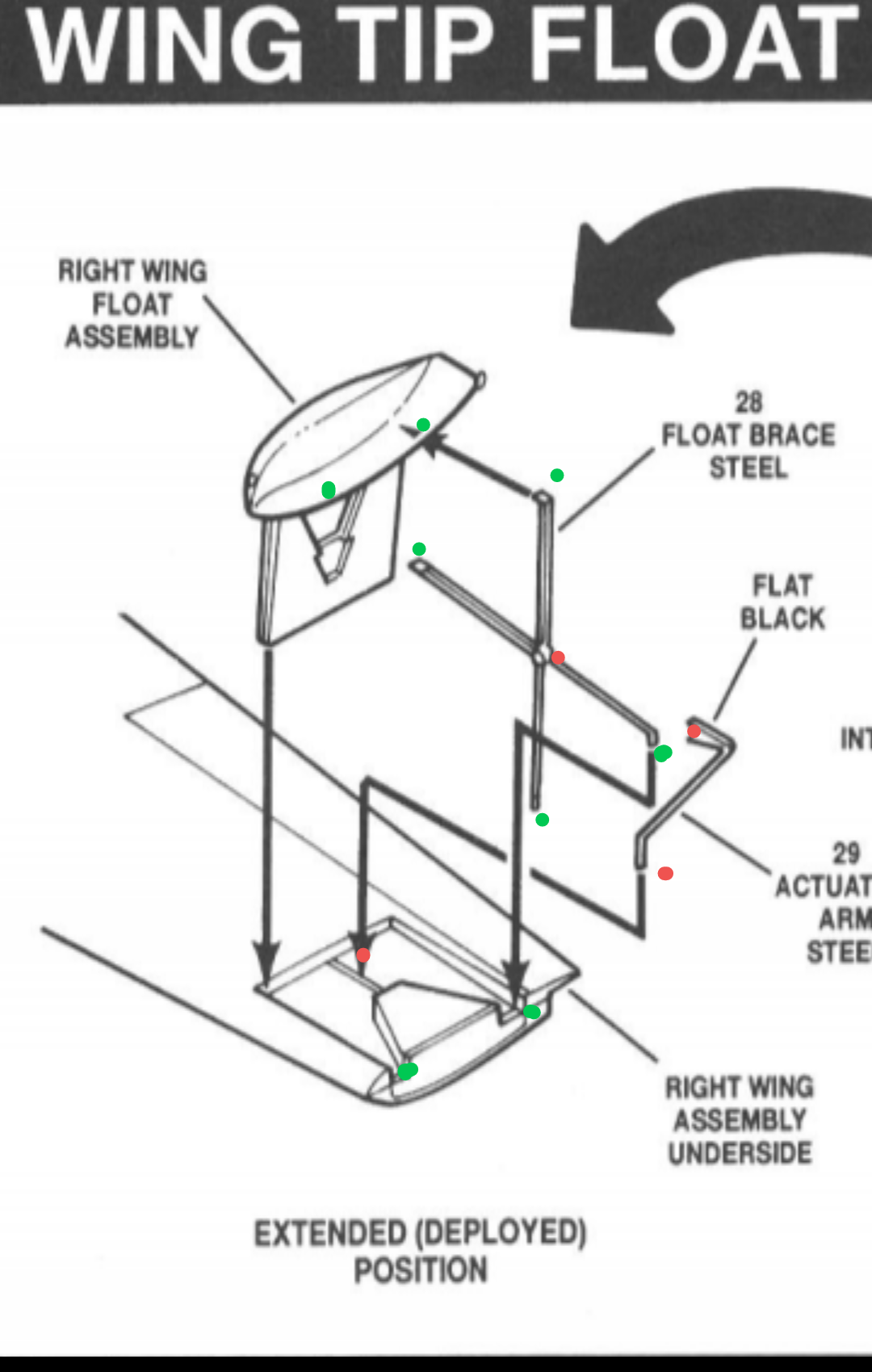
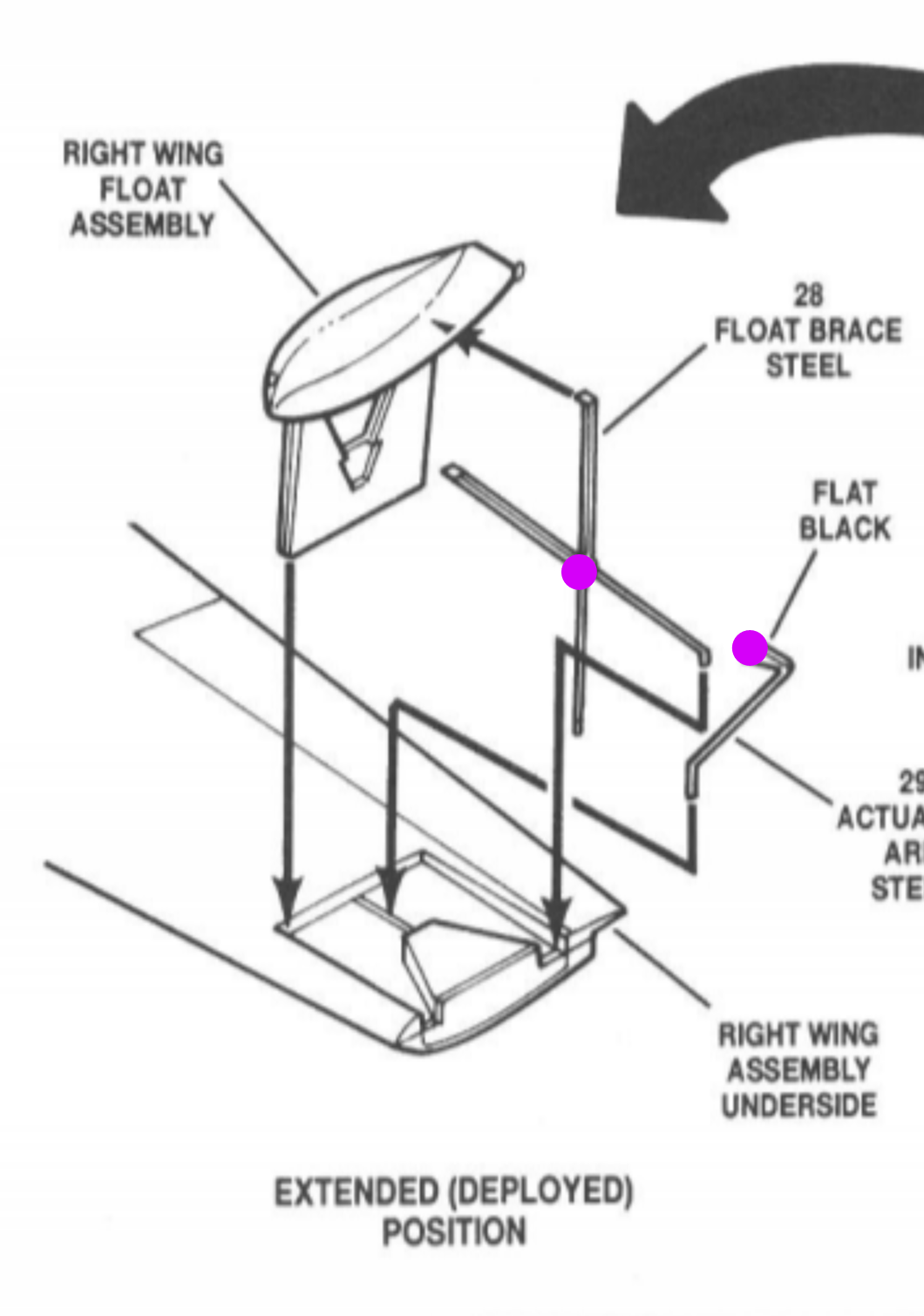
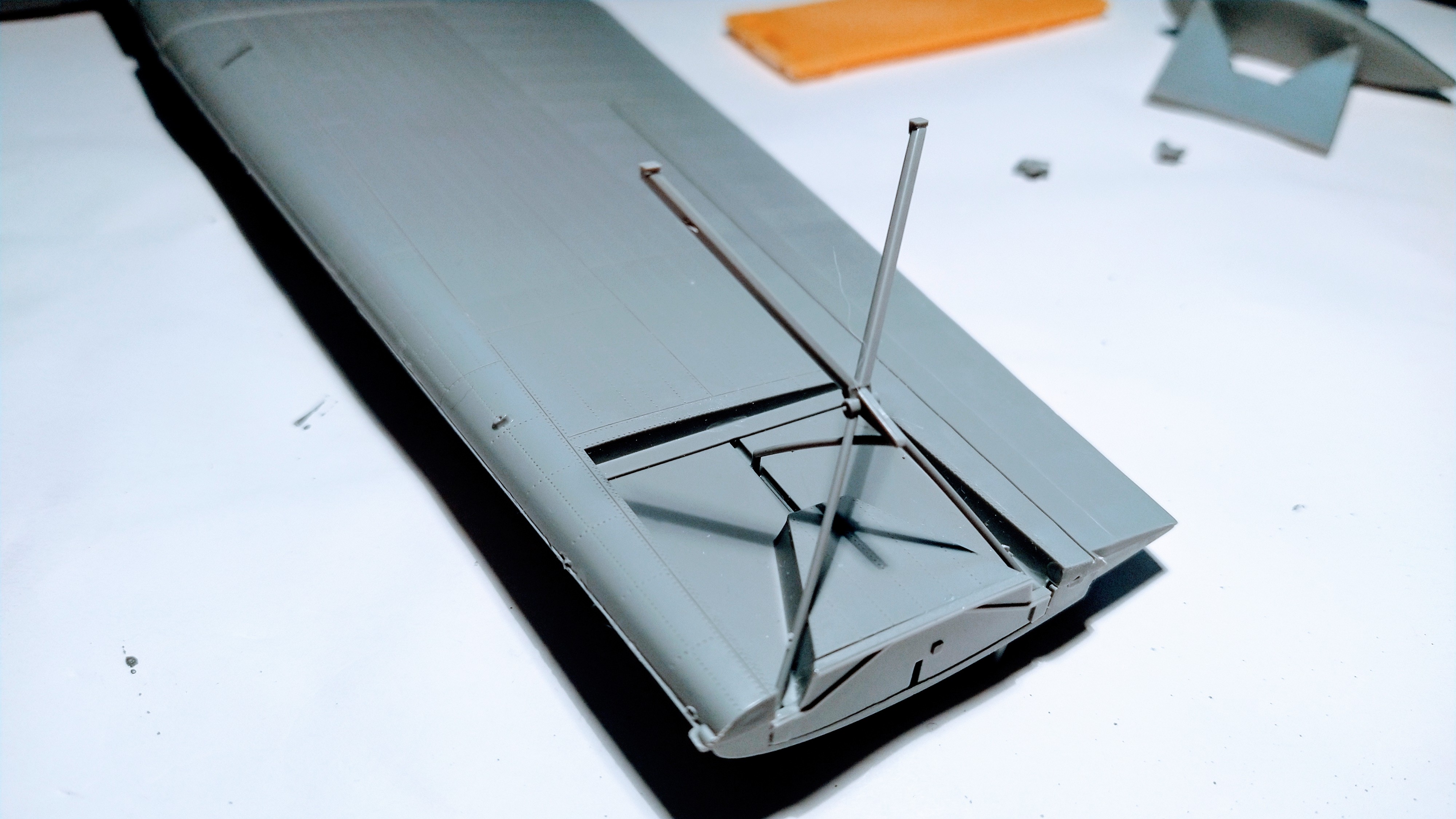
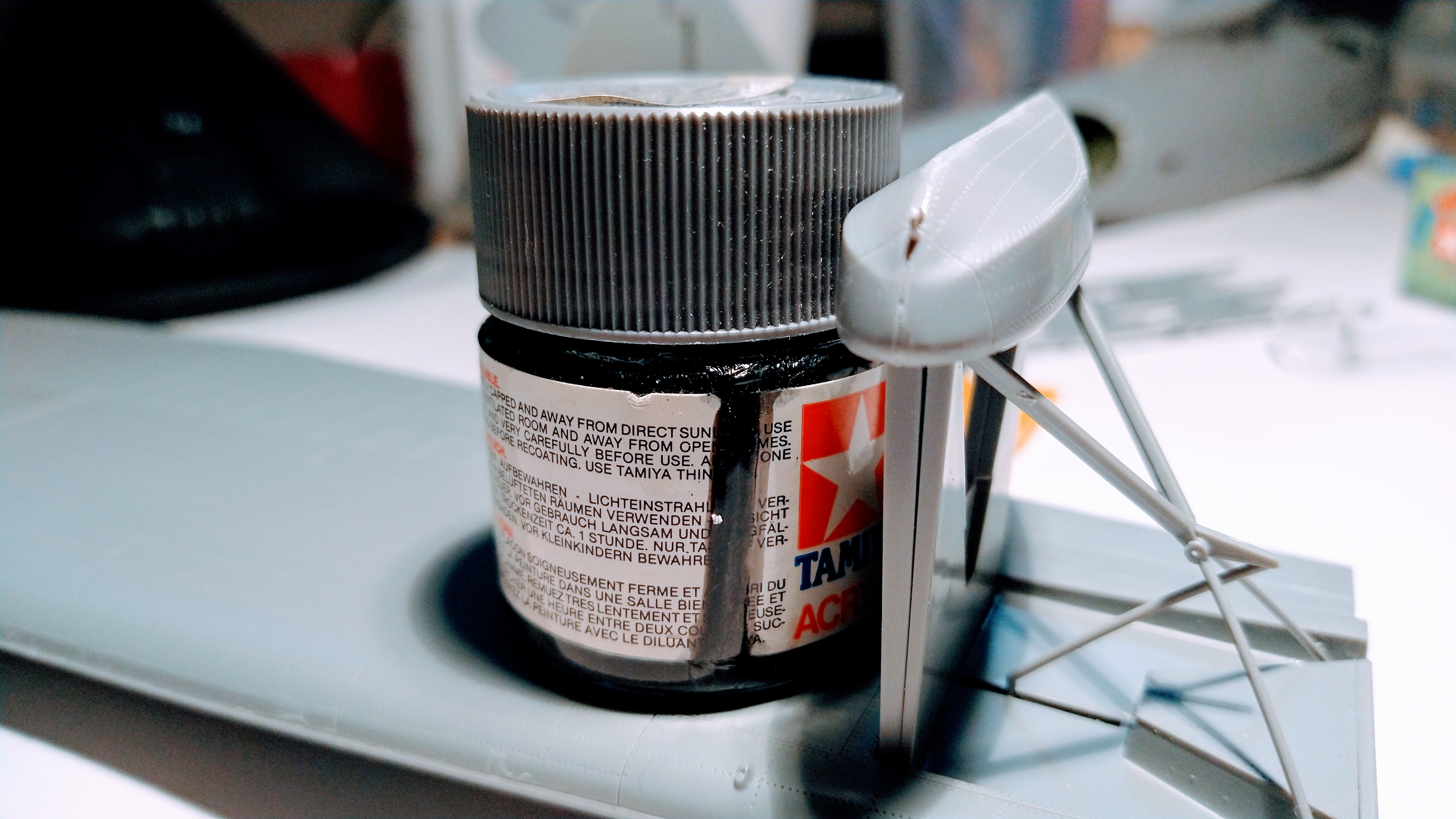
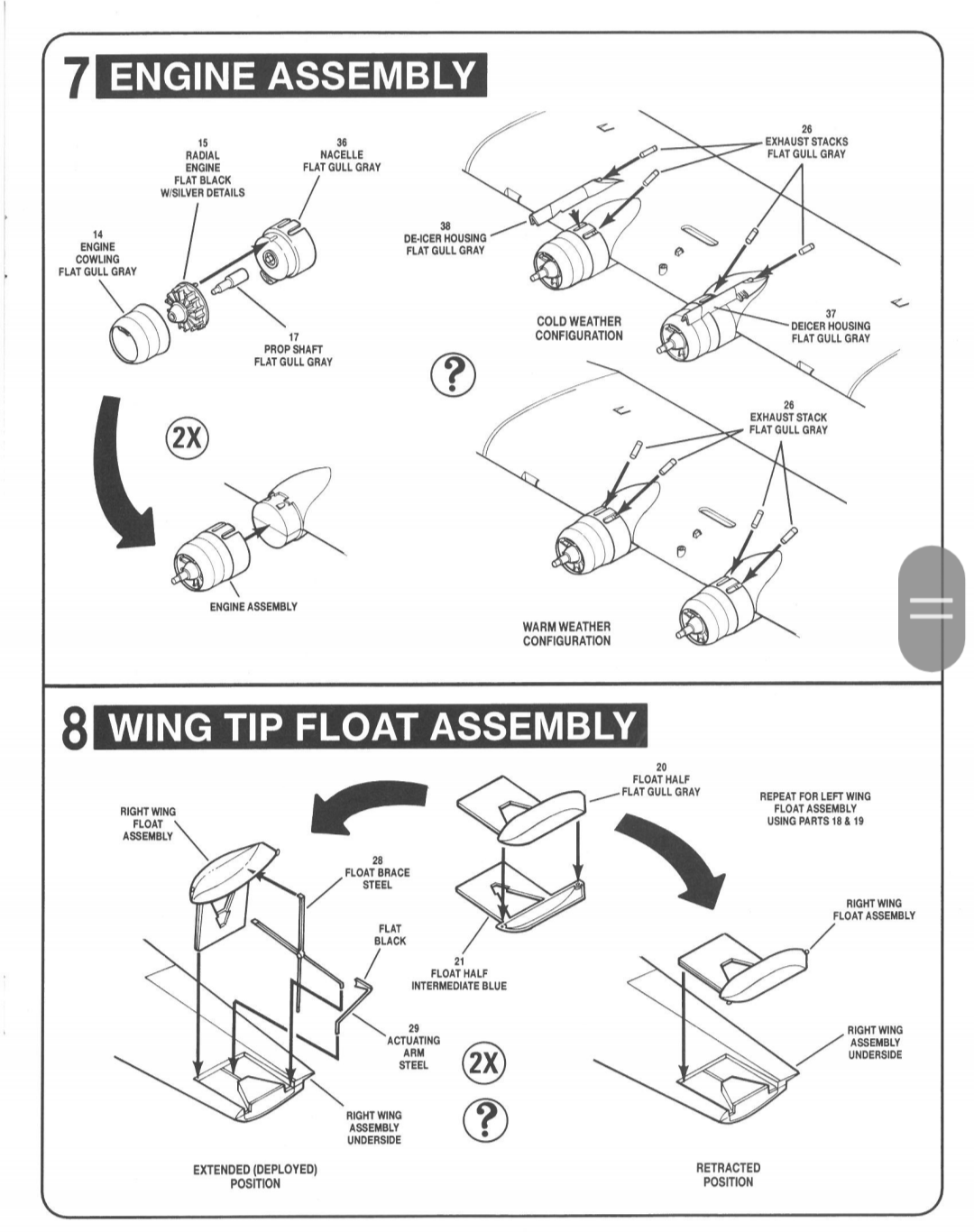
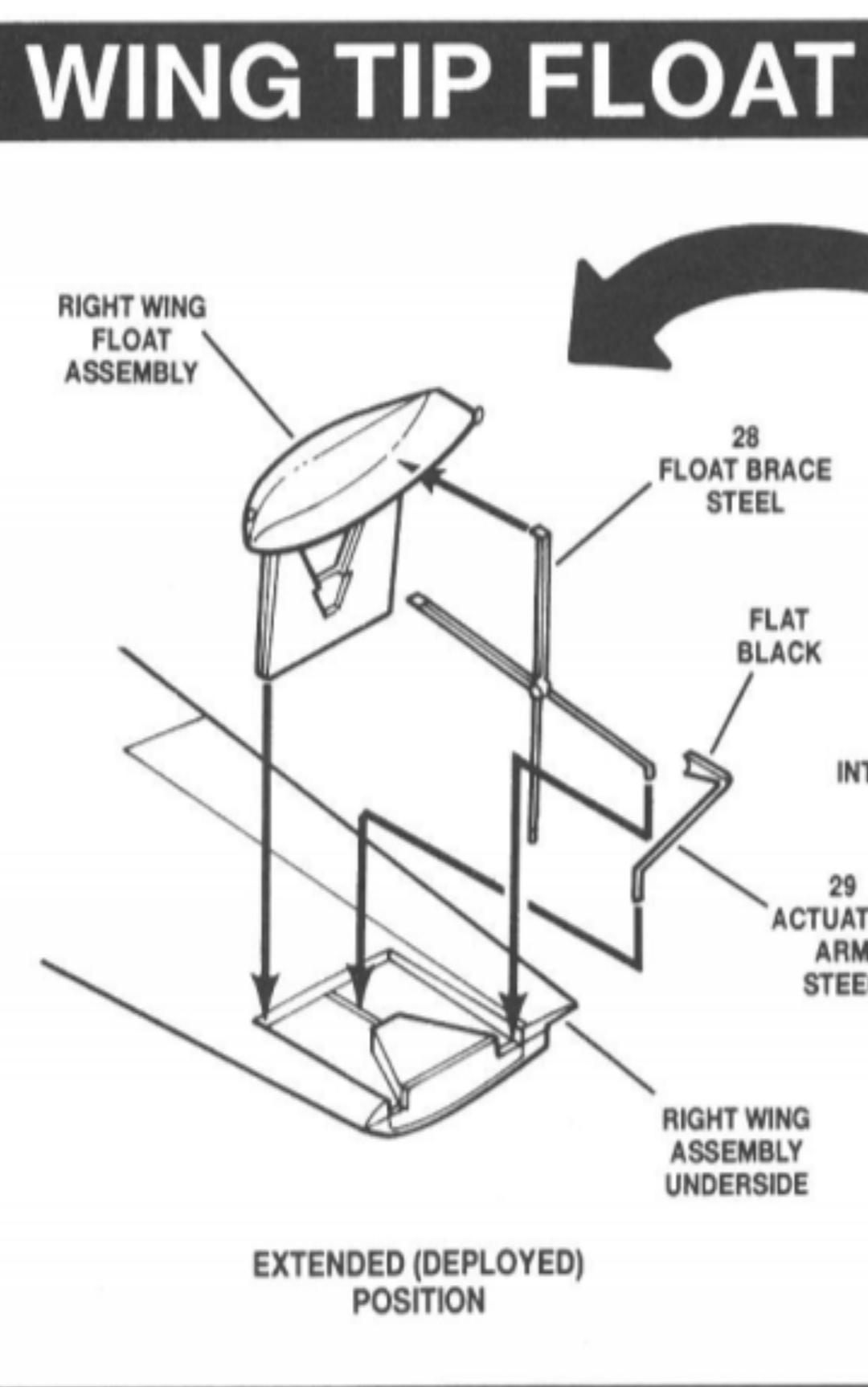
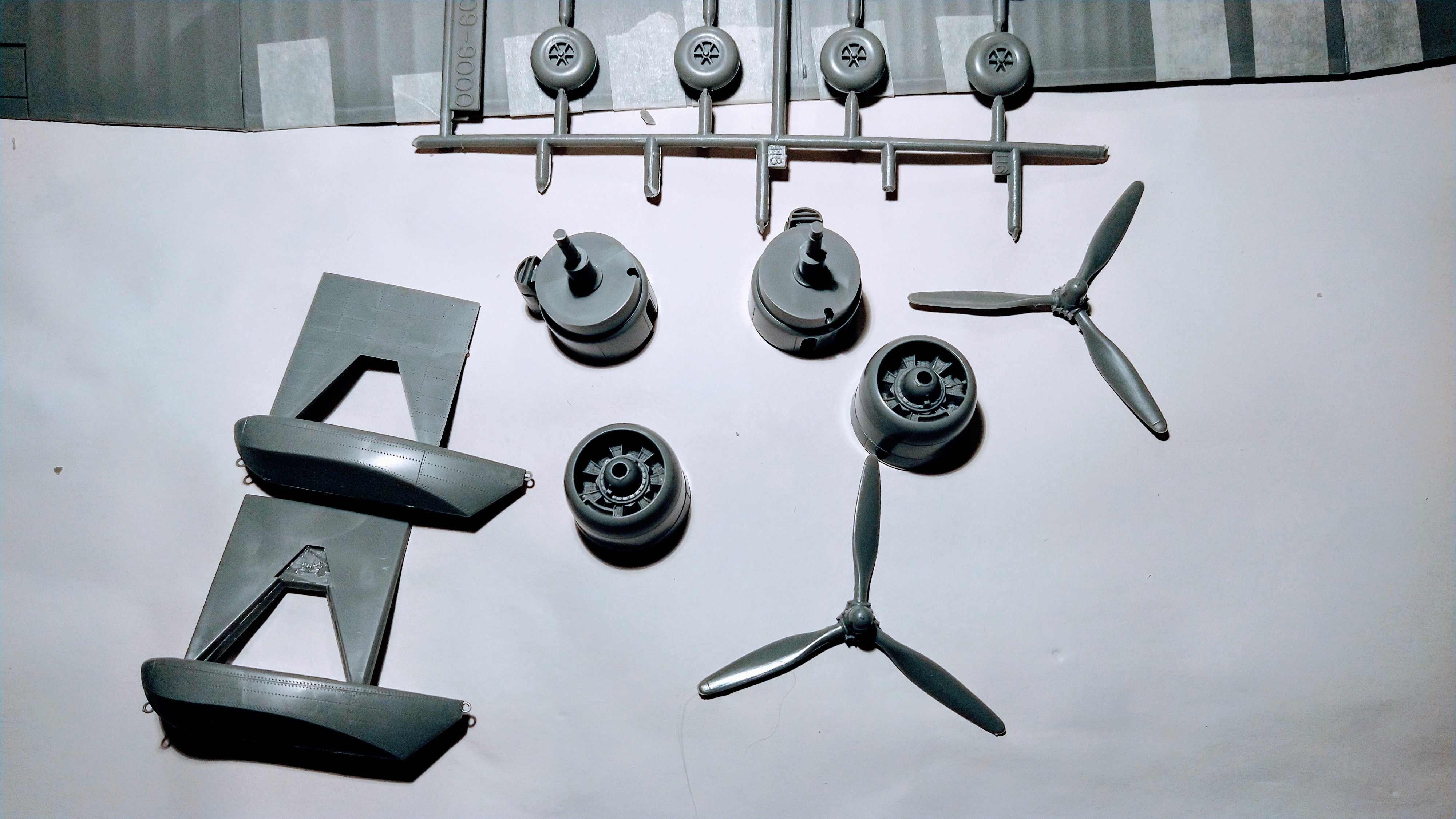
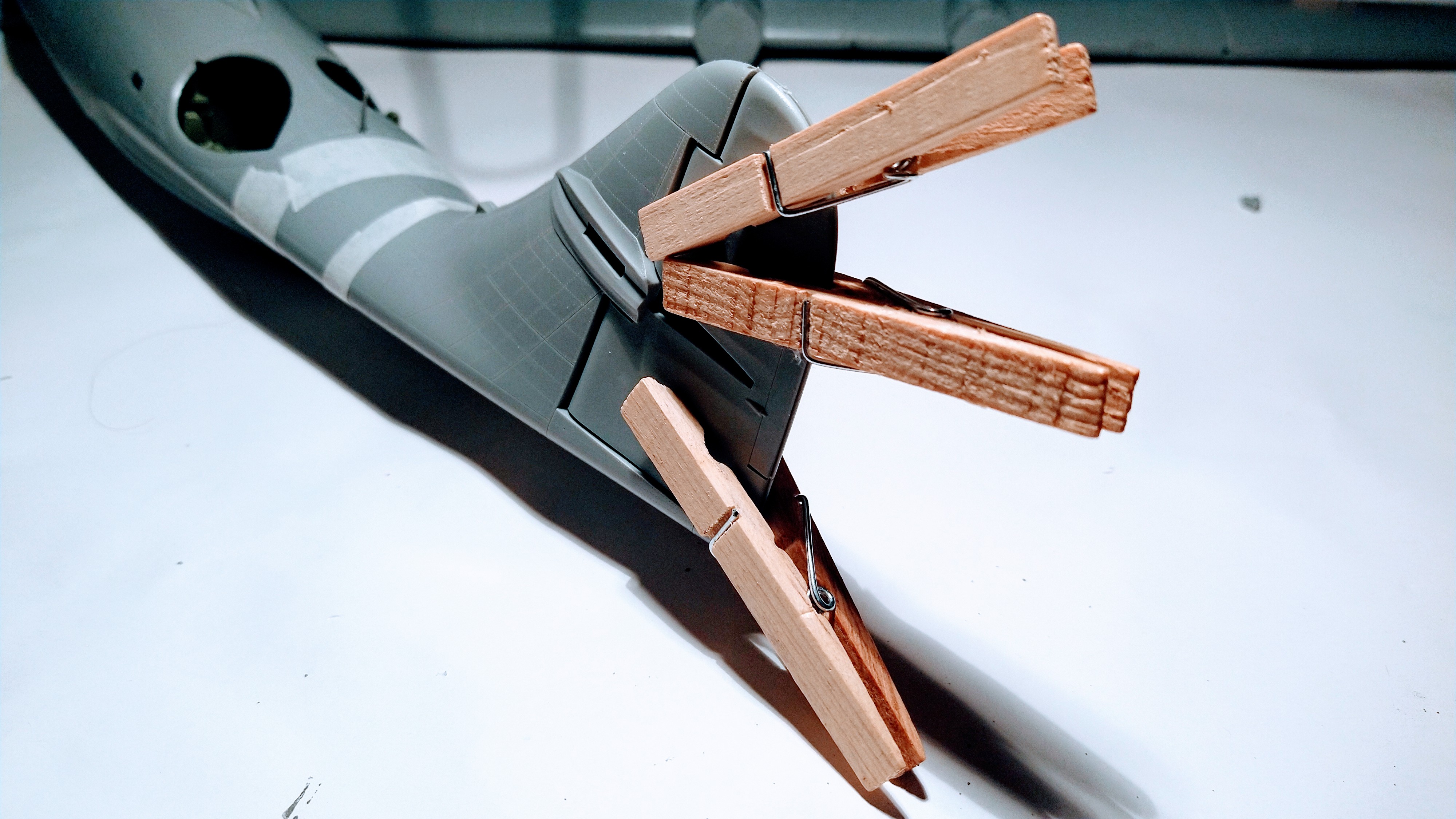
I have glued these parts while I was waiting to find how the pontoons would stand up.
Stand up they did… And they appear rock solid.
Being one step ahead on my progress I was somewhat shocked when I got a comment about the pontoons…
… And yes, you’re right that you do not want to attach the pontoons until you have painted and decaled and finished the model. Otherwise you are guaranteed to break them off.
Sometimes you have to live forever with your decisions.
Speaking from experience, it is entirely possible to break off/pop off that engine and reseat it. You might have to do some trimming inside the part now to get it right, but it can be done and isn’t that hard.
And yes, you’re right that you do not want to attach the pontoons until you have painted and decaled and finished the model. Otherwise you are guaranteed to break them off.
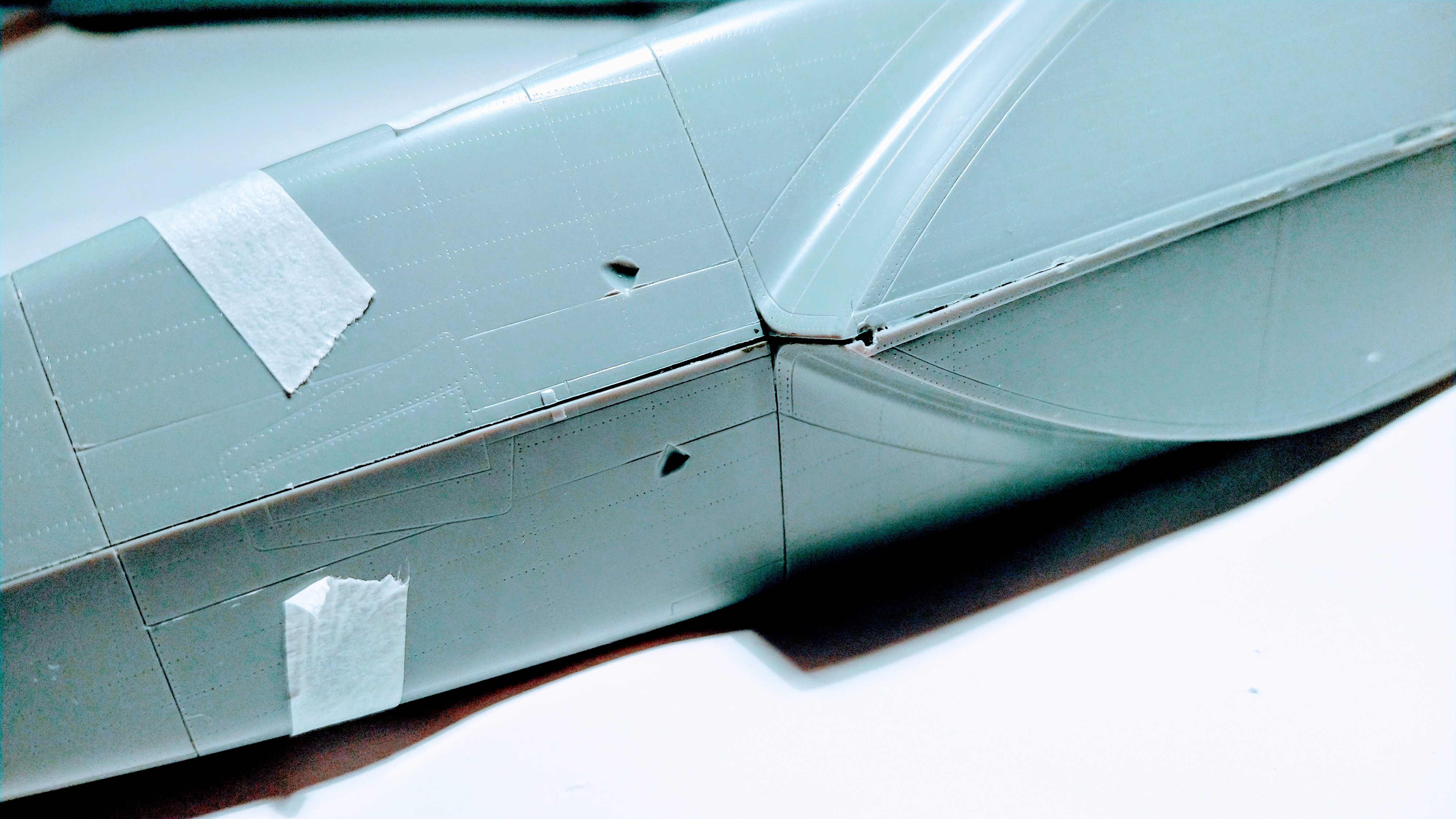
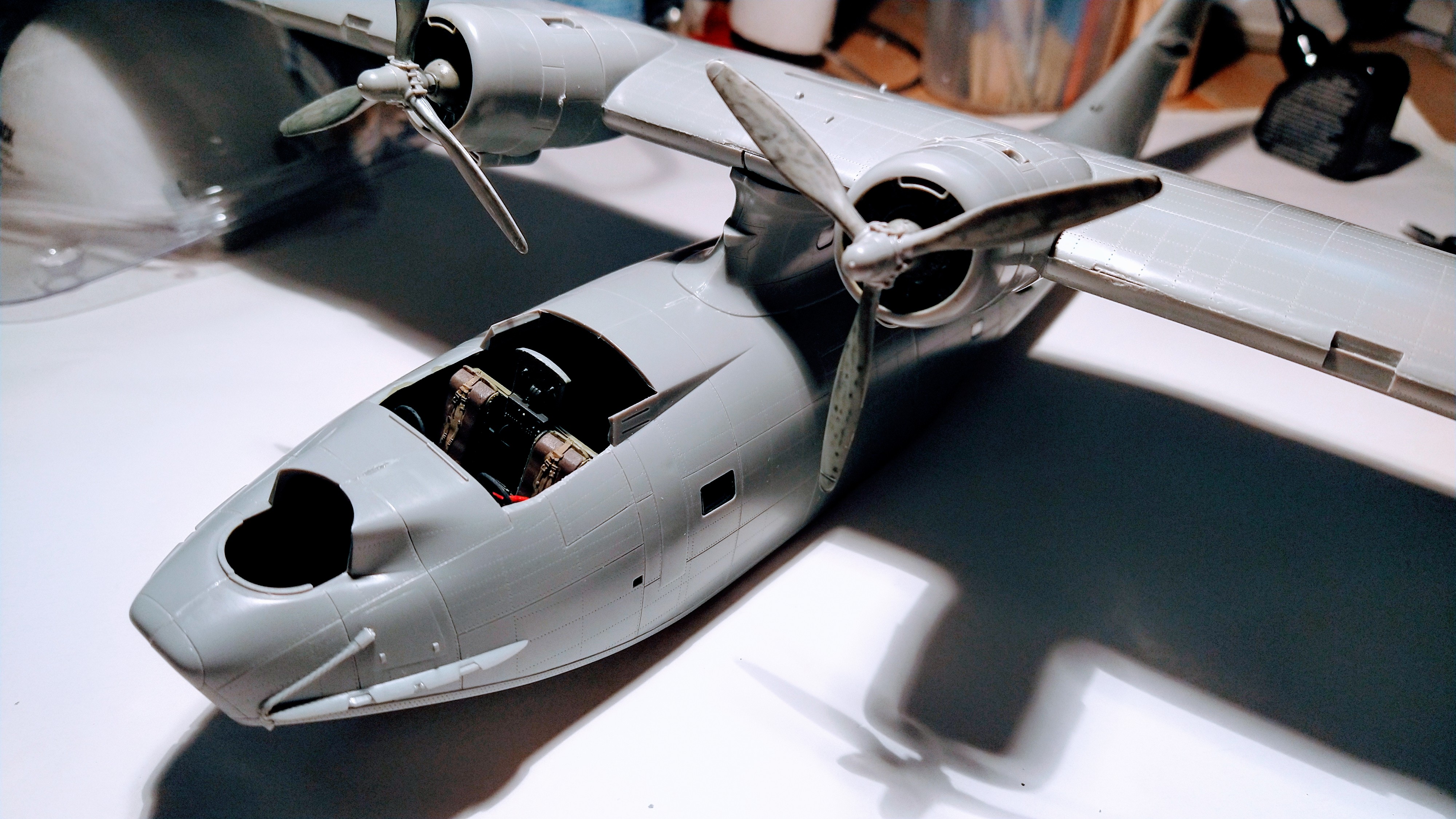
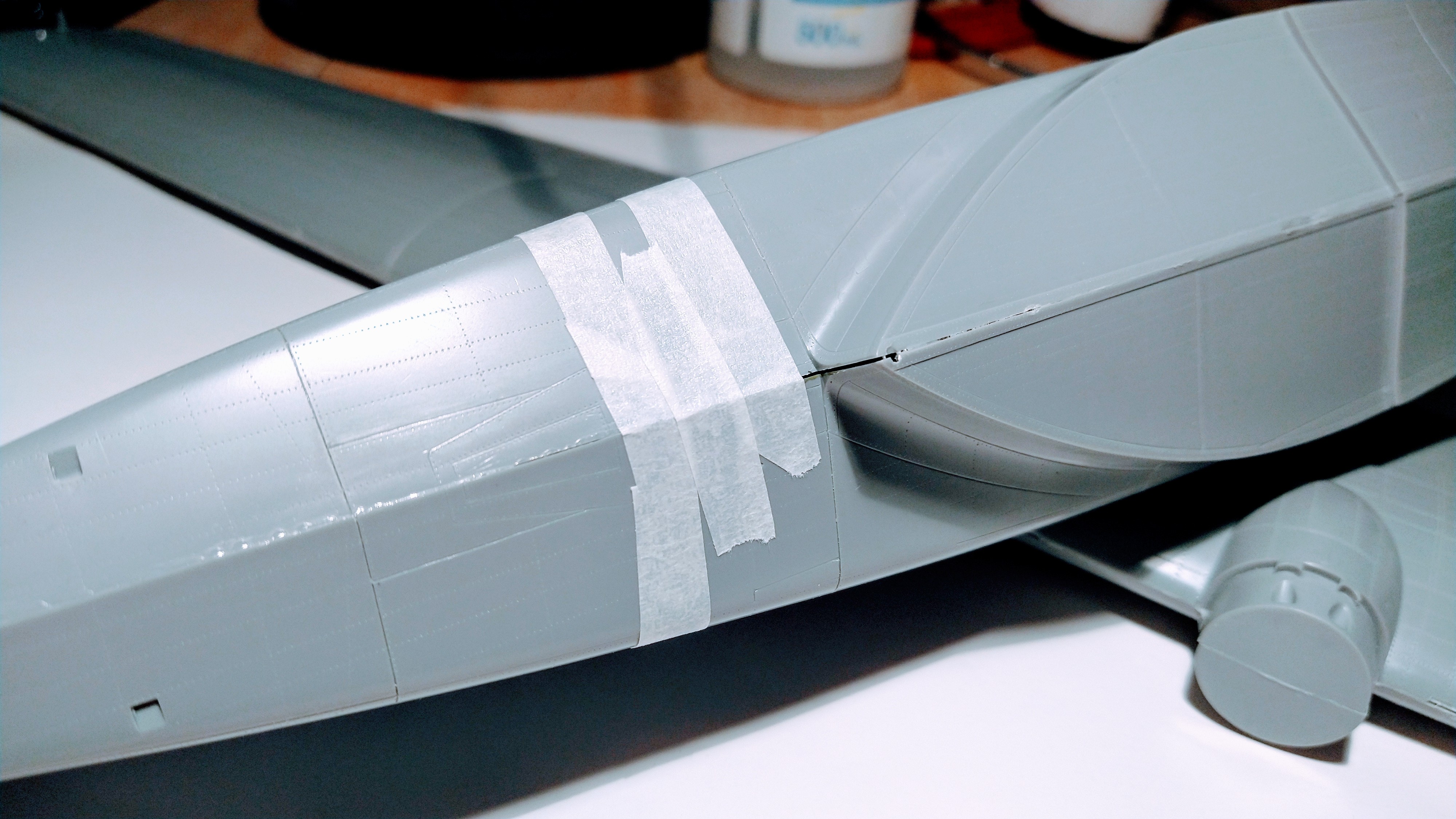
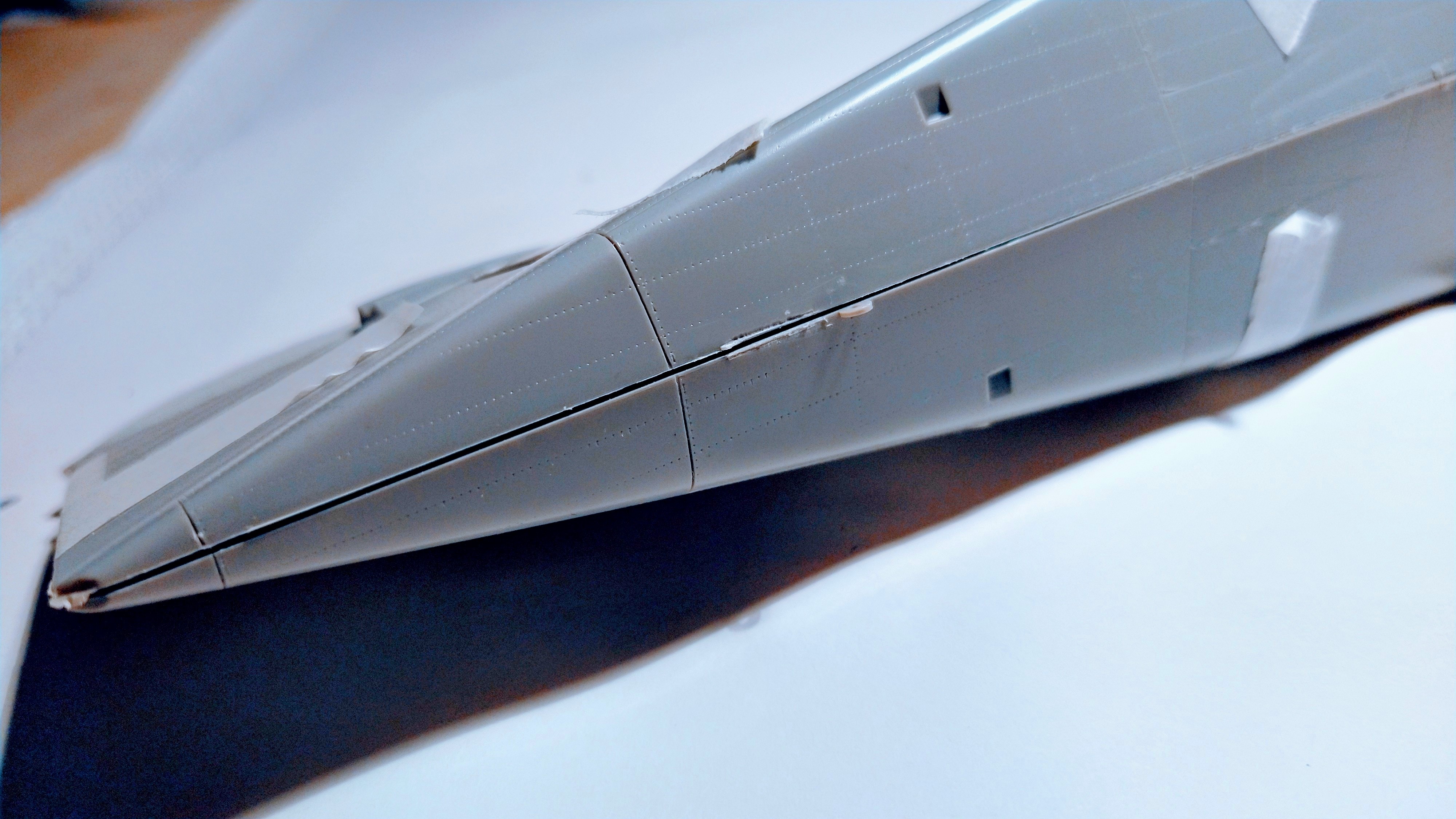
The left engine was not fully inserted into the engine cowling causing a missed alignment which led to this.
So I will have to get over it and it will stay that way forever.
I have learned a lot since I reunited with my forgotten hobby back in December 2013 with one exception: forgetting to always dry fit parts before glueing them.
Double-checking and even quadruple-checking are sometimes not enough.
I will try my luck next with the pontoons, but then maybe it’s not a good idea to install them right away.
I am sure a state-of-the-art 1/48 scale Handley-Page Halifax III would be most welcomed by modelers. At least I know two modelers who have commented yesterday share the same opinion.
Dave
I agree completely the Halifax is one of the more important types not to be kitted yet! There has been a surge in larger kits the last few years, let’s hope it continues for a while.
Looks like pretty good fit on the Catalina, I look forward to giving it a try.
Mike
I’m also waiting for a reasonable Halifax in 1/48 (preferably a Mk I), but I still have 3 unbuilt Tamiya Lancs to deal with!
(I’d also someday like to find a 1/72 HMS Hotspur or Campbeltown, but I digress.)
Revell could easily do it since they already have a 1/72 scale Handley-Page Halifax III.
This 1/72 scale model kit is now out of stock which in a sense is great news since it was probably selling well.
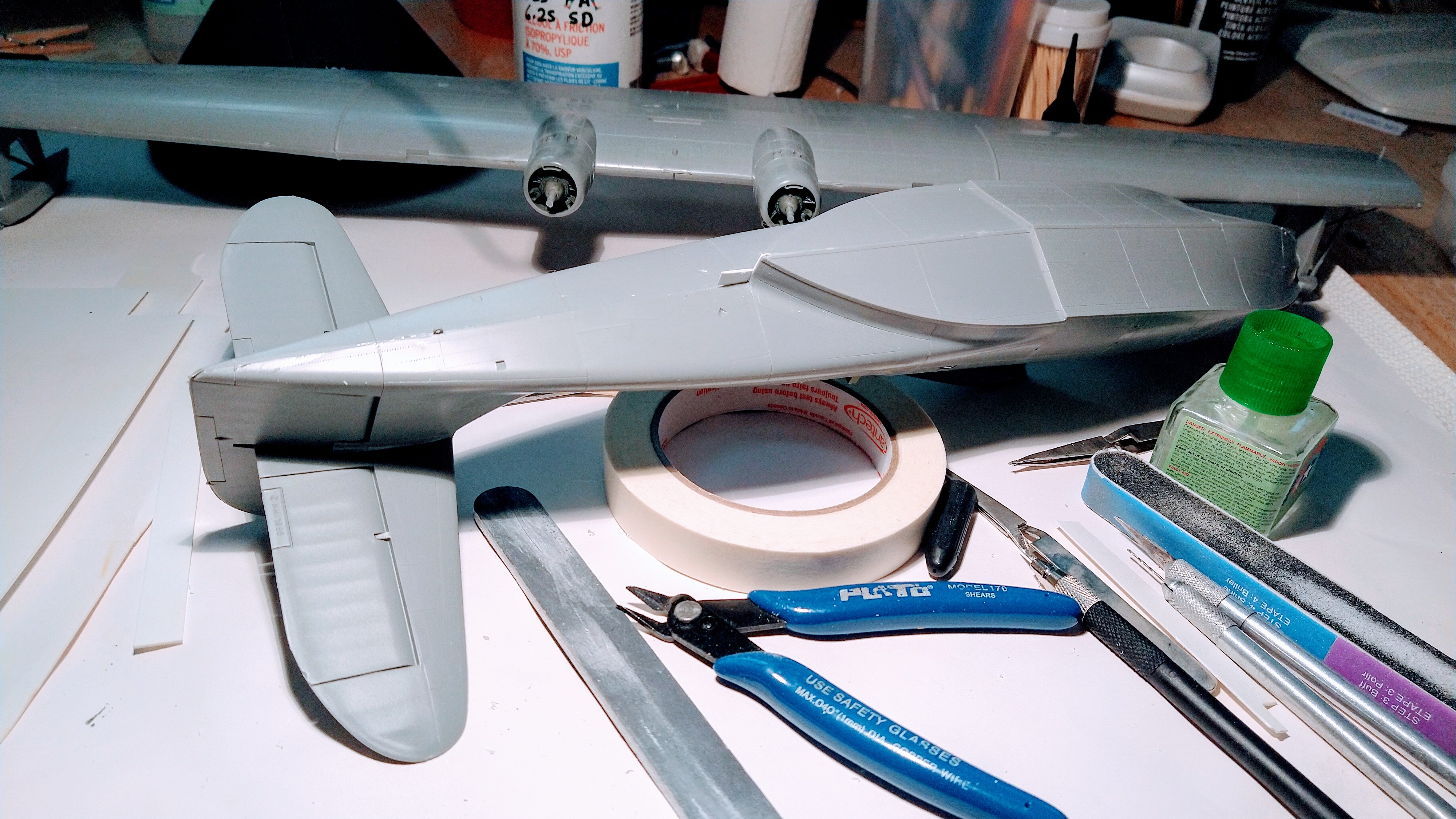
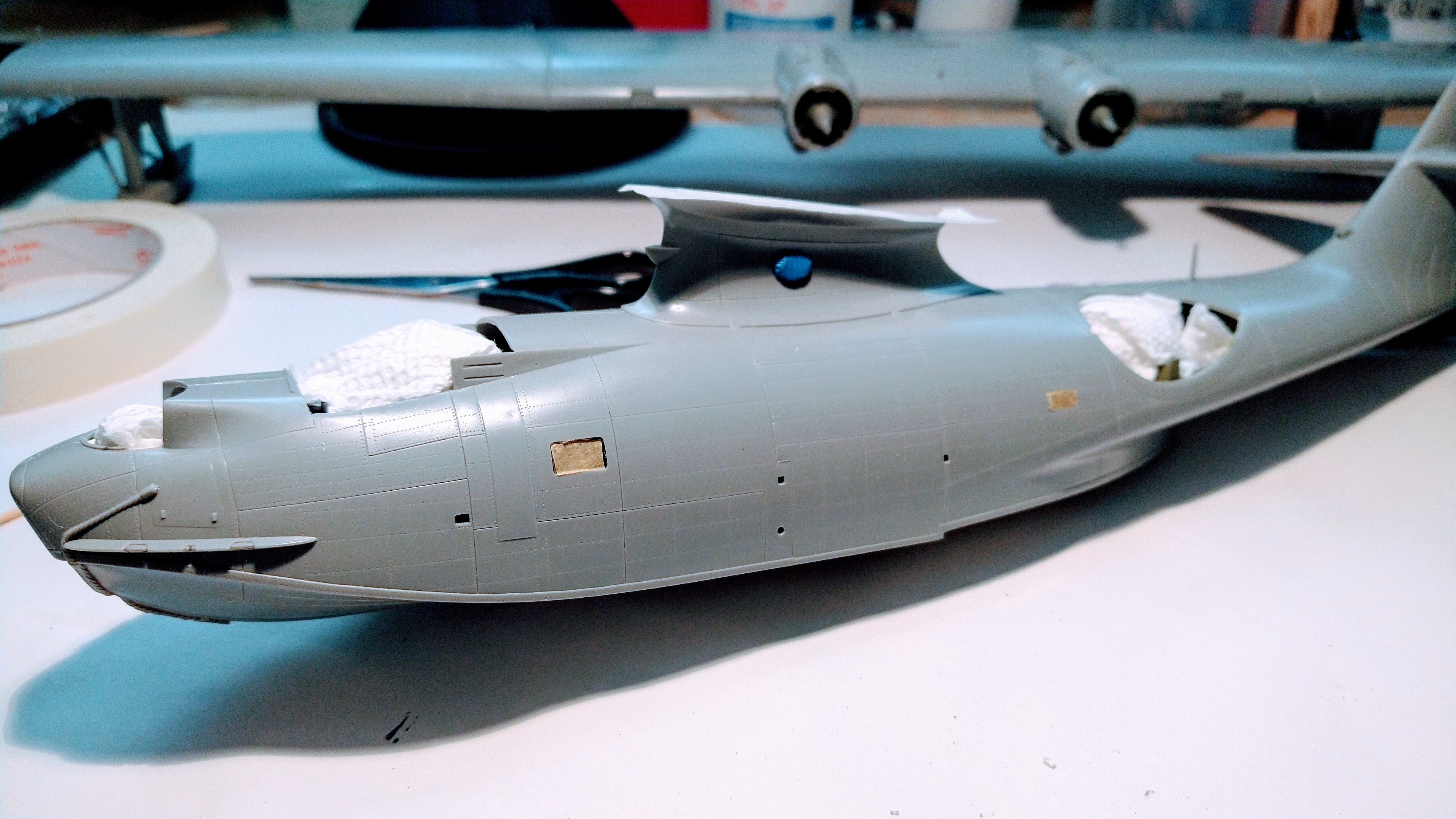
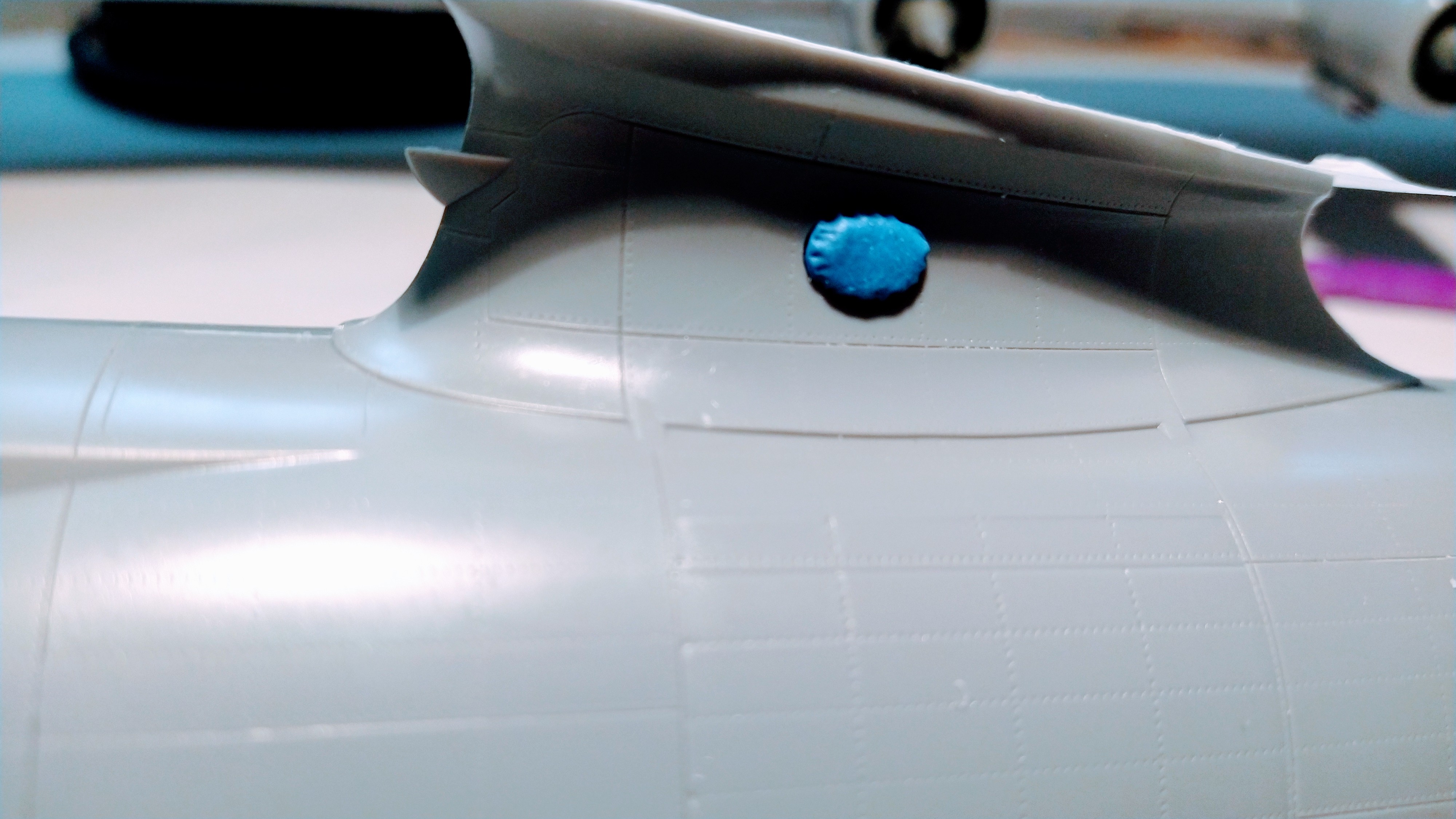
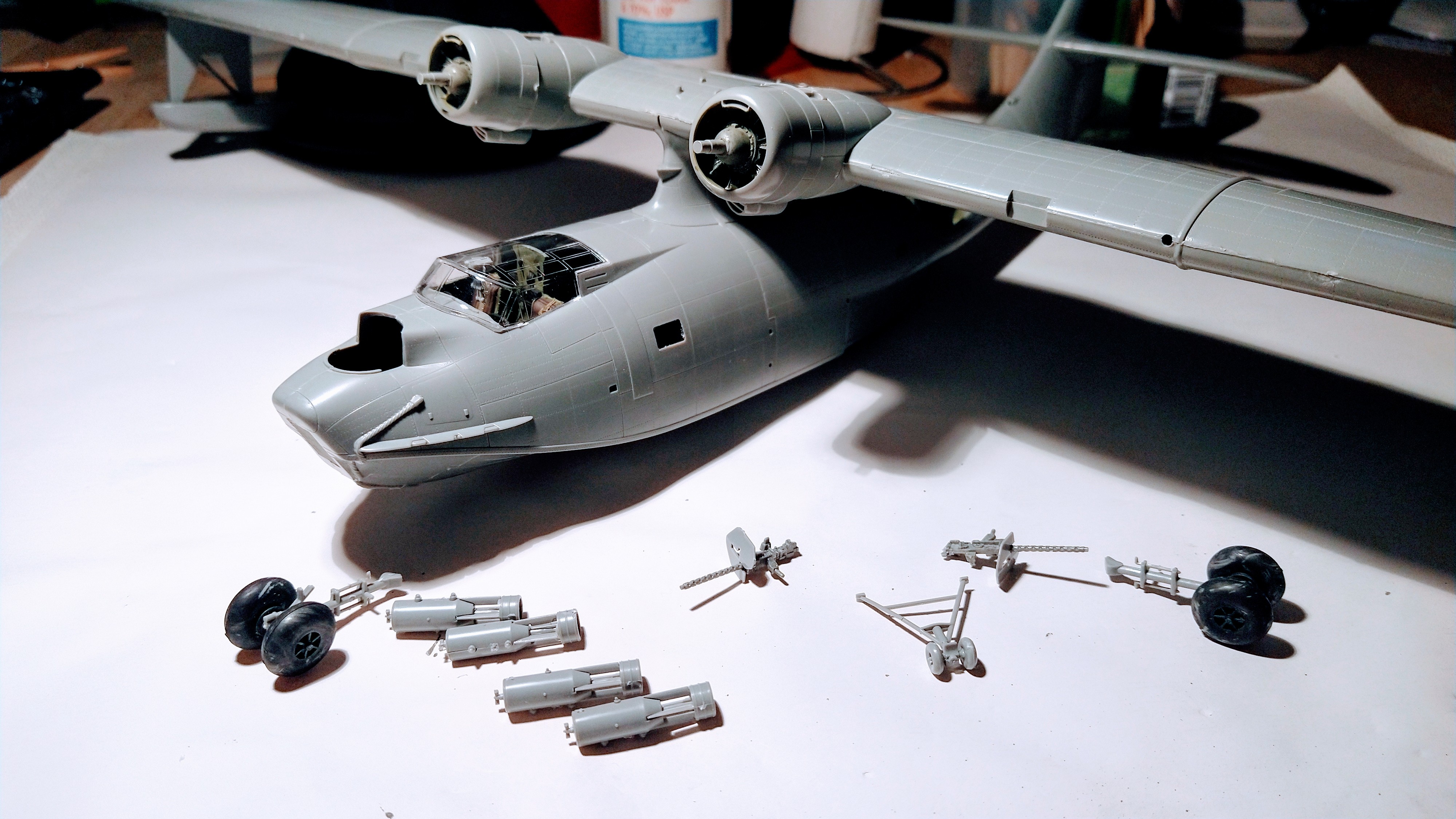
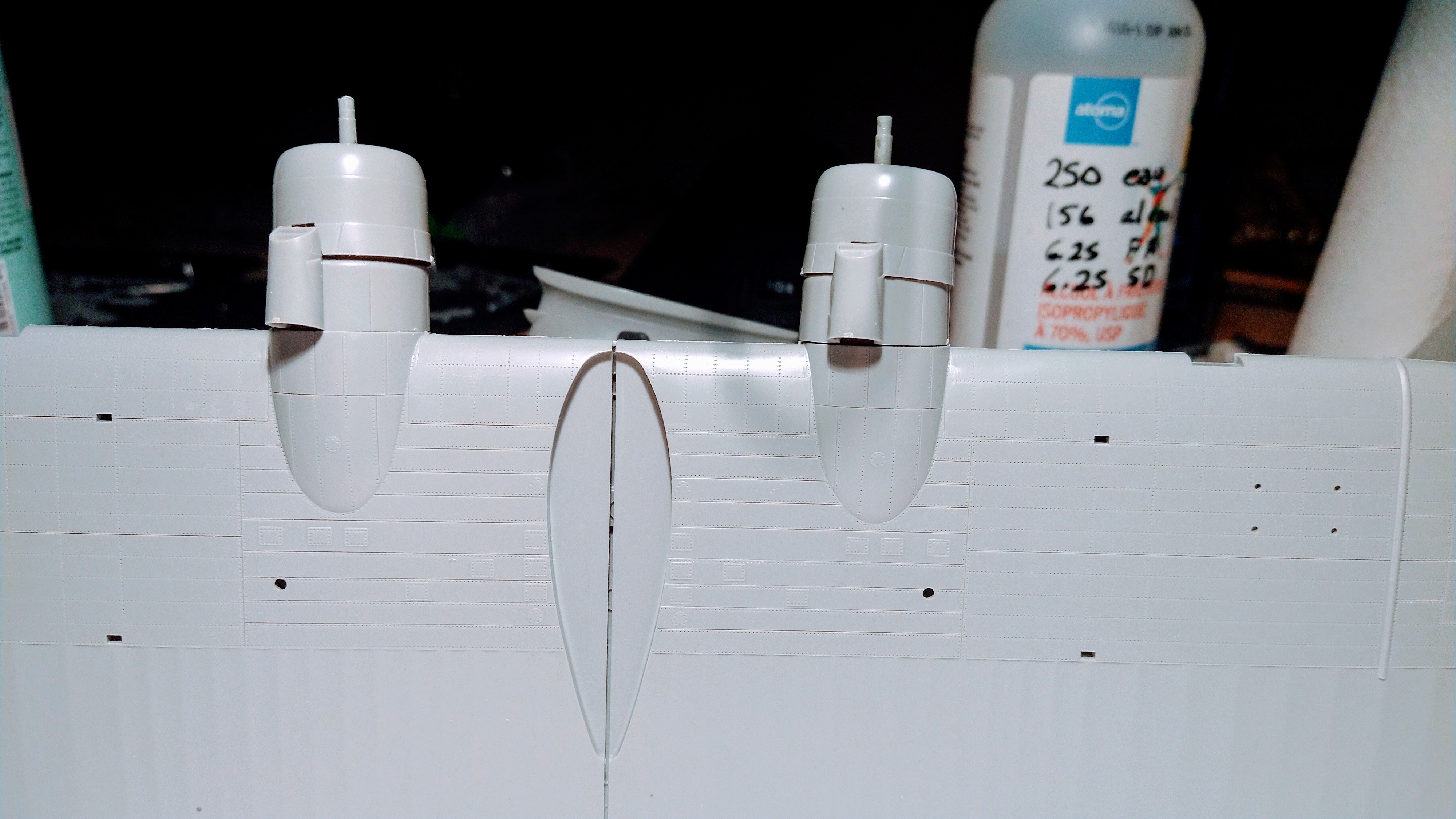
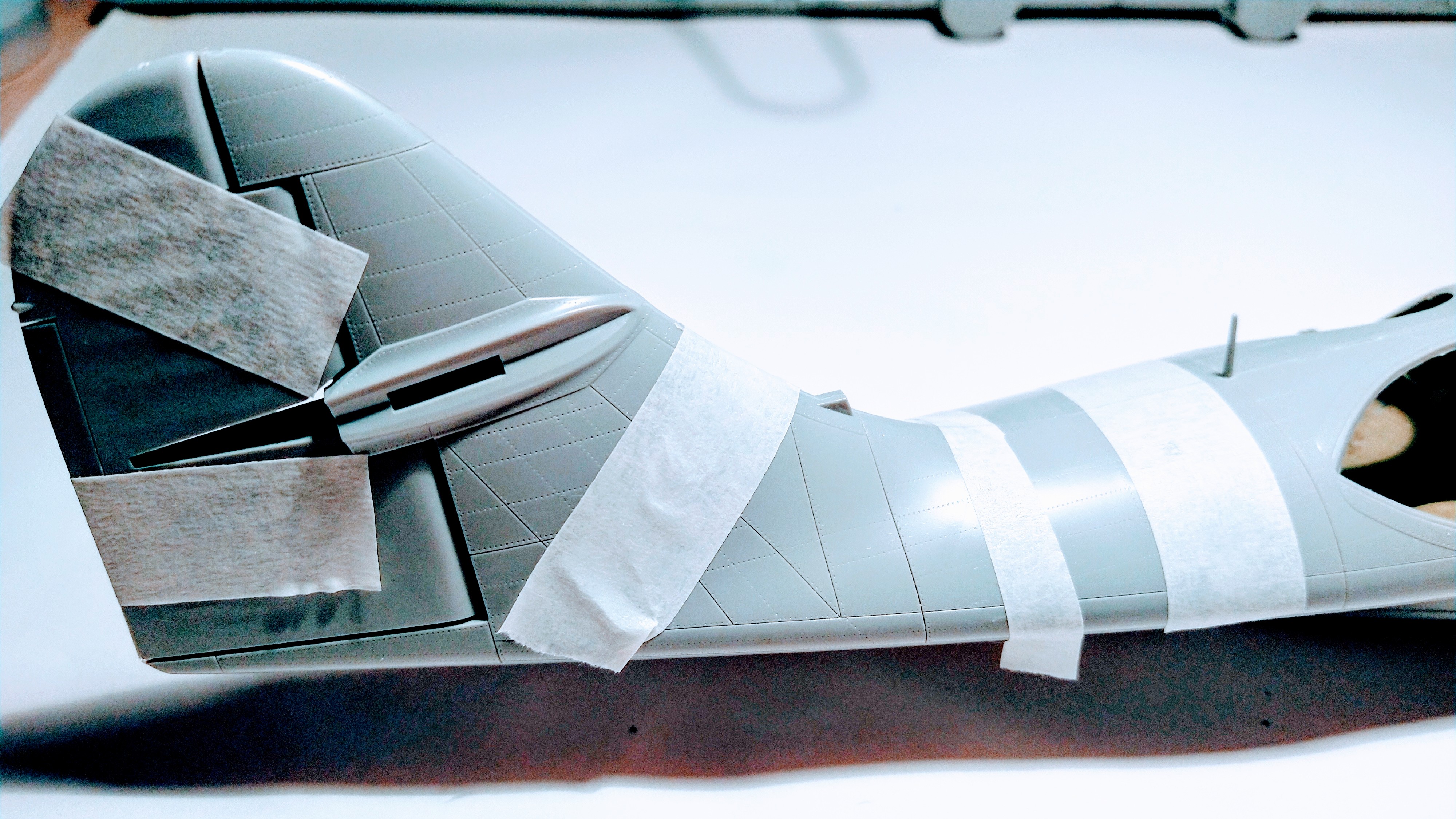
Moving along I have little to add to the PBY before starting painting this huge RCAF Catalina. The engine nacelles were installed and the props were used as props for this photo.
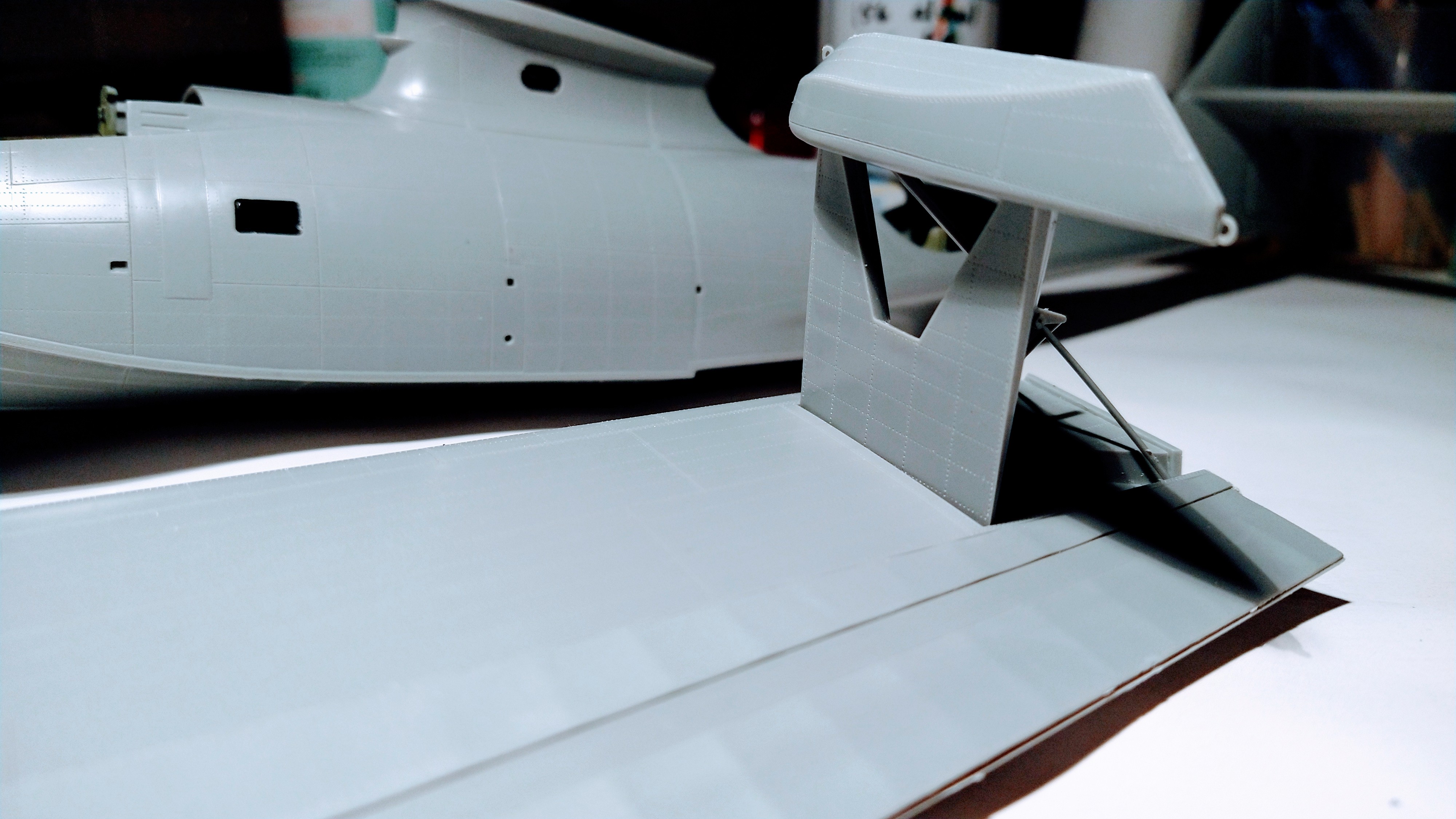
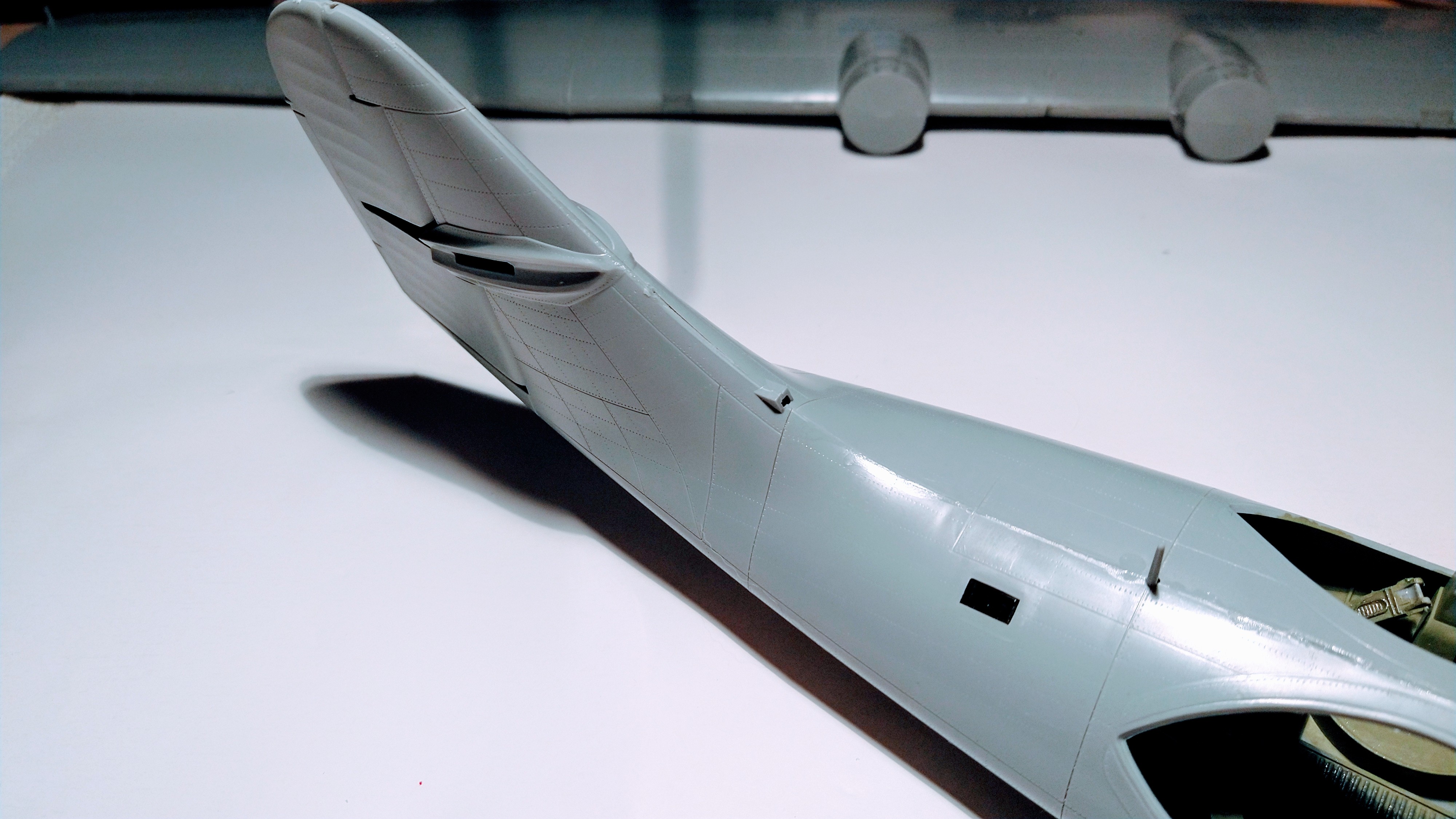
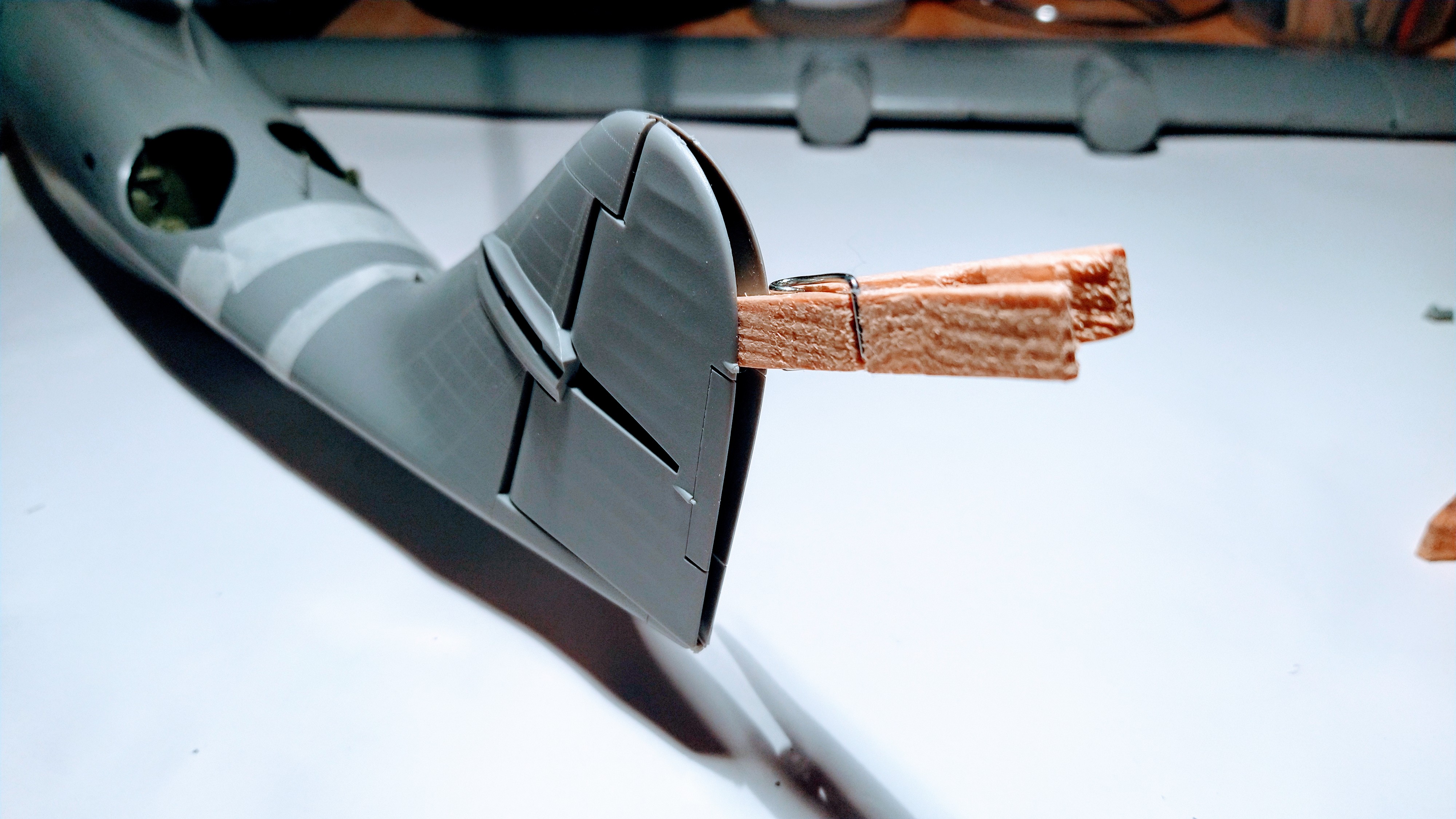
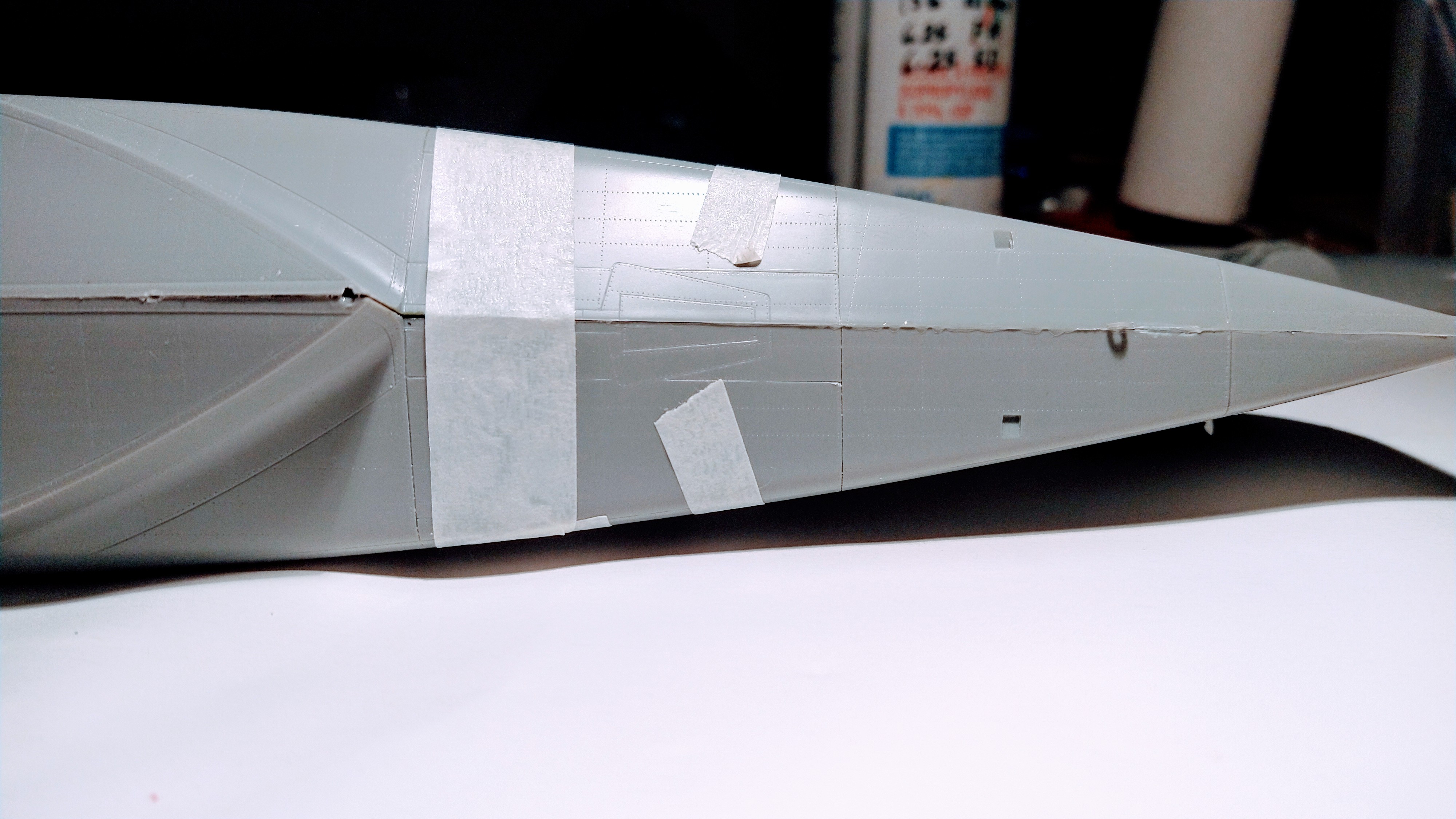
I am certainly not going to mate the wings right now with the fuselage. I have glued the stabilizers. and I will see if I can glue something more, like the pontoons may
I will see if I can glue something more, like the pontoons maybe?
Looking back at the engine nacelles I wanted to check them.
Lo and behold…
I hope no one will notice another case of a missed dry fitting.
I am certainly not rushing into this build because I know I won’t build another Monogram PBY. So let’s enjoy every other step.
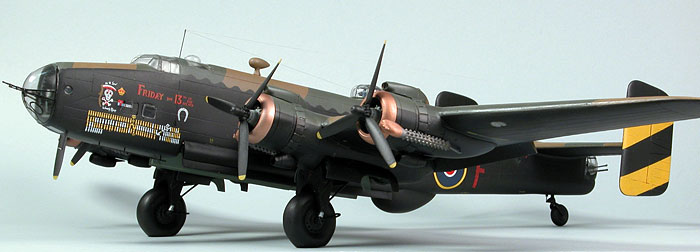
I won’t buy another model airplane kit. The only exception will be if some manufacturers will have the brilliant idea to stop making model kits of P-51s, Spitfires, et all… and to finally make a 1/48 scale Handley-Page Halifax Mk III.
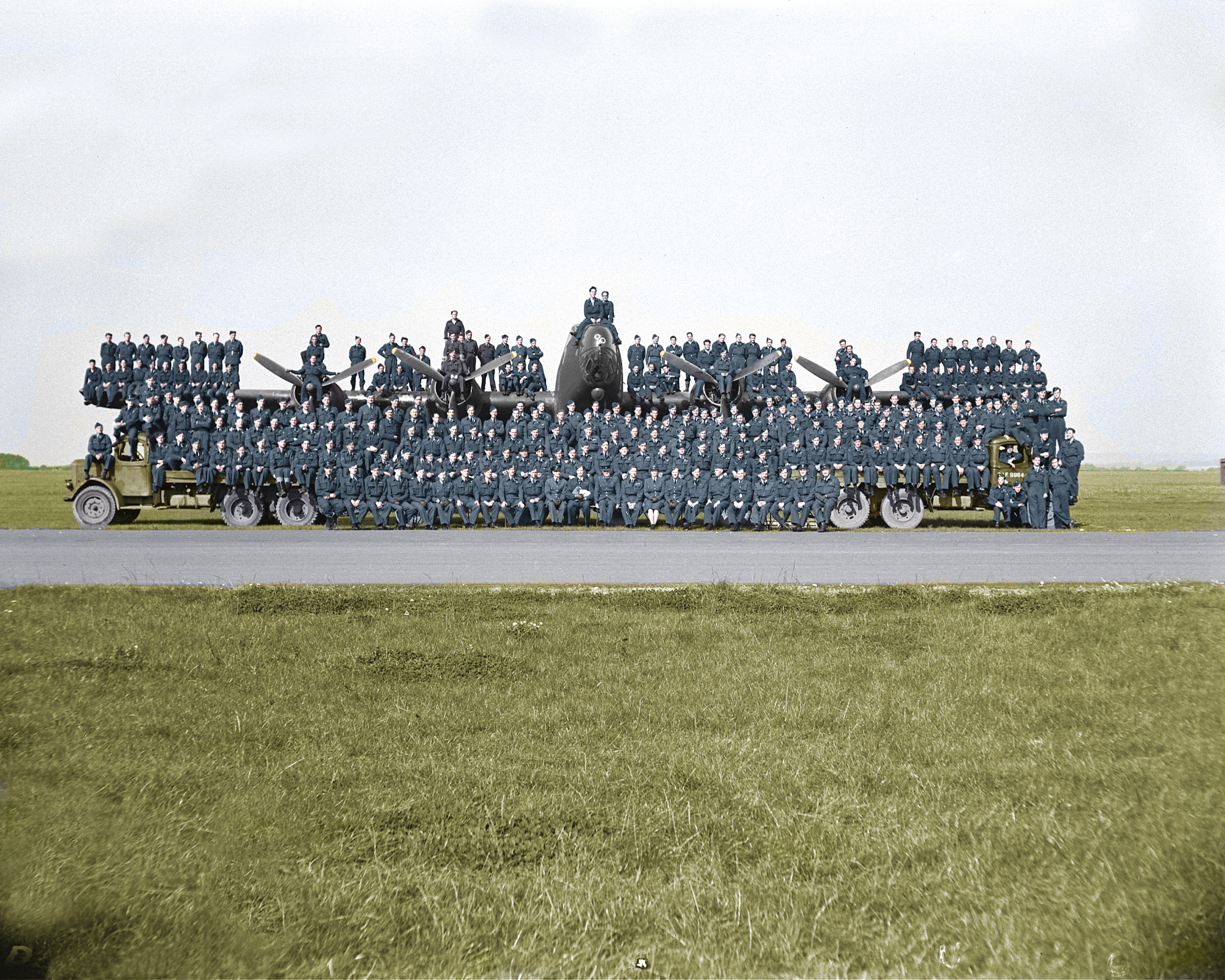
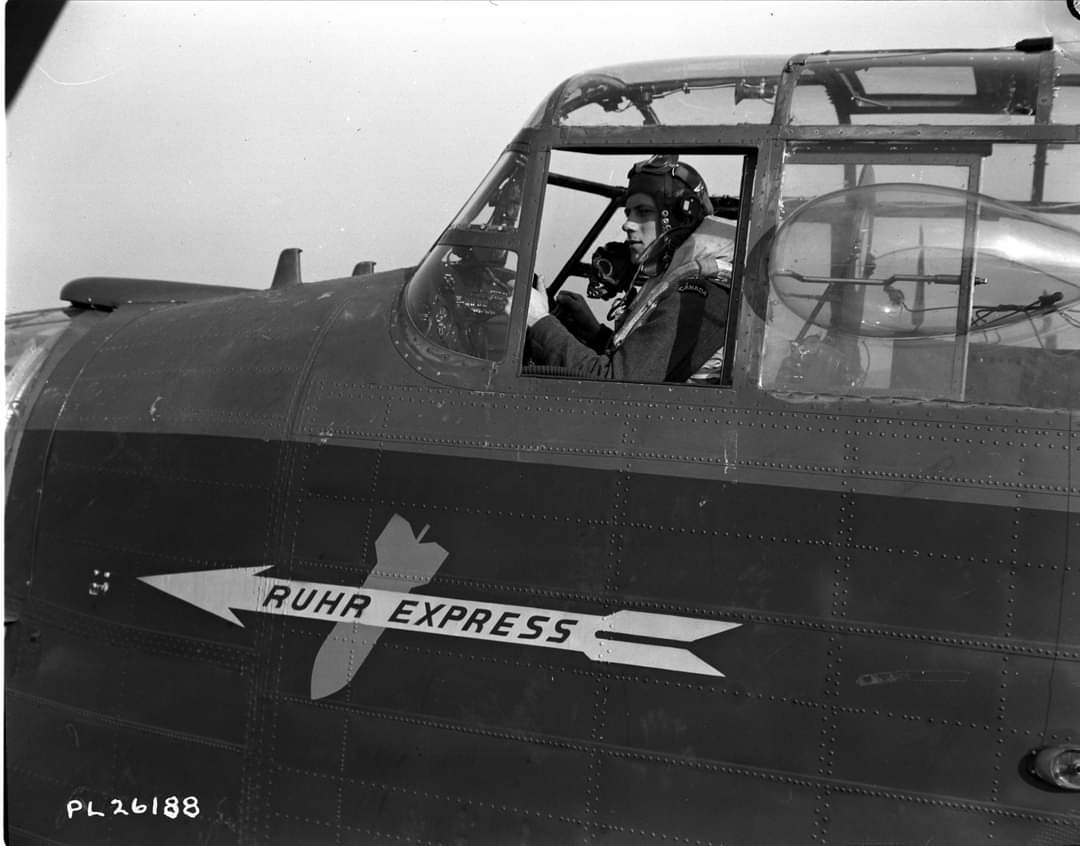
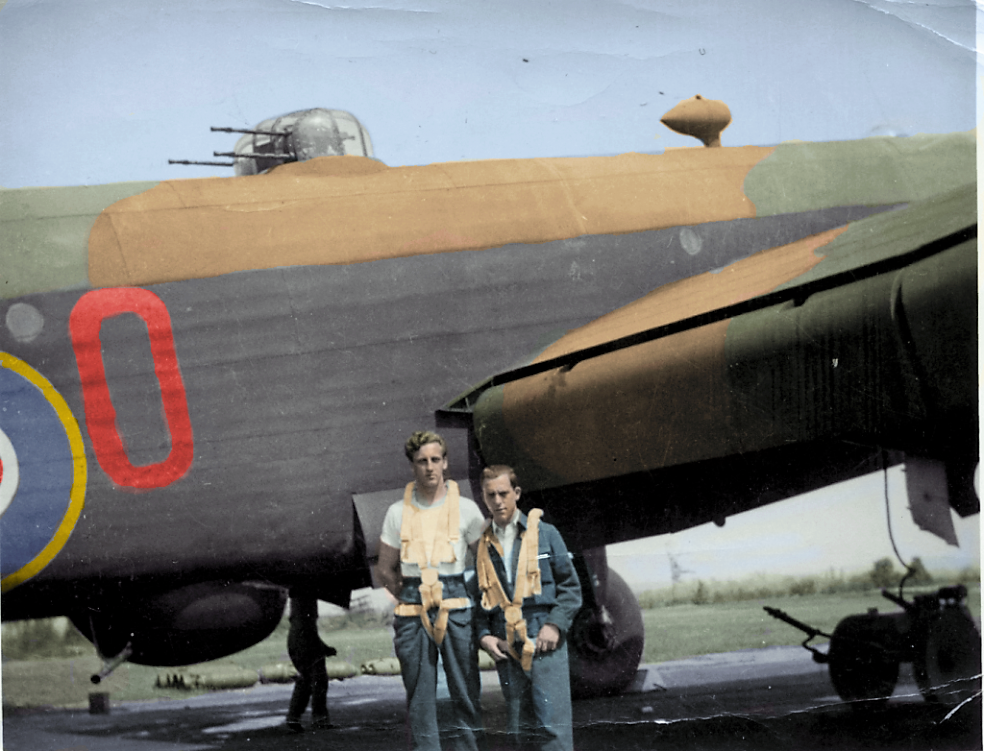
Don’t ask me why I will buy it because I would have to direct you to the three blogs I created since 2010 about 425 Alouette Squadron which flew that bomber.
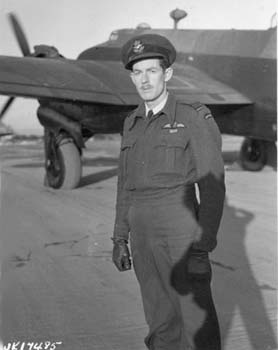
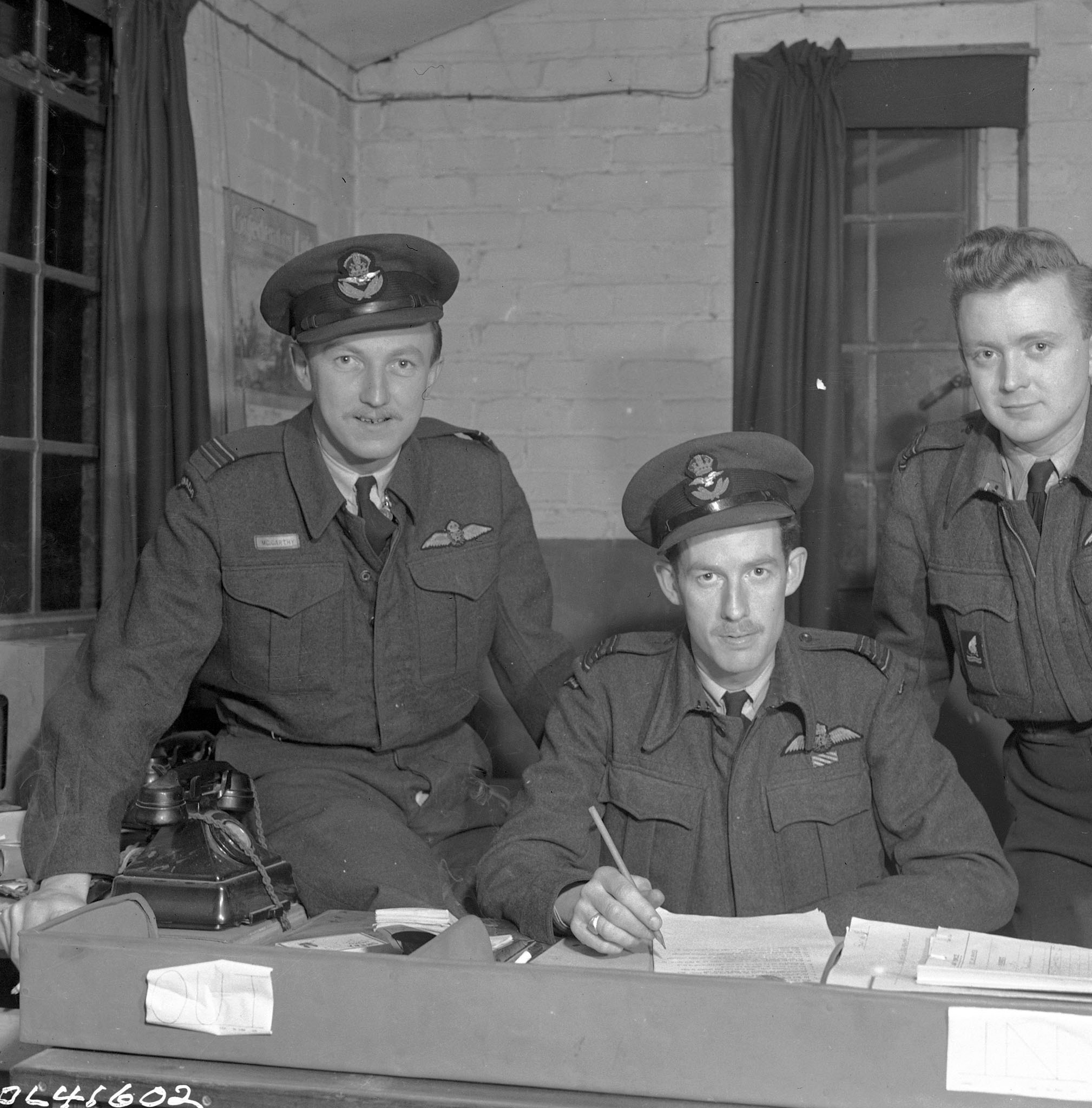
Shortly after Remembrance Day last year, I spent some time searching online for my grandfather William Gerald Phelan to see if any information was available about him. After sorting through various government sites I found Pierre’s blog about 420 Squadron, one of the two squadrons that he served with during his time with the RCAF. To my surprise and pleasure there were a few photos of him that I had never seen before. Over the next few days I spent hours going through the site reading about the history and missions, looking at photos and wondering about the people and the lives they lived.
My grandfather died in 1970 long before I was born, so we never got to meet. Most of what I know about him came from what my mom and other family members have told me. He studied philosophy in college, enjoyed singing in choir and playing the violin. He worked various sales-related jobs both before and after the war with cosmetics companies and at a car dealership. He liked playing sports like golf and hockey, and watching NHL games on television. Apart from facts and details like this, there isn’t much else I know. I get the impression the war took quite a toll on him, and his children only knew the person he was after returning from service.
It’s hard for me to imagine the sort of life he lived during this time period. Being stationed overseas with a wife and young child in Canada, not knowing if he would make it back, losing his younger brother Terence who didn’t return from a mission in February of 1945. Coming home and being expected to have a normal life, get a job, raise a family, all at a time when the diagnosis and treatment of war-related trauma was probably not very common. He never really talked about the war, but his experiences with the RCAF clearly stayed with him for many years after.
He had seven children, and just a few generations later his descendants number 61 and counting as great-grandchildren continue being born. Most of them live in Ontario where he spent most of his life, with others scattered coast to coast across Canada and elsewhere. It’s incredible to think that almost none of these people would exist had he not survived, if he had been sent on different missions on different nights. So many lives and family lines were cut short for those who were not so fortunate.
My family and I are incredibly grateful for the work Pierre has done with his blogs. They add a personal touch to the lives of people like my grandfather that does not exist in any government archives. These sites allow us to wonder about the human beings behind the names and dates, and what their experience during the war and life in general might have been like. I look forward to learning more about the details of my grandfather’s service as Pierre shares what he has been able to find out. Thanks to all the people who have shared the many fascinating and important photos, documents, and journals on these blogs. I hope they continue to serve as an important memorial and piece of history for interested readers, and descendants like myself who are lucky enough to find them.




















 My Forgotten Hobby III