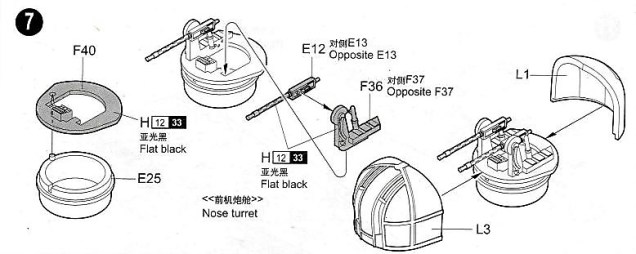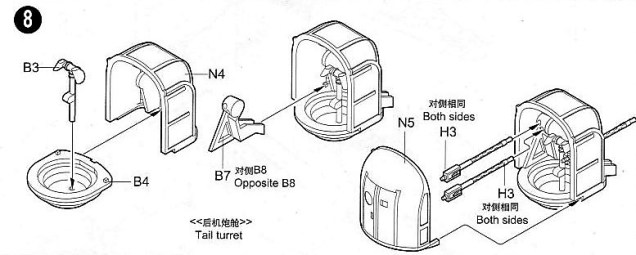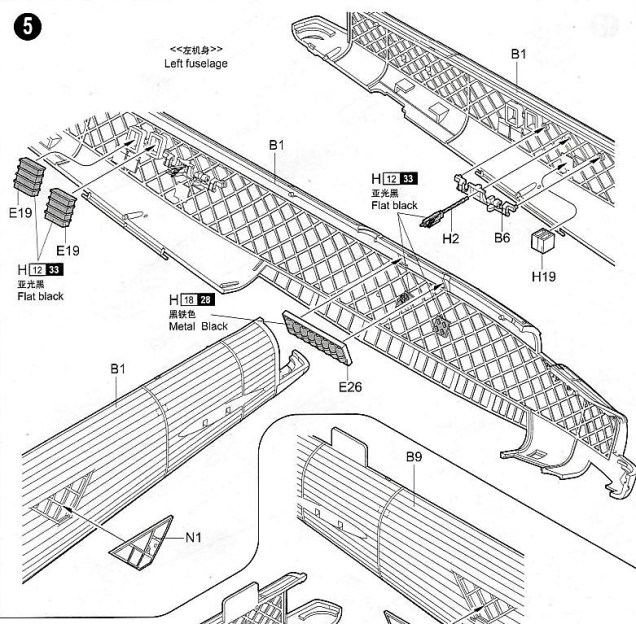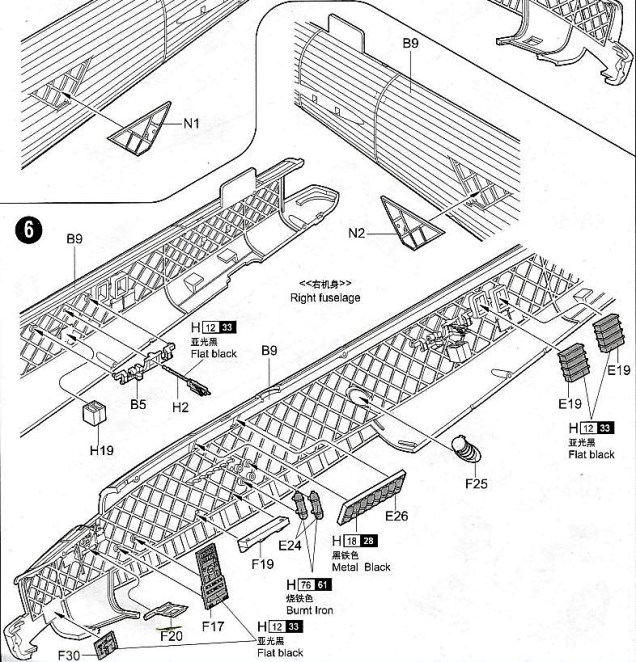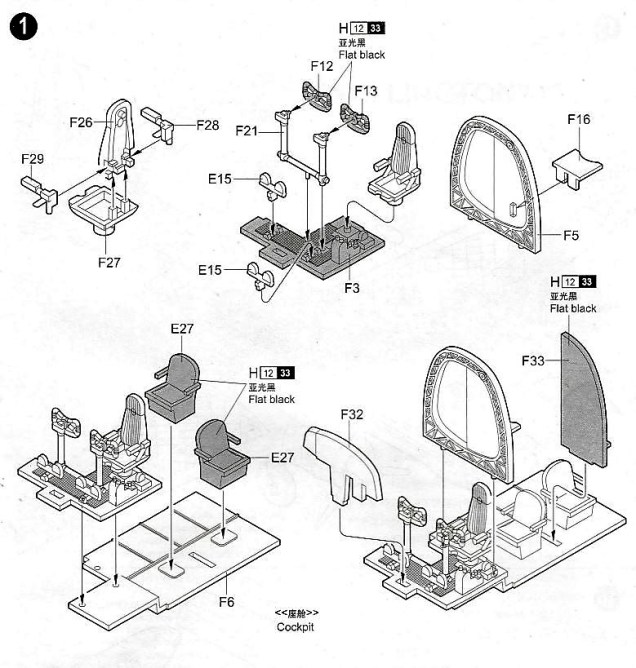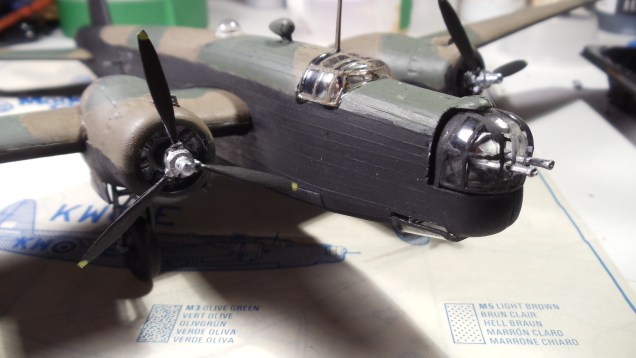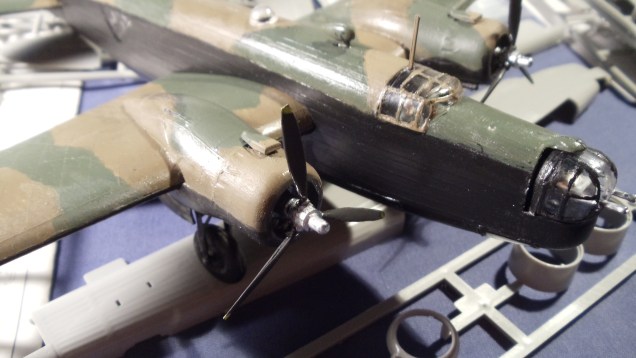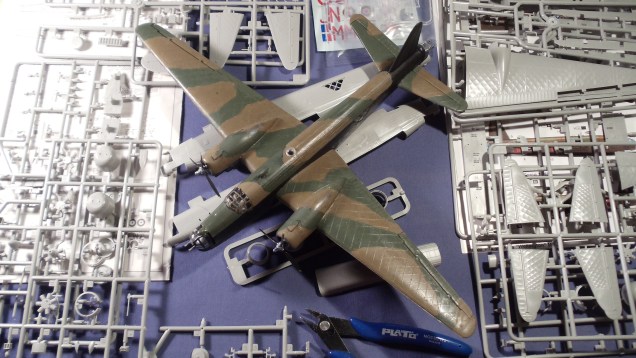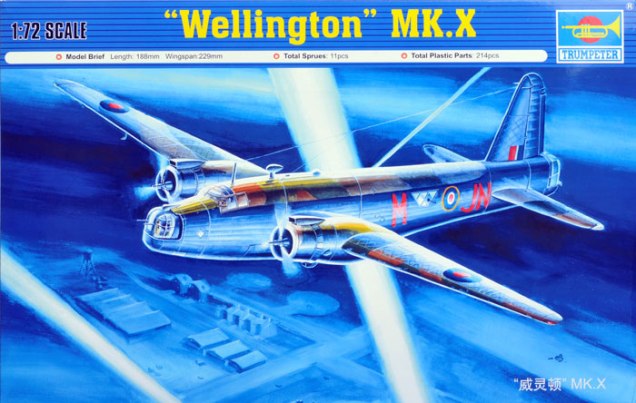
Trumpeter Vickers Wellington Mk X – Steps 7 and 8

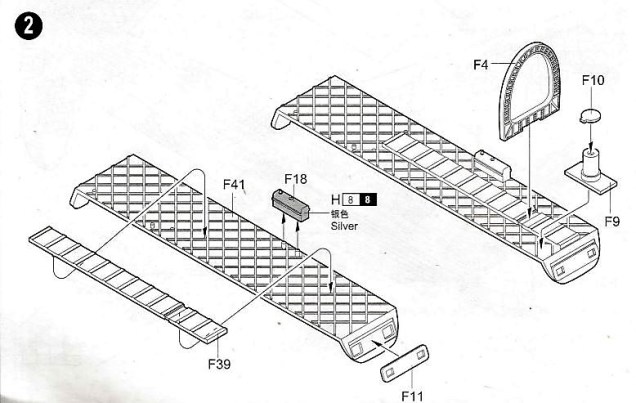
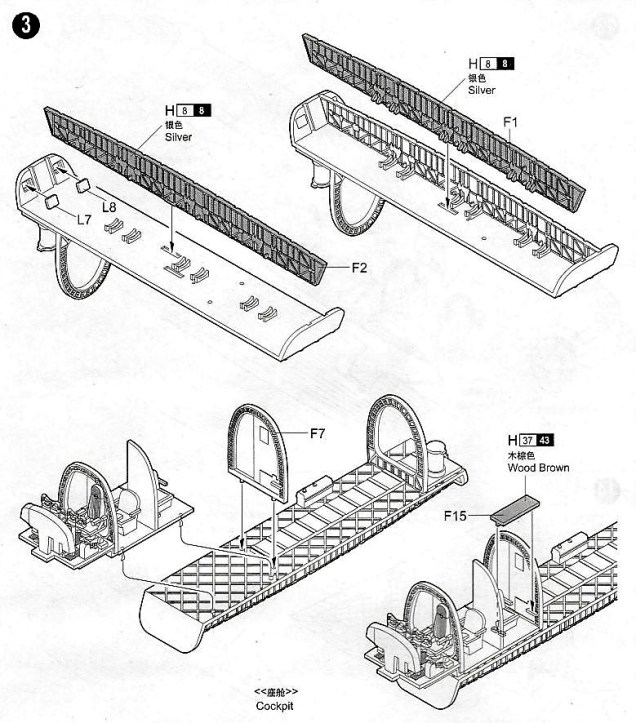
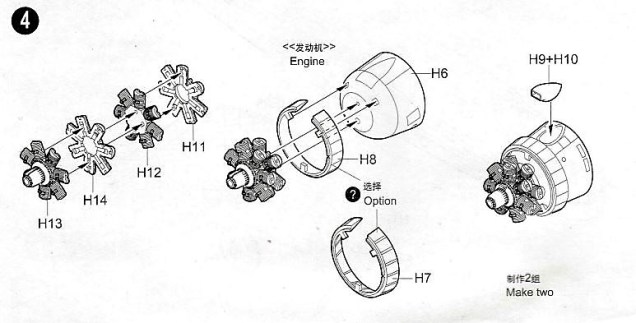
These steps are next in line.

Step 7

Step 8

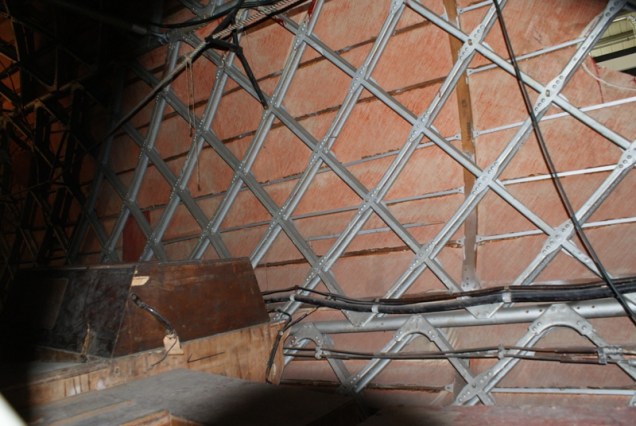
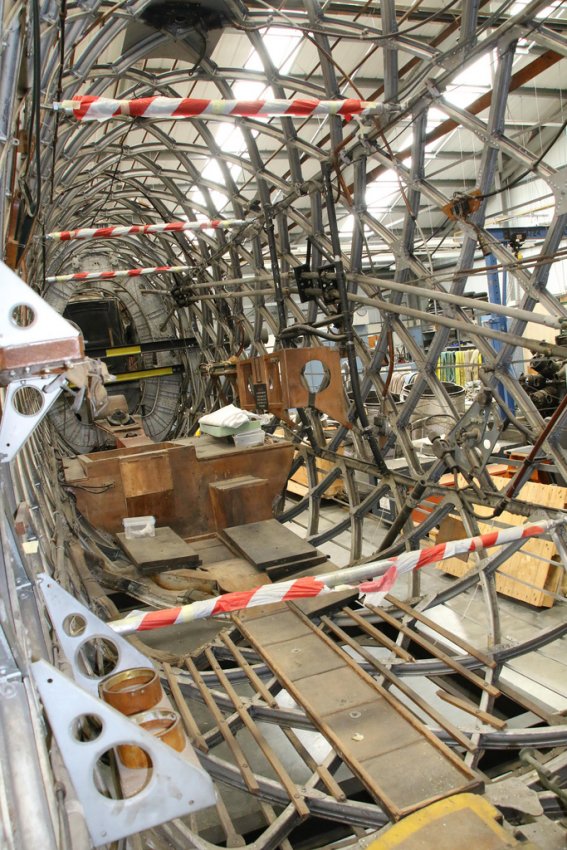
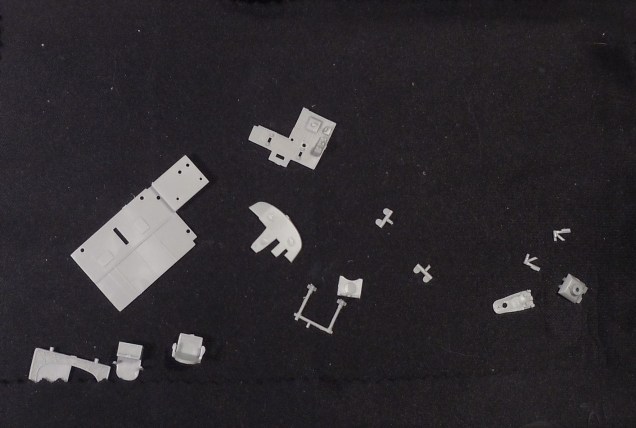
This photo should come handy.

imageproxy (42)

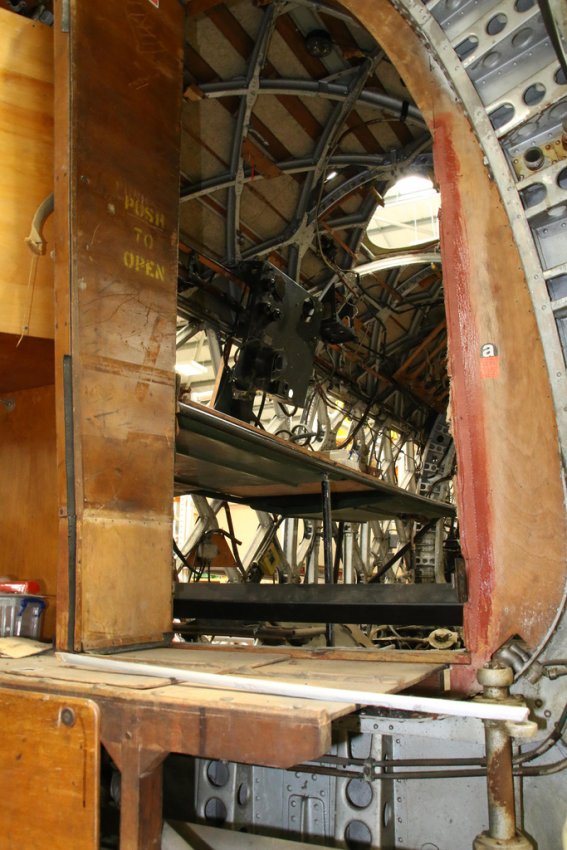
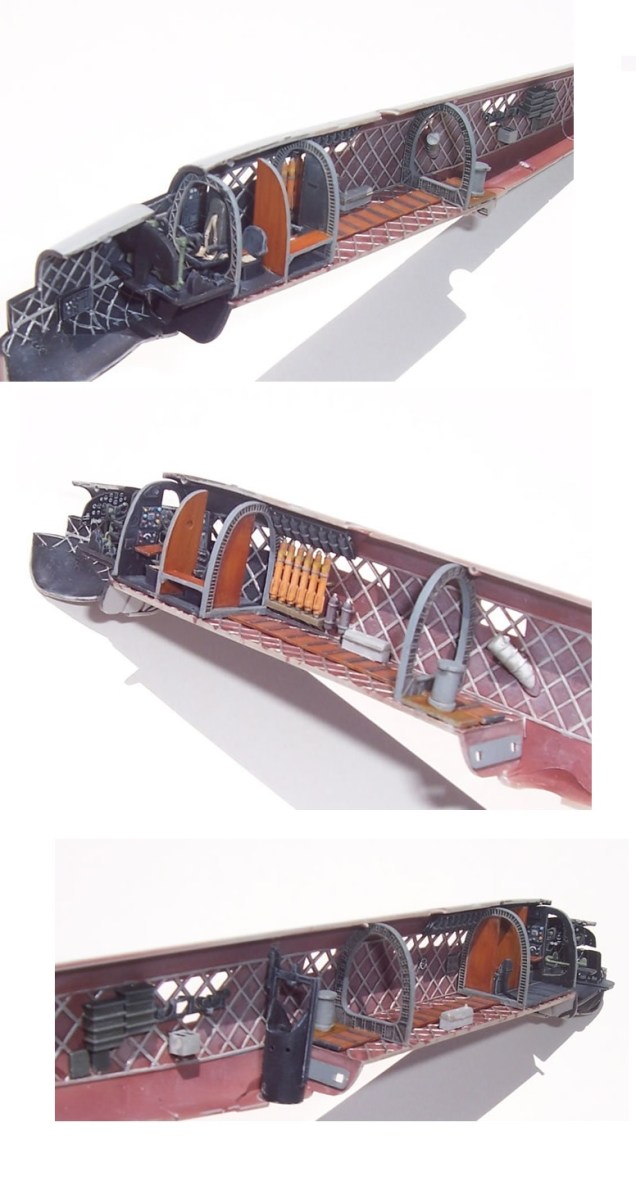
Having completed the first six steps I have added a base coat for the interior of the Wellington. Most of the details, if not all, won’t be seen when the fuselage parts are glued together. Painting instructions are minimal. Some parts of the interior could be reddish brown as seen on these photos.

imageproxy (4)

imageproxy (46)

These photos show other parts of the interior made of wood and aluminum.


imageproxy (44)

imageproxy (46)

imageproxy (38)

imageproxy (32)

imageproxy (8)

Many modelers have been searching for this information for a long time on the Internet, and the correct information has yet to be found anywhere. So I am left with this link as reference which seems the most logical way to paint the interior…

http://www.olddogsplanes.com/wellington.html


WW2 Aircraft Manuals – Downloadable — Stephen Taylor, WW2 Relic Hunter

I have uploaded all the WW2 aircraft manuals I have collected over the years, (over 150), and they are listed below grouped as US, UK and German, (plus one Russian…..love the IL2!). When I first start digging WW2 relics it was from old RAF and USAAF bases in the UK. My first love was always […]

via WW2 Aircraft Manuals – Downloadable — Stephen Taylor, WW2 Relic Hunter

Trumpeter Vickers Wellington Mk X – From Step 1 to Step 6

I have completed the first six steps. I can’t show you any photos for now because James wants to use them first in his documentary. I am taking different shots of all the steps and he validates which ones he will be using.

I am very surprised by the engineering and the fit of all the parts for now.

The bomb bay is nicely detailed but won’t show up because the bomb bay doors are molded in one long piece.

You have to read the instructions very carefully since there are parts for a Mk III also. This can be confusing sometimes.

Assembling the engines was a little tricky even if there were locating pins to help alignment.

Most of the details if not all won’t be seen when the fuselage parts are glued. Painting instructions are minimal.

The interior should be sort of a reddish brown as seen on some photos.

Some parts like the machine guns are quite fragile and I will have to glue them before glueing the fuselage. Extra care will be needed when I will be handling the model kit for painting the interior which will be next.

I will use this as reference…

http://www.hyperscale.com/2010/features/wellingtongrxiv72md_1.htm

painting

More painting ideas here…

http://www.olddogsplanes.com/wellington.html

On YouTube…


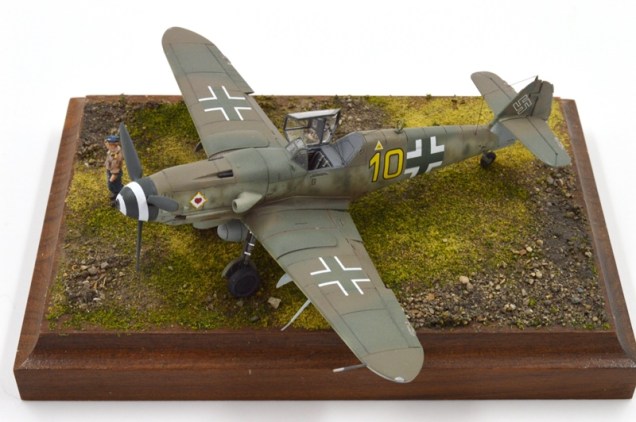
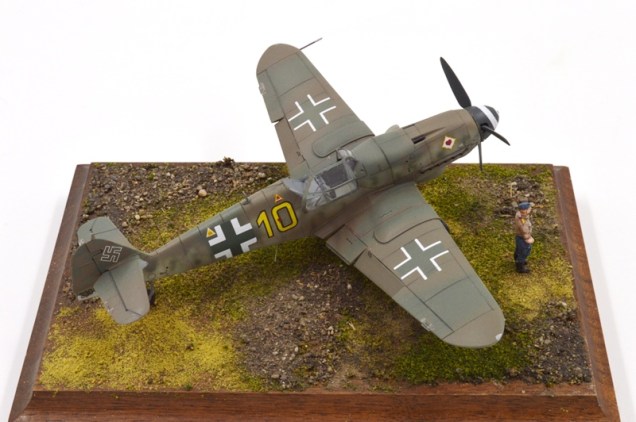
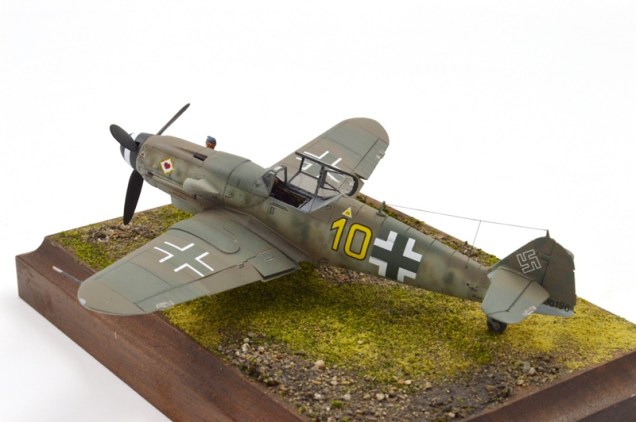
Fine Molds Bf 109 K-4 of Heinrich Hackler in 1/72 Scale

Jeff Groves's avatarInch High Guy

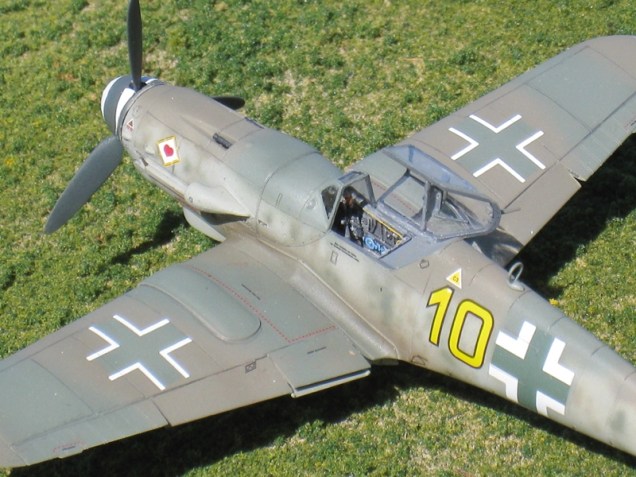
Bf 109 K-4 of 11. / JG 77, Neuruppin Germany, November 1944, pilot Heinrich Hackler, Fine Molds kit.

Leutnant Heinrich Hackler was one of the stalwarts of JG 77 and had fought with the unit from the beginning of the Russian campaign.  While he never enjoyed a spectacular series of victories, he was a steady scorer and had amassed a total of 56 victories (some sources say 67) by the end of 1944.  He was killed on 01JAN45 during Operation Baddenplatte, the Luftwaffe’s New Years Day strike against Allied airfields, shot down by ground fire.

Hackler_02

Hackler_03

Hackler_04

Hackler_01

DSC_5118

DSC_5119

DSC_5120

DSC_5121

View original post

Trumpeter Vickers Wellington Mk X – Step 1 – Tiny pieces

Step 1

Very tiny pieces indeed.

DSC07654 (2)

I have cut them from the sprues very carefully. I am adding some photos of the cockpit area I found on the Internet. The photos are from Rich Ellis at The RAF Museum Cosford. This is the link.

https://www.britmodeller.com/forums/index.php?/topic/72653-vickers-wellington-mkx/


I will start assembling the parts next Monday with step 1 and step 2, and step 3 if everything goes well.

Lockheed P-38G Lightning

I had missed Dave’s posts so much since 2019. I was not getting any more notifications.

atcDave's avatarPlane Dave

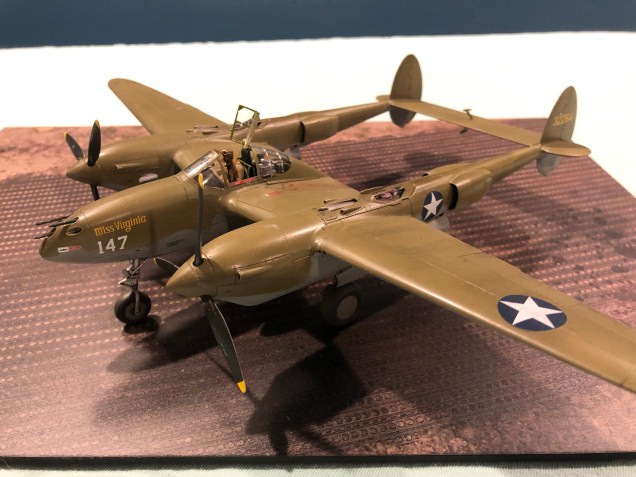
The P-38 Lightning would become a major part of the American war effort against the Japanese.  It was flown by more aces than any other Army Air Force type in the Pacific.  But it is perhaps best known for one mission that pushed the limits of what anyone had considered before.

img_0252

Let’s take a look at an ambush that made history.

View original post 954 more words

Trumpeter Vickers Wellington Mk X – Step 1

wp-1581120085826.jpg

Now that James Girling has written the introduction for my next build, I see no other reasons to procrastinate.

Step 1

However I won’t be posting photos on the progress report because James wants to add my photos to his documentary he will be releasing later. Maybe he will decide on a trailer later. We’ll see what happens.

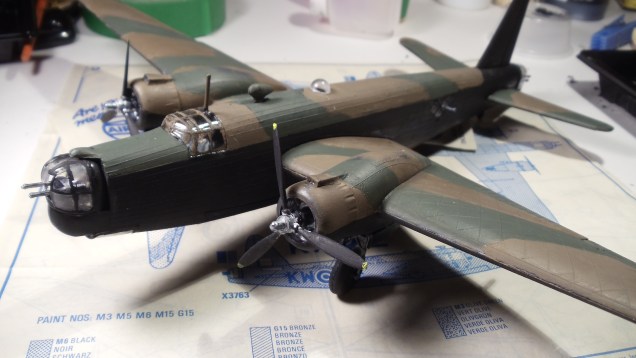
It’s no use comparing a 2006 model kit with a late 1950s model kit of the Wellington. One thing though Airfix box art in the 70s was striking.

I had high expectations with Airfix’s rendition of the Wellington when I had opened the box.

However the more I was building it the more my expectation level was sagging lower and lower. I became fond of the late 50s model kit though and I soldiered on.

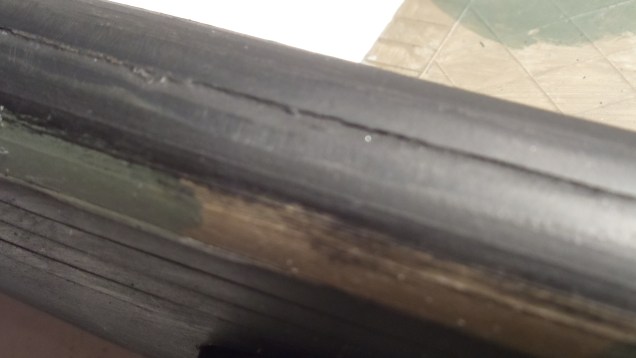
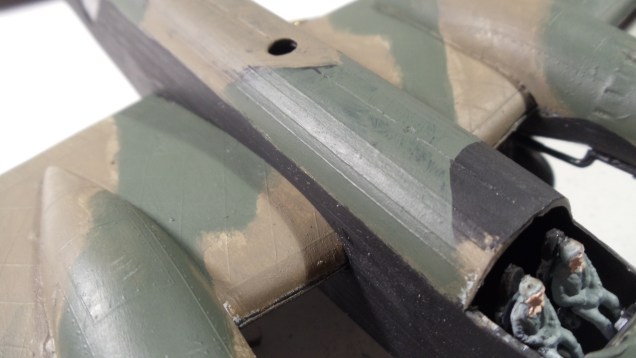
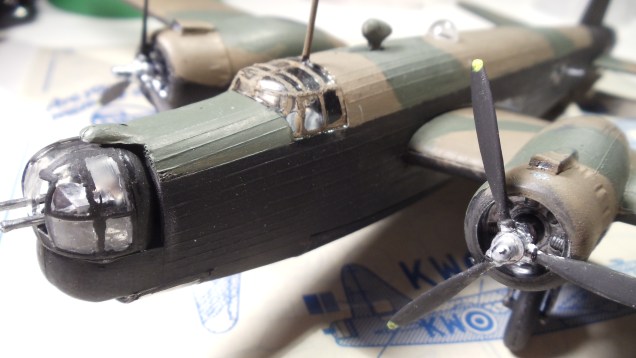
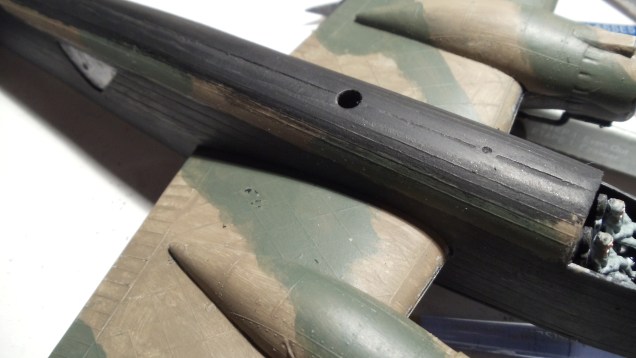
There was this ugly seam.


The more I looked at it the uglier it got…

I then decided after some filing to let it go.


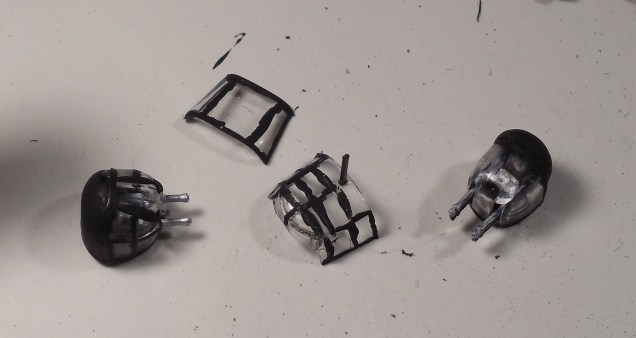
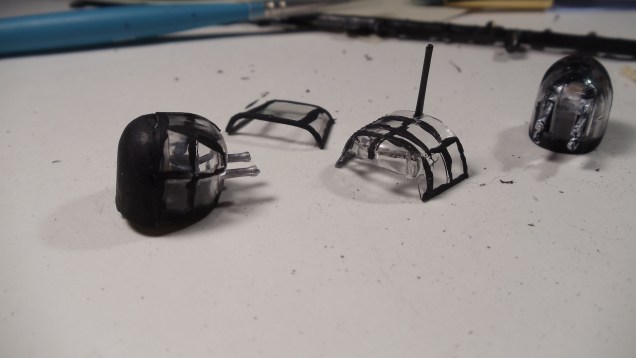
Then came the painting of the clear parts where some of the frames were hardly noticeable. I used the cocktail toothpick method to scrape away excess paint…


The clear parts were glued meticulously…


With just a little more scraping needed.


But then something looked wrong…


I was easily fixed.

DSC07623


DSC07622


DSC07624

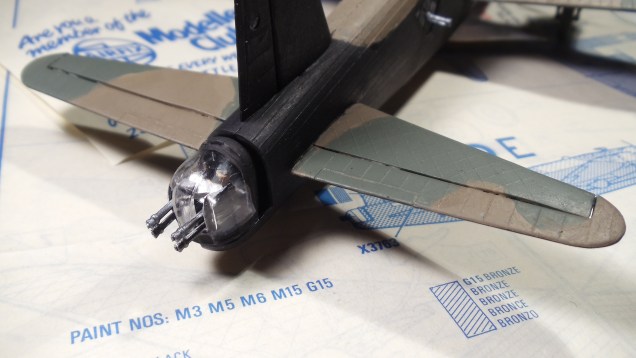
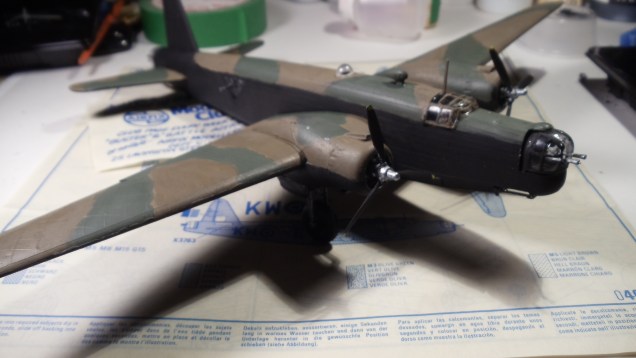
This is where I am right now. 

DSC07625


DSC07621


DSC07620

Decals will come later when we hit warmer temperatures here in Quebec.

DSC07619


The story behind Trumpeter Vickers Wellington Mk X by James Girling

Updated 8 September 2023

You might recall that I previously wrote to you about KW-E, specifically the X3763 version, I’ve done some digging and found out that X3763 had the KW-E code back in the summer of 1942, and so my apologies for raising a red flag on that.

Gary Brooks


When I first had the great good fortune to meet Pierre Lagacé, I was starting to film a feature length documentary entitled “Fledglings” on 425 (Alouette) Squadron, Canada’s only French-Canadian bomber squadron during the Second World War. Pierre was an invaluable resource to me in tracking down former members of the Squadron for the purpose of interviewing them to record their personal experiences all the way from enlisting, training, going on operations and, for those who had the misfortune to be shot down over enemy territory, being captured by the Germans and imprisoned.

It was only as I got to know Pierre better, I came to realise that, in addition to his skills as an historical researcher, he was also a gifted model-builder. And so it was that I asked him to use his modelling expertise to bring to life two significant WWII Wellington bombers from the history of the Squadron.

At the beginning of the R.C.A.F.’s part in Bomber Command, the Wellington “medium” bombers were the initial mainstay of most Canadian squadrons for both training and operational purposes. Wellingtons were the “entry level” bombers from the date of the formation of 425 Squadron through its mining and bombing operations during the years 1942 and 1943 before the Squadron converted to the Halifax “heavy” bomber. Although the Wellington had a reputation of taking a lot of punishment and still being able to fly because of its unusual geodetic airframe, it had neither the range, altitude, speed, armament or bomb-load of the heavier bombers.

Alouette Squadron’s unique identifying code “KW” was painted on each of its aircraft, followed by a single letter specific to it. Should an aircraft need to be replaced, whether by virtue of loss, damage or upgrading, the replacement bomber would often inherit that letter. Such was the case with the Wellington B-III bomber designated KW-E, the first aircraft to carry that designation being production number BJ 652, operating out of Dishforth, the Squadron’s original base, in January of 1942.
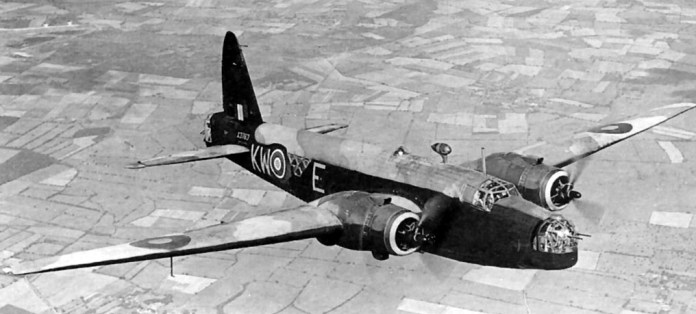
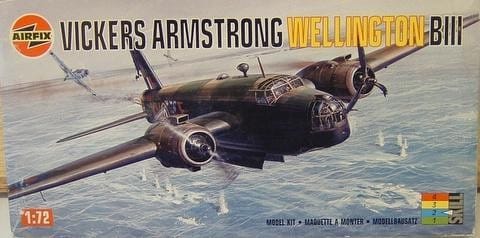
The Airfix model which Pierre built celebrated the KW-E Wellington X3763, the number also being painted on the fuselage.
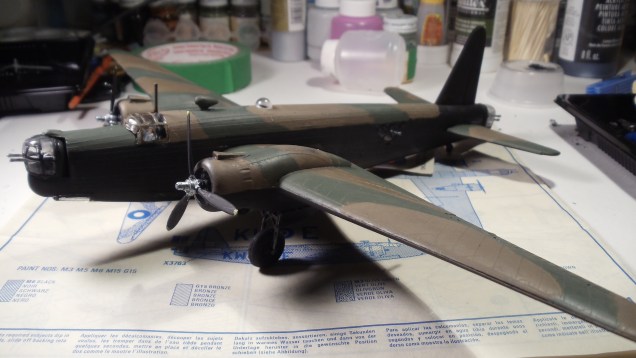
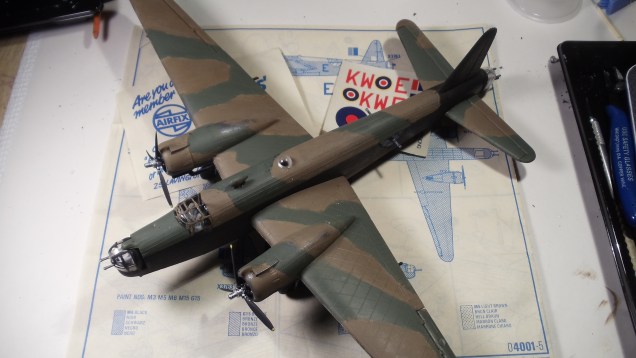
What makes this particular aircraft special is that it has one of the largest number of official war-time photos taken of one of the Squadron’s Wellingtons in flight, giving us a very clear picture of the detail of this design as operated by the Alouettes. These photos are our only point of reference for model-building given that there are no surviving examples of the Wellington B-III in existence.
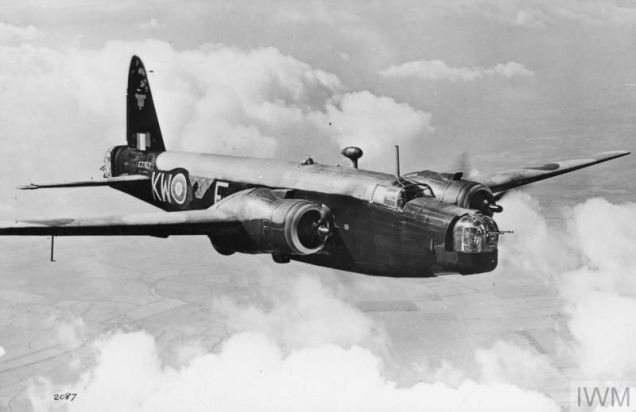
Wellington X3763 met its end on a bombing operation to Stuttgart on April 14/15,1943, crashing in France and killing all 6 on board. In due course, the next aircraft to be marked KW-E was airframe HF529, part of the Squadron’s conversion to the Wellington X in anticipation of the Squadron’s little known transfer to North Africa as part of Operation Husky, the invasion of Sicily and mainland Italy.

I have asked Pierre to build a Trumpeter model of the Wellington X, tropicalized for desert operations, and to mark it as KW-K, airframe HE268, to commemorate the only Alouette Squadron aircraft to be lost on its way to Africa in June of 1943.

Although the main body of the Squadron, mostly ground crew and administration, had already left their Yorkshire base and made their way by sea to Algeria in May, the aircraft were to be flown via Gibraltar and Morocco to their new base of operations in Tunisia. The aircraft started their journey from R.A.F. station Portreath in southwest England in order to cross the Bay of Biscay as far as possible from German airfields in France. In further anticipation of enemy fighter activity, the air crew were supplemented by 2 ground crew members summarily trained to man waist machine guns mounted on either side of the Wellington Xs for the purpose of protecting the vulnerable beam sectors that the nose and rear turrets could not reach.
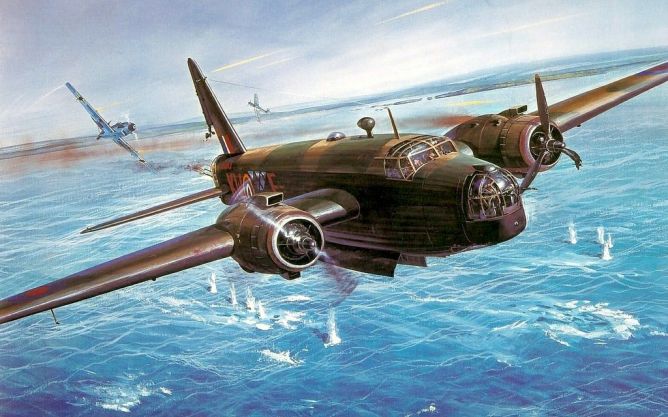
Unfortunately, these precautions were insufficient to prevent an attack by a Junkers 88, with KW-K suffering such significant damage including wounds to two crew members that it was unable to continue and was abandoned over Portugal. Fortunately, the crew parachuted safely and were interned in Portugal before being repatriated to the U.K. over the summer of that year.
James Girling