Step 13

Not quite since I had to paint the frames on the gun turrets and was in need of some inspiration…
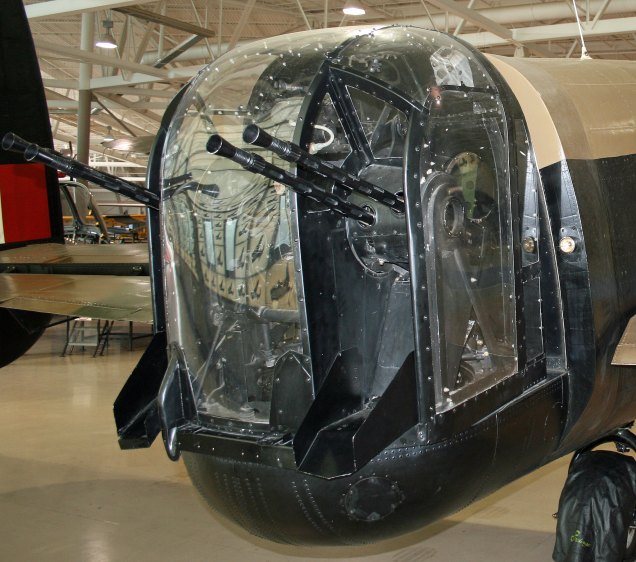
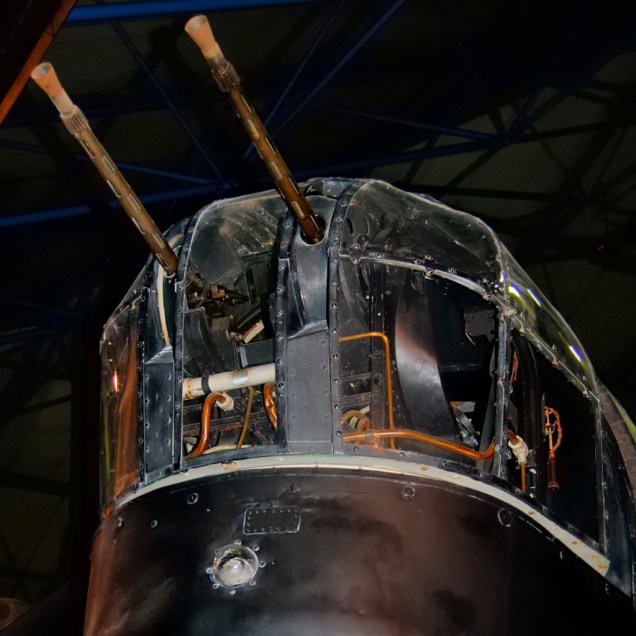
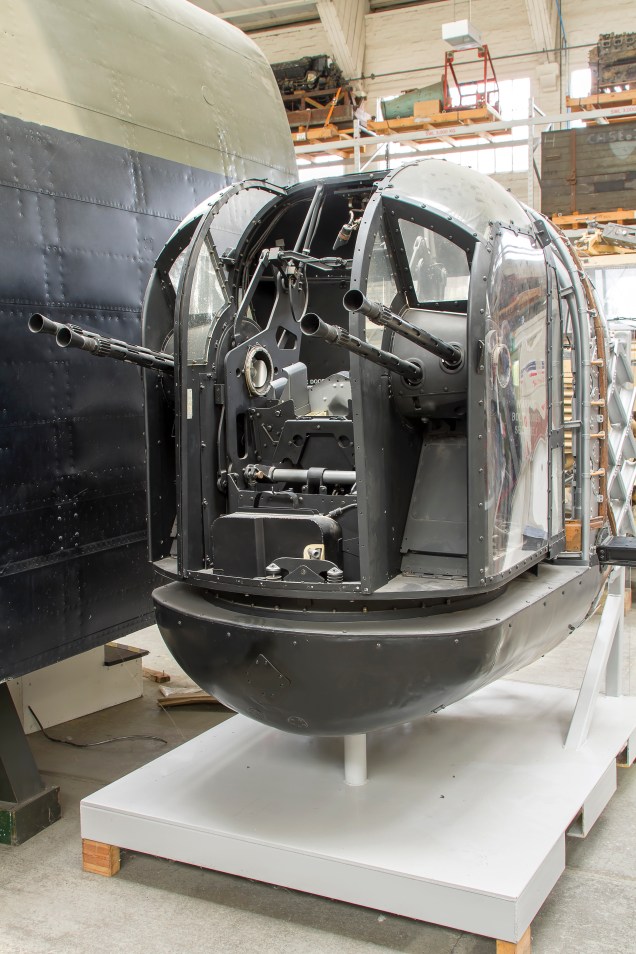
I then proceeded using the paint and scape with a cocktail toothpick later


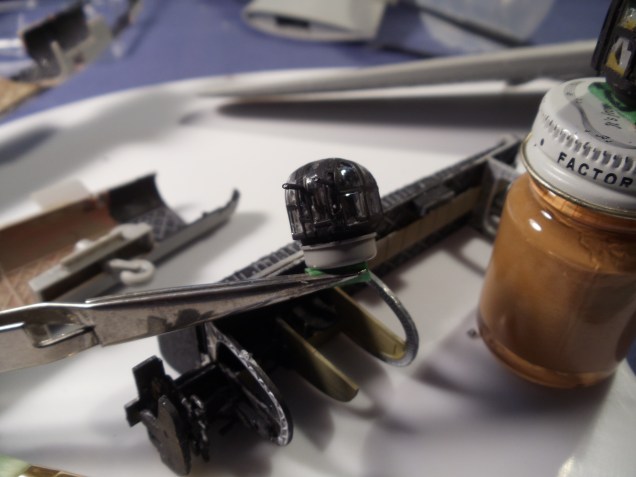
Not quite since I had to paint the frames on the gun turrets and was in need of some inspiration…
I then proceeded using the paint and scape with a cocktail toothpick later
Déjà vu…


a
Nothing major to report except part K4 was broken and I had to find the broken piece.
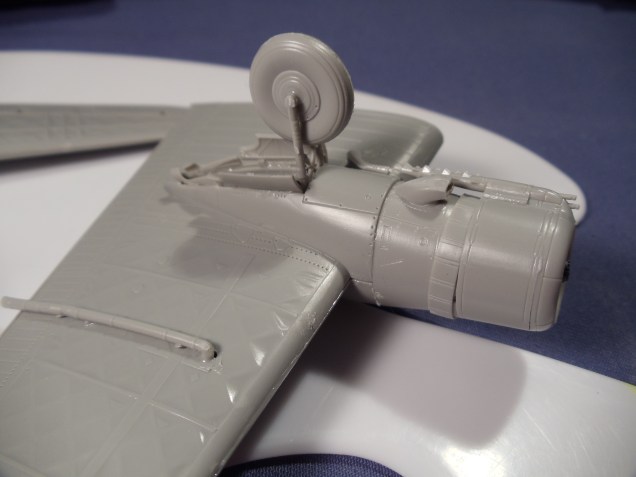
The two wings have now been completed.
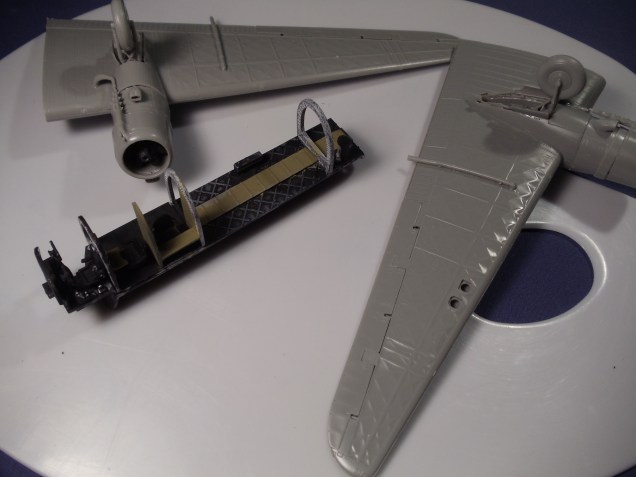
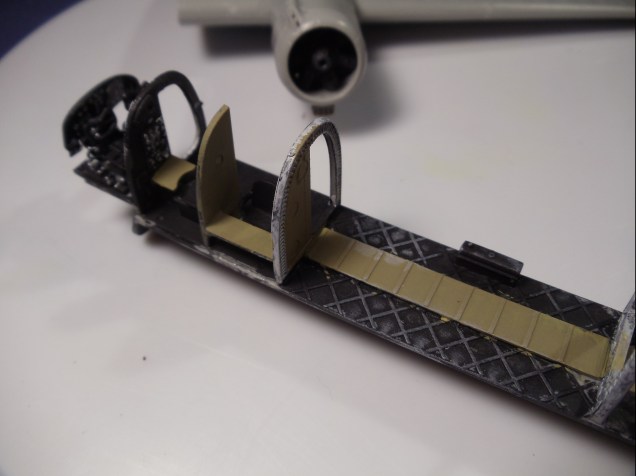
I did some touch-ups on the interior even if it won’t show. At least I will know I did.
Next time, going back to steps 7 and 8 with the gun turrets and trying to fix step 8.
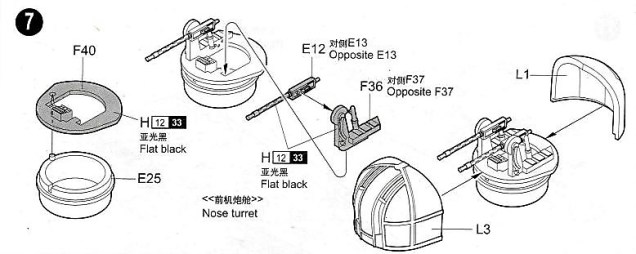
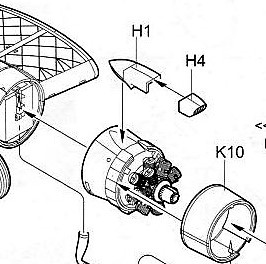
Moving along with step 11 and keeping my expectations to a minimum after fumbling step 8, and strictly following the instructions to the letter whenever possible.

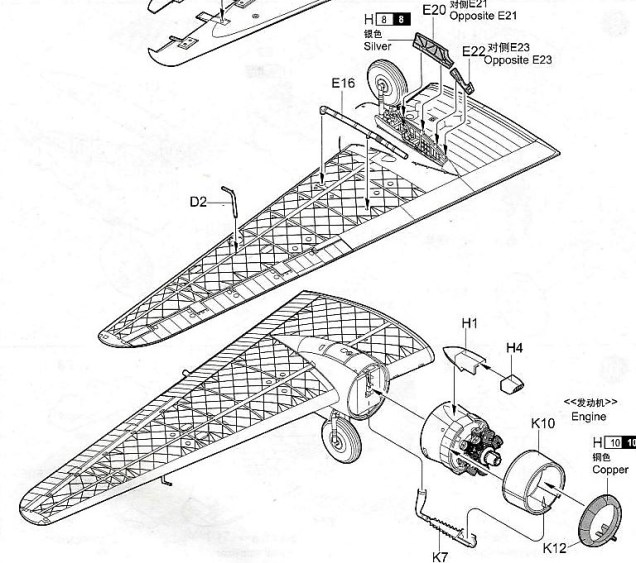
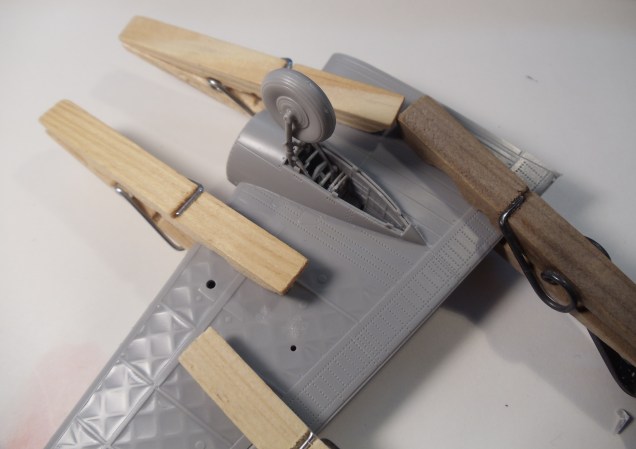
I took some photos to show you where I am at right now after glueing the starboard wing…
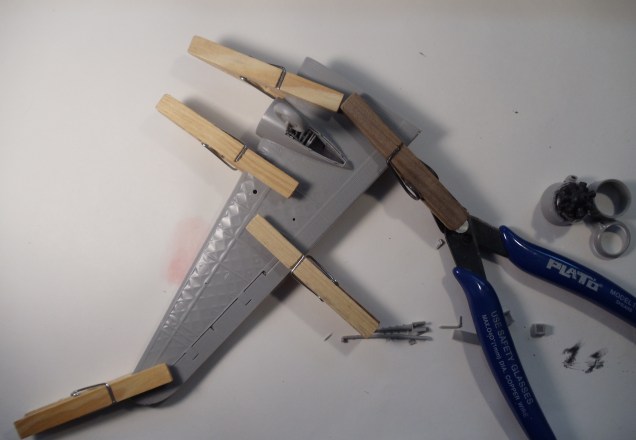
The pitot tube, which I will eventually break and lose, was added. The fuel jettison pipe was glued after.
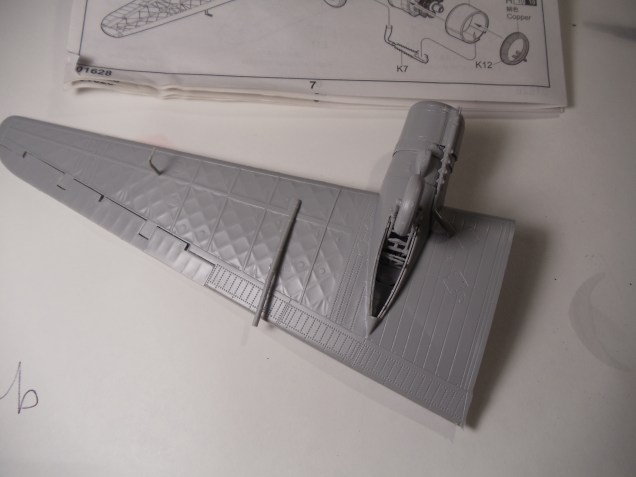
The only problem I had encountered was the location of the exhaust pipe.

I should have looked for photos on the Internet first.
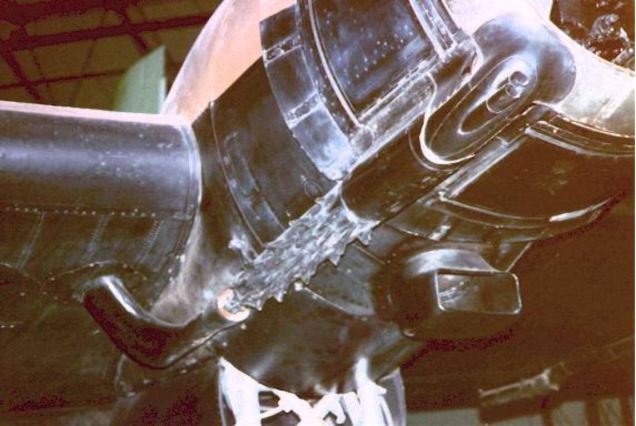
https://www.ipmsstockholm.se/home/vickers-wellington-mk-x-in-detail/
But in the end I was lucky…just a few millimeters off.

I have added the landing gear doors and the air filter to complete the starboard wing.

Final result
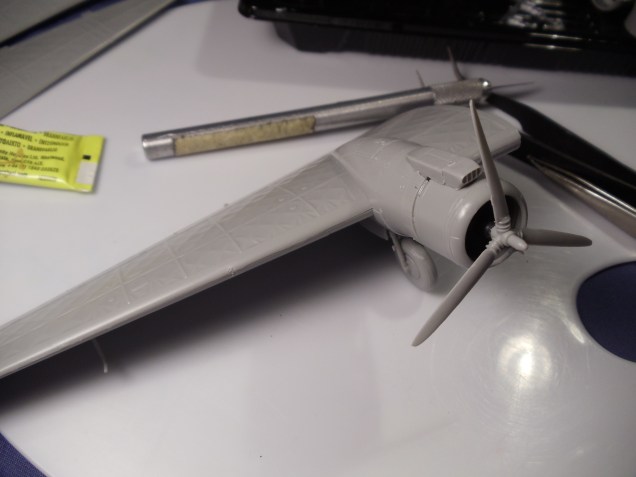
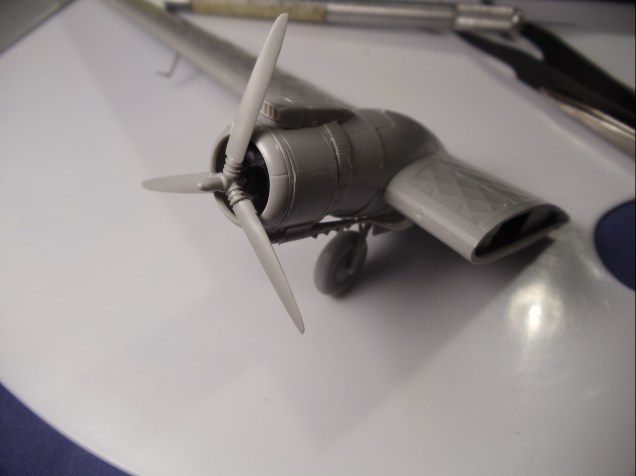
Next time step 12 and I should not be expecting any unforseeable problems.

Perhaps the aircraft most associated with the changing tide of the Pacific War, The F6F Hellcat was the key Naval fighter of the last part of the War. Let’s take a look at a complete game changer.

Welcome to the first part of my ‘Building a Scale Model Aircraft’ series, where I’m going to try and help you, the novice builder, through your first steps into the hobby of scale modelling – so wish us both luck! It sounds stupid to say, but one of the first things you’ll need if you […]
via Building a Scale Model Aircraft – Part 1: Choosing a kit. — Mediocre Models
Steps 11 ans 12 are quite similar but I am following the instructions.
I have started these steps leaving step 8 dormant for awhile since I won’t be needing it until step 13. I hope I will be lucky…
Some photos of the progress…
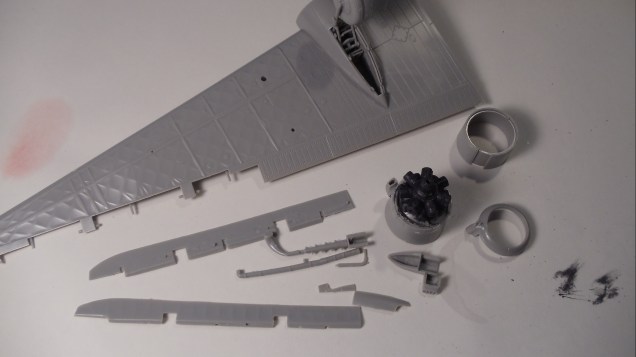
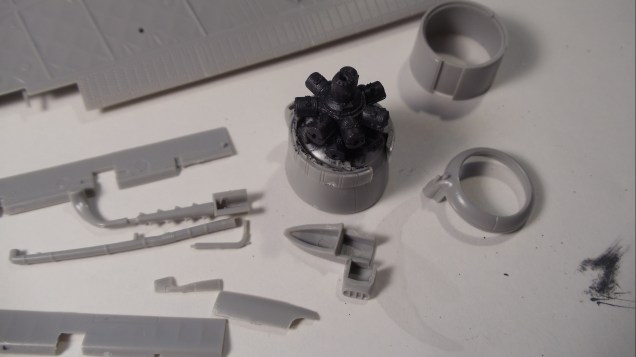
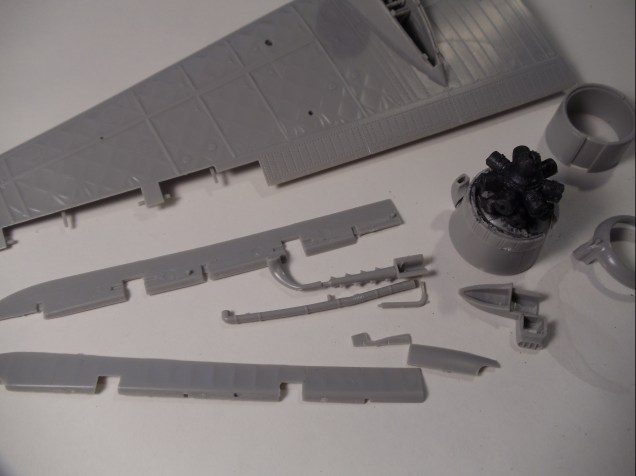
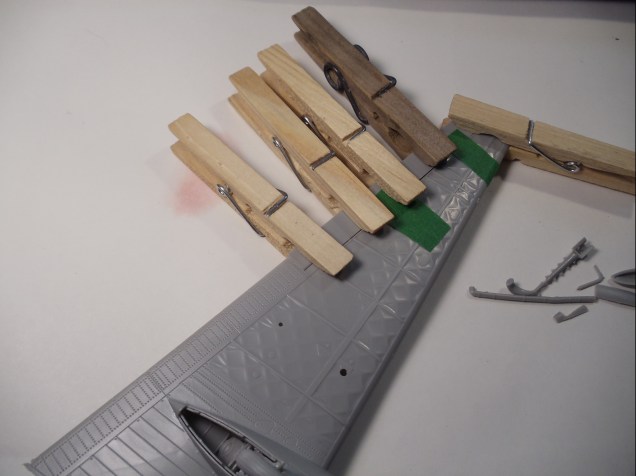
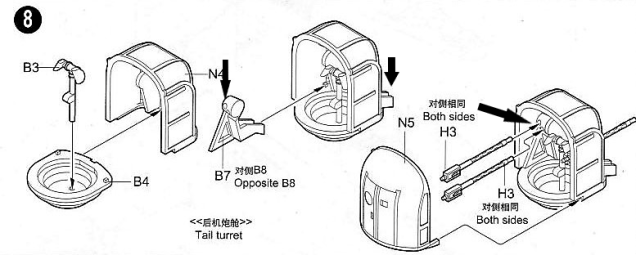
Step 8 should have been simple but I forgot to see what I had missed in the instructions.
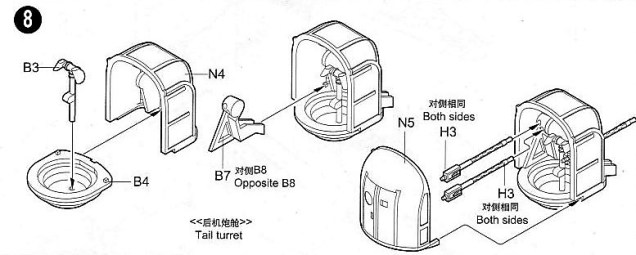
The four Browning .303 machine guns had to be inserted in four little holes which were not wide enough.
I had taken about 30 minutes to try to fit them. Having done so I proceeded with installing parts B7 and B8 which did not seem to fit. It was obvious that I had inserted the machine guns 180 degrees due to combat fatigue!
I had to become a brain surgeon to fix this. I then glued B7 and B8 which were hard to insert. It was only then that I noticed how these parts were protruding.
I should have remembered to look at this photo.

That should teach me a lesson.
I was still searching for more information. This I had found this on the Internet for James. He wanted to know where the crew members were stationed.
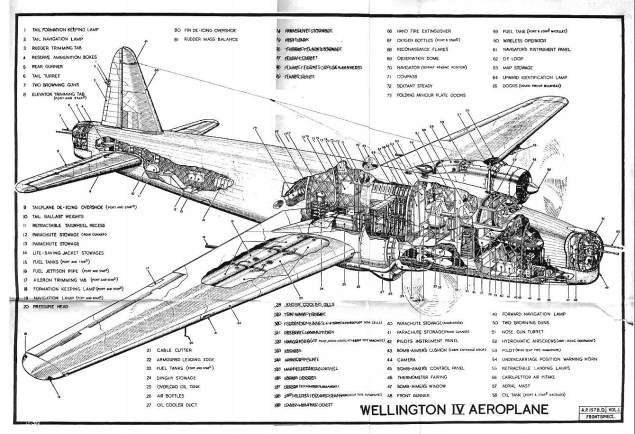
We can see where they were stationed in the Wellington.
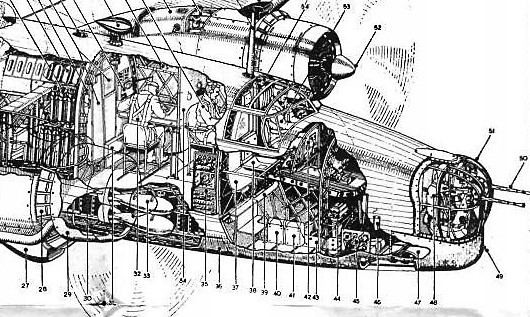
Pilot at the controls, then the wireless-operator behind him listening to messages, and the navigator looking at his charts.
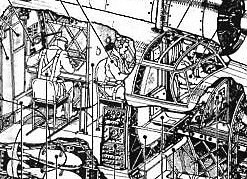
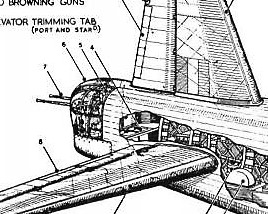
The gunners were in front and in the rear ready for action.

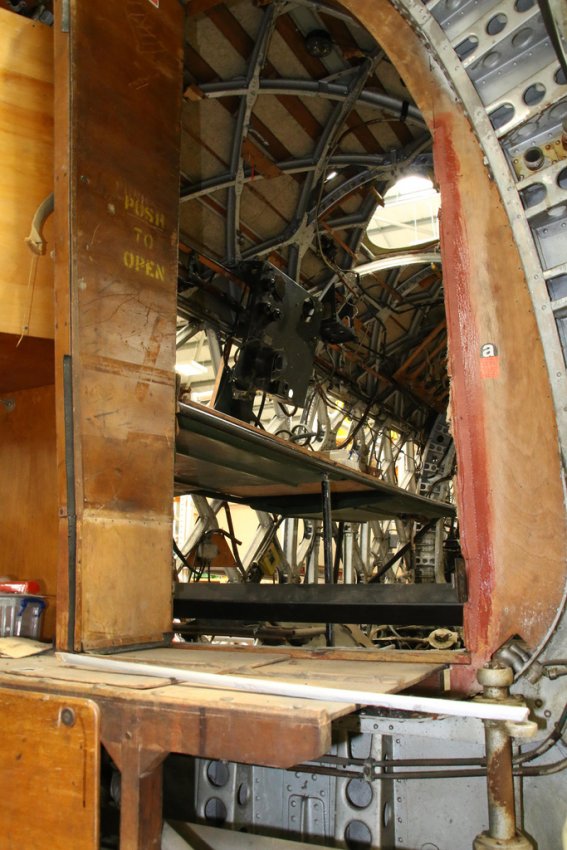
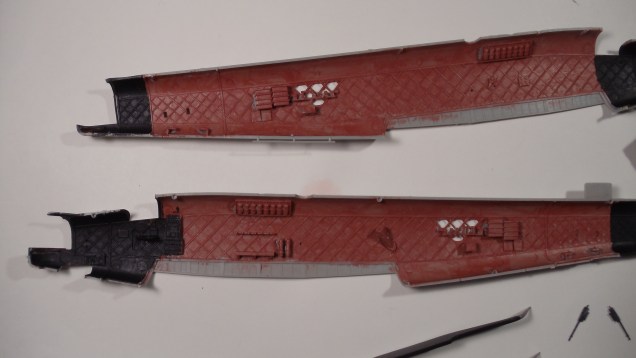
Last time I wrote steps 7 and 8 were next in line, but first I had to paint the parts black before assembly.
While painting those parts I had second thoughts about the reddish brown I had seen on photos.


This is how James’ model kit would have looked.

I had also painted other parts like the engines.
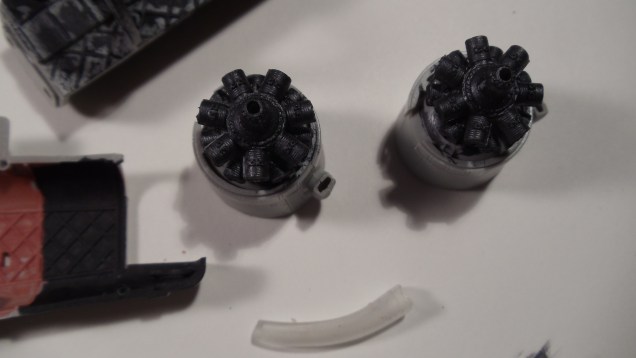
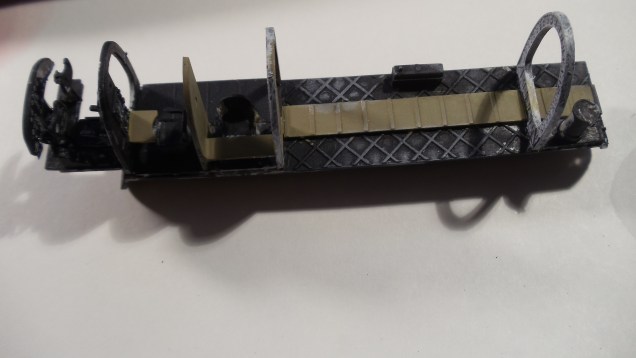
And the cockpit area.
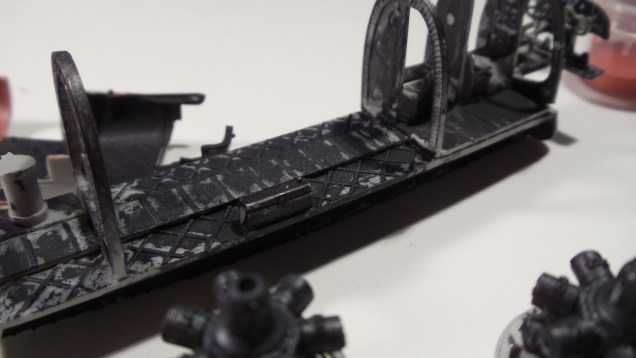
This is how the interior would have looked.
 Now the interior will look like this even if no one will ever see it once the fuselage parts are glued.
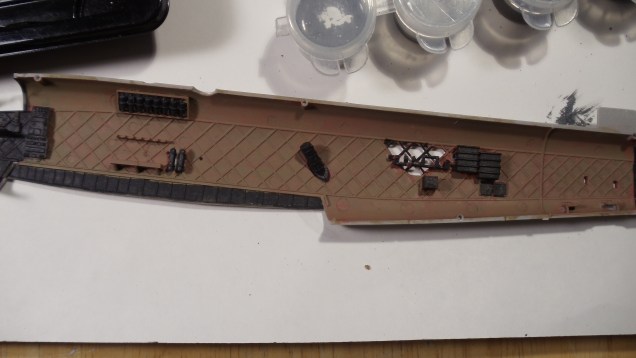
I have painted more details.

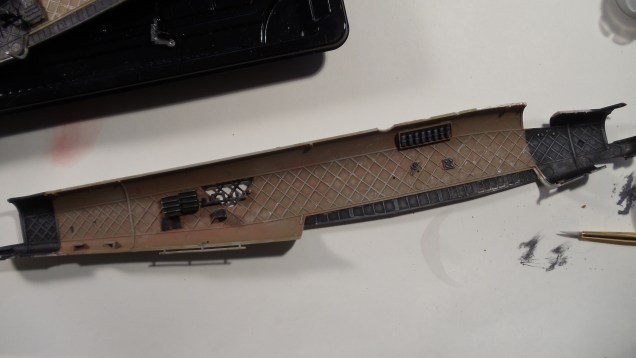

But more touch-ups will be needed later.
Next time?
Steps 7 and 8.
Plane Dave’s back with his rendition of ICM He 111H-3
Another of World War II’s “iconic” types, the He 111 became a symbol of irresistible Nazi air power in the opening months of the War.
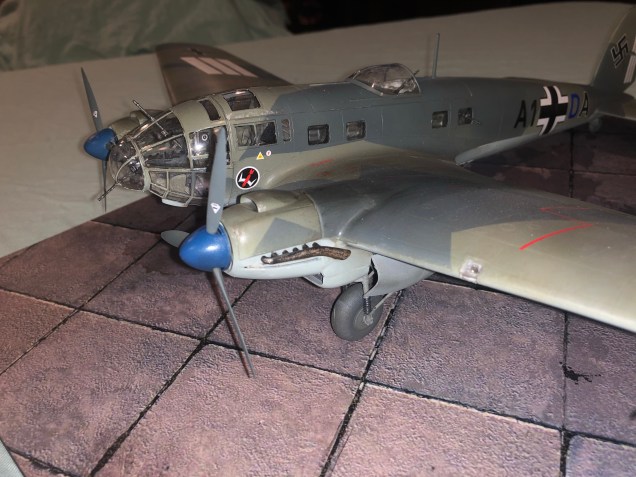
That lasted for about a year, until the invulnerability myth was shattered in the skies of southeast England. Let’s look at a Heinkel from the Battle of Britain.
View original post 1,336 more words

 My Forgotten Hobby III