https://weaponsandwarfare.com/2020/06/10/junkers-ju-88-series/
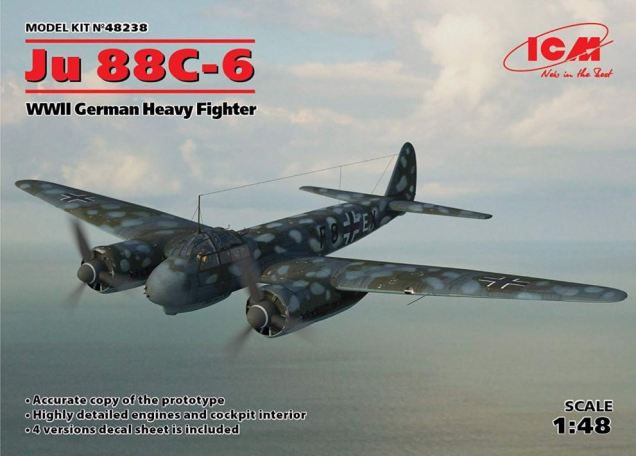
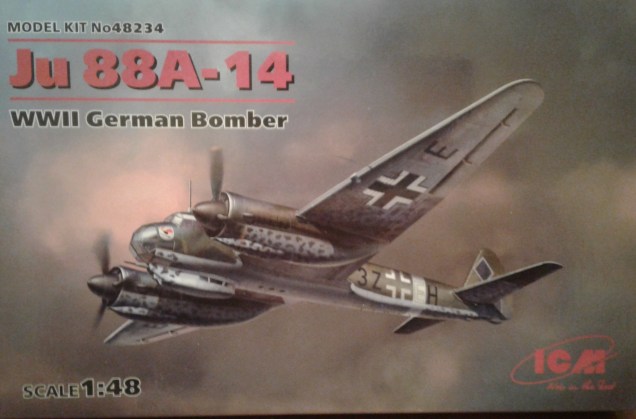
When little is also beautiful.
Many useful tips…
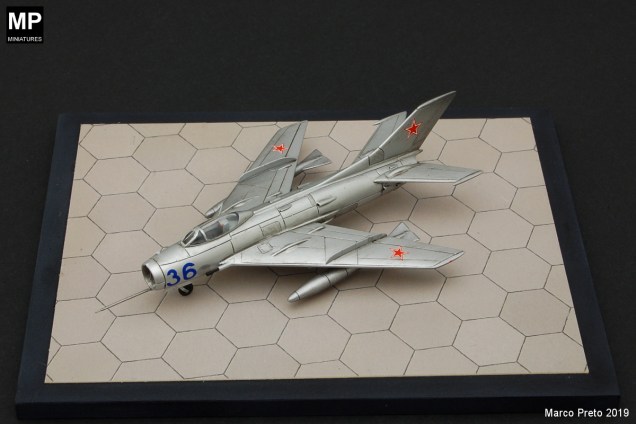
Another small model completed in 2019 was this minute MiG-19S, produced by Mark I. The kit was detailed with Mark I produced photo-etched set and a few bits made from metal tubing. Cutting the trimming these tubes can be hard (specially if you are using hypodermic needles as a source material), but with simple tools you can easily get the shape you are aiming for.
View original post 365 more words
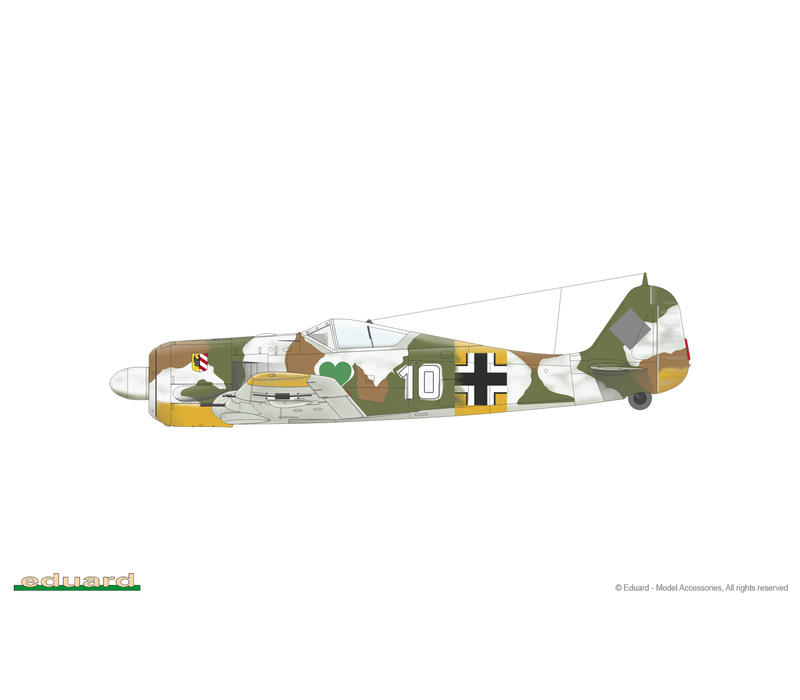
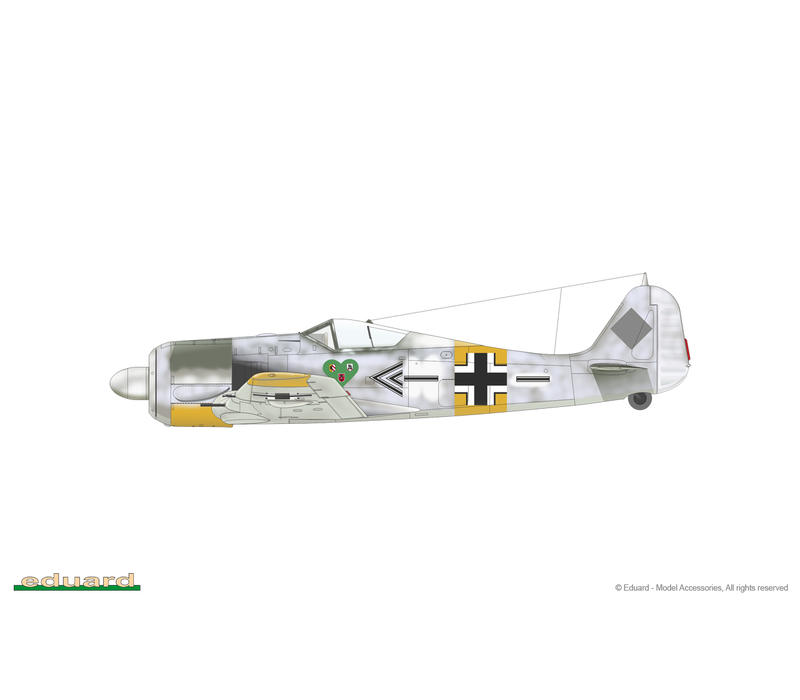
Eduard’s FW 190A-4 has finally arrived!
I had lost hope since it had been long overdue. I had ordered it late March, but it finally arrived through no fault of the vendor.
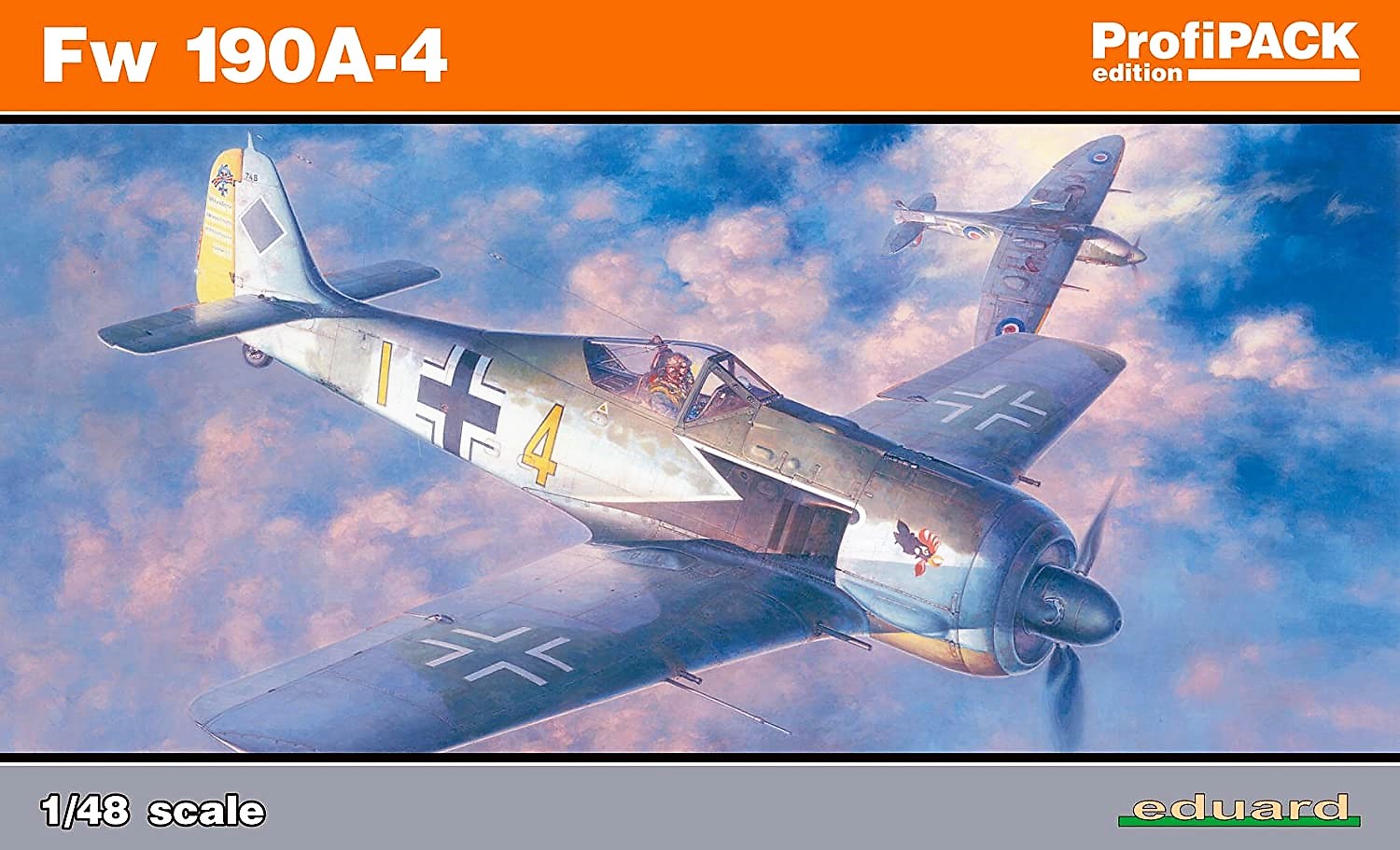
I just had to look for any reference on the Internet.
I took all this from Eduard’s Website.

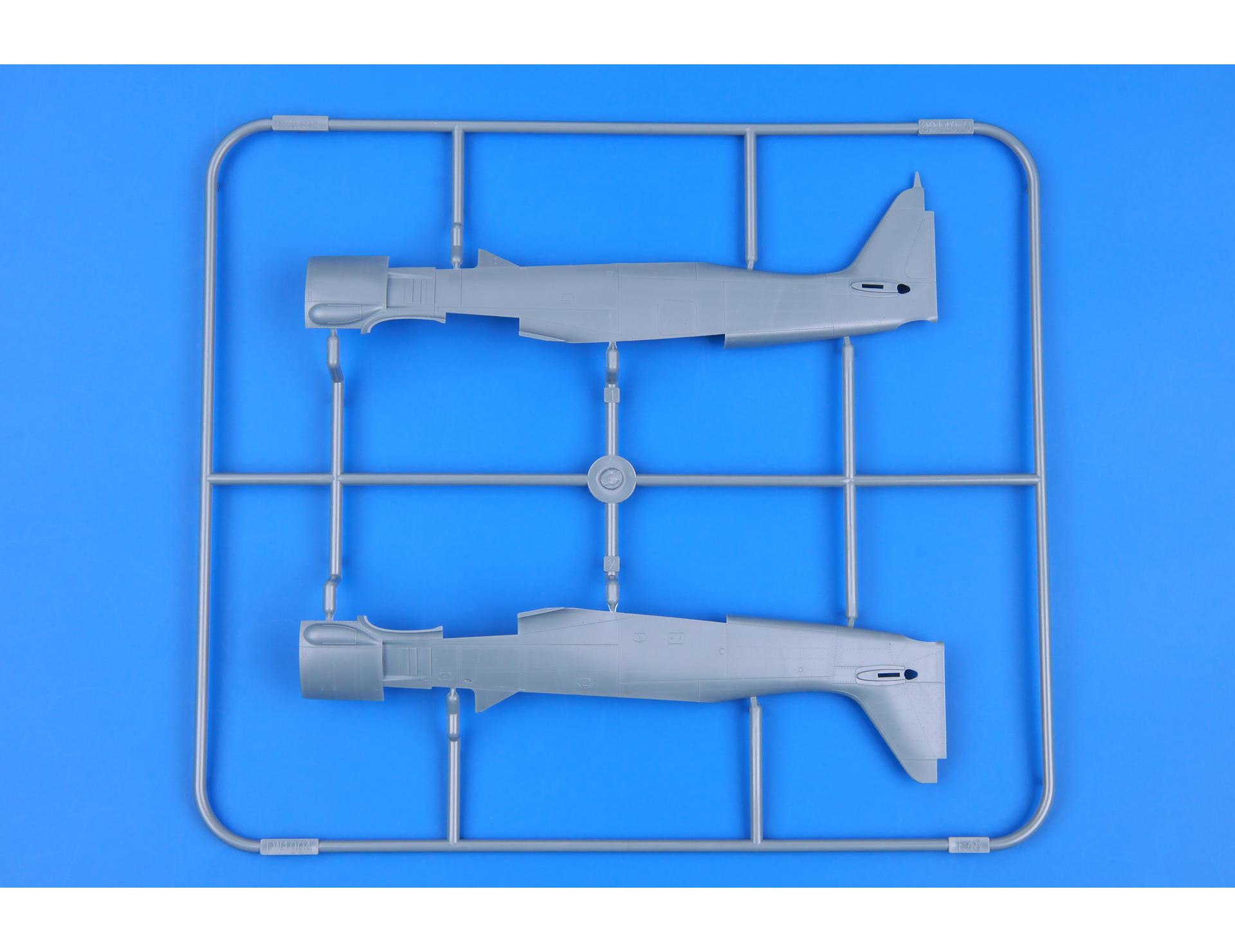
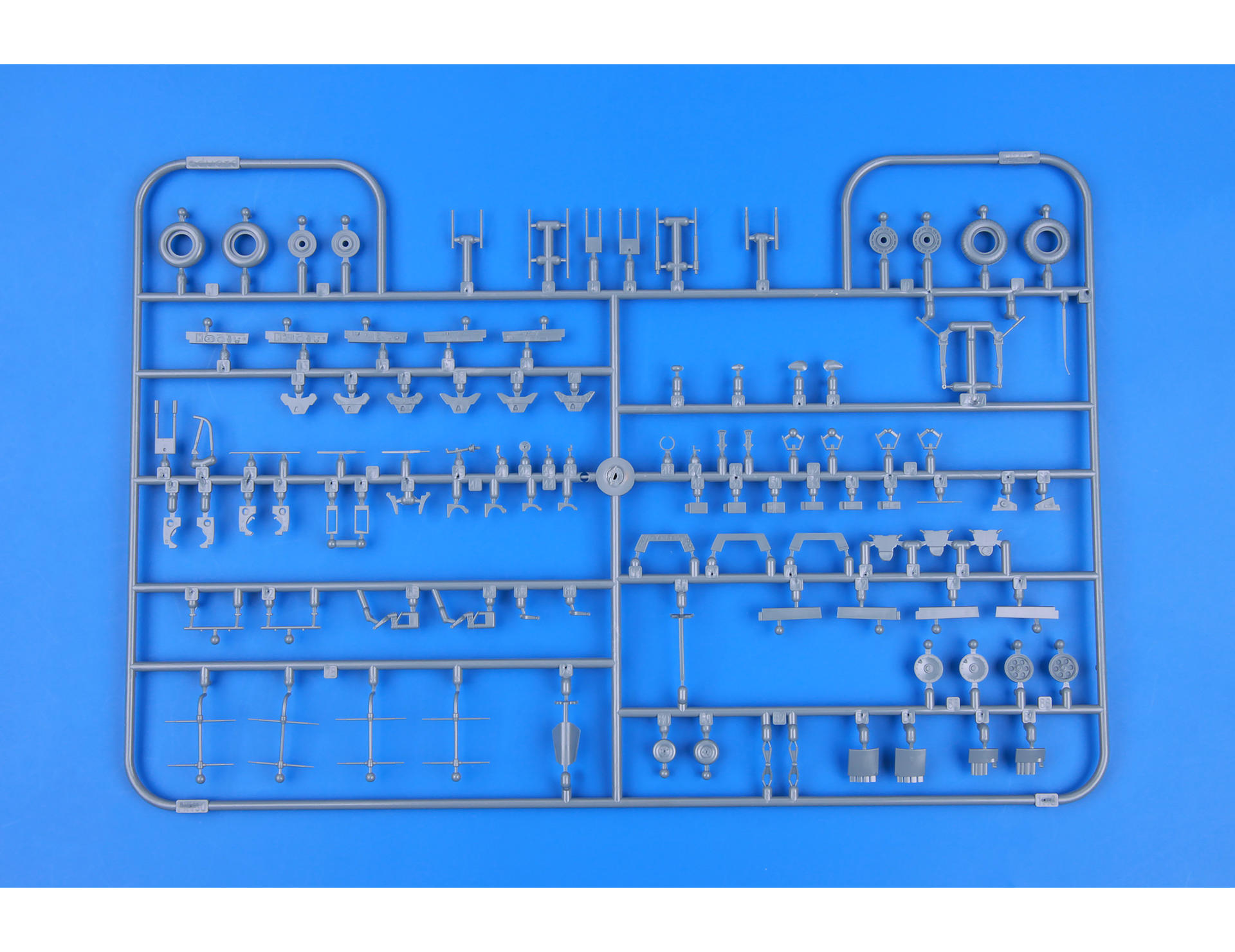
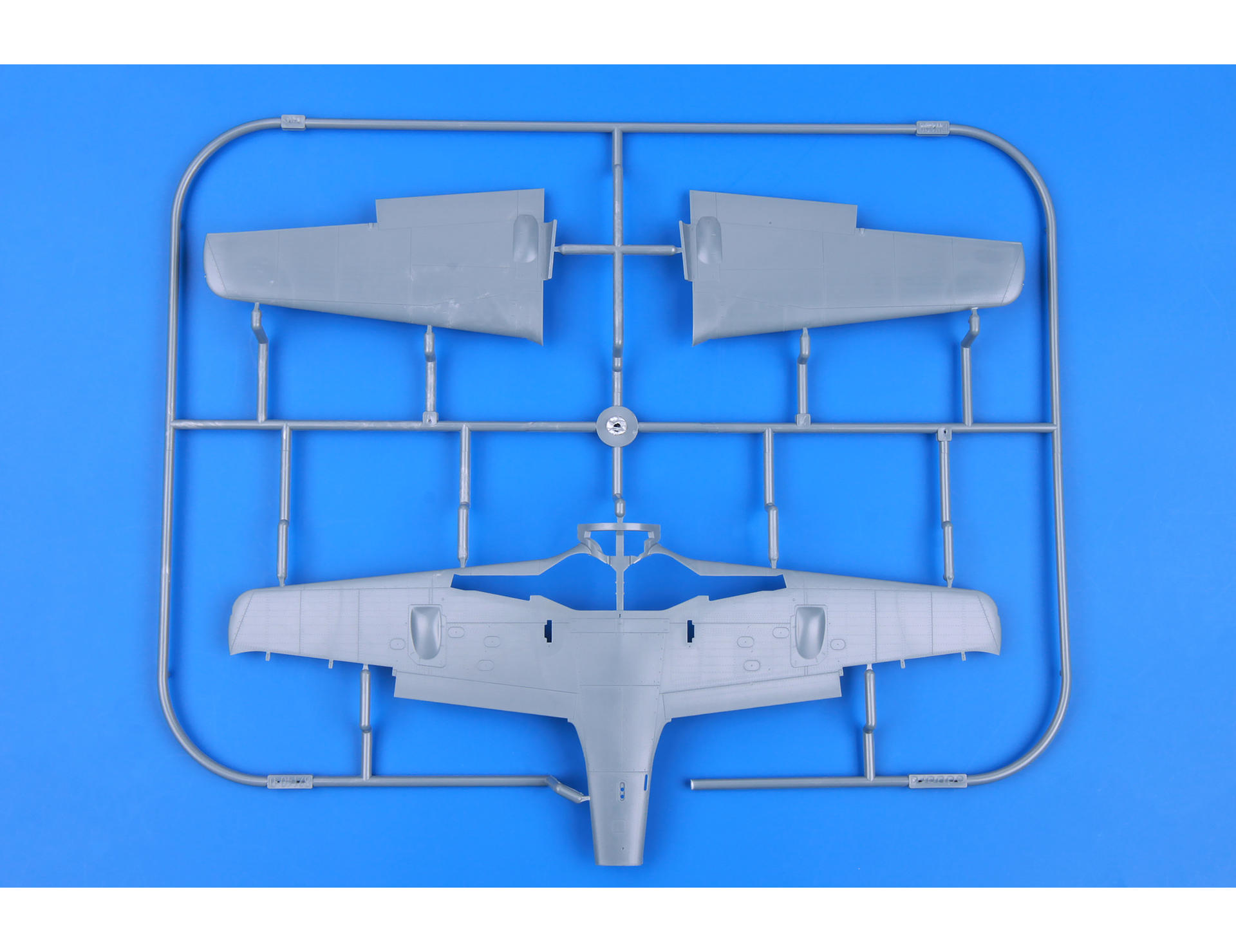
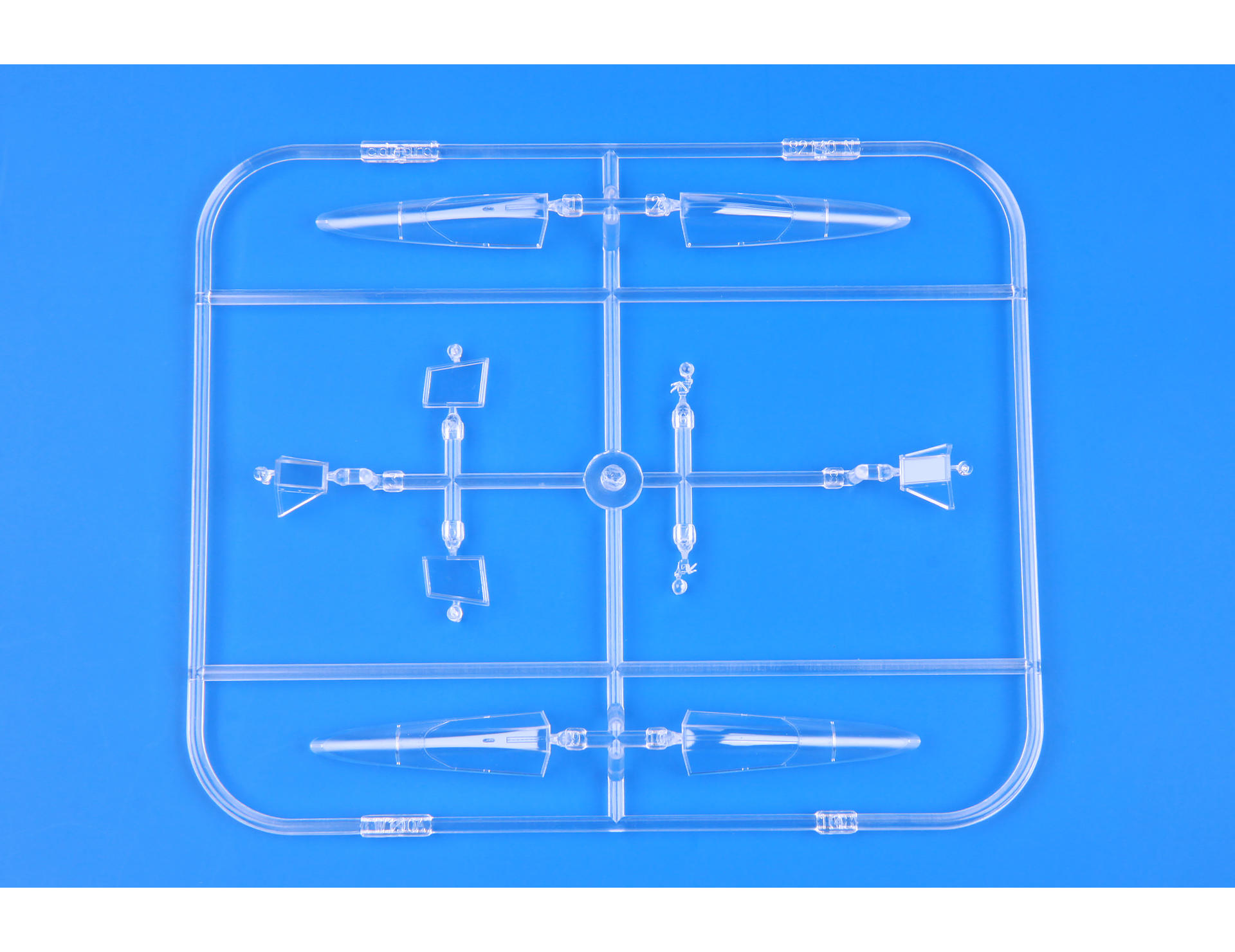
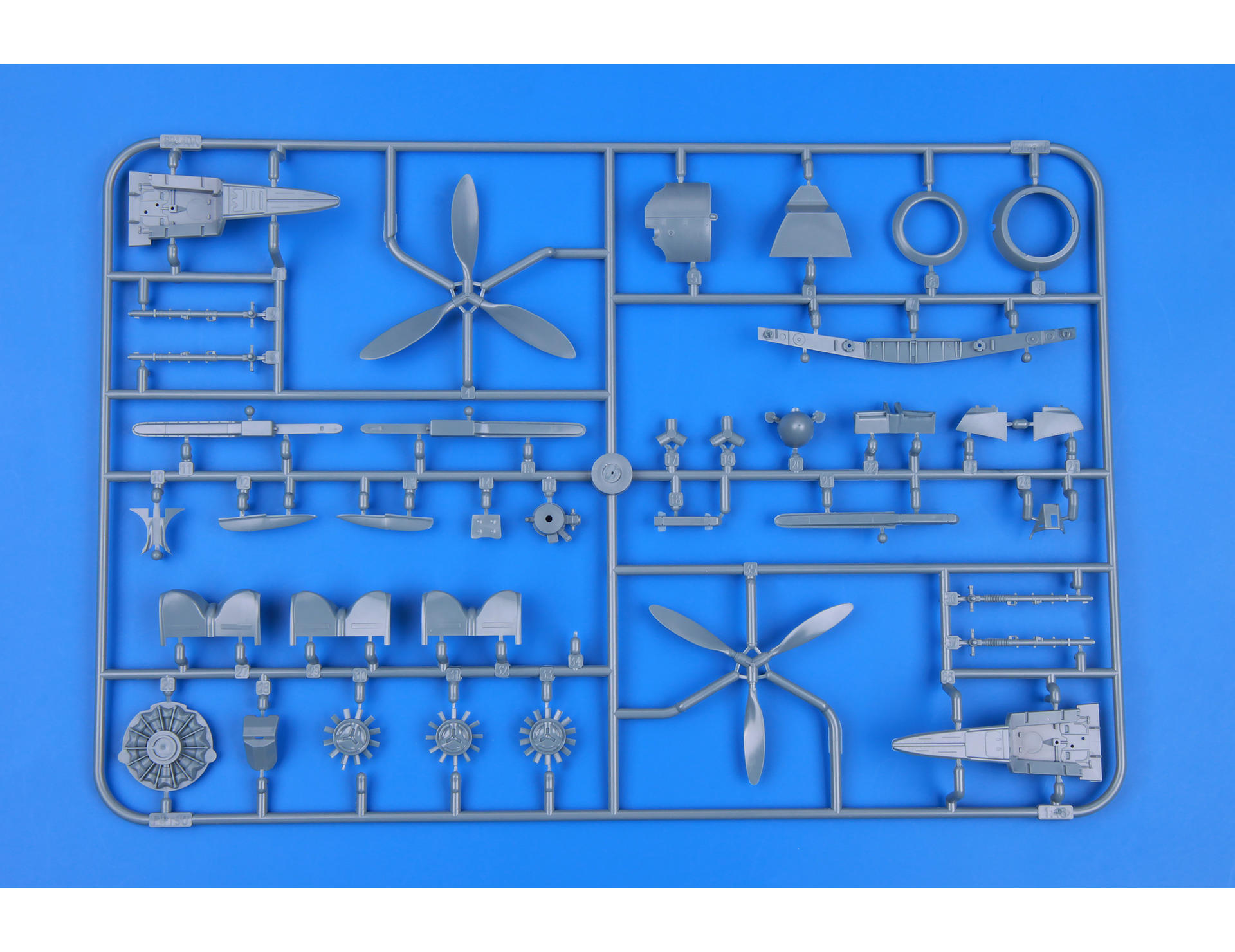
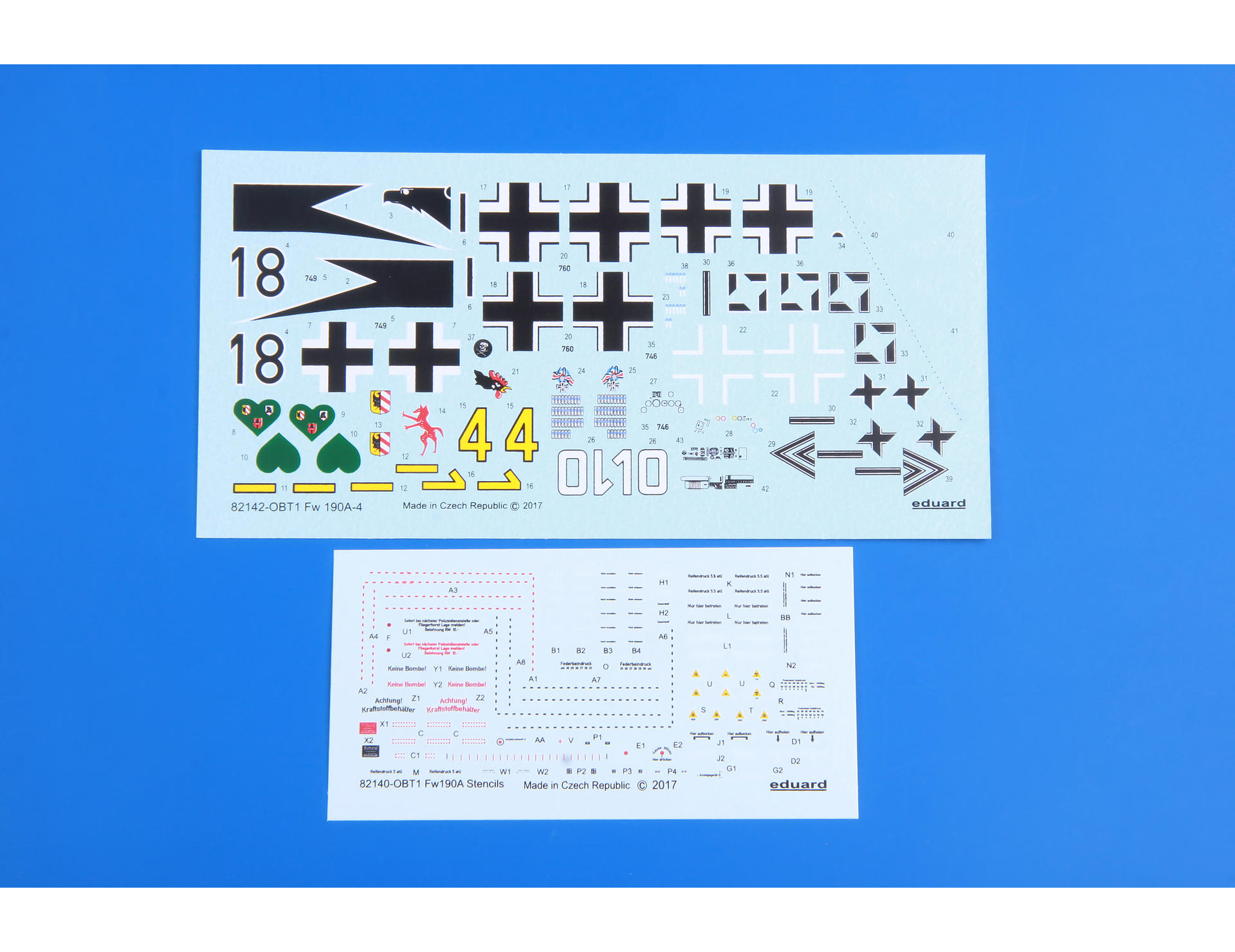
I will not probably build it, but just having it in my stash is fine.
These are the five versions that can be built.
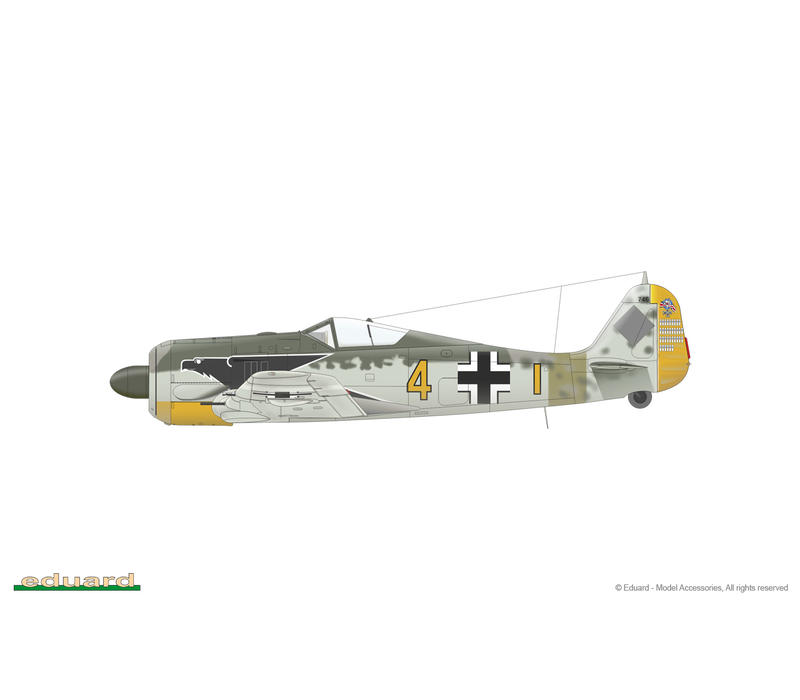
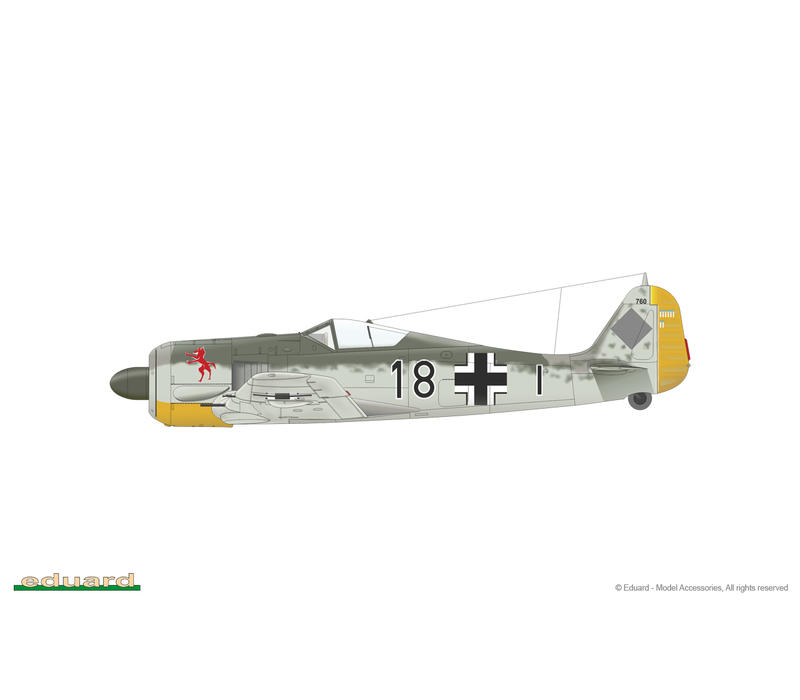

Here is what modelers did…
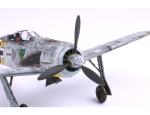
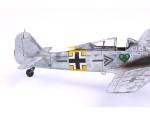
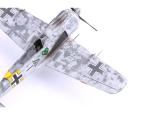
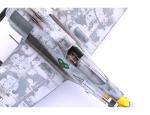
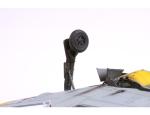
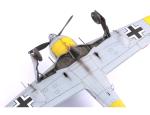
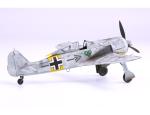
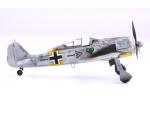
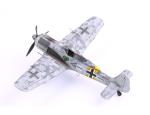
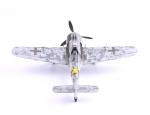

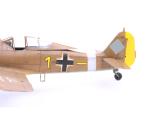
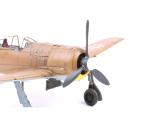

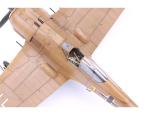
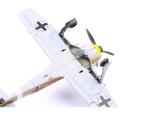
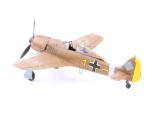
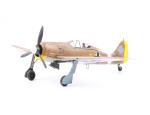
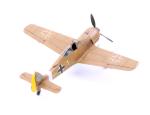
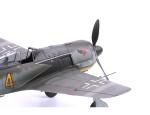
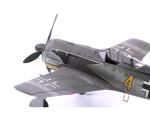
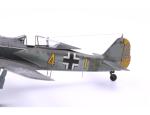
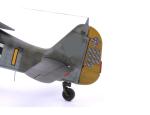
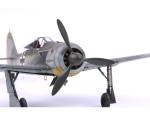
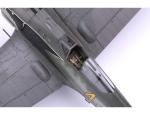
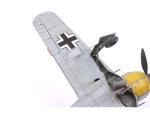
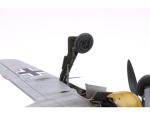

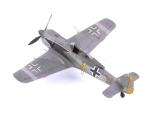
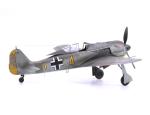
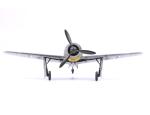
Sometimes things happen in my life that I forget about my forgotten hobby. Sometimes it’s the weather, but not today.
Post No.100 is not about a model airplane nor about a model ship because there is none available for this ship.
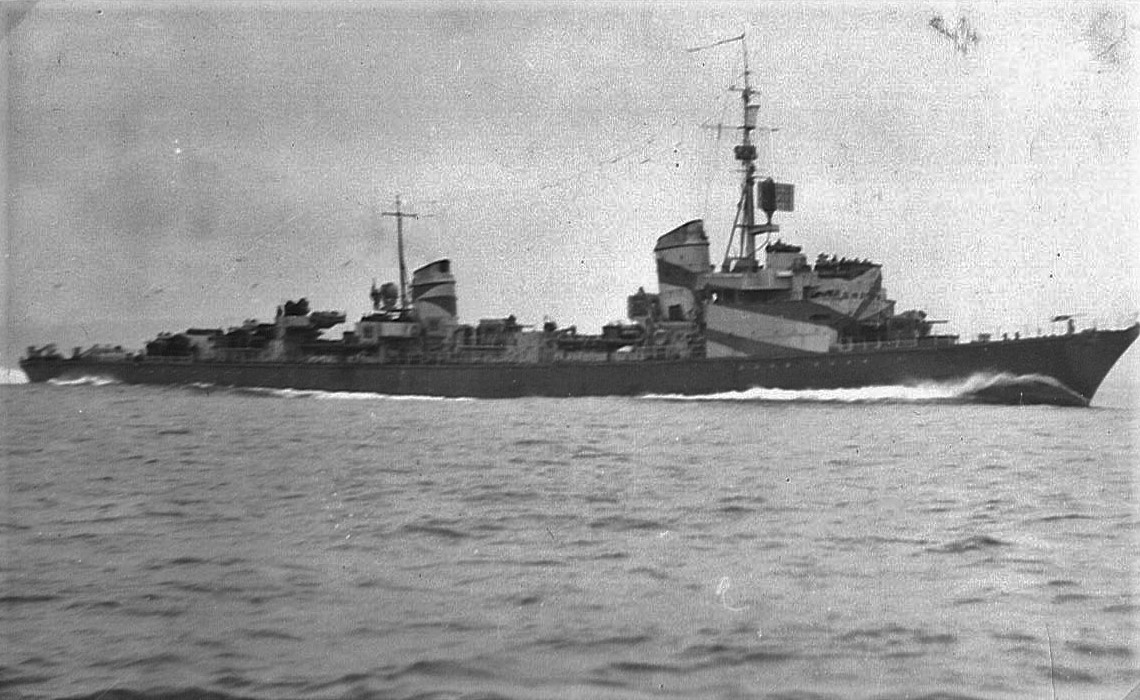
Collection Alfred Kuhn
It’s about the story of a German torpedoboat, two sailors and their sons. This is another view of the T24.
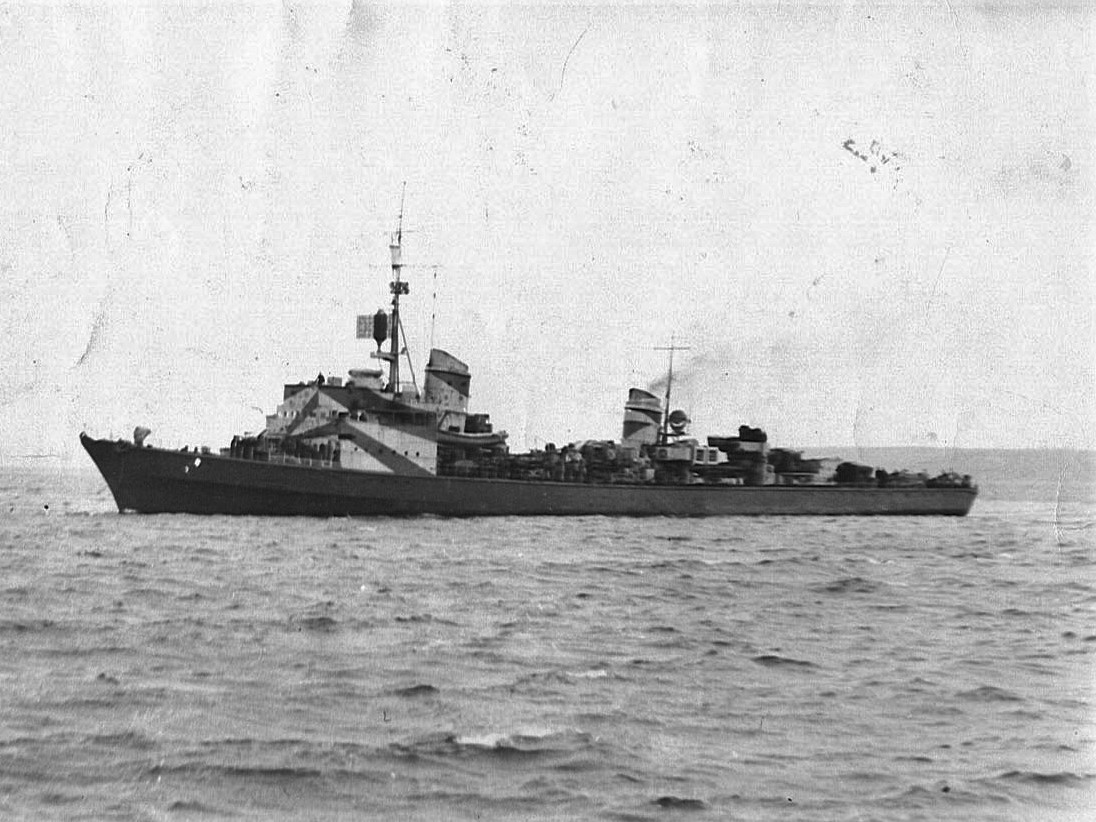
Collection Alfred Kuhn
I have never seen these two photos on the Internet before. They are from Alfred Kuhn’s collection a radio operator on the T24.
I have been writing on the T24 story on another blog. It was about the story of Willi Küllertz who was a sailor in the engine room on the T24 when it was attacked by RCAF 404 Squadron Beaufighters.

RCAF 404 Squadron archives
The T24 was the ship that sunk HMCS Athabaskan on April 29, 1944.
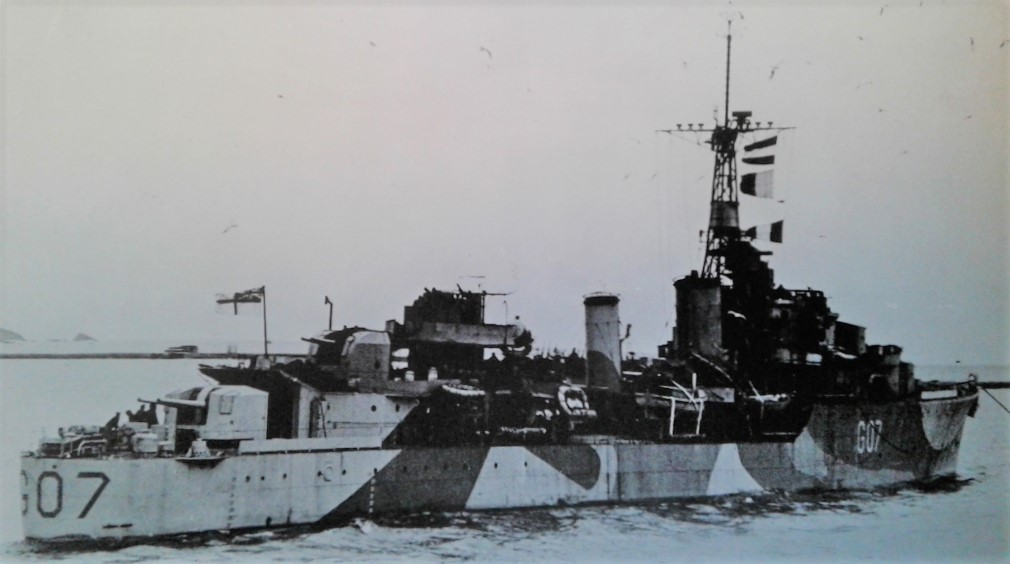
Archives Canada
Before July 2009 I knew nothing about HMCS Athabaskan. Then in a family reunion my wife’s 80 year-old uncle told us he was aboard a destroyer named HMCS Athabaskan. He was writing a letter to his parents in the engine room when…
He did not tell that much about the sinking and how he was rescued by HMCS Haida. I found out why after. Most veterans that I have met since 2009 didn’t want to relive what they went through during the war.
So I got curious back in 2009 and I created Souvenirs de guerre a blog on WordPress to tell the story of HMCS Athabaskan and the sinking. 10 years later Willi Küllertz’son found that blog and commented. He wanted to tell his father’s story.
I featured it on Souvenirs de guerre.
https://mpierrela.wordpress.com/2019/02/02/souvenirs-de-guerre-dun-marin-allemand/
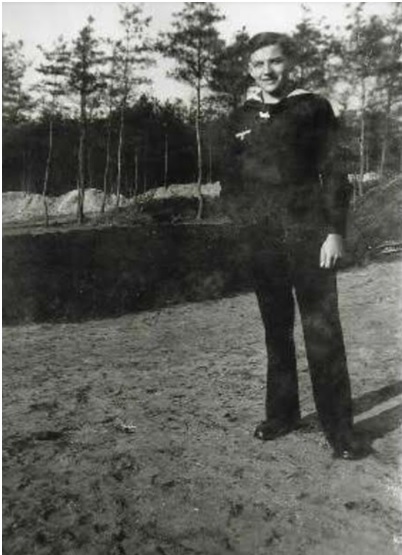
Collection Willi Küllertz
But there was so much information that his father’s story was then featured on a different blog in three languages: French, English and German…
All this with the intent that someone might one day contact Willi Küllertz’s son…
Well that day has just finally arrived and I have 48 more names to add to the T24 story.
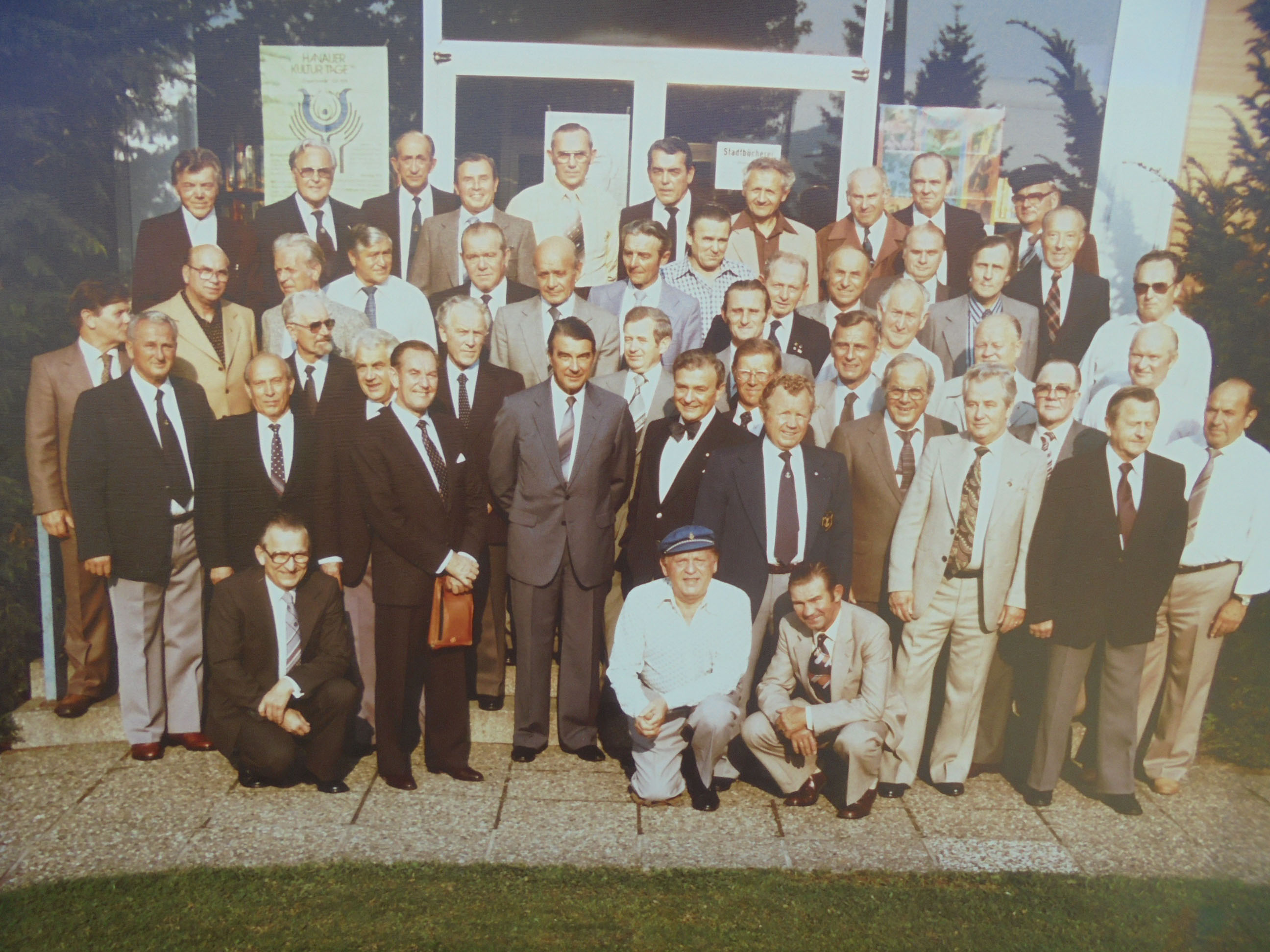
Collection Alfred Kuhn
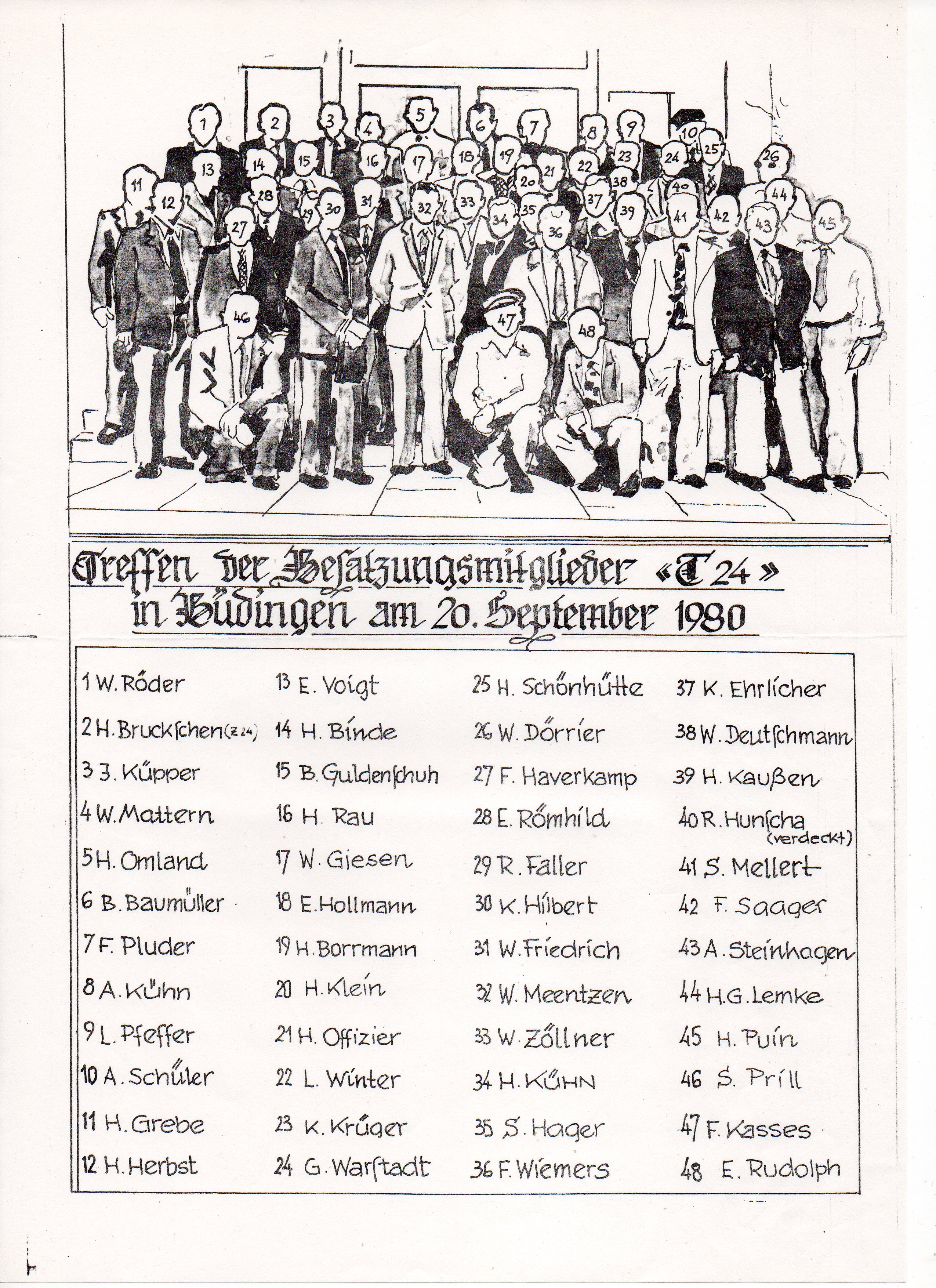
Collection Alfred Kuhn
Making history with building model airplanes
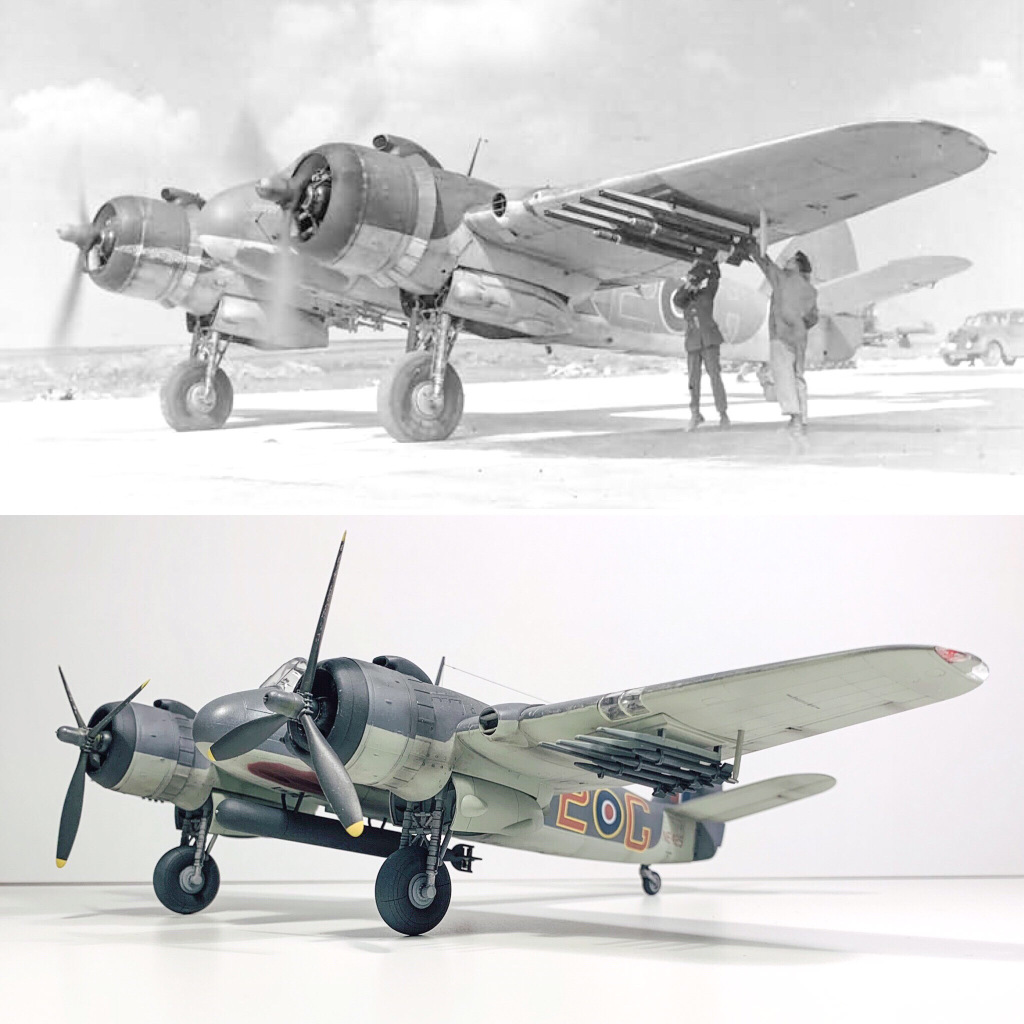
Over 13,000 men and women served in Coastal Command during the Second World War, and 5,866 lost their life through doing so. The Command lost 2,060 aircraft to all causes, but not without result; in action from the first day of hostilities until the last, it flew over one million flying hours in 240,000 operations, and destroyed 212 U-boats. Coastal Command sank 366 German transport vessels and damaged 134. A total of 10,663 persons were rescued by the Command, including 5,721 Allied crews, 277 enemy personnel, and 4,665 non-aircrews.
Their task was on the face of it, a relatively simple one and comprised both offensive and…
View original post 2,646 more words
I like to document what I have built and I like to write about mistakes that I have made along the way.
Writing for me is just as fun as building model airplanes, and I still have so many more model airplanes just waiting to share the fun with my readers.

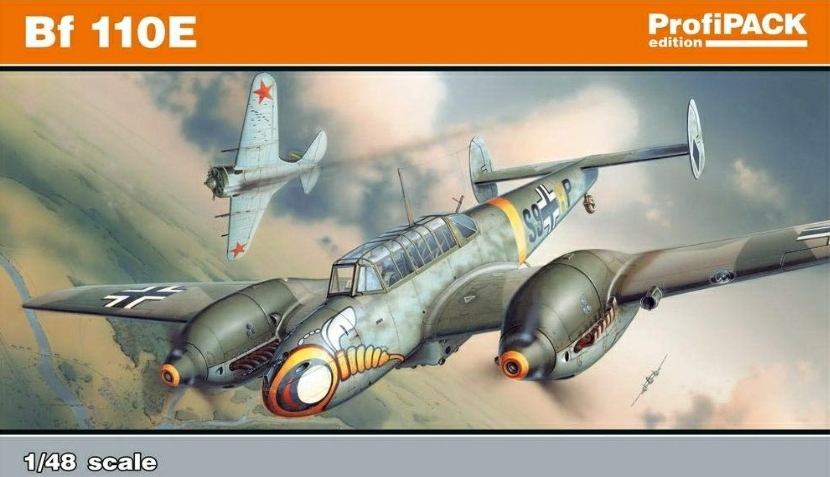
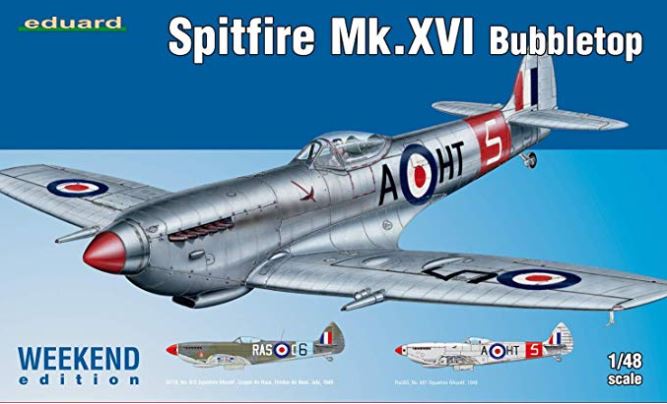
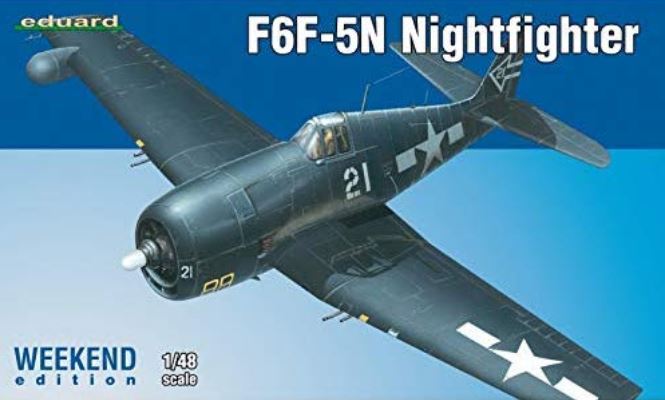
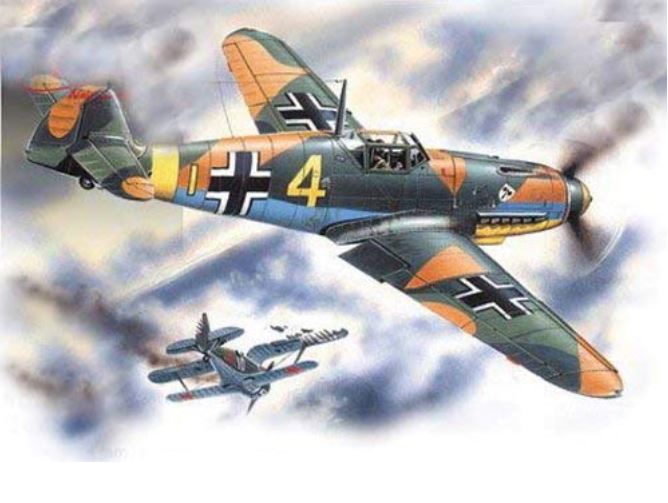

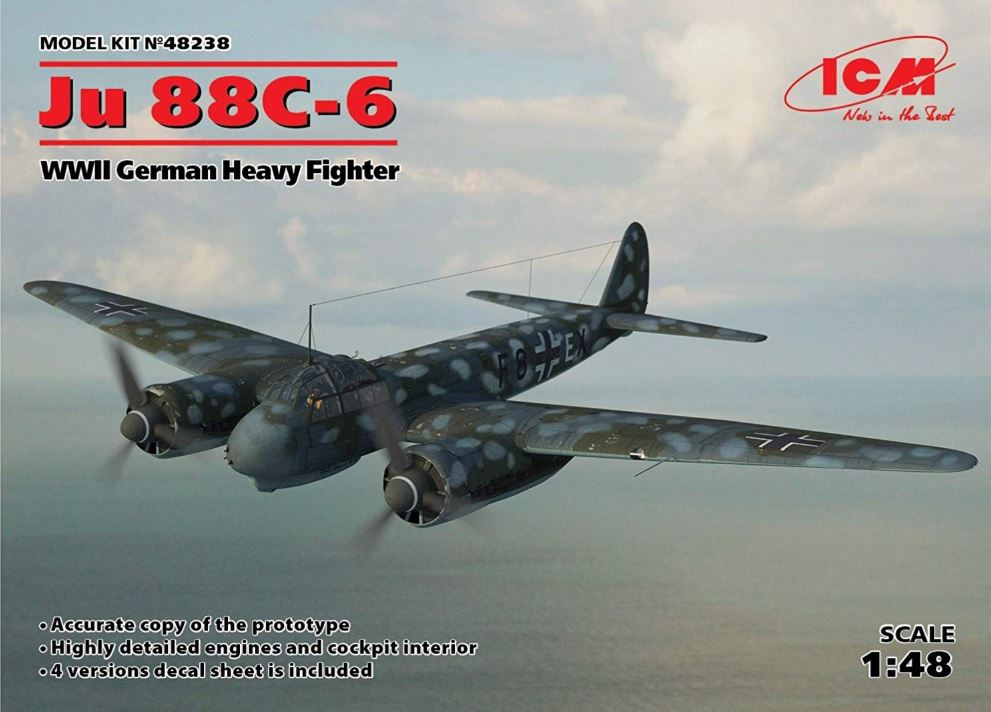
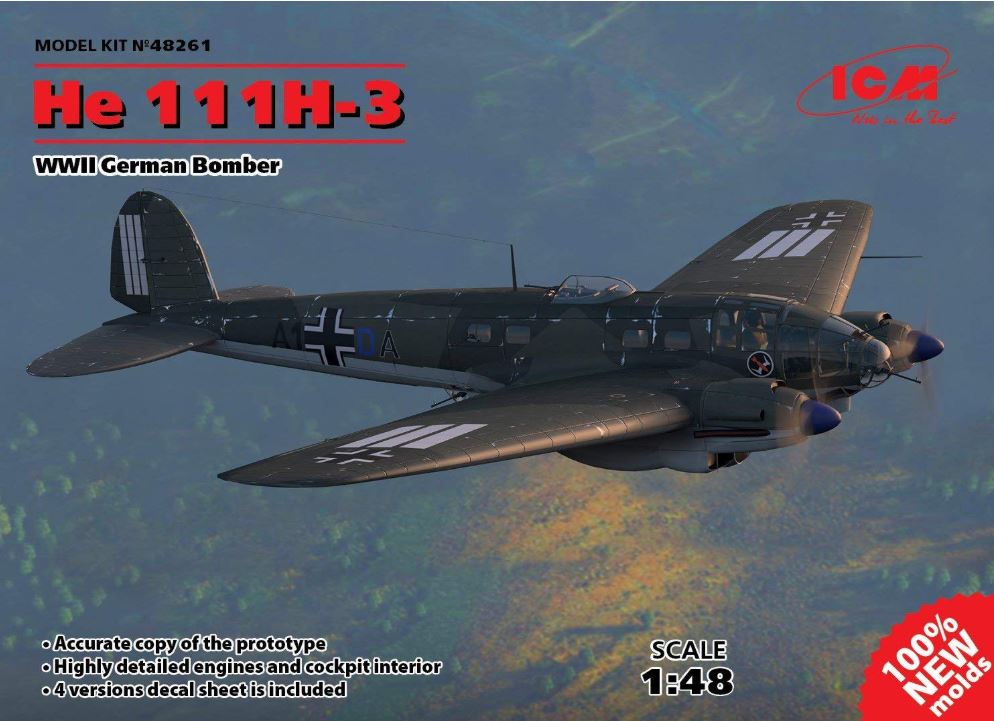

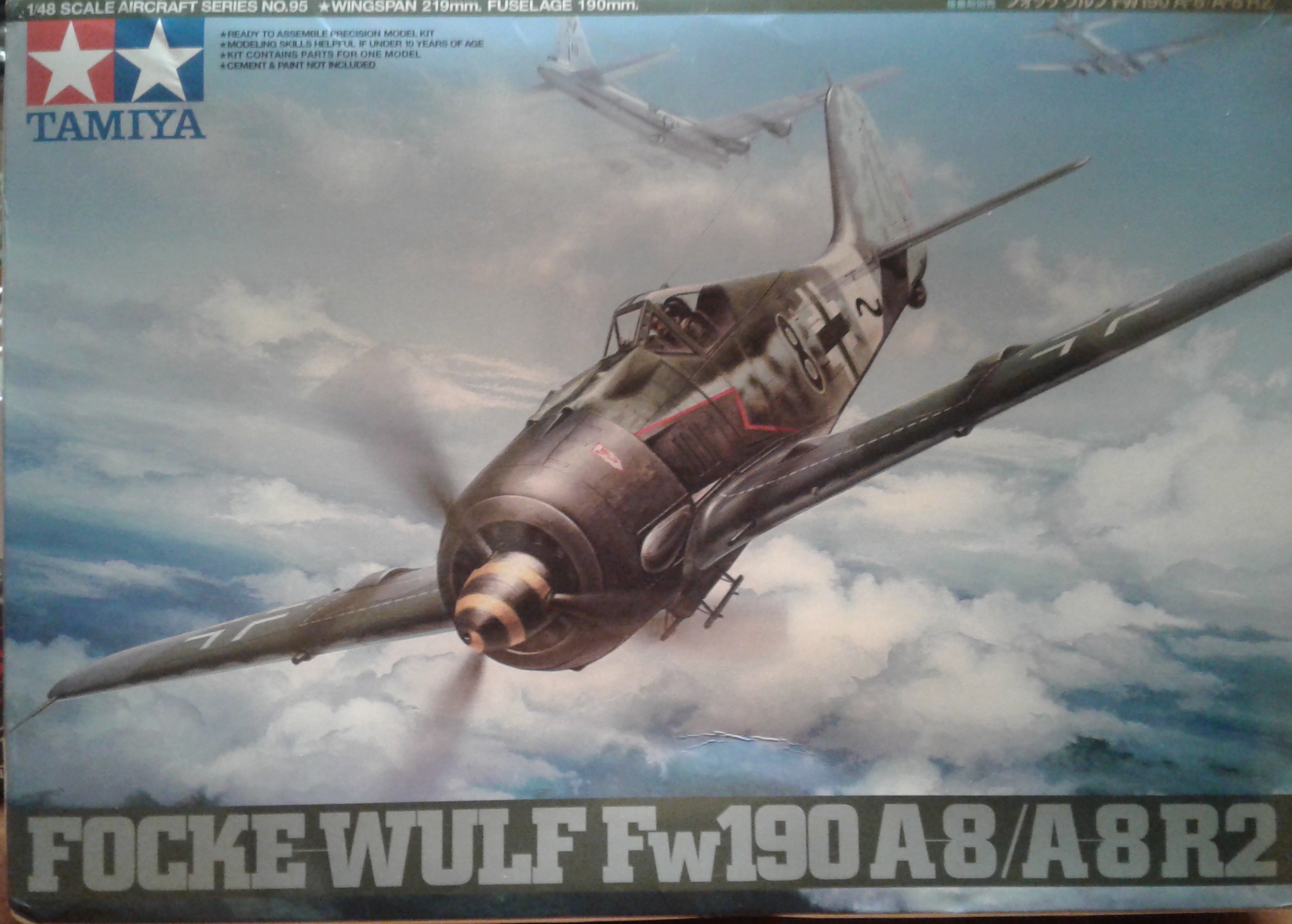
Ordered last March, it arrived 11 days ago. Long overdue by a whole month, it was worth the wait. Below are instructions and images that were taken from Eduard’s Website.
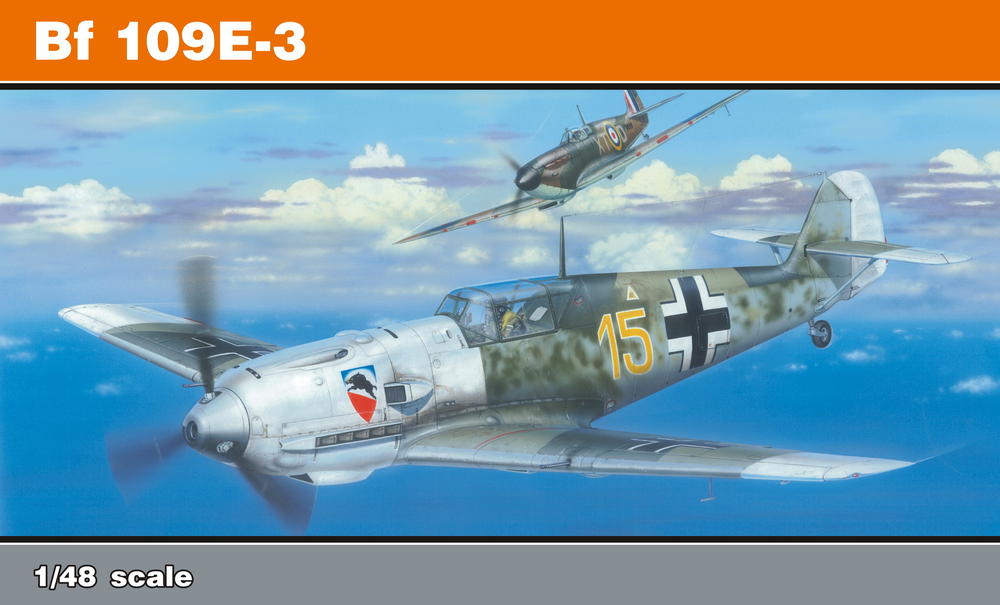
No other aircraft of the German Luftwaffe is so intimately connected with its rise and fall in the course of the Second World War than the Messerschmitt Bf 109. This type, by whose evolution outlived the era in which it was conceptualized, bore the brunt of Luftwaffe duties from the opening battles of Nazi Germany through to her final downfall. The history of the aircraft begins during 1934-35, when the Reich Ministry of Aviation formulated a requirement for the development of a single-engined monoplane fighter. Proposals were submitted by Arado, Heinkel, Focke-Wulf and Bayerische Flugzeugwerke. The last mentioned firm featured a technical director named Professor Willy Messerschmitt, who was riding a wave of popularity based on the success of his recent liason aircraft, the Bf 108. His goal was to conceive of an aircraft with the best possible performance for the specified weight, size, and aerodynamic qualities. Over the subsequent months, several prototypes were built that served first and foremost in development flights and further modifications. The aircraft was relatively small, and compared to the prevailing trends of the time, docile with revolutionary features such as low wing design, the use of a retractable landing gear, a wing with a very narrow profile, wing slats, landing flaps, weapons firing through the prop hub, and so on. Even the enclosed cockpit and the method of construction were not very common just four years prior to the beginning of the Second World War. At its conception, the Bf 109 was a very promising asset despite some powerplant troubles. These were solved by the introduction of the DB 601. This engine, together with its extrapolated development DB 605, is umbilically connected to the types success. These two-row, twelve cylinder inverted V engines powered several tens of thousands of ‘109s in over 25 versions and variants.
The first combat use was by three developmental Bf 109s in the Spanish Civil War, where they were delivered in December 1936. The pre-series airframes were to, first of all, validate the aircraft’s abilities in modern aerial combat. Shortly thereafter, production machines in the form of the Bf 109B-1 began to reach 2./J.88, the Legion Condor. The desire of Germany to demonstrate her aerial prowess to potential foes was advanced further in international sport meets. The triumphs attained in Zurich in the summer of 1937 were complemented several months later by grabbing the speed record of 610.95 kph. In very short order, the progressive developments represented by the C, D and E versions appeared. Despite this, the delivery of the types to combat units did not sustain a rate that was desired by military brass. Even by August 1938, the Bf 109 accounted for less than half of the 643 front line fighters in service. The later months saw an increase in these rates. By the time of the invasion of Poland (which saw the participation of only a little more than 200 aircraft) the Luftwaffe possessed the best fighter produced in continental Europe. With both a qualitative and quantitative advantage, the fighter wing of the Luftwaffe entered the Polish campaign, the first defenses of the Fatherland, Blitzkrieg against the West, and the Battle for France. With one foot in the door that was the English Channel, the Luftwaffe embarked on the attacks on Britain in the summer months of 1940. Here, the first weakness of the Bf 109 was revealed: the inability to carry drop tanks that would have enabled the type to effectively escort bombers to England. This was one of the factors that made the defeat of the Luftwaffe in the Battle of Britain possible. Experiences gained in 1940 led to the development of the ‘F’ version prior to the spring of 1941. The elegance of the Bf 109 crested with the ‘Friedrich’. Following a largely defensive stance over the Channel and northern France, the Bf 109F took on a more offensive role in Operation Barbarossa in the east, and in northern Africa. In later duties with the ‘Jagdwaffe’ during the second phase of the war in the east, and in the ‘Defense of the Reich’ from 1943 to 1945, the Bf 109 served in the form of the ‘G’ version, followed by the ‘K’. Even if by the end of the war it was clear that the development of the Bf 109 was exhausted, during its combat career, the type was able to keep pace with the foes that it encountered. Besides its primary function as fighter, the Bf 109 also appeared as a fighter-bomber, reconnaissance platform, night fighter, trainer and Rammjäger.
The disappearance of the Bf 109 from the skies over Europe was not spelled out by the end of the war. Several examples were in Swiss service up to 1949, and many flew in the air force of Czechoslovakia in both original form with a DB 605 powerplant and as aircraft built out of necessity with surplus Jumo 211s. The latter type also served as the first fighter to fight for the independence of the newly formed state of Israel. Finland retired the type as recently as 1954, and Spain didn’t retire its HA-1109-1112, re-engined Bf 109s, until 1967. The legendary low-wing fighter of Professor Willy Messerschmitt survived the state that developed it.
This is what you get for your money…
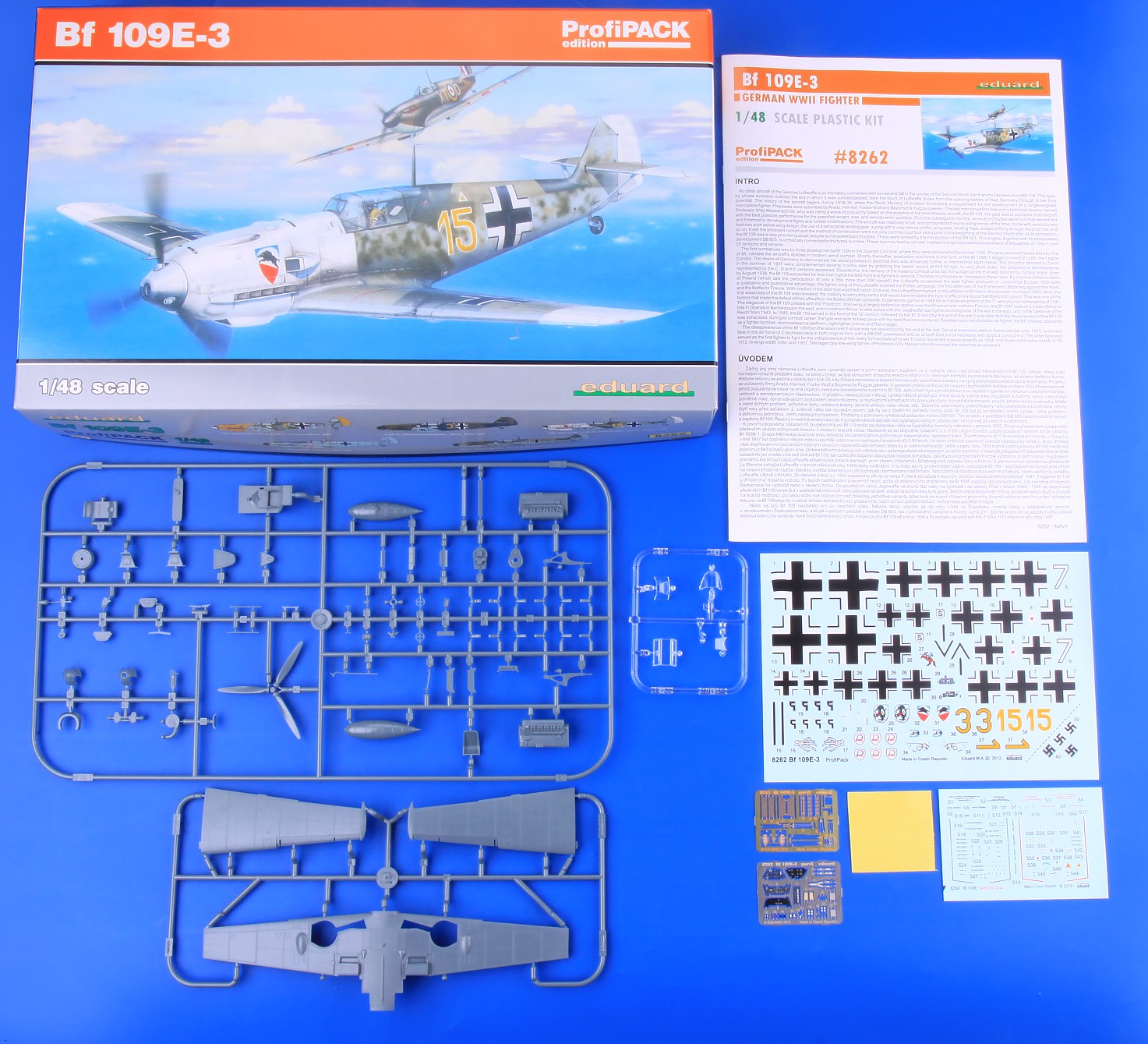
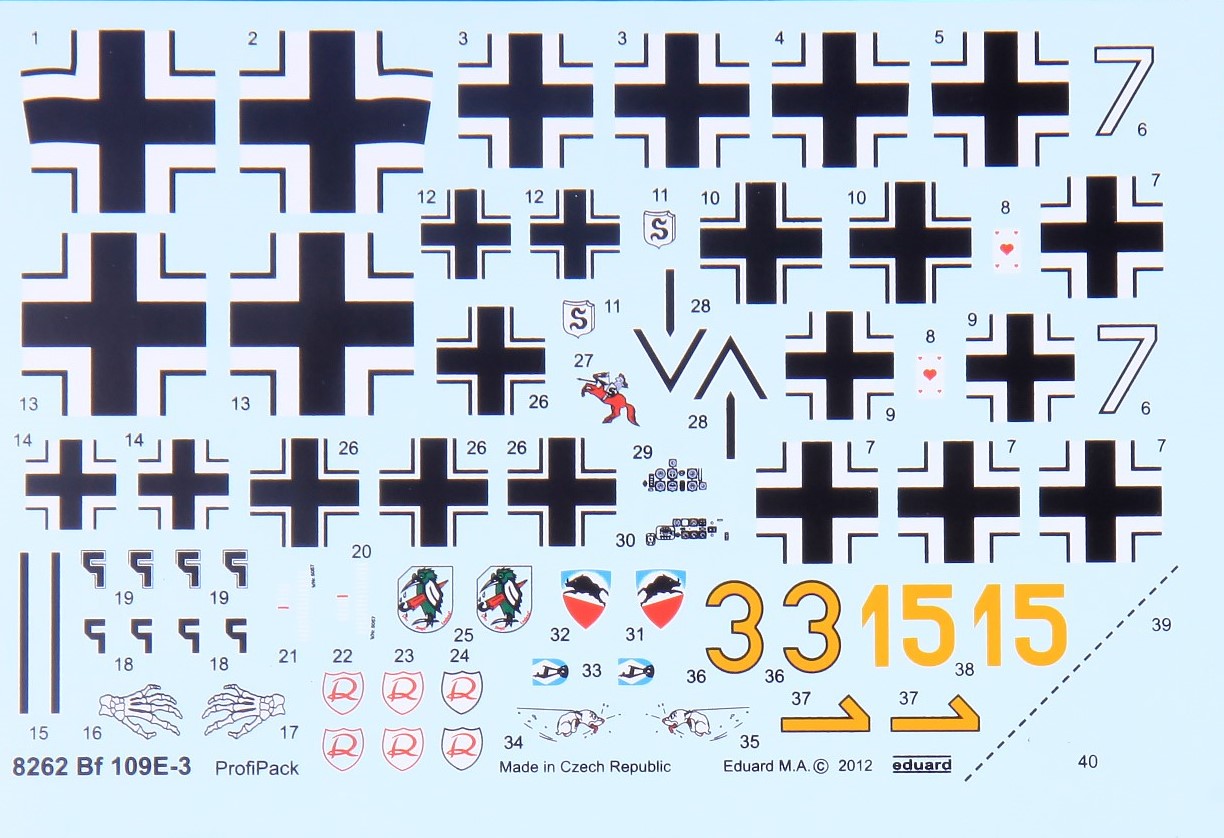
Lots of decals!

PE parts to fiddle with…

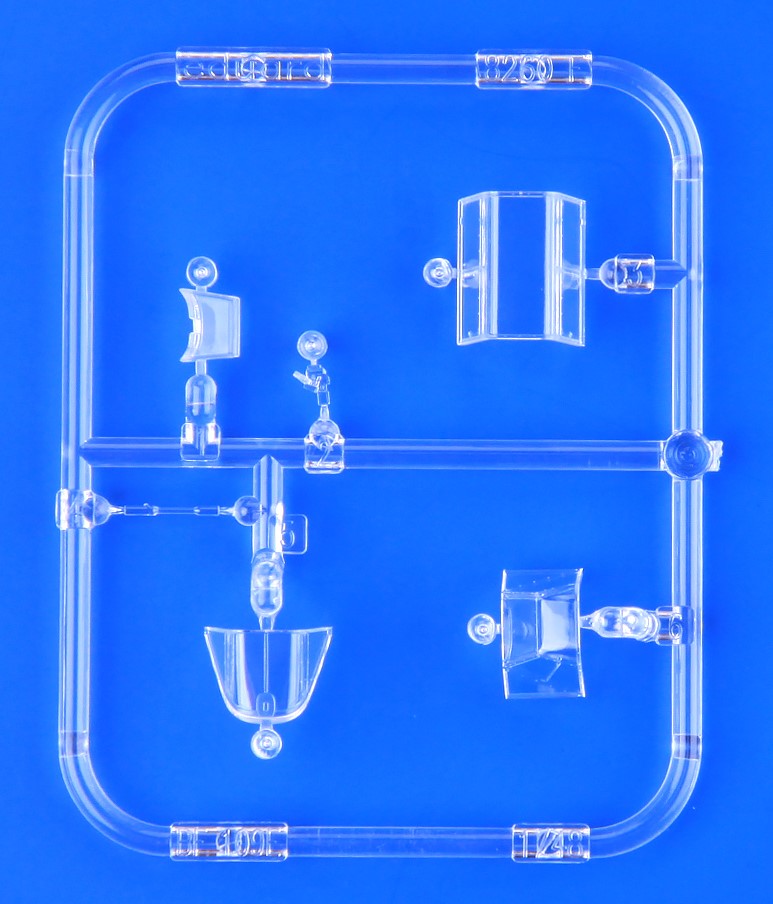
Clear parts…
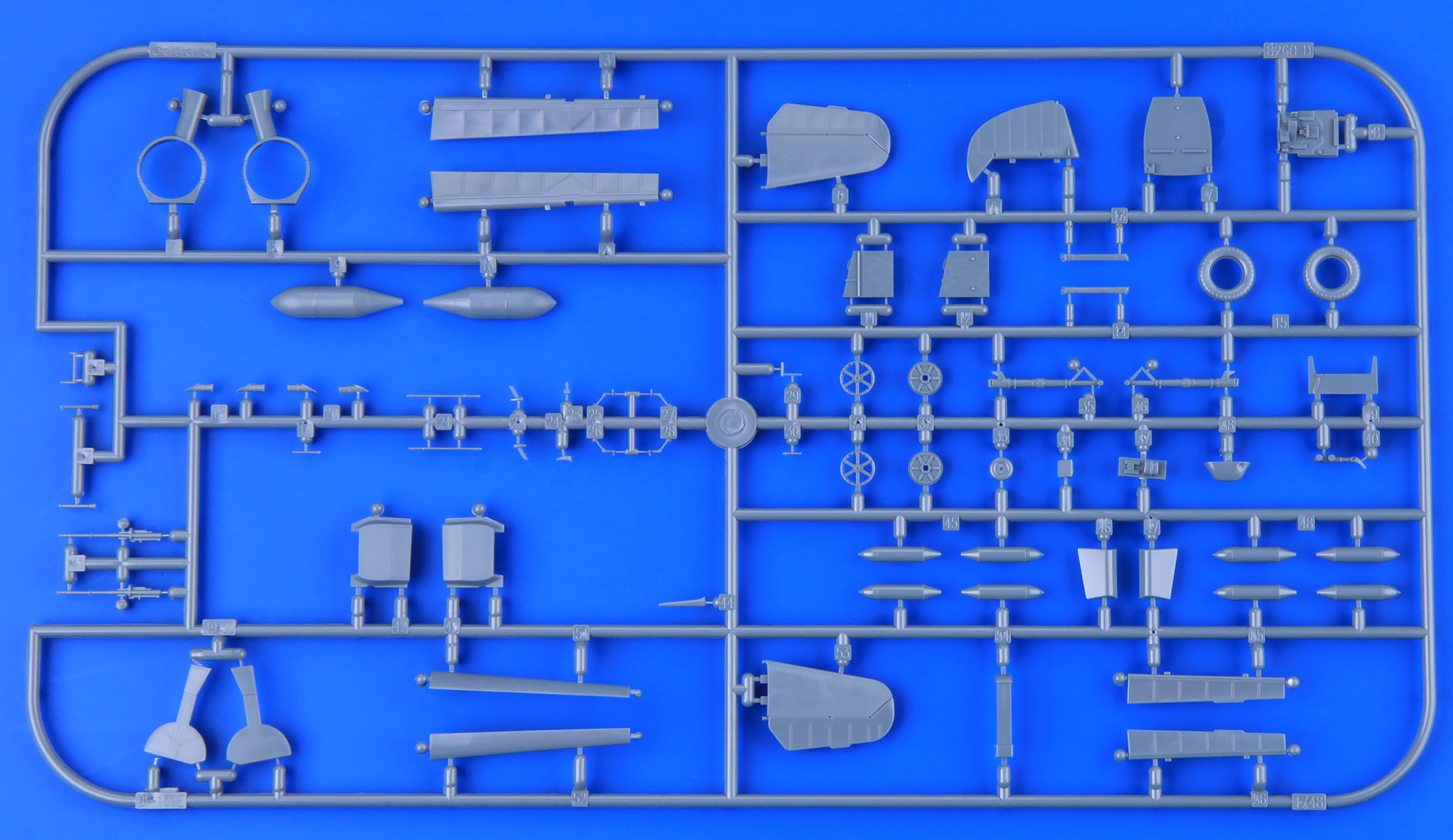
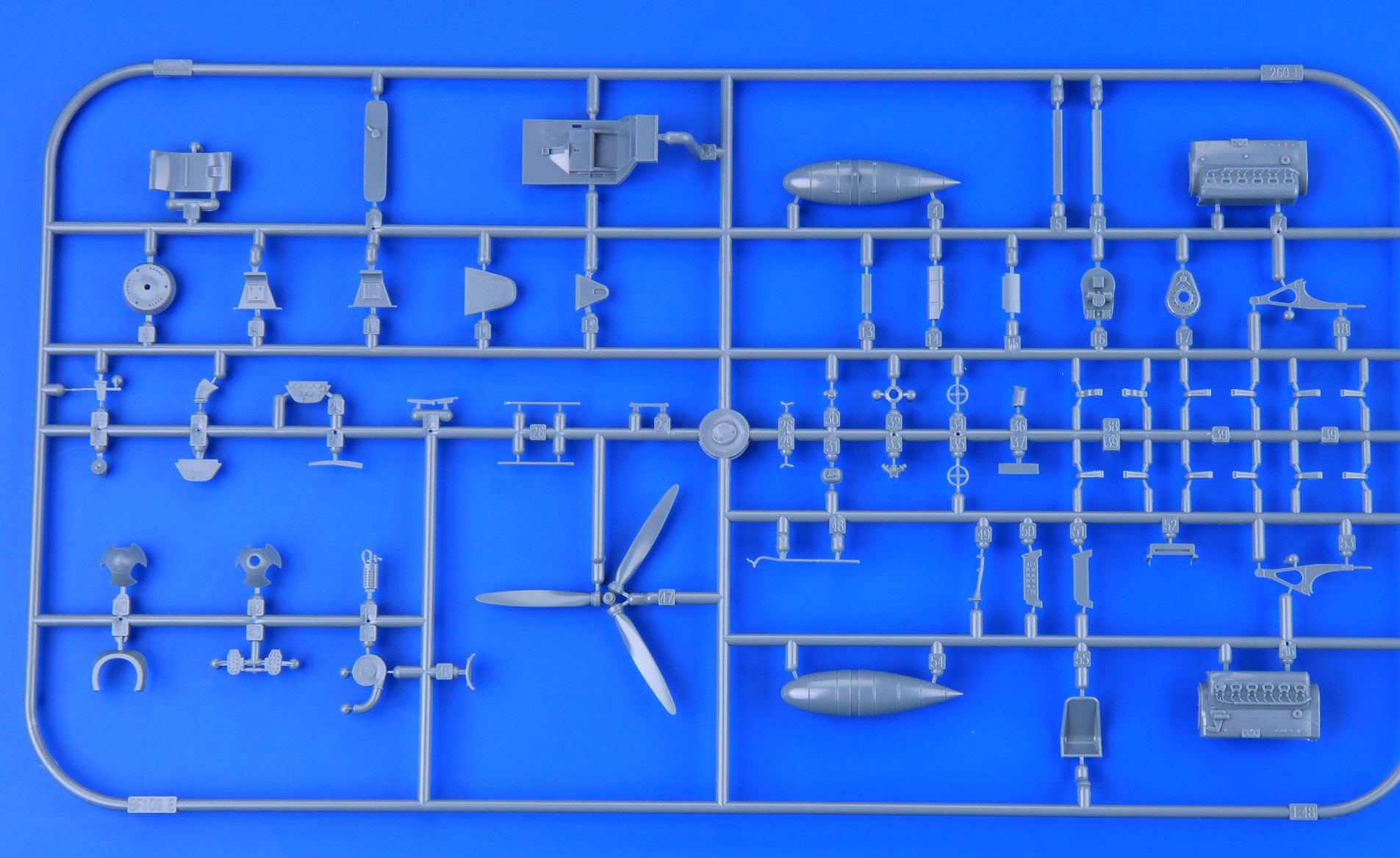
Well engineered…

No nonsense instructions…
Different planes to choose from with their history …
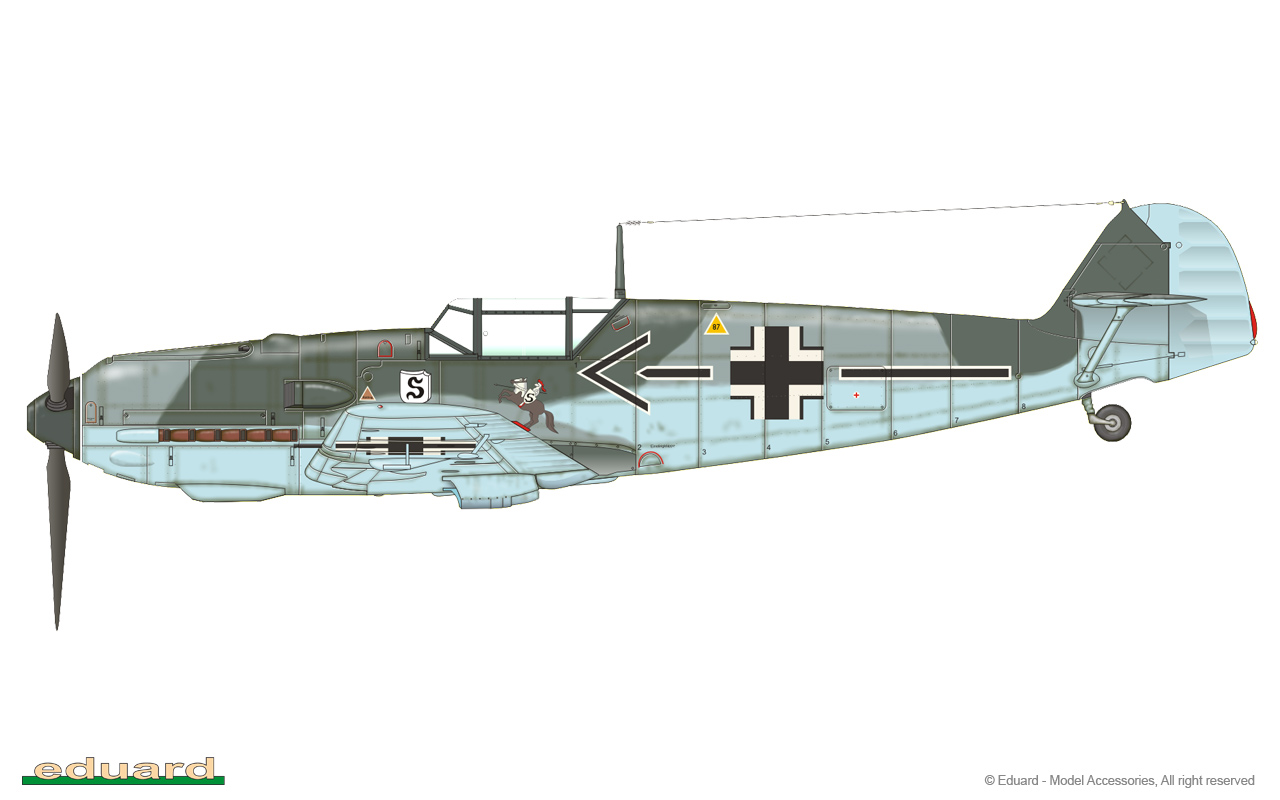
This aircraft, which carried an unusual camouflage scheme for the noted period, was flown by the CO of JG 26, Obstlt. Hans-Hugo Witt in April 1940. Upper surfaces were composed of fields of RLM 02 and 71, while the bottom carried the standard RLM 65. The Geschwaderkommodor tactical marking was supplemented by a simplified version of the ‘Schlageter’ emblem, the unit marking of JG 26. The mounted rider was marking of Stab/JG 26 and was found exclusively on the left side th of the fuselage. Jagdgeschwader 26 participated in the Battle of France during this timeframe. Hans-Hugo led the unit until June 23 , 1940, when he left at the age th of 39 to take on several command functions in the Luftwaffe leadership. Witt is also known for being a survivor of the ill-fated Hindenburg flight on May 6 , 1937.
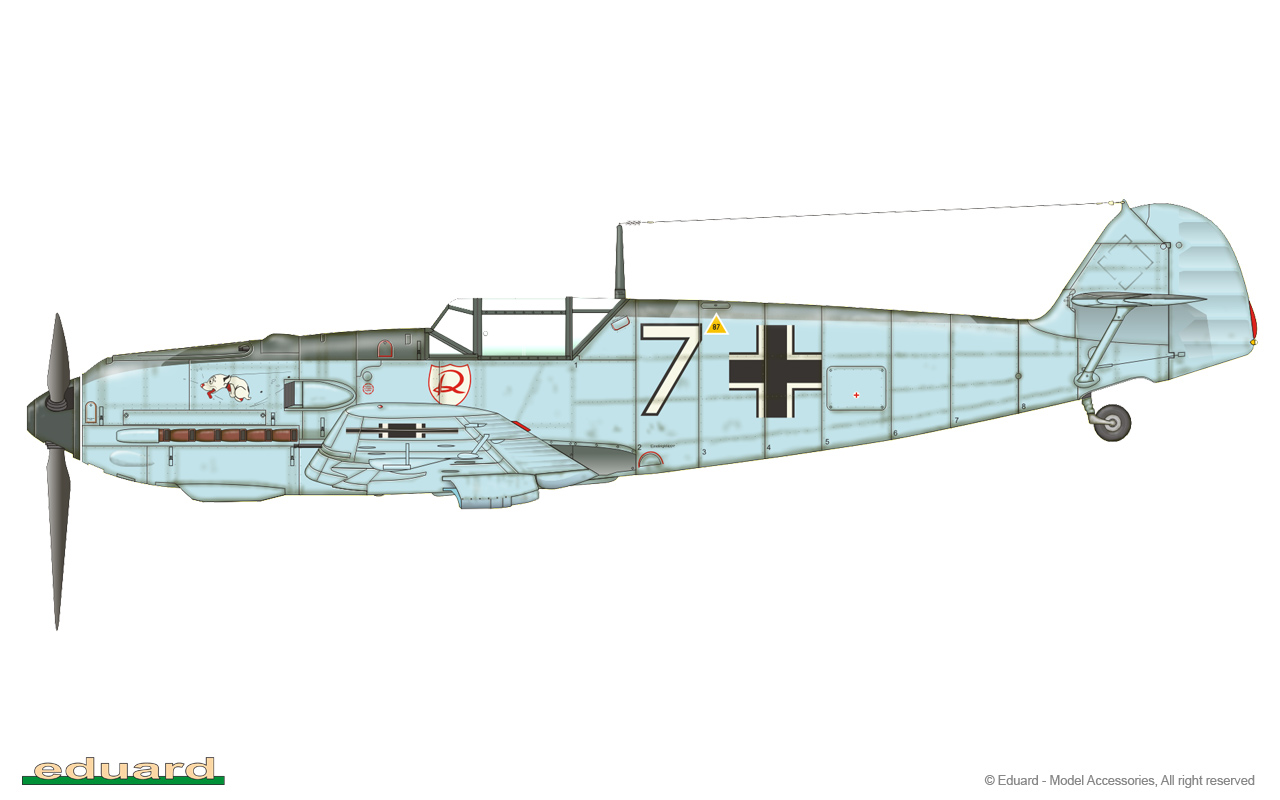
The illustrated White ‘7’ flew in the spring of 1940 with 1. Staffel JG 2 under the command of Spanish Civil War veteran Oblt. Otto Bertram. The aircraft carries the standard period camouflage scheme consisting of RLM 02/71 on the upper surfaces. The lower surface light blue RLM 65 extended quite high up the fuselage sides. An oddity on this aircraft is the application of older national markings on this newer scheme, including the smaller fuselage crosses with very thin border segments and the application of the Swastika such that it covered both the rudder and the fin. The emblem of JG 2 Richthofen appeared on both sides of the fuselage under the cockpit. Similarly, the Staffel marking of a leashed dog ‘Bonzo’ appeared on both sides, and was developed by Otto Bertram. The template for the marking was the comic character ‘Bonzo the Dog’, by the Brit George Studdy who’s drawings paradoxically appeared on aircraft of both sides.
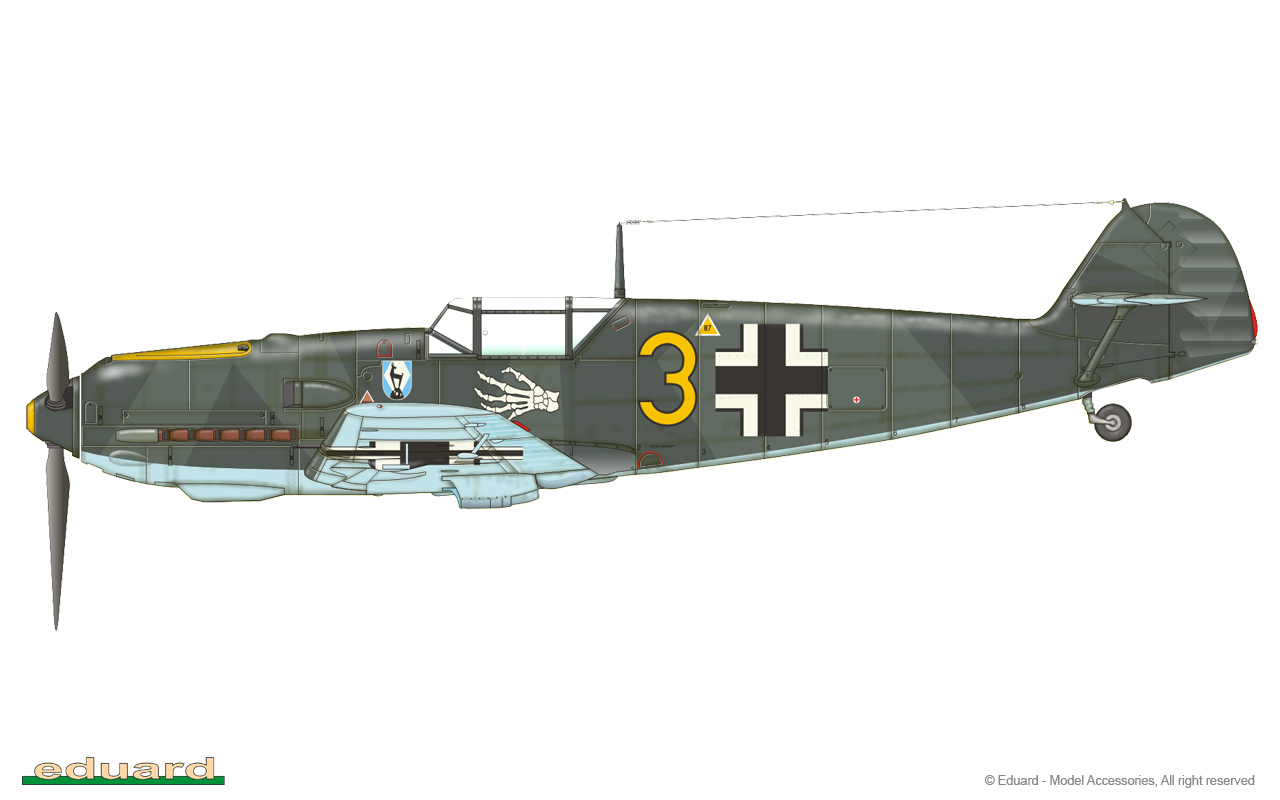
The illustrated aircraft is an example of the camouflage scheme and national marking application introduced at the end of 1939, specifically during the ‘Sitzkrieg’ period and during the defense of Germany against the first retaliatory raids by the RAF. The aircraft is painted in the standard scheme of RLM 70 and 71 on the upper surfaces. The paint is affected by heavy weathering and wear. The lower surfaces are in light blue, RLM 65. An interesting feature on this aircraft, and occasionally seen on others, is the very large rendering of the national marking on the wings. The fuselage Balkenkreuz also has a more slender centre cross segment. The Totenhand marking below the cockpit is the 3./JG 51 unit insignia, while the Kitzbuheler Gams marking, which was used by I./JG 51 from its beginnings, was a reminder of the influx of Austrian pilots to the unit in 1938, at a time when it carried the markings of I./JG 233.
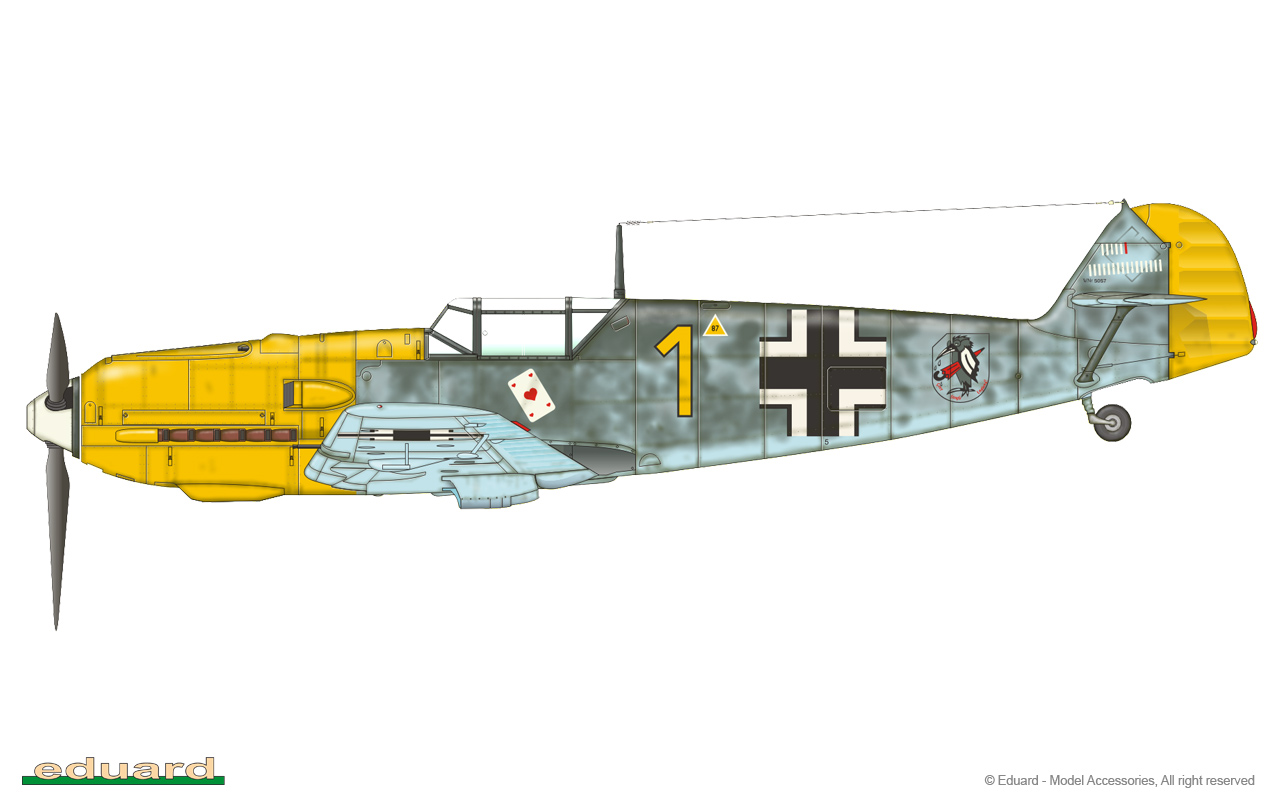
Yellow ‘1’, W.Nr. 5057, was flown by the commander of 6. Staffel JG 51, Josef Priller, and underwent several camouflage color modifications through its career. According to some sources, the initial scheme was composed of RLM 70/71/65. However, it is easier to confirm later variations, when the underside light blue was extended up the sides of the fuselage, and quite high up at that. Later, this color was subdued by the application of irregular squiggles of RLM 02 and 71. Furthermore, the upper surfaces of the wing, originally composed of broken lines, were augmented in a similar manner as the fuselage sides. This was the appearance of the aircraft in the fall of 1940, and as depicted by our profile. At the time, the aircraft also received a yellow nose section and rudder. The extent of the front end yellow coloring is up for speculation. Some sources suggest this as it appears on the boxtop of this kit, while others claim that the yellow only covered the engine cowl and spinner, as shown in this profile. The emblem of II./JG 51 ‘Gott strafe England!’(God punish England!) shown on the rear of the fuselage, is sprayed on without the usual white background, only with the black border around a black raven with an umbrella, symbolizing Neville Chamberlain. The Staffel marking in the form of the Ace of Hearts subsequently was used on Priller’s later aircraft as a personal marking. Here, it does not yet bear the well-known ‘Jutta’ inscription. The kill marks denoting Priller’s aerial victories on the tail in the form of vertical tabs with dates, partially obscured the Swastika. Beer lover Josef Priller attained 101 aerial victories in 1,307 operational flights between 1939 and 1945. The pictured aircraft was later inherited by another well-known Luftwaffe pilot, Hptm. Herbert Ihlefeld, who used it in 1941 in the Balkan campaign.
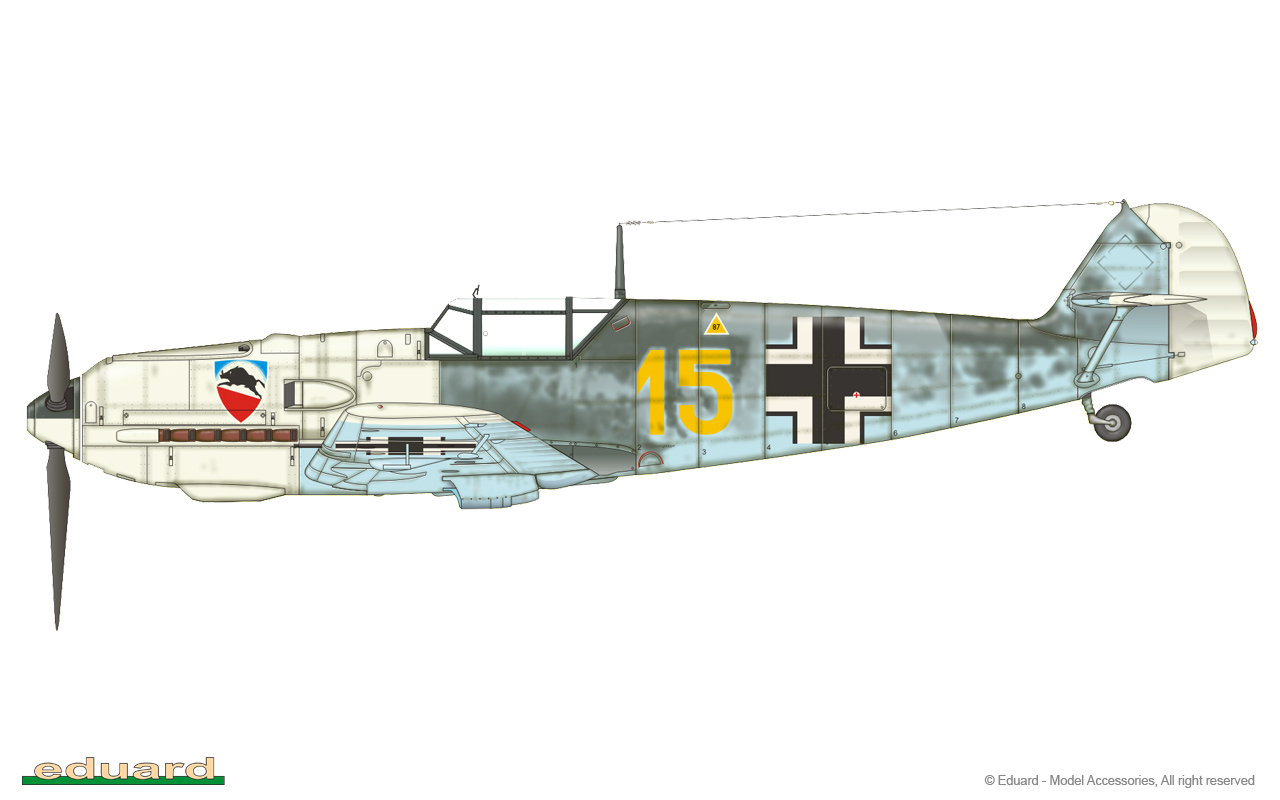
A very attractive scheme was carried by Bf 109E-3 White ‘15’, with which Uffz. Karl Wolff crashed on landing on August 30 , 1940. It carried the standard scheme of RLM 02/71/65, and the light blue 65 extended up the fuselage sides. The light blue, which also wrapped around the leading edges of the wings, was subdued with overspray of colors used on the upper surfaces. Furthermore, the aircraft received white paint on surfaces such as the nose, rudder and wingtips, used first and foremost as quick identification features. The I. Gruppe JG 52 unit emblem appeared on the nose of the plane. A month after his hard landing in White ‘15’, Uffz. Wolff was shot down and taken prisoner. Jagdgeschwader 52 became the Luftwaffe’s most successful fighter unit mainly due to its operations over the Eastern Front. However, its successes began during the Battle of France, and later, the Battle of Britain. By the end of 1940, the unit’s pilots had already racked up 177 kills. On the other hand, losses were quite high as well. Just during the Battle of Britain, the unit lost 53 pilots. The unit was also odd in that its equipment over the course of the war was composed exclusively of Bf 109s.
I like what others have done.
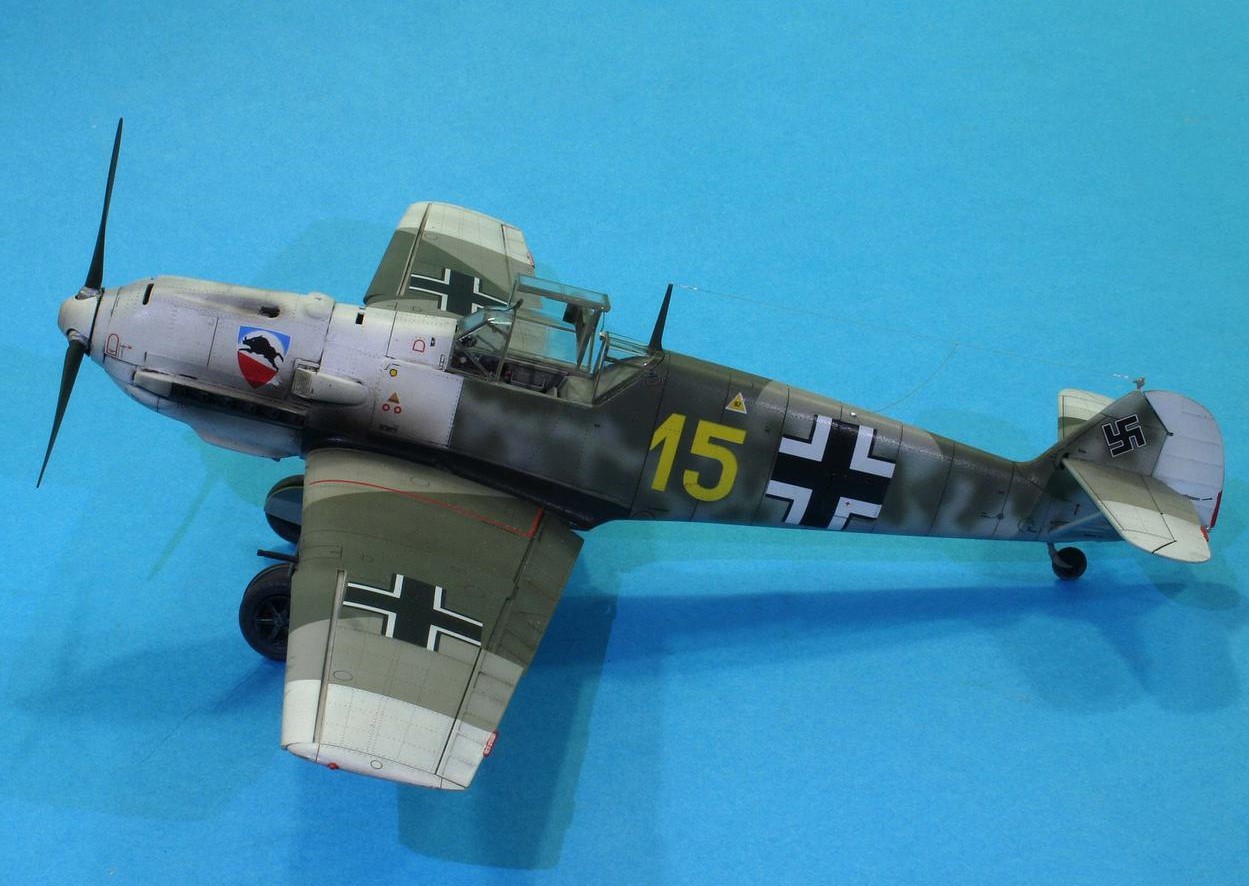
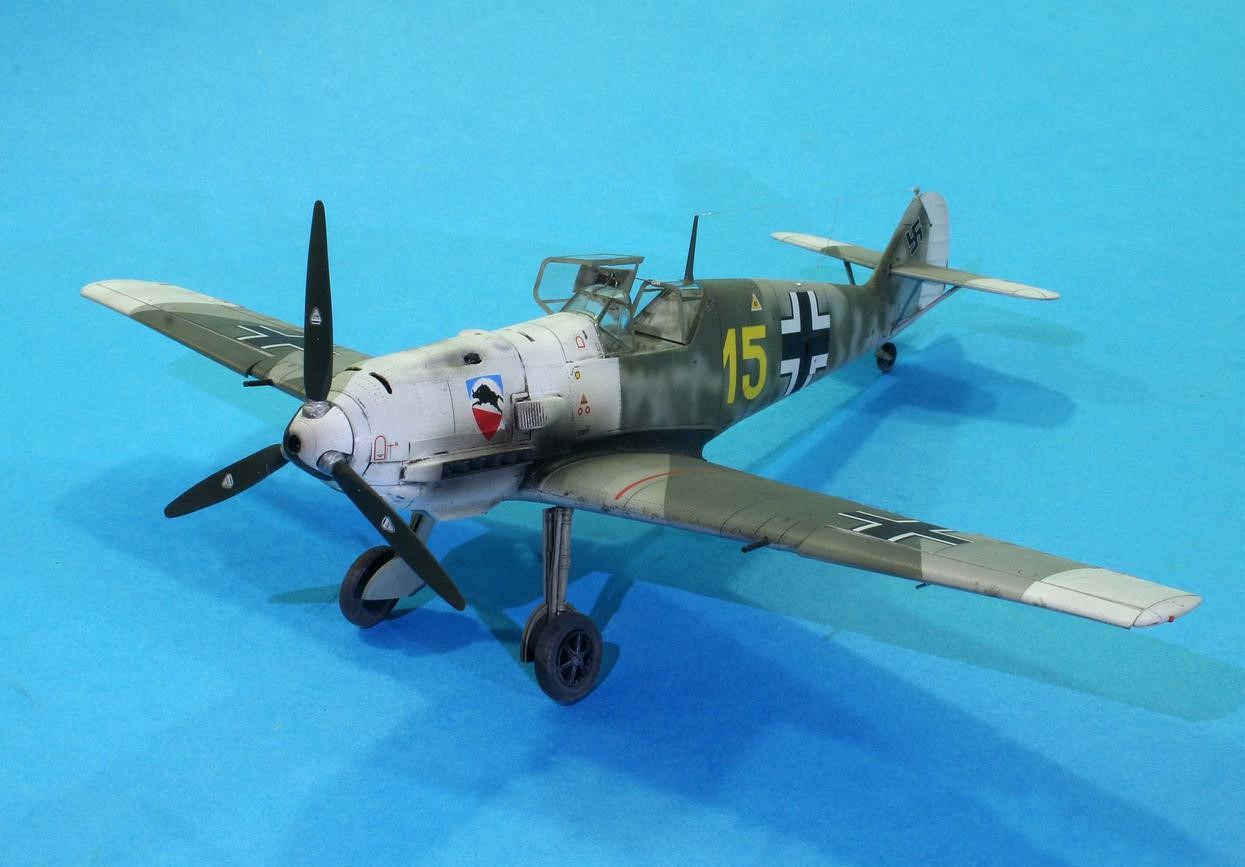
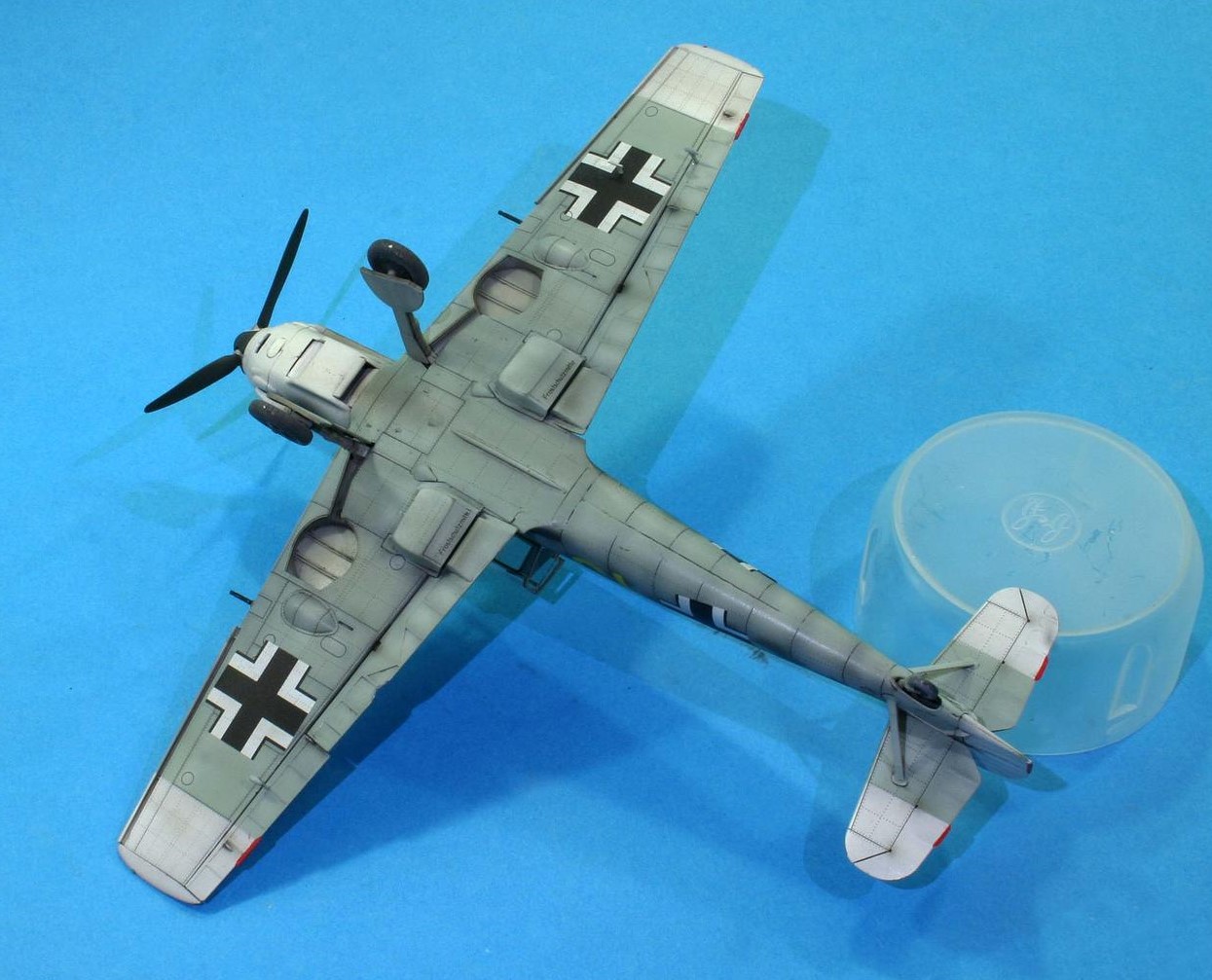

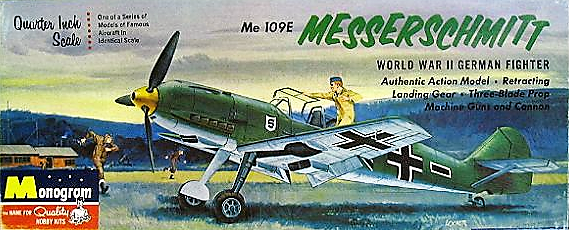
I bought it because I had built Monogram’s Me 109 in the 60s and I wanted to reminisce just a little about the good old days.
This other model kit was bought just the day after I bought the Me 109E-3. It has not arrived yet and I have asked for a refund.
I had bought it mostly out of frustration with the useless decals for my vintage Monogram FW 190 I had built earlier this year.
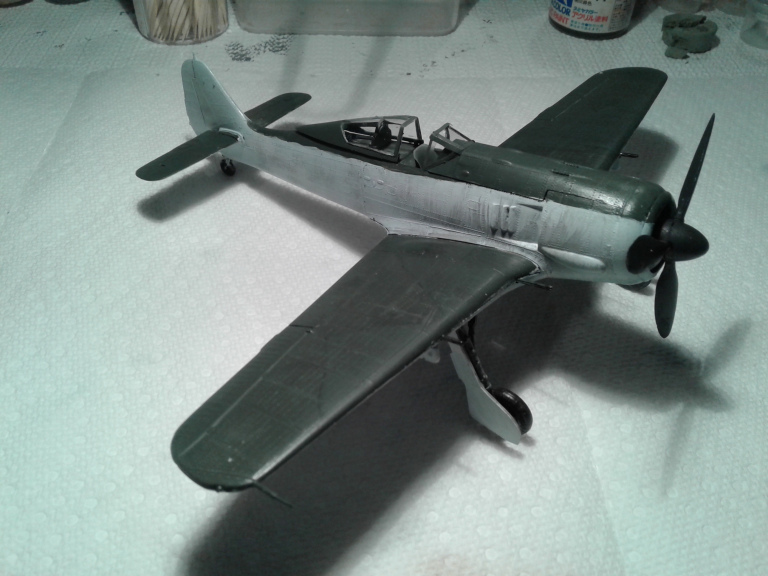
I had managed to add leftover decals, but I was not quite pleased with the results.
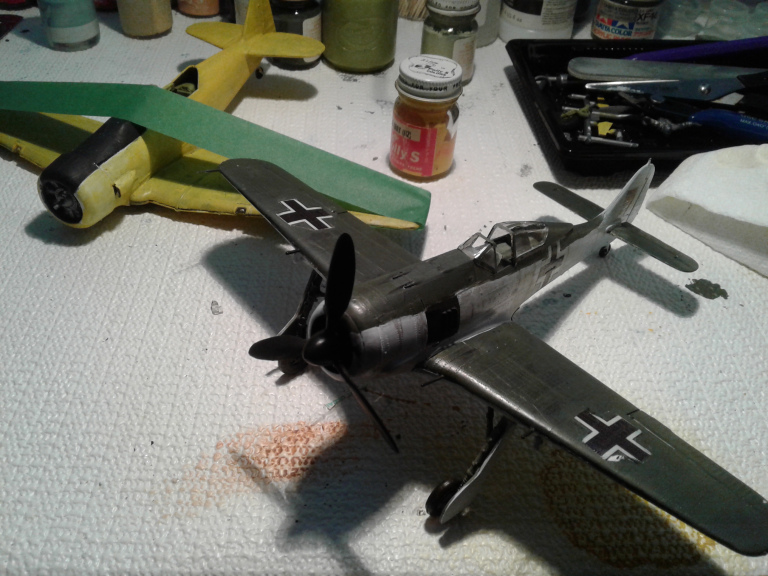
This being said, this is where I am right now with my two hangar queens and some new found old decals on a clean workbench.
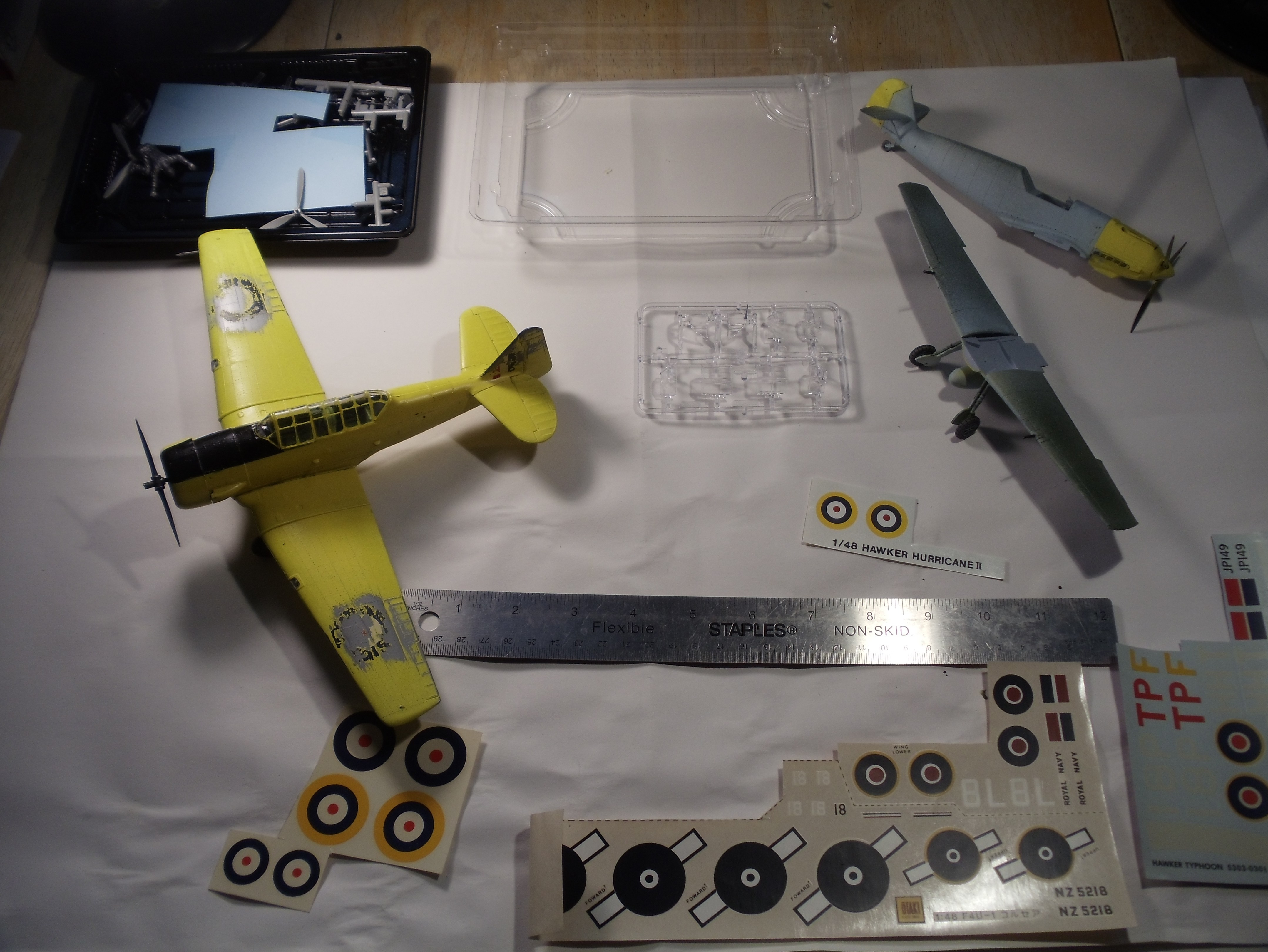
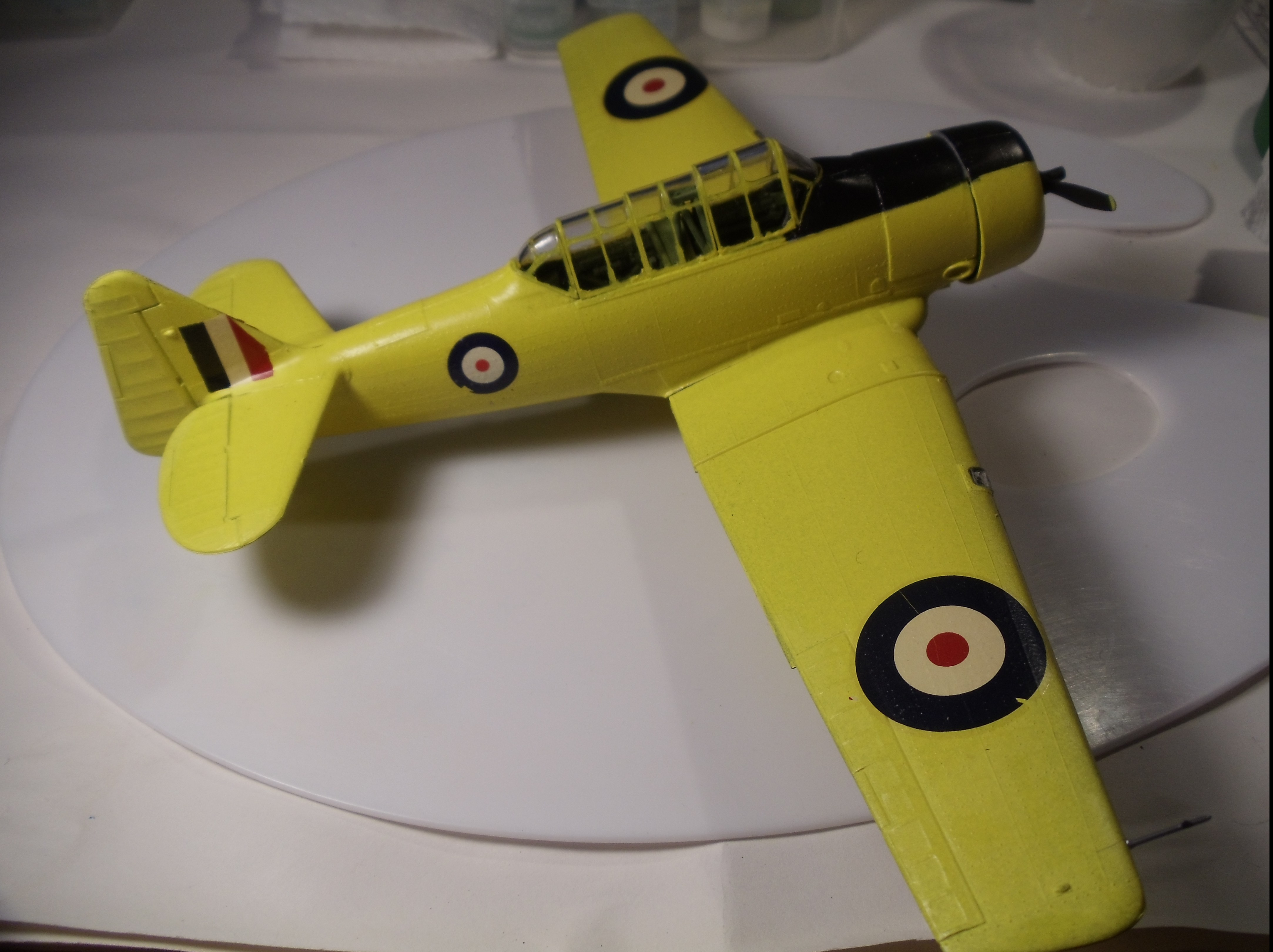
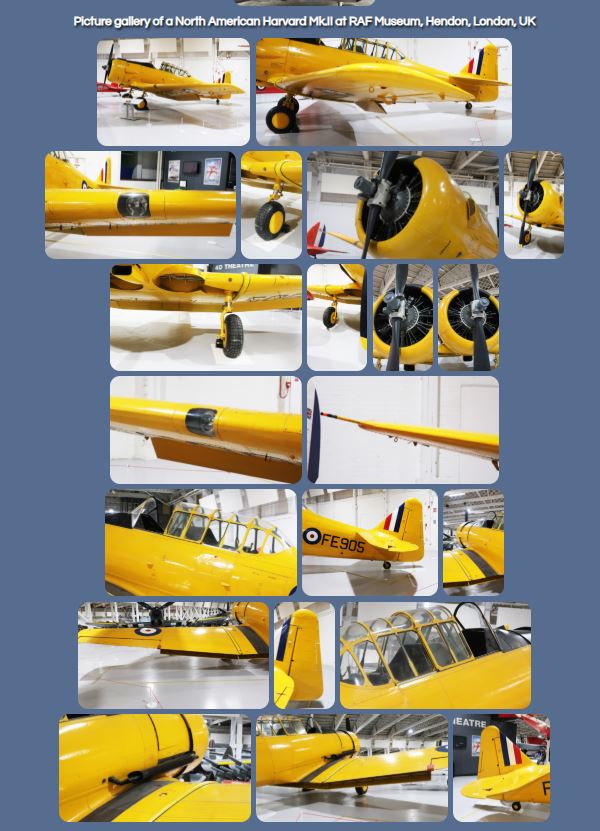
I will have to repaint some parts of my Monogram Harvard once more.
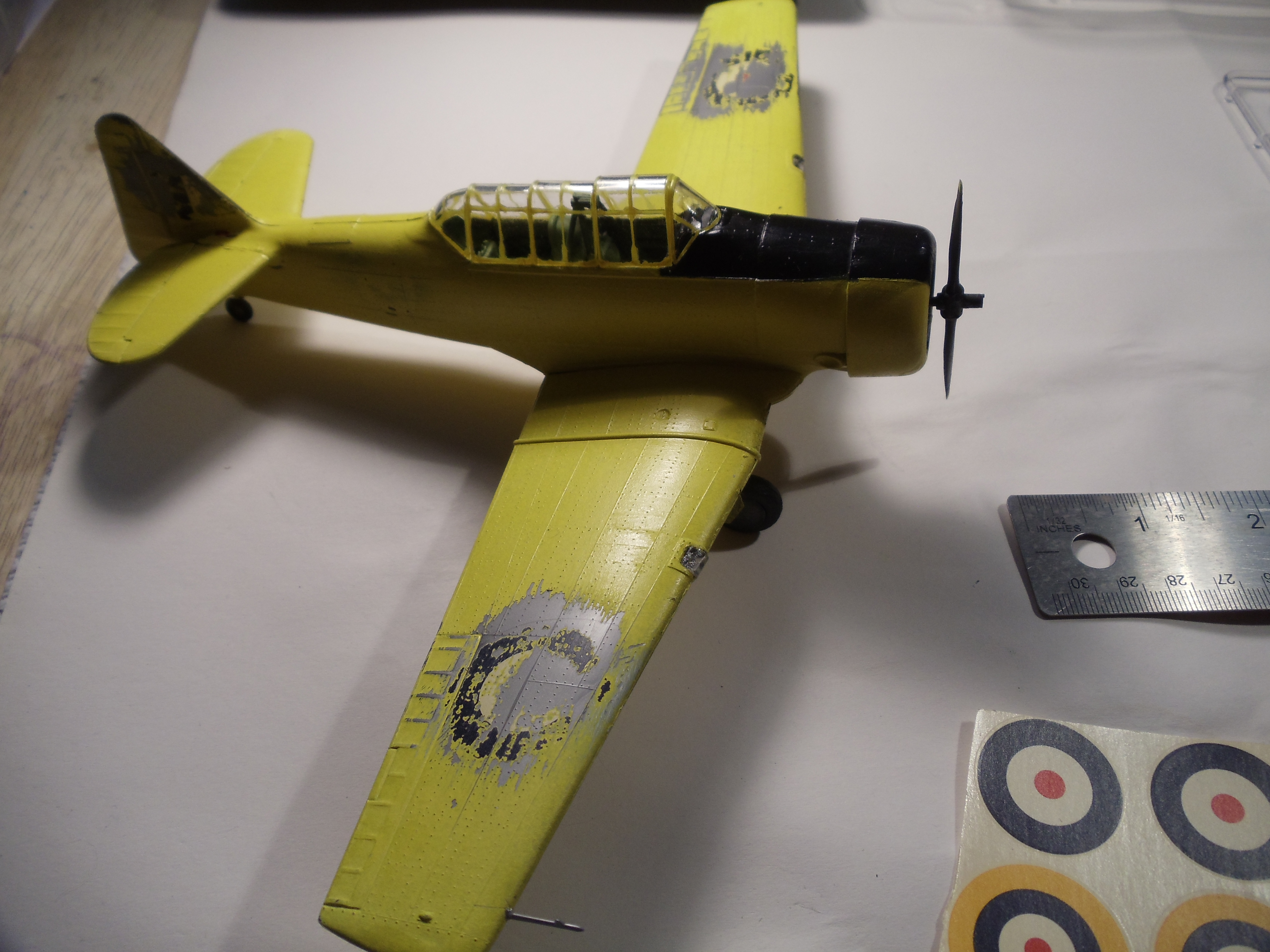
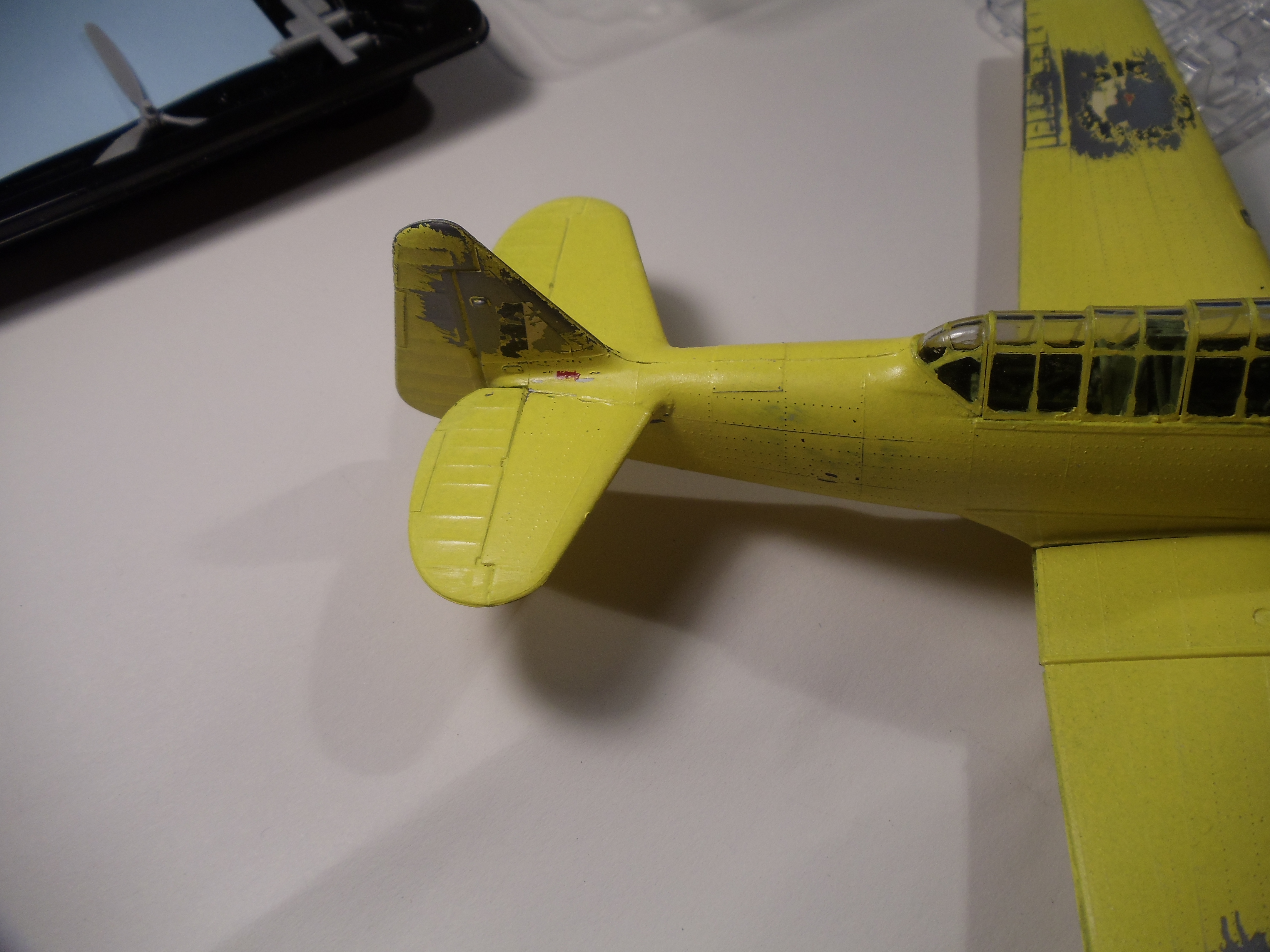
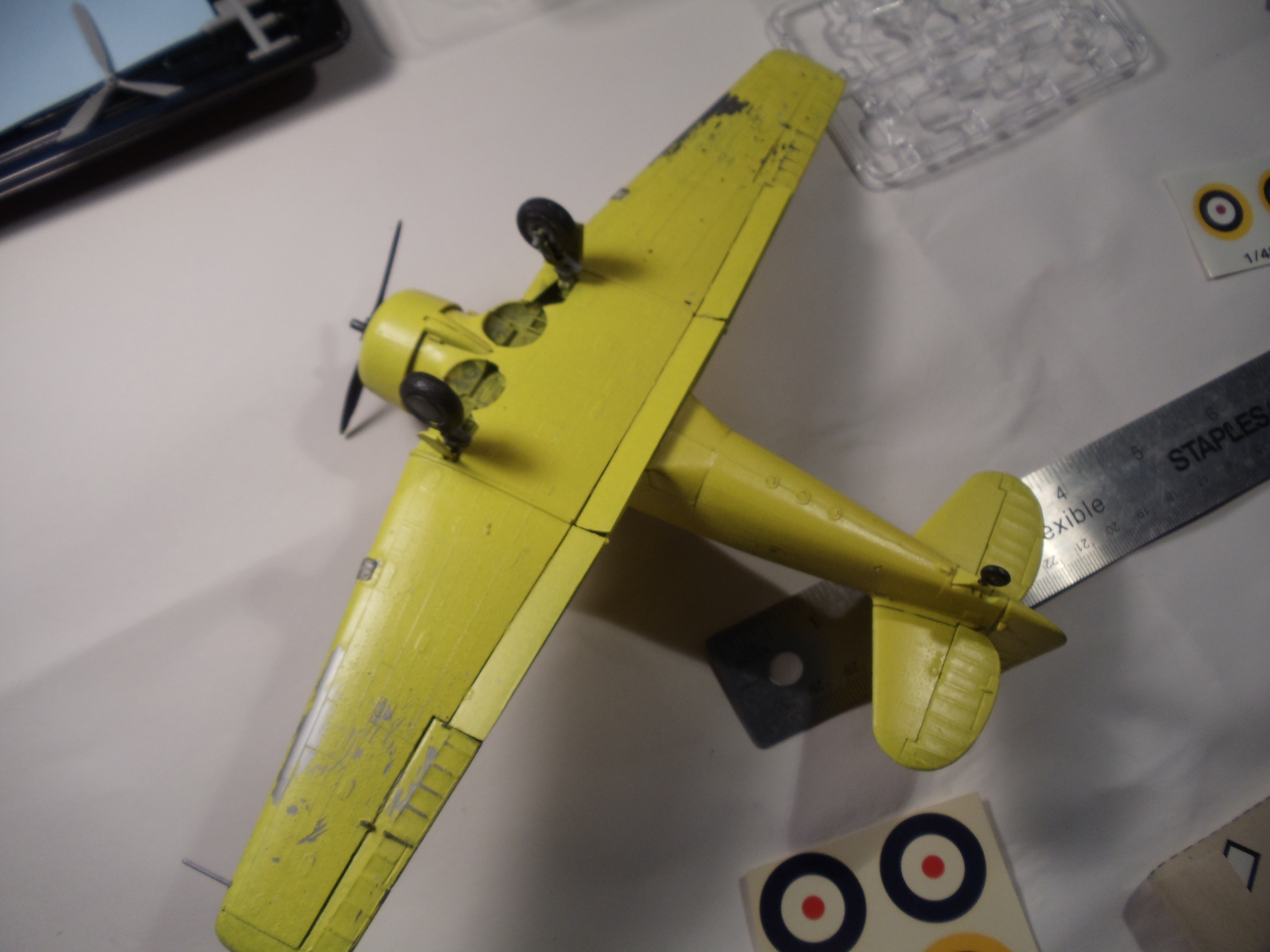

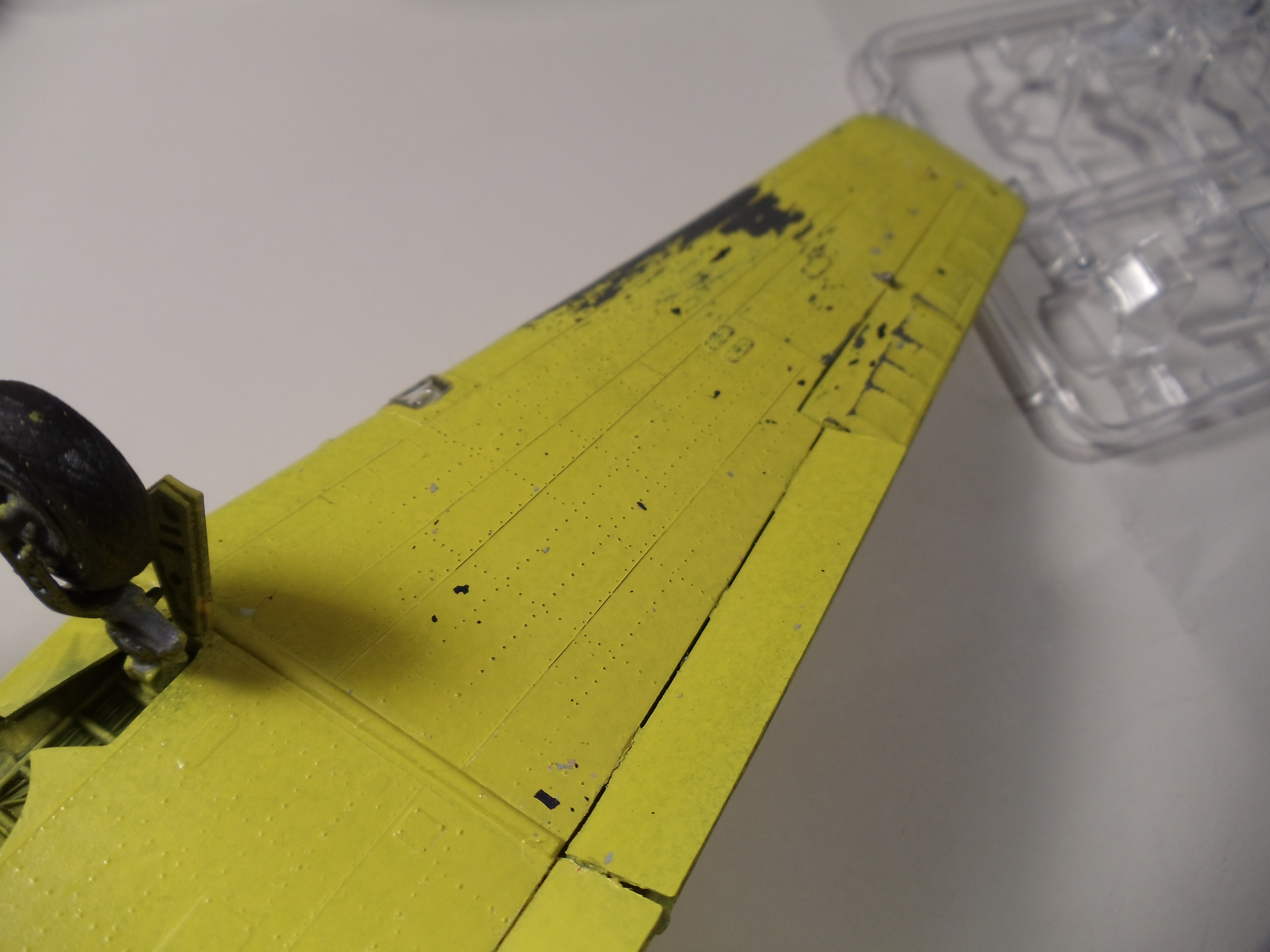
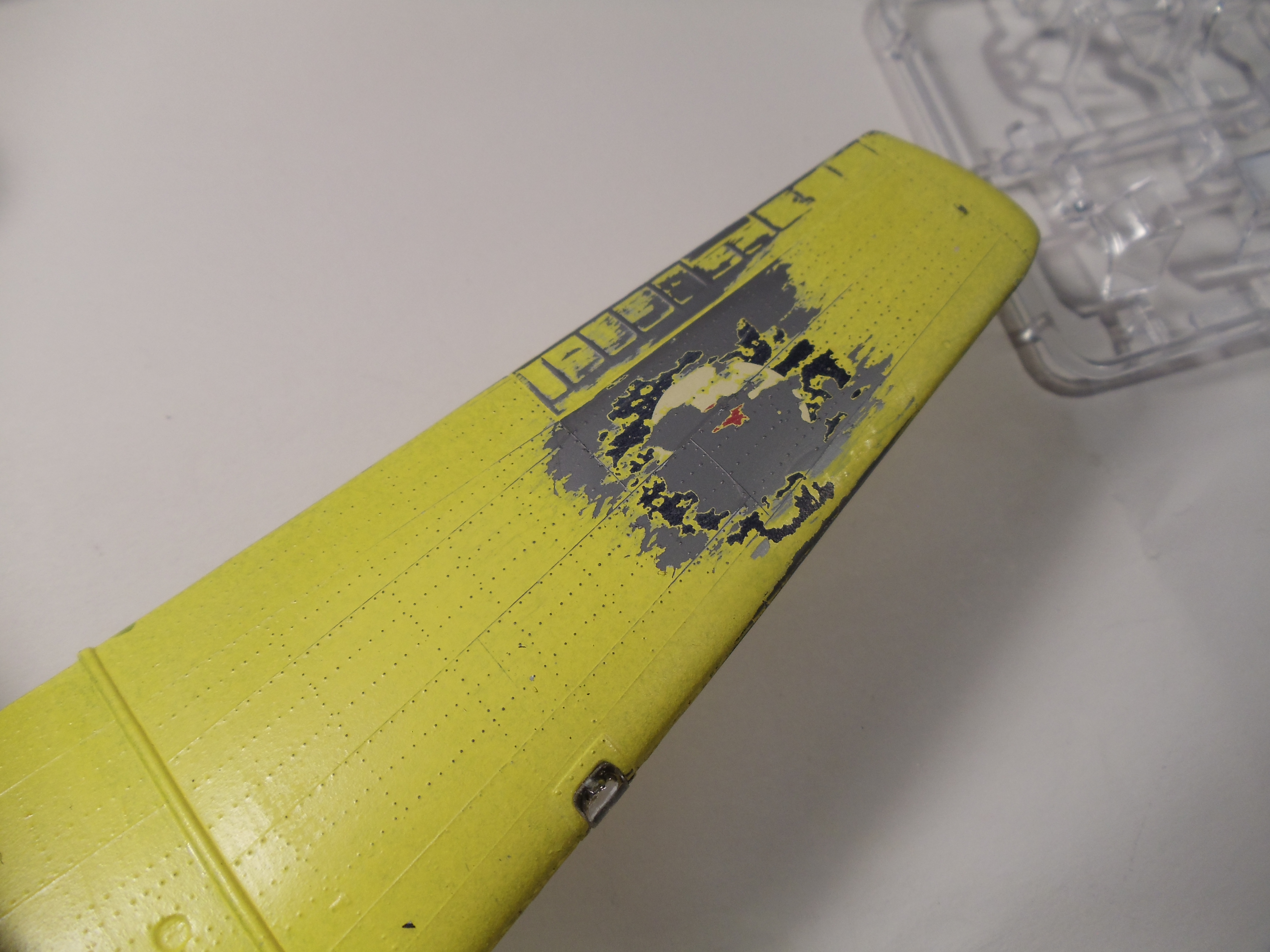
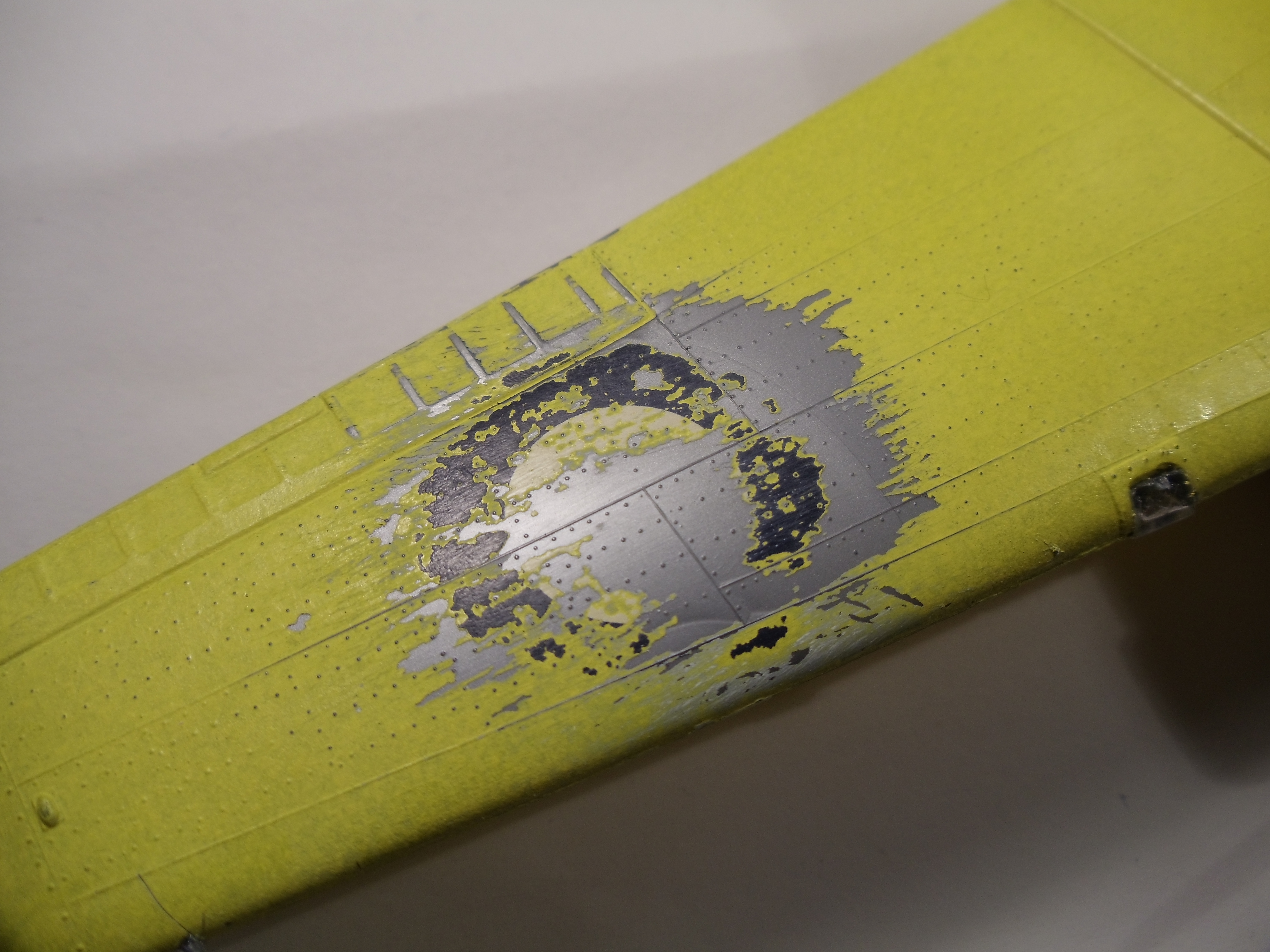
My Airfix Me 109 will need its upper camouflage to be completed…

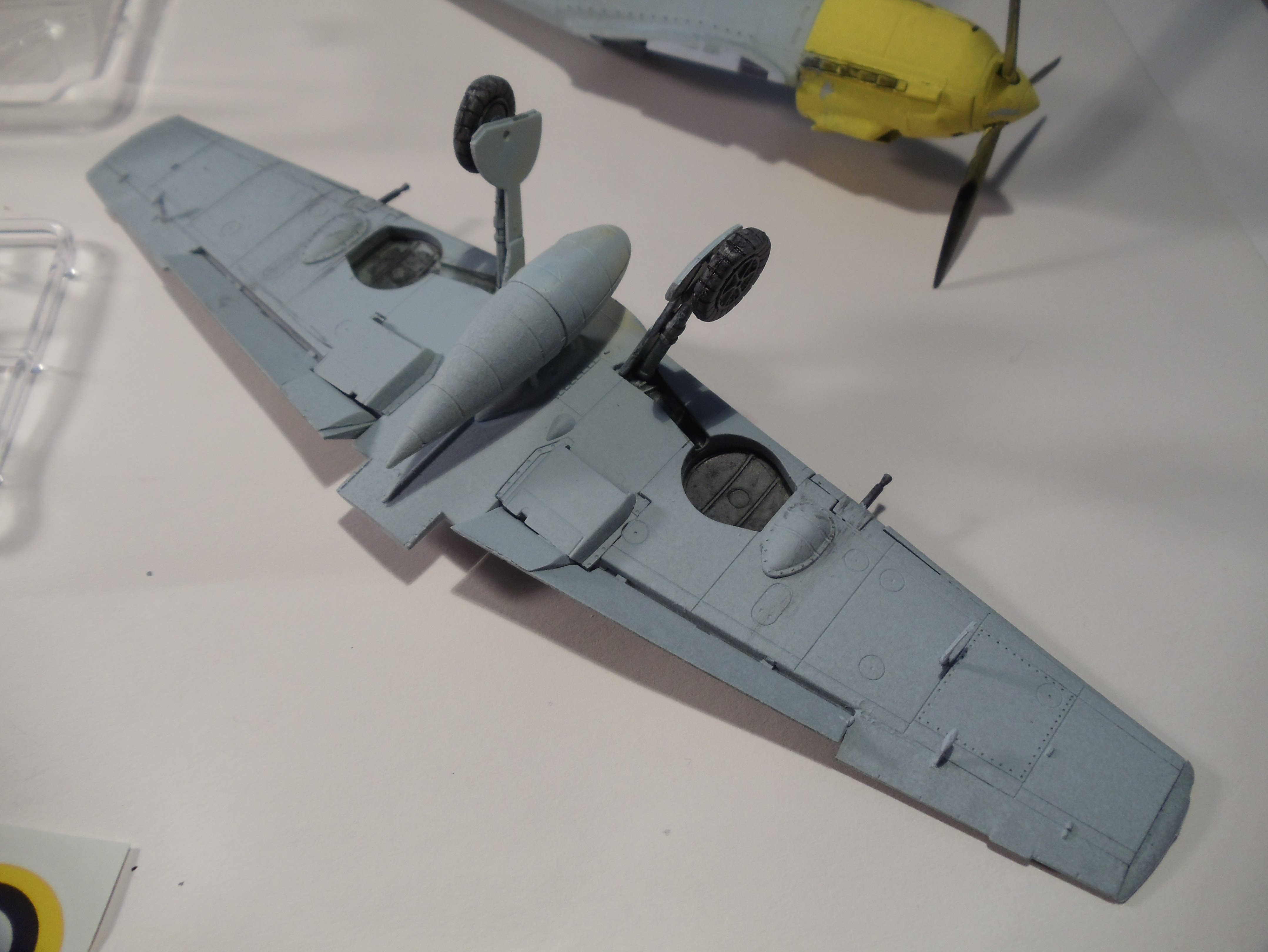
with the canopy frames and the black and white spinner. For that I will need to use my airbrush outside depending on the weather which has not been cooperating lately.
On second thoughts I wish I had left the spinner and the propeller off…
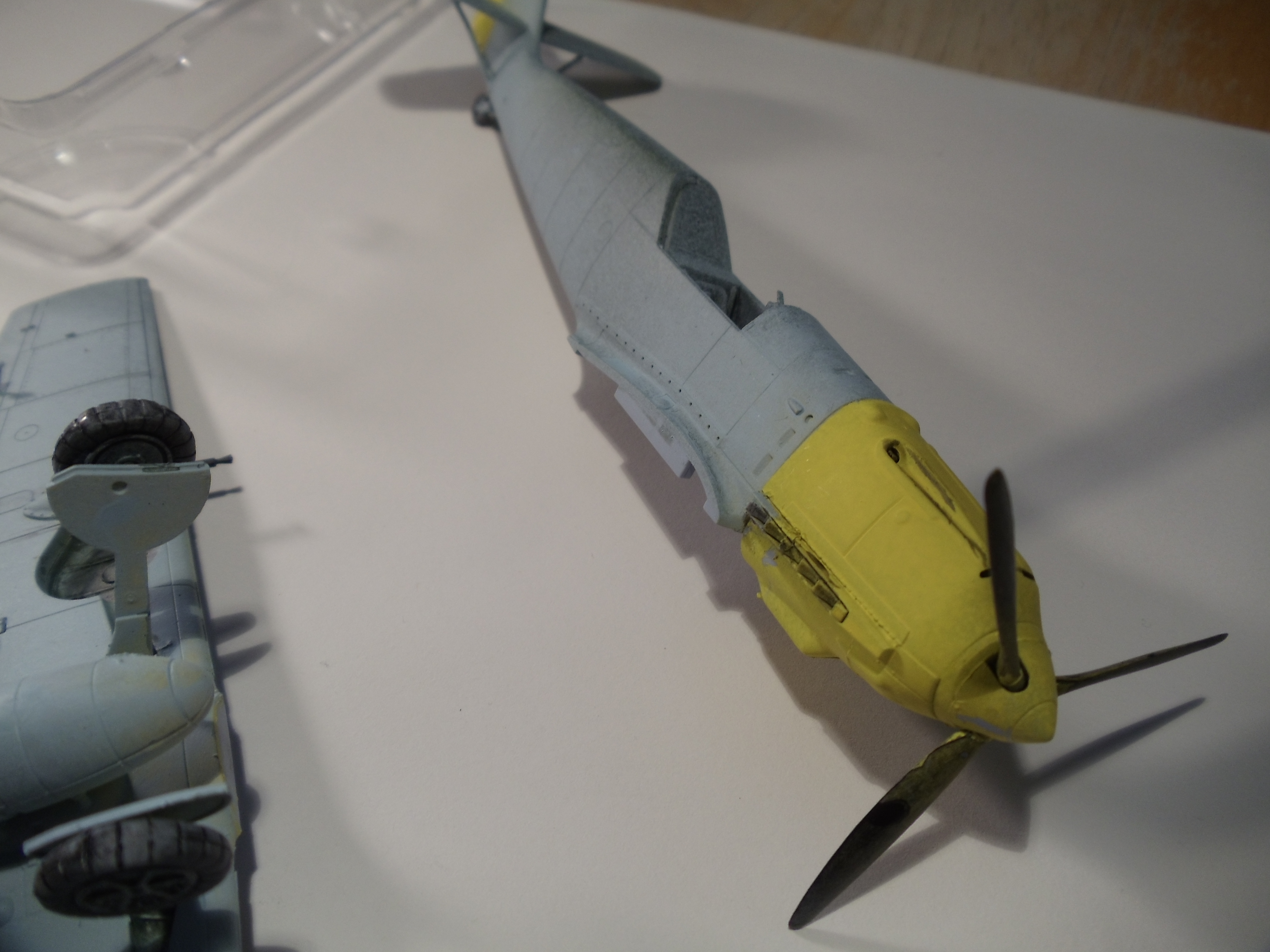
Decals should come later…
I have taken the decals off that I had put on the Harvard. They did not look good.
So I went on My Forgotten II to remind me why I had started this project. The following is what I had written.
This photo is most probably taken at No.2 SFTS Uplands, Ontario. Don’t ask how I know because the explanation could be quite long.

Most of Allied WWII pilots trained on the North American AT-6 (Harvard in the RCAF). The Harvard is somewhat special in my stash even if I bought it more than 20 years ago.

I could make you believe I own one, but I can’t tell a lie on my blogs…
My fascination for aviation started in 1958. Writing blogs about WWII started with writing about a ship, a Canadian destroyer which I knew nothing about before my wife’s uncle told us in a family reunion in July 2009 that he was a stoker aboard HMCS Athabaskan. I just had to write about it since my wife’s uncle did not want to tell us more. Little by little I wrote about HMCS Athabaskan both in the two Canadian official languages, French and English.
I don’t monetise my blogs. There is something more precious in life like people who read my blogs and sometimes comment on what I wrote. The first WWII veteran who wrote a comment on a blog was a rear gunner with 425 Alouette Squadron. Curiously for someone who thought he knew a lot about WWII, I knew nothing about 425 Alouette Squadron the only French-Canadian RCAF squadron who flew Vickers Wellingtons and then Handley-Page Halifaxes. Through this veteran I met a man whose hero when he was young was a Mosquito pilot who history had forgotten.
His name was Eugène Gagnon the trainee seen here in front of a Harvard.

My research led me to find all about Eugène Gagnon and his days of training first on a Fleet Finch, then on a Harvard in Dunnville, Ontario where he earned his wings.

Eugène became a staff pilot in Paulson, Manitoba before he was sent overseas. In December 1944 he became a part of RAF 23 Squadron flying de Havilland Mosquito Mk VI. From December 1944 to May 1945 Flight Lieutenant Eugène Gagnon flew 33 operations most of them in the dark of night, in all-weather conditions, and often around German airfields stalking German nighfighters.
Night bandits they were called…
But I am digressing.
To be continued…

Experimental airplanes always fascinated me, as they are used to explore the unknowns of flight, pushing the frontiers of our knowledge. The DFS 40 (also known as Delta V) was such an airplane, designed by Alexander Lippisch in the late 30’s. It was a follow up on previous Lippisch’s designs of tailless aircraft, this one […]
Missing in my collection
Perhaps the best known Japanese bomber of World War II, the Betty was a modern and dangerous weapon in use from the very start of the Pacific War.
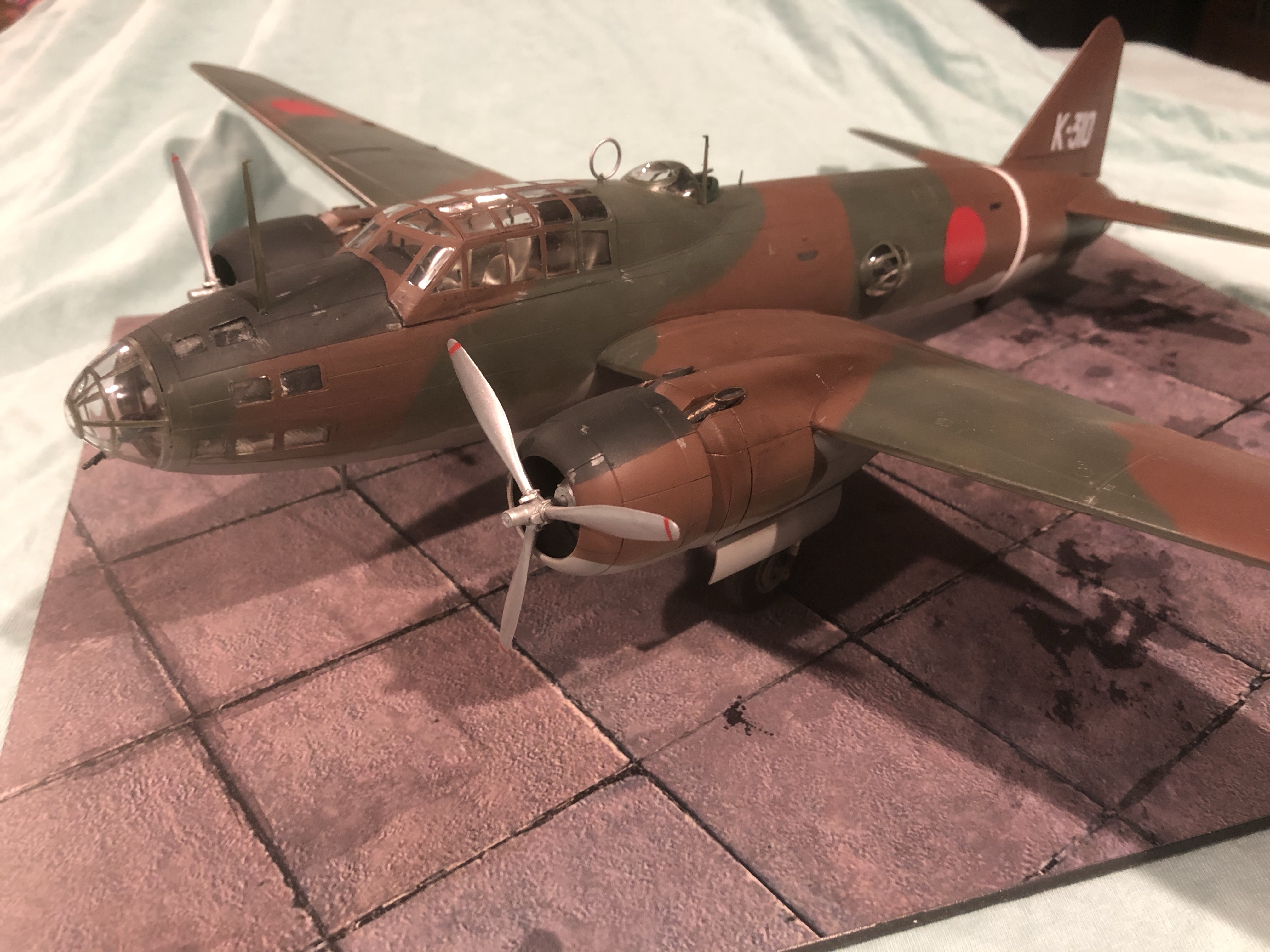
Let’s take a look at an early Betty, from a very famous mission.
View original post 1,374 more words


 My Forgotten Hobby III